
Are you getting ready to prune your Tuff Stuff hydrangea for maximum blooms? If so, timing is everything. Pruning at the right moment can make all the difference in encouraging vibrant flowers next year. But when exactly should you prune a Tuff Stuff hydrangea, and what are the best techniques to ensure healthy growth? In this guide, we’ll walk through the essential steps for fall pruning your Tuff Stuff hydrangea, from selecting the perfect location to preparing the right tools. You’ll learn how to cut back overgrown stems, clean up dead blooms, and create a framework for next year’s lush flowers. With these tips, you’ll be able to make the most of your Tuff Stuff hydrangea’s potential and enjoy stunning blooms all season long.
Understanding Tuff Stuff Hydrangeas
As you delve into the specifics of fall pruning, understanding how tuff stuff hydrangeas respond to different cutting techniques is crucial for optimal growth and blooms. This section breaks down their unique needs.
Introduction to Tuff Stuff Hydrangeas
If you’re new to Tuff Stuff hydrangeas, let’s start with the basics. These beautiful shrubs are a popular choice among gardeners due to their stunning flowers and low maintenance requirements. Tuff Stuff hydrangeas are compact, growing up to 3-4 feet tall, making them perfect for smaller gardens or spaces where room is limited.
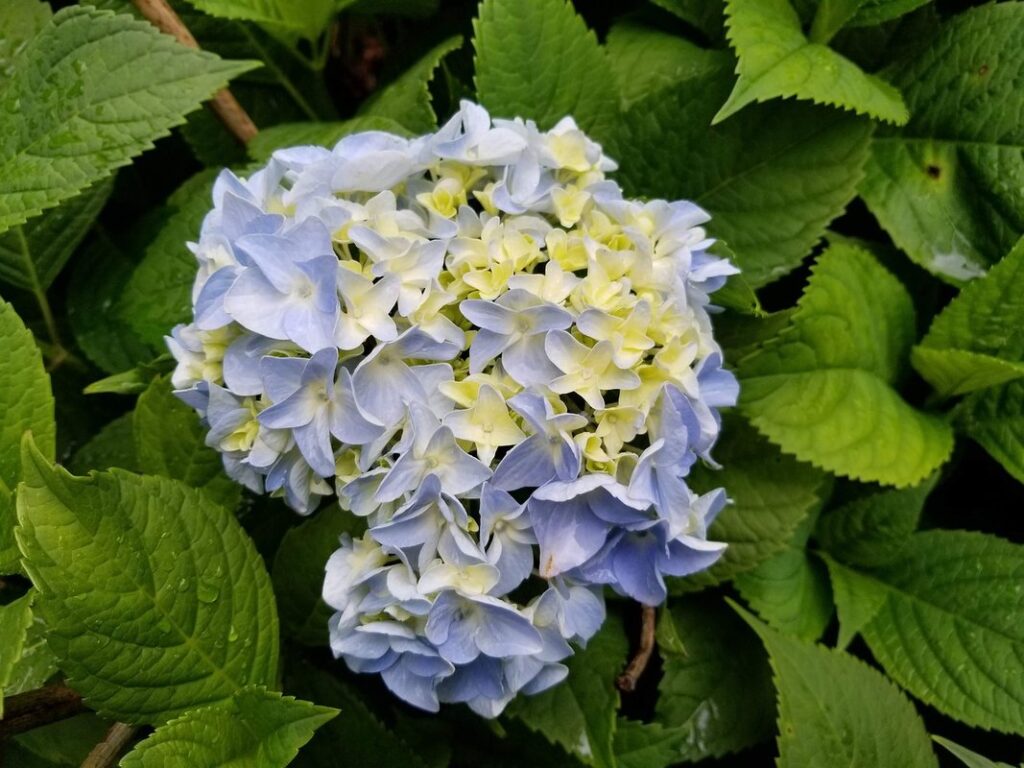
Their leaves are a lovely medium green color, providing a nice backdrop for the vibrant blooms that appear in shades of pink, blue, and white. One of the standout features of Tuff Stuff hydrangeas is their ability to produce flowers in both summer and fall, extending the blooming season in your garden.
Another reason why these shrubs are so well-loved is their hardiness. They’re able to withstand a range of conditions, from full sun to partial shade, and can tolerate temperatures as low as -20°F (-29°C). This makes them an excellent choice for gardeners living in areas with harsh winters or unpredictable weather patterns.
Overall, Tuff Stuff hydrangeas are a great addition to any garden, providing beauty, durability, and ease of care.
Choosing the Right Location for Your Tuff Stuff Hydrangea
When selecting a location for your Tuff Stuff hydrangea, there are several key factors to consider. First and foremost, think about sunlight: these plants thrive in full sun to partial shade conditions, receiving at least 6 hours of direct sunlight per day. If your yard receives intense afternoon sun, provide some dappled shade with a tree or trellis to prevent scorching.
Soil type is also crucial – Tuff Stuff hydrangeas prefer well-draining soil that’s rich in organic matter. Avoid planting in low-lying areas where water tends to collect, as this can lead to root rot and other issues. Aim for a spot with moist, but not soggy, soil that receives regular rainfall.
Finally, consider the moisture levels in your yard. Tuff Stuff hydrangeas are relatively drought-tolerant, but they’ll perform best when receiving regular watering – about 1-2 inches per week. Avoid planting near water features or areas where irrigation is heavy, as this can lead to overwatering and other problems.
In general, look for a location that receives moderate sunlight, has well-draining soil, and offers consistent moisture levels. With proper placement, your Tuff Stuff hydrangea will thrive and provide stunning fall blooms year after year.
Why Fall Pruning is Essential for Tuff Stuff Hydrangeas
Pruning your Tuff Stuff hydrangea in the fall can be a daunting task, but understanding its importance will make all the difference. Let’s dive into why this crucial step is essential for maintaining their stunning blooms.
Benefits of Fall Pruning
Pruning your Tuff Stuff hydrangea in the fall may seem counterintuitive at first, especially when it’s known that most plants thrive with spring pruning. However, this season-specific technique is crucial for maintaining the health and appearance of your plant.
One primary reason for fall pruning is to prevent weak growth. When you prune your hydrangea in the spring, it produces new shoots that can become leggy and vulnerable to winter damage. By cutting back these weak stems in the fall, you’re encouraging your Tuff Stuff hydrangea to focus its energy on developing a strong root system.
This approach also helps control the size of your plant. Pruning in the fall allows you to manage the height and shape of your hydrangea more effectively than pruning in the spring or summer when new growth is more rapid. It’s essential to remove any weak, diseased, or damaged stems during this process to prevent the spread of disease and promote healthy growth.
By implementing a fall pruning routine, you’ll be giving your Tuff Stuff hydrangea the best chance at thriving over the winter months and returning stronger in the spring. This technique requires some finesse, but with practice, it becomes second nature, allowing you to enjoy vibrant blooms and robust foliage year after year.
Understanding the Impact of Not Pruning in the Fall
Not pruning your Tuff Stuff hydrangea in the fall can have significant consequences on its overall health and blooming potential. One of the most noticeable effects is a reduction in blooming capacity. Without regular pruning, the shrub’s old flowers will not be removed, allowing seeds to develop and divert energy from producing new blooms. This can lead to a decrease in flower size, color, and quantity, ultimately affecting the plant’s overall appearance.
Another significant consequence of neglecting fall pruning is increased susceptibility to disease. Pruning helps to promote air circulation within the shrub, reducing moisture accumulation that fosters fungal growth. When diseased flowers are left intact, they can spread their spores throughout the plant, causing widespread infection and potentially killing the entire shrub. Regular pruning also prevents branch damage, which can provide entry points for pests like aphids and spider mites.
In extreme cases, an unpruned Tuff Stuff hydrangea may begin to look unkempt or overgrown, becoming more susceptible to wind damage and other environmental stressors.
Preparing Your Tools and Equipment
Before you start pruning, make sure you have all the necessary tools within arm’s reach, such as loppers, pruning shears, and gloves to protect your hands. Gather them now to avoid interruptions during the process.
Safety Precautions for Pruning
When working with pruning tools, it’s essential to take safety precautions seriously to avoid accidents and injuries. To start, always wear protective gear such as gloves, safety glasses, and a dust mask when pruning. This will help prevent cuts, scratches, and exposure to plant sap, which can cause skin irritation.
Next, choose pruning tools that are well-maintained and suitable for the task at hand. Dull or rusty blades can be difficult to maneuver and increase the risk of accidents. Use sharp loppers or pruning saws specifically designed for cutting thick branches.
When handling heavy branches, use proper lifting techniques to avoid straining your back. Bend at the knees, keep the branch close to your body, and lift with your legs rather than your back. Finally, be mindful of your surroundings and ensure a clear path for falling debris.
By following these simple safety precautions, you can enjoy a safe and effective pruning experience that will help your Tuff Stuff Hydrangea thrive throughout the growing season.
Choosing the Right Pruning Tools for Your Tuff Stuff Hydrangea
When it comes to pruning your Tuff Stuff hydrangea, having the right tools for the job can make all the difference. As you prepare for fall pruning, it’s essential to choose the best pruning tools that will help you tackle even the thickest stems with ease.
For smaller stems and branches, a good pair of loppers or pruning shears are ideal. Look for high-quality pruners with sharp blades and comfortable grips to minimize fatigue during long pruning sessions. Loppers with curved blades, like bypass loppers, are great for cutting thicker stems up to 1-2 inches in diameter.
For thicker branches, a pruning saw is the way to go. A good saw should have a sturdy handle, a durable blade, and be designed specifically for pruning. When choosing a pruning saw, consider one with a curved or angled blade to help navigate tight spaces and make clean cuts.
Regardless of which tool you choose, always make sure they are sharp and well-maintained. Dull blades can cause more damage to the plant than a clean cut, so take the time to sharpen your tools regularly.
Techniques for Effective Fall Pruning
To prune your Tuff Stuff Hydrangea effectively, you’ll want to learn the right techniques and timing, which we’ll cover in the following sections. Let’s start with some essential pruning methods for fall.
Removing Dead and Dying Wood
Identifying dead or dying branches on your Tuff Stuff hydrangea is crucial to promote healthy growth and prevent disease. Look for signs such as brittleness, cracks, or discoloration on the stems. These are usually a result of weather conditions, pests, or diseases that have compromised the branch’s integrity.
When you spot dead or dying wood, it’s essential to remove it to avoid spreading disease and encourage new growth. Use pruning shears or loppers specifically designed for cutting thicker branches. Cut just above a bud eye (a small swelling on the stem from which a new branch will grow), making sure not to leave any stubs that can become entry points for disease.
Remove dead or dying wood in late winter or early spring, while your Tuff Stuff hydrangea is still dormant. This is less stressful for the plant and allows it to put its energy into producing new growth. Always disinfect your pruning tools between cuts to prevent spreading diseases.
Shaping Your Hydrangea for Maximum Blooms
When it comes to shaping your Tuff Stuff hydrangea for maximum blooms, there are a few key things to keep in mind. To promote healthy growth and encourage blooming potential, it’s essential to maintain the plant’s natural form while still making some strategic cuts.
To do this, start by removing any dead or damaged branches, which will help prevent the spread of disease and encourage new growth. Next, cut back any leggy stems to about one-third of their length. This will not only make the plant more compact but also direct its energy towards producing blooms.
When it comes to shaping the overall form of your Tuff Stuff hydrangea, focus on maintaining a slightly rounded shape with a few main canes or stems. Avoid cutting too much at once, as this can shock the plant and lead to reduced blooming. Instead, prune just enough to maintain the desired shape while still allowing for new growth and blooms.
Some key things to keep in mind when shaping your Tuff Stuff hydrangea include:
* Prune during the dormant season (fall or winter) to minimize stress on the plant
* Make clean cuts just above a node (where a leaf meets the stem)
* Don’t over-prune – it’s better to err on the side of caution and under-prune than risk damaging the plant
Post-Pruning Care
Now that you’ve tackled fall pruning, it’s time to focus on post-pruning care: how to maintain your Tuff Stuff Hydrangea’s health and promote new growth. Let’s dive in!
Watering and Fertilization After Pruning
After pruning your Tuff Stuff hydrangea, it’s essential to provide the right care for its recovery and healthy growth. When it comes to watering and fertilizing, most gardeners tend to overdo it, which can be detrimental to the plant’s health.
Watering after pruning requires caution. Avoid overhead watering, as this can cause new growth to become waterlogged and more susceptible to disease. Instead, use a soaker hose or water at the base of the plant, allowing the roots to absorb the moisture directly. Water lightly but frequently, making sure not to let the soil dry out completely.
Fertilization is also crucial for promoting healthy growth after pruning. A balanced, slow-release fertilizer (10-10-10 NPK) is perfect for this purpose. Apply it according to the manufacturer’s instructions, usually in late winter or early spring when new growth begins. This will provide your Tuff Stuff hydrangea with essential nutrients without burning its roots.
Be mindful of over-fertilizing, as this can lead to weak and leggy growth. A general rule of thumb is to fertilize after pruning every 4-6 weeks until new growth reaches about 12 inches tall. By following these guidelines, you’ll be giving your Tuff Stuff hydrangea the best chance to recover from pruning and thrive throughout the growing season.
Monitoring for Pests and Diseases
After pruning your Tuff Stuff hydrangea, it’s essential to monitor for pests and diseases that can affect its health. Common issues include aphids, whiteflies, spider mites, and scale insects, which can be identified by the presence of sticky honeydew or actual insects on the plant.
Some signs of disease to look out for include yellowing leaves, black spots, or powdery mildew on the stems or leaves. Root rot is also a possibility if the plant has been waterlogged after pruning.
To control pests and diseases, start by inspecting your Tuff Stuff hydrangea regularly, checking for any visible signs of infestation. If you notice aphids or whiteflies, use neem oil or insecticidal soap to treat the affected areas. For more severe infestations, consider using systemic pesticides as a last resort.
For diseases like root rot, ensure good air circulation around your plant and avoid overwatering. If you catch fungal infections early, apply fungicides specifically designed for hydrangeas to prevent further damage. Remember, prevention is key: maintaining proper care habits will go a long way in keeping pests and diseases at bay.
Common Mistakes to Avoid When Pruning Your Tuff Stuff Hydrangea
When pruning your Tuff Stuff hydrangea, it’s easy to make mistakes that can harm its health and appearance. Let’s review some common errors to avoid in the fall season.
Misconceptions About Fall Pruning
One of the most common misconceptions about fall pruning is that it will harm the plant’s ability to bloom next season. However, this couldn’t be further from the truth. While it’s true that pruning too aggressively in the fall can reduce flower production, carefully timed and executed fall pruning can actually promote healthy growth and encourage more blooms.
In fact, many gardeners find that pruning their Tuff Stuff hydrangea in the fall helps to remove dead or damaged flowers, which can otherwise become a source of disease and pests. By removing these weak flowers, you’re allowing your plant to focus its energy on producing new growth and developing strong stems for next year’s blooms.
It’s worth noting that the type of pruning is crucial – cutting back too much of the plant’s structure can lead to reduced flowering in the following season. A more gentle approach, focusing on removing only the dead flowers and a small percentage of old wood, will have the opposite effect.
Tips for Maintaining a Healthy, Happy Hydrangea
To maintain a healthy and happy Tuff Stuff Hydrangea, it’s essential to address common issues that can arise from improper pruning techniques or neglect. One of the most critical mistakes is allowing the plant to become too leggy. This can happen if you prune your hydrangea in the spring when new growth begins, instead of waiting until fall.
To prevent this, make sure to prune your Tuff Stuff Hydrangea in late summer to early fall, removing any weak or damaged stems and shaping the plant as needed. This will encourage a bushy growth habit and promote healthy blooming. Additionally, be mindful of over-pruning, which can stress the plant and reduce its ability to produce beautiful blooms.
To ensure your hydrangea stays healthy and happy, also keep an eye out for signs of disease or pests, such as powdery mildew or aphids. Regularly inspect your plant and take action promptly if you notice any issues. By being mindful of these common pitfalls and taking a few simple precautions, you can enjoy a thriving Tuff Stuff Hydrangea for years to come.
By maintaining a regular pruning schedule and keeping an eye out for potential problems, you’ll be rewarded with vibrant blooms and a stunning display of color in your garden.
Conclusion
As we’ve covered everything you need to know about pruning your Tuff Stuff Hydrangea, let’s summarize the key takeaways and ensure you’re confident in caring for your beautiful blooms.
Recap of Key Takeaways
To ensure you’re able to enjoy stunning blooms next year, it’s essential to prune your Tuff Stuff hydrangea in the fall. This season is crucial for promoting healthy growth and encouraging new flower buds to form. By pruning at the right time, you’ll not only remove dead or damaged branches but also stimulate the plant to produce vibrant flowers.
Key takeaways from this comprehensive guide include understanding why fall pruning is vital and how to properly prune your Tuff Stuff hydrangea. We’ve discussed the importance of timing and removing spent blooms to encourage new flower production. Pruning in the fall also helps control disease and pest issues, keeping your plant healthy throughout the year.
To recap, here are some essential points to remember:
• Prune your Tuff Stuff hydrangea in the fall after the blooming cycle has finished.
• Remove dead, diseased, or damaged branches to maintain plant health.
• Cut back spent flower stalks to encourage new blooms and promote healthy growth.
• Consider pruning every 3-4 years to maintain optimal flowering performance.
Final Tips for a Thriving Hydrangea Garden
As you’ve made it through our comprehensive guide on tuff stuff hydrangea fall pruning, I want to leave you with a few final tips to ensure your garden continues to thrive. Remember that proper pruning techniques are just one part of maintaining a healthy and beautiful hydrangea garden.
To take your gardening skills to the next level, keep learning about the best practices for pruning and caring for hydrangeas. Check out online resources, attend local workshops or classes, and connect with fellow gardeners in your community. This will not only improve your knowledge but also provide you with a network of support and advice.
As you continue on this journey, don’t be afraid to experiment and try new things. With regular maintenance and attention, your tuff stuff hydrangeas should reward you with stunning blooms year after year. Take note of what works best for your specific garden conditions and adjust your techniques accordingly. By doing so, you’ll be well on your way to creating a thriving and vibrant oasis that brings joy to you and those around you.
Frequently Asked Questions
Can I Prune My Tuff Stuff Hydrangea at Any Time During the Fall Season?
Yes, it’s essential to prune your Tuff Stuff hydrangea within a specific window during fall. Aim for late summer or early fall (around August or September), when the blooming period is over and new growth has slowed down. Pruning too early can stimulate new growth, making the plant vulnerable to frost damage.
How Do I Know if My Tuff Stuff Hydrangea Needs More Sunlight?
If your tuff stuff hydrangea seems leggy or sparse, it might be due to inadequate sunlight. Typically, these shrubs prefer full sun to partial shade (at least 4-6 hours of direct sunlight). Consider relocating your plant to a spot with more sunlight or prune nearby trees/shrubs to allow for better light penetration.
What Happens if I Miss the Optimal Fall Pruning Window?
Missing the optimal pruning window can still be beneficial, but it may result in reduced blooms next year. Cut back overgrown stems and remove dead/dying wood as soon as possible. This will help promote healthy growth, even if it’s not ideal for blooming.
Can I Use Regular Garden Shears or Pruning Tools Specifically Designed for Hydrangeas?
While regular garden shears can be used in a pinch, using pruning tools specifically designed for hydrangeas (like loppers or hand pruners) is highly recommended. These specialized tools will make it easier to cut through thick stems and prevent damage to the plant.
How Do I Prevent Spread of Disease or Pests After Pruning?
To minimize the risk of disease and pest spread, disinfect your pruning tools between cuts with a solution of 1 part bleach to 9 parts water. Remove any dead/dying wood immediately after pruning to prevent fungal growth. Keep an eye out for signs of pests like aphids, whiteflies, or spider mites, and treat promptly if necessary.