
You might be surprised to learn that what we commonly refer to as “yams” in the US are actually a different root vegetable altogether. True yams, on the other hand, have a rich history and cultural significance in many parts of the world. Not only are they packed with nutrients and offer numerous health benefits, but they’re also incredibly versatile in cooking. Whether you’re looking to add some excitement to your meals or grow your own nutrient-rich food at home, true yams are definitely worth getting to know. In this article, we’ll delve into the fascinating world of true yams, exploring their history, cultural significance, health benefits, and culinary uses. We’ll also provide tips on how to cook and grow these nutritious roots, so you can start enjoying them in all their glory.
What is a True Yam?
As we continue our journey to separate fact from fiction, let’s dive into what truly sets true yams apart from their often-misidentified cousins. We’ll explore the characteristics that define this unique root vegetable.
Defining True Yams
The difference between true yams and sweet potatoes is often misunderstood, even among culinary experts. To set the record straight, let’s dive into their botanical classification, origins, and physical characteristics.
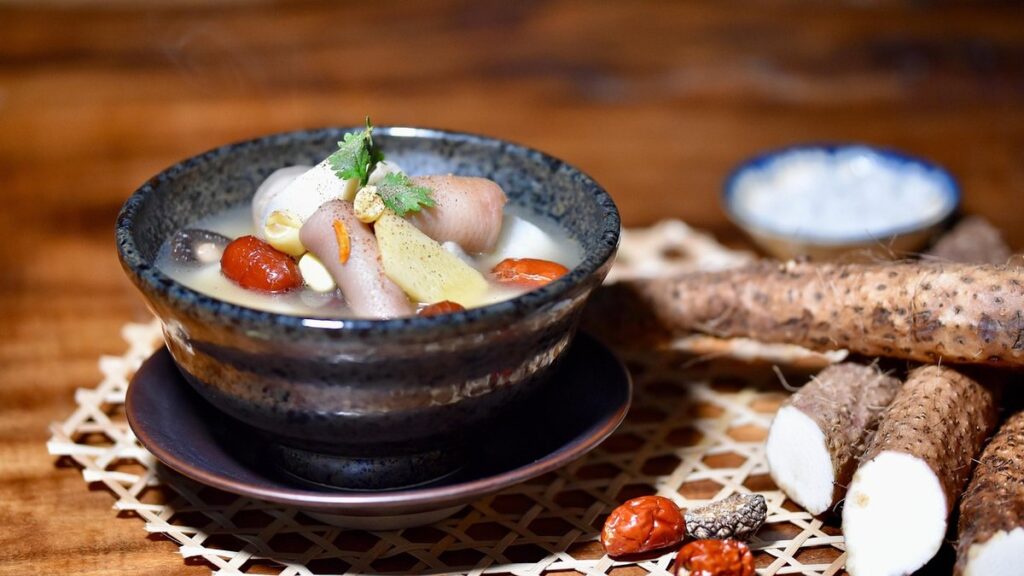
From a botanical standpoint, true yams belong to the Dioscoreaceae family, which includes about 600 species of root vegetables. Sweet potatoes, on the other hand, are part of the Convolvulaceae family. While both plants produce edible tubers, they have distinct differences in their morphology and physiology. True yams have thicker, hairier skin that’s often a darker color than sweet potatoes. They also tend to be more starchy and dry in texture.
Originating from Africa and Asia, true yams were brought to the Americas by African slaves and became a staple crop in many tropical regions. Sweet potatoes, native to the Americas, were domesticated by indigenous peoples long before European colonization. In contrast to sweet potatoes, which are typically smaller and more symmetrical, true yams can grow quite large and irregular in shape.
When shopping for yams at your local market, look for those with thick, rough skin and a dry, starchy texture. These characteristics will help you distinguish them from the sweeter, softer sweet potatoes that masquerade as yams in many supermarkets. By understanding the differences between these two plants, you’ll be better equipped to explore their unique culinary uses and traditions.
Common Misconceptions
You’ve likely encountered restaurants and recipes that use the terms “yam” and “sweet potato” interchangeably, but what’s the real deal? In popular culture, it’s common for people to assume that yams are a type of sweet potato or vice versa. This confusion is largely due to the fact that both vegetables are starchy roots with similar appearances.
However, true yams belong to the Dioscoreaceae family and are native to Africa and Asia. Sweet potatoes, on the other hand, are members of the Convolvulaceae family and are native to the Americas. The two plants have distinct differences in texture, taste, and appearance. True yams tend to be drier and starchier than sweet potatoes, with a more waxy texture.
When you’re shopping for true yams, look for them at specialty or international grocery stores that carry roots from Africa and Asia. If you can’t find true yams locally, consider substituting with Japanese sweet potatoes or Japanese yams, which have a similar texture to true yams.
History and Origins of True Yams
True yams have a rich history that spans thousands of years, with their origins dating back to ancient civilizations in Africa. Let’s dive into how these starchy roots became an integral part of many cultures worldwide.
Ancient Cultivation
True yams have a rich history of cultivation that spans thousands of years and multiple continents. Their origins can be traced back to Africa, where they were first domesticated around 1000 BCE. From there, they spread throughout the world through trade and cultural exchange. In West Africa, true yams were cultivated in small-scale farms and traded extensively along the Niger River delta.
As European explorers traveled to Africa, they discovered true yam cultivation and took cuttings back to their colonies in the Caribbean and South America. Over time, these introduced varieties spread throughout the Americas and became a staple crop in many tropical regions. Today, true yams are grown commercially in over 100 countries worldwide, with major producers including Nigeria, China, and Thailand.
True yam cultivation requires a subtropical climate with high temperatures and humidity levels, making it ideal for regions near the equator. By understanding their origins and spread, we can appreciate the culinary significance of true yams as an integral part of global food systems.
Cultural Significance
True yams have been an integral part of various cultures around the world for centuries. In West Africa, where they originated, true yams are not only a staple food but also a symbol of tradition and cultural identity. The Igbo people of Nigeria, for example, consider true yams to be a sacred crop, often incorporating them into their rituals and ceremonies.
In many societies, true yams have played a significant role in agricultural traditions. In the Caribbean, for instance, true yams were brought over by African slaves who cultivated them as a means of preserving their cultural heritage. Today, true yams remain an essential part of the region’s culinary identity.
The cultural significance of true yams extends beyond their nutritional value and culinary uses. They represent community, tradition, and resilience in the face of adversity. As you explore the world of true yams, remember to appreciate their rich history and cultural context. By doing so, you’ll not only be enjoying a delicious ingredient but also connecting with the people and traditions that have made true yams an integral part of our global culinary landscape.
Types of True Yams
True yams come in a variety of types, each with its own unique characteristics and uses in cooking. Let’s explore three popular types found around the world: the Hawaiian, Japanese, and West African true yam.
Cultivated Species
Among the many types of true yams, cultivated species play a significant role in various cuisines worldwide. One of the most widely grown is the purple yam (Dioscorea alata), commonly found in Southeast Asia and the Pacific Islands. Its rich, buttery flavor makes it an excellent choice for sweet dishes like desserts and side dishes.
The white yam (Dioscorea esculenta) is another popular variety, often used in African and Caribbean cuisines. Its mild taste allows it to be paired with a wide range of ingredients, from spices to herbs. In regions where these species are abundant, they’re often boiled or roasted as a staple food.
Some notable characteristics of true yams include their high starch content and low water absorption, making them ideal for boiling and frying. When selecting true yam varieties, consider the flavor profile you desire: sweet, nutty, or starchy.
In your kitchen, experiment with different cooking methods to bring out the unique taste of each cultivated species. Try boiling, roasting, or grilling purple yams to add a pop of color to your dishes. For white yams, boil them and mash as a side dish or roast them for a crispy exterior.
Wild Yam Varieties
Wild yam species are incredibly diverse, with over 600 known varieties worldwide. Some of the most commonly found wild yams include Dioscorea villosa, Dioscorea oppositifolia, and Dioscorea alata. These plants can be found growing in tropical and subtropical regions across Asia, Africa, and the Americas.
One of the most promising wild yam species for cultivation is Dioscorea composita, native to Central and South America. Its ability to thrive in a wide range of climates makes it an attractive option for farmers looking to cultivate true yams in areas with limited resources. In Southeast Asia, Dioscorea glabra is widely cultivated due to its high yields and adaptability to diverse soil types.
When considering cultivation, it’s essential to select varieties that are well-suited to your region’s climate and growing conditions. Research local wild yam species and experiment with different cultivars to find the one that works best for you. By doing so, you can unlock the potential of these versatile plants and enjoy a bountiful harvest of nutritious true yams in your backyard or community garden.
Health Benefits and Nutrition
True yams offer a rich array of health benefits, from high fiber content to antioxidant properties, making them an excellent addition to a balanced diet. Let’s explore how these nutrients can support your well-being.
Glycemic Index and Fiber Content
When it comes to true yams, one of the most significant health benefits is their impact on blood sugar levels. True yams have a low glycemic index (GI), which means they are digested and absorbed slowly by the body. This slow release of glucose into the bloodstream helps regulate blood sugar levels, making them an excellent choice for individuals with diabetes or those trying to manage their sugar intake.
In fact, true yams have a GI score of 50-60, which is significantly lower than many common root vegetables like potatoes (GI score: 70-110). This makes true yams an excellent addition to meals for people monitoring their carb intake. Additionally, true yams are rich in dietary fiber, containing both soluble and insoluble fiber. A single medium-sized true yam provides about 4 grams of fiber, which can help promote digestive health and satiety.
A diet that incorporates true yams can also provide a boost of essential minerals like potassium, magnesium, and iron. These nutrients are crucial for maintaining healthy blood pressure, supporting bone health, and preventing anemia. To incorporate true yams into your diet, try boiling or baking them as a side dish, or add them to soups and stews for added nutrition.
Antioxidant Properties
True yams are a nutrient-rich food that offers an array of health benefits due to their high content of antioxidants. Antioxidants play a crucial role in preventing chronic diseases by neutralizing free radicals that can damage cells and contribute to conditions such as cancer, heart disease, and cognitive decline. The rich antioxidant profile of true yams makes them an excellent addition to a balanced diet.
The primary antioxidants found in true yams include flavonoids, phenolic acids, and anthocyanins. These compounds have been shown to possess anti-inflammatory properties, which can help reduce the risk of chronic diseases. For instance, studies have demonstrated that the anthocyanin content in purple-fleshed true yams has potent antioxidant activity.
To reap the benefits of true yam’s antioxidant properties, incorporate them into your meals by boiling or roasting them as a side dish. You can also add them to soups and stews for added nutrition. With their rich flavor and versatility, it’s easy to make true yams a regular part of your diet.
Cooking and Preparation Methods
When it comes to cooking true yams, the methods can vary greatly depending on your desired texture and flavor. Here, we’ll explore popular techniques for preparing these starchy roots at home.
Traditional Recipes
When it comes to traditional cooking methods for true yams, there are several techniques that bring out their natural sweetness and depth of flavor. One of the simplest ways to prepare true yams is by boiling them until tender. This method helps retain their nutrients and can be done with minimal effort. To boil true yams, simply peel and chop them into bite-sized pieces, place them in a pot of salted water, and bring to a boil.
Another popular way to cook true yams is through roasting. Roasting brings out the natural sweetness in true yams, making them a delicious side dish for any meal. To roast true yams, peel and chop them into large chunks, toss with olive oil, salt, and your choice of herbs or spices, and roast at 400°F (200°C) until caramelized.
Frying is another option for cooking true yams, but it’s best suited for those who enjoy a crispy exterior. To fry true yams, peel and slice them into thin rounds, heat oil in a deep frying pan to the right temperature, and cook until golden brown. Whether boiled, roasted, or fried, traditional cooking methods can help you unlock the full flavor potential of true yams.
Modern Twists
In recent years, true yams have been gaining popularity in modern recipes, and for good reason. These starchy vegetables can add depth and complexity to a variety of dishes. One creative way to use true yams is in soups and stews. Try adding diced or pureed yams to a hearty winter stew or as a creamy base for a roasted butternut squash soup.
You can also experiment with baking true yams into sweet treats like cakes, muffins, and breads. Simply peel and dice the yam, then mix it with sugar, eggs, flour, and spices, and pour the mixture into a greased loaf pan or muffin tin. The resulting baked goods will be moist and subtly sweet.
Some innovative chefs are even using true yams as a substitute for traditional mashed potatoes in side dishes. To try this at home, simply boil diced yam until tender, then mash with butter, milk, and a pinch of salt and pepper.
Sustainability and Environmental Impact
As we explore the world of true yams, let’s also examine how these root veggies impact our planet – from cultivation to consumption. We’ll delve into their eco-friendly aspects.
Sustainable Farming Practices
When it comes to true yams, sustainable farming practices are not only essential for reducing the environmental impact but also for ensuring a bountiful harvest. True yam production can significantly benefit from adopting methods that promote biodiversity and minimize waste.
For instance, agroforestry practices, which involve integrating trees into farmland, can help maintain soil health, increase crop yields, and provide habitats for beneficial insects. This approach not only reduces the need for synthetic fertilizers but also helps to sequester carbon dioxide. In contrast, monoculture farming, where a single crop is grown on a large area, can lead to soil degradation and decreased biodiversity.
To promote sustainable true yam production, farmers can explore techniques like crop rotation, composting, and cover cropping. These methods help maintain soil fertility, reduce pests and diseases, and minimize the use of chemical pesticides and herbicides. By adopting such practices, true yam producers can not only contribute to environmental conservation but also enjoy healthier soils, improved yields, and a more resilient agricultural ecosystem.
Carbon Footprint
When it comes to true yams, their environmental impact is often overlooked. However, calculating their carbon footprint reveals an interesting picture. According to the United States Department of Agriculture (USDA), transporting a pound of true yams from the farm to the consumer generates approximately 6.1 pounds of CO2 equivalent emissions. This may not seem like a lot, but consider that the average American consumes around 7-8 pounds of sweet potatoes (including true yams) per year.
To put this into perspective, if every household in the US replaced their imported yams with locally grown alternatives, we could reduce our carbon footprint by approximately 20 million metric tons annually. To minimize the environmental impact of true yam cultivation and transportation:
* Choose locally sourced or organic yams to reduce transportation emissions
* Buy from farmers’ markets or join a community-supported agriculture (CSA) program to support sustainable farming practices
* Opt for smaller, more frequent purchases to avoid excessive packaging waste
* Consider growing your own yams at home using heirloom seeds and permaculture techniques
Frequently Asked Questions
How can I ensure the true yams I buy are actually from their native habitats?
If you’re purchasing true yams, look for labels that indicate they’ve been imported from Africa or Asia, where they’re commonly cultivated. Some companies may also provide information on their sourcing and supply chain. Additionally, consider buying from local farmers who specialize in growing true yams.
Can I grow my own true yams at home, even if I don’t have a lot of space?
Yes, some varieties of true yams are compact and suitable for container gardening or small spaces. You can research specific cultivars that thrive in your climate and soil type, and follow the necessary steps to propagate them from tubers.
What’s the best way to store true yams to keep their nutritional value intact?
To preserve the nutrients and freshness of true yams, store them in a cool, dark place with good ventilation. You can also refrigerate or freeze them, but be sure to wash and dry them thoroughly before storing. For longer-term storage, consider burying them in sand or straw.
How do I choose between different types of true yams for cooking?
The choice of true yam variety depends on your desired flavor profile, texture, and cooking method. If you prefer a sweeter taste, opt for the ‘Dioscorea alata’ variety. For a starchier texture, try ‘Dioscorea esculenta’. Research specific recipes and their recommended true yam varieties to make informed choices.
Are there any potential health risks associated with consuming true yams?
No, true yams are generally considered safe for consumption and offer numerous health benefits due to their rich nutrient profile. However, individuals with certain allergies or sensitivities should exercise caution when introducing new foods into their diet. If you have concerns, consult a healthcare professional or registered dietitian for guidance.