
Are you ready to dive into the fascinating world of tropical milkweed? This incredible plant is not only a vital food source for monarch butterflies, but it also holds medicinal properties and plays a crucial role in maintaining ecological balance. As a gardener or nature enthusiast, growing tropical milkweed in your garden can be a rewarding experience that supports the conservation of these majestic creatures.
In this article, we’ll take you on a journey to explore the unique characteristics of tropical milkweed, its significance in medicinal and ecological contexts, and provide step-by-step guidance on how to grow it successfully. Whether you’re an experienced gardener or just starting out, you’ll learn valuable tips and tricks for cultivating this vital plant in your garden and contributing to monarch butterfly conservation efforts.
What is Tropical Milkweed?
Tropical milkweed, also known as Asclepias curassavica, is a popular ornamental plant that’s often grown in gardens and landscapes. Let’s dive into its unique characteristics and benefits for butterflies and bees.
Characteristics and Identification
Tropical milkweed (Asclepias curassavica) is a vibrant and distinctive plant that’s easily recognizable. One of its most notable characteristics is its growth habit: it can grow quite tall, typically reaching heights between 2-6 feet (60-180 cm), with a spread of around 1-3 feet (30-90 cm). The plant has a shrub-like appearance, with multiple stems that branch out from the base.
The leaves of tropical milkweed are pinnately compound, meaning they have leaflets arranged on either side of a central stem. Each leaflet is lance-shaped and pointed at the tip, typically measuring 2-4 inches (5-10 cm) long and 1 inch (2.5 cm) wide. The leaves are usually dark green in color with a waxy texture.
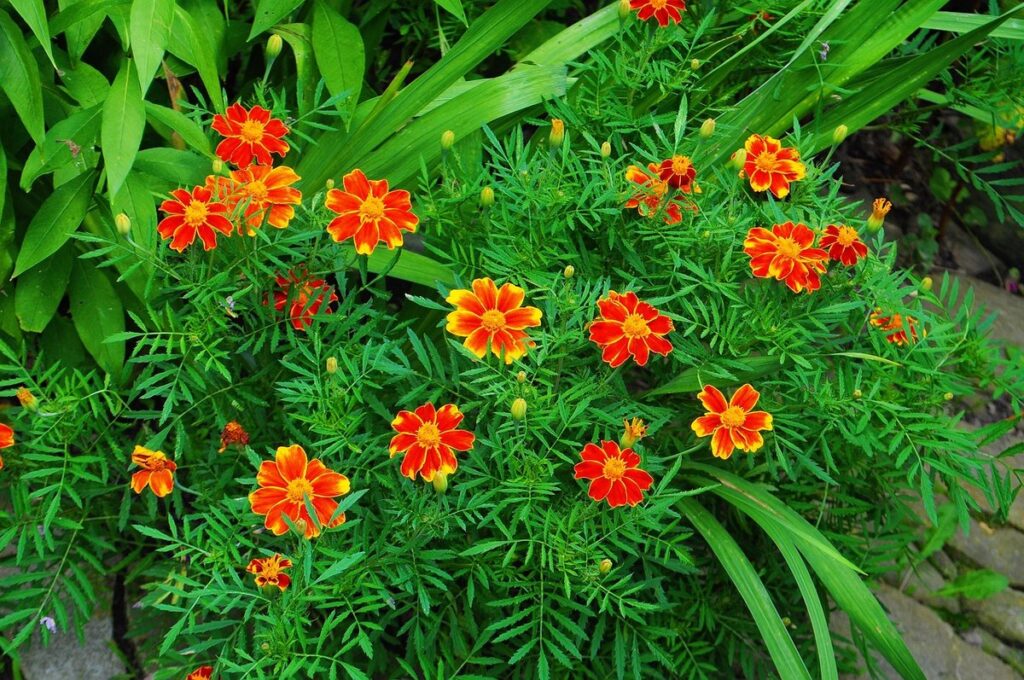
The flowers of tropical milkweed are its most striking feature: bright orange or yellow clusters that bloom from mid-spring to early fall. Each flower is shaped like a crown, with five petals that curve back and away from the central stem. The blooms are highly attractive to pollinators like butterflies, bees, and hummingbirds.
To identify tropical milkweed, look for its distinctive growth habit, compound leaves, and vibrant orange or yellow flowers. If you’re still unsure, check for the milky sap that’s present in most milkweed species – when cut or bruised, the plant releases a white latex.
Types of Tropical Milkweed
There are several types of tropical milkweed plants, each with its unique characteristics and growth patterns. One popular variety is Butterfly Tropical Milkweed (Asclepias curassavica ‘Butterfly’), known for its vibrant orange and yellow flowers that attract a wide range of butterfly species. This variety is particularly well-suited for warm climates and can grow up to 3 feet tall.
Another type is Gold Dwarf Tropical Milkweed (Asclepias curassavica ‘Gold Dwarf’), which is compact and reaches a height of about 1-2 feet. It has bright yellow flowers that are resistant to heat and drought, making it an excellent choice for areas with full sun and poor soil conditions.
The Hummingbird Tropical Milkweed (Asclepias curassavica ‘Hummingbird’) variety boasts large, fragrant flowers in shades of pink and red, which attract hummingbirds as well as butterflies. It can grow up to 4 feet tall and is suitable for USDA zones 9-11.
When selecting a type of tropical milkweed, consider factors such as climate, soil conditions, and the types of pollinators you want to attract. Choose a variety that suits your specific needs and provides the right amount of care and attention.
Benefits of Growing Tropical Milkweed
Growing tropical milkweed comes with a range of benefits, from attracting pollinators to providing vibrant foliage for your garden. Let’s explore some of these advantages up close.
Attracting Monarch Butterflies
As you cultivate tropical milkweed in your garden, you’re not only adding beauty and vibrancy to your outdoor space, but also becoming a crucial stop on the migratory route of one of North America’s most iconic insects: the monarch butterfly. Tropical milkweed serves as an essential food source for these magnificent creatures during their incredible journey from Canada to Mexico each year.
Tropical milkweed is particularly vital because it provides nectar, a rich source of energy, and host plants for monarch caterpillars, which can’t survive without it. In fact, studies have shown that monarchs that feed on tropical milkweed have higher survival rates than those that don’t. To create a monarch-friendly garden, be sure to plant multiple clusters of tropical milkweed, as these butterflies tend to congregate in areas with an abundance of nectar sources.
When planting for monarchs, also consider incorporating other butterfly-friendly plants like zinnias and cosmos. These flowers will provide a constant supply of nectar, allowing your visitors to fuel up for their long journey.
Other Insect-Related Benefits
In addition to monarch butterflies, tropical milkweed attracts a variety of other beneficial insects that can enrich your garden ecosystem. Hummingbirds, for instance, are drawn to the nectar-rich flowers of tropical milkweed, providing a vital source of energy and hydration as they fuel their high metabolic rates.
Bees, too, are frequent visitors to tropical milkweed, collecting pollen and nectar from its vibrant blooms. In fact, studies have shown that tropical milkweed is a preferred host plant for certain species of butterflies, such as the cloudless sulphur and the orange sulfurs. By incorporating tropical milkweed into your garden, you can create a haven for these beneficial insects, supporting their life cycles and contributing to the overall biodiversity of your outdoor space.
To maximize the benefits of tropical milkweed in attracting hummingbirds and bees, consider planting multiple specimens throughout your garden, allowing them to bloom continuously from spring through fall. This will provide a consistent source of nectar and pollen, ensuring that these important pollinators have access to the resources they need to thrive.
Medicinal Uses of Tropical Milkweed
In traditional medicine, tropical milkweed has been used for centuries to treat various ailments. One of its most notable applications is as a fever reducer and pain reliever. In folk remedies, the plant’s leaves and stems are often boiled or made into a tea to help alleviate symptoms associated with fever, such as sweating and headaches.
Tropical milkweed contains compounds like flavonoids and alkaloids that have anti-inflammatory properties, which can contribute to its pain-relieving effects. For instance, studies on similar plants in the Asclepias genus have shown that their extracts exhibit analgesic activity. To make a tropical milkweed tea, you can steep 1-2 teaspoons of dried leaves or stems in a cup of boiling water for 5-7 minutes.
When using tropical milkweed for medicinal purposes, it’s essential to exercise caution and consult with a medical professional, especially if you’re pregnant, breastfeeding, or taking any medications. Additionally, be aware that the plant contains toxic compounds called cardenolides, which can be harmful in large quantities. As with any herbal remedy, proper preparation and dosing are crucial to ensure safety and effectiveness.
Growing and Caring for Tropical Milkweed
To grow and thrive, tropical milkweed requires specific care and attention. Learn how to provide the perfect environment for your plant’s growth and success in this essential guide.
Planting and Propagation
When planting tropical milkweed, choose a location that receives full sun to partial shade and has well-draining soil. This is crucial as it will prevent waterlogged conditions that can lead to root rot. If you’re using container-grown plants, select pots with at least 6-8 inch depth to accommodate the plant’s extensive taproot.
Soil quality plays a significant role in your tropical milkweed’s success. Aim for a mix rich in organic matter and slightly acidic pH (around 6.0). Avoid using garden soil as it may contain weed seeds, pests, or diseases that can harm your new plants.
To propagate tropical milkweed, you have two primary options: seed and stem cuttings. Sow seeds directly into well-draining seed trays filled with a good quality potting mix in late spring to early summer when the weather is warm. Stem cuttings can be taken from mature plants in fall or early spring, rooting them in a propagation tray before transplanting outside.
Moisture levels should be maintained at around 1-2 inches per week for optimal growth and flowering. Avoid frequent watering as this may cause root rot; instead, water deeply but infrequently to encourage deep taproot development.
Watering and Fertilization Needs
Watering tropical milkweed requires attention to its specific needs. Unlike other plants that thrive in dry conditions, tropical milkweed prefers consistent moisture, especially during the first year after planting. To ensure it gets enough water, aim for about 1-2 inches of rainfall or irrigation per week. This can be achieved by watering once a week during hot and dry weather.
During its active growth phase, typically from spring to fall, tropical milkweed needs more frequent watering. Water when the top 1-2 inches of soil feels dry to the touch. Avoid overwatering, which can lead to root rot and other problems. In extreme heat or drought conditions, increase watering frequency to every 4-5 days.
Keep in mind that tropical milkweed has a high water requirement compared to other milkweed species. This is because it’s native to tropical regions with ample rainfall. When fertilizing, choose balanced, water-soluble options and follow the manufacturer’s instructions for application rates.
Common Pests and Diseases
Tropical milkweed plants are susceptible to various pests and diseases that can significantly impact their health and overall well-being. Some common pests that affect tropical milkweed include aphids, whiteflies, and caterpillars. Aphids can be identified by their small, soft bodies and the sticky substance they produce on the leaves. Whiteflies are tiny flying insects that feed on plant sap, causing damage to the foliage.
To prevent infestations, ensure good air circulation around the plants, avoid overwatering, and use neem oil or insecticidal soap as a natural deterrent. Regularly inspect your plants for signs of pests and take action promptly if you notice any issues.
Some common diseases that affect tropical milkweed include powdery mildew and root rot. Powdery mildew can be identified by its white, powdery coating on the leaves. To prevent this disease, ensure good air circulation around the plants and avoid overhead watering. If you do encounter an infestation or infection, treat with fungicides specifically designed for plant diseases.
By being aware of these potential issues and taking preventative measures, you can help protect your tropical milkweed plants from pests and diseases.
Tropical Milkweed in the Wild
When foraging for tropical milkweed, it’s essential to understand its natural habitats and how it grows in the wild. Let’s explore where you can find this plant in its native state.
Habitat and Distribution
In its natural habitat, tropical milkweed (Asclepias curassavica) can be found thriving in warm and sunny environments. This native range includes parts of Central and South America, Mexico, and the Caribbean. The plant has adapted to grow in a variety of settings, from coastal areas with high humidity to inland regions with dry climates.
Tropical milkweed is often found growing near water sources, such as rivers, lakes, and wetlands. However, it can also be spotted growing in disturbed areas, including abandoned fields and roadsides. Its ability to tolerate a range of soil types and moisture levels has contributed to its widespread distribution.
As tropical milkweed continues to spread beyond its native range, concerns have been raised about its invasive potential. In regions where it is not natively found, such as the southeastern United States, the plant can outcompete native species for resources and habitat space. If you’re considering growing tropical milkweed in your area, be aware of local regulations regarding invasive species and take steps to prevent its spread into neighboring ecosystems.
Ecological Impact on Native Ecosystems
The presence of non-native tropical milkweed in wild areas can have devastating effects on local ecosystems. One significant issue is the competition for resources between this invasive plant and native species. Tropical milkweed aggressively outcompetes native plants for water, nutrients, and light, ultimately leading to a decline in their populations.
As a result, the loss of biodiversity occurs as native species are pushed out by this aggressive invader. This has been observed in various regions where tropical milkweed has become naturalized, including parts of North America. For instance, in some areas of Texas and Florida, tropical milkweed has crowded out native milkweed species that monarch butterflies rely on for survival.
Native ecosystems are also threatened by the spread of tropical milkweed due to its ability to produce large amounts of seeds, which can be dispersed over long distances. This facilitates rapid colonization of new areas, further contributing to the decline of native species and altering ecosystem dynamics. It’s essential to exercise caution when cultivating or propagating tropical milkweed, taking steps to prevent its spread into the wild and protect local biodiversity.
Historical and Cultural Significance of Tropical Milkweed
Tropical milkweed has played a vital role in various cultures for centuries, not only as a medicinal plant but also as a symbol of spirituality and creativity. We’ll delve into its rich history and significance.
Traditional Use in Folk Medicine
In various cultures and societies around the world, tropical milkweed has been used for centuries in traditional folk medicine to treat a range of ailments. In some Native American tribes, it was believed to have antiseptic properties and was used topically to clean wounds and prevent infection.
In India, where tropical milkweed is widely cultivated, it has been used for generations to treat skin conditions such as eczema and psoriasis. The plant’s sap is applied directly to the affected area to reduce inflammation and promote healing.
Tropical milkweed has also been used in traditional Chinese medicine to treat fever and rheumatism. In some African societies, it is believed to have anti-inflammatory properties and is used to treat arthritis and other joint-related disorders.
If you’re interested in using tropical milkweed for its medicinal properties, it’s essential to note that while it may be effective in treating certain conditions, its use should be approached with caution. Consult with a medical professional before using the plant medicinally, especially if you have any underlying health conditions or allergies.
Some ways to incorporate tropical milkweed into your folk medicine practice include infusing the leaves and flowers in oil to create a topical treatment, or making a tea from the leaves and flowers to promote overall well-being.
Symbolism and Meaning
Tropical milkweed has been imbued with rich symbolic meaning across various cultures, reflecting its remarkable adaptability and resilience. In many Latin American countries, the plant is revered as a symbol of hope and renewal, as it thrives in environments where other plants struggle to survive. This association with resilience is also reflected in its ability to regrow from cut stems, making it a popular choice for gardeners seeking low-maintenance beauty.
In some Native American cultures, tropical milkweed is seen as a representation of courage and determination. Its vibrant orange flowers are said to embody the strength and vibrancy of those who cultivate it. This connection to courage is also echoed in its ability to attract pollinators, such as monarch butterflies, which rely on the plant’s nectar for survival.
As you grow tropical milkweed in your garden, consider embracing its symbolic meaning by acknowledging its resilience and adaptability. You can use this knowledge to inspire your own gardening practices, cultivating a sense of hope and renewal through the beauty of nature.
Conclusion
In conclusion, growing tropical milkweed can be a rewarding experience for gardeners of all levels. By understanding its unique characteristics, benefits, and care requirements, you’ll be well on your way to creating a thriving habitat for monarch butterflies. Remember to plant multiple individuals in your area to support the migratory needs of these majestic creatures.
As you begin growing tropical milkweed in your garden or community space, consider integrating it with other native species that provide nectar-rich flowers and shelter. This approach will not only enhance biodiversity but also create a haven for pollinators like monarchs. By doing so, you’ll be contributing to the long-term health of local ecosystems and promoting sustainable gardening practices.
Frequently Asked Questions
Can I grow tropical milkweed indoors, or is it exclusively for outdoor gardens?
Yes, you can grow tropical milkweed indoors in containers or greenhouses with proper care and lighting conditions. However, be aware that the plant’s growth habit and flowering performance might differ from its outdoor counterparts.
How do I protect my tropical milkweed plants from extreme weather conditions like frost and heatwaves?
Protect your tropical milkweed plants by providing shade during intense heatwaves and mulching around the base to retain moisture. For frost protection, consider bringing potted plants indoors or covering them with a breathable cloth during winter months.
Can I use tropical milkweed as a substitute for other milkweed species in monarch butterfly conservation efforts?
While tropical milkweed is beneficial for monarchs, it’s essential to note that it can be infected by the Ophryocystis elektroscirrha (OE) parasite. To avoid spreading this parasite to native milkweed populations, consider using other non-tropical milkweed species or growing tropical milkweed in isolated areas.
How often should I water and fertilize my tropical milkweed plants for optimal growth?
Water your tropical milkweed regularly during its first year of growth, but be cautious not to overwater. Fertilize the plant sparingly with a balanced fertilizer during the growing season (spring-fall). Reduce watering in winter months when the plant is dormant.
Can I propagate tropical milkweed from cuttings or divisions, or must I rely on seeds?
Yes, you can propagate tropical milkweed from stem cuttings or divisions. However, this method may be more challenging than seed propagation due to the risk of contamination and reduced germination rates. Seeds are often a reliable choice for propagating tropical milkweed in your garden or for conservation efforts.