
Are you tired of overcrowded gardens or struggling to make the most of your available space? Using trellis plants is an excellent solution that can breathe new life into your outdoor oasis. Not only do trellises provide a beautiful framework for climbing plants, but they also offer numerous benefits such as improved air circulation and reduced pest control issues. With expert advice on care and maintenance, you’ll learn how to make the most of this versatile gardening technique. In this article, we’ll explore the best practices for incorporating trellis plants into your garden design, from space-saving solutions to effective pest management strategies. Whether you’re a seasoned gardener or just starting out, you won’t want to miss these valuable tips and tricks for getting the most out of your trellis plants.
Benefits of Using Trellis Plants
Now that you’ve selected your trellis plants, let’s explore the many benefits they bring to your garden, from enhanced beauty to improved growth.
What Are Trellis Plants?
Trellis plants are a specific type of climbing plant that has been specifically bred to thrive on trellises and other supports. Unlike regular climbing plants, which can be trained to grow up walls or fences using their natural ability to twine around surfaces, trellis plants have undergone selective breeding to emphasize desirable traits such as compact growth habits, prolific flowering, and an intense desire to climb.
One of the key differences between trellis plants and regular climbing plants is their root system. Trellis plants typically have a more extensive root system that allows them to anchor themselves securely in the soil, making them less prone to toppling over in windy conditions. This also enables them to support larger blooms and heavier foliage, which can be a major advantage for gardeners who want to create stunning displays of color.
When choosing trellis plants for your garden, look for varieties that are specifically labeled as “trellis-friendly” or “cascading.” These plants have been bred to produce long stems with small leaves or blooms, allowing them to spill over the edges of containers and trellises in a beautiful, flowing manner.
Advantages of Using Trellis Plants
Using trellis plants can bring numerous advantages to your garden. For one, they are incredibly space-efficient. By growing vines and climbing plants up a trellis, you can make the most of even the smallest spaces, perfect for urban gardens or compact plots. This not only saves room for other plants but also creates a visually appealing display.
Another benefit of using trellis plants is pest control. Many climbing plants have natural defense mechanisms that repel pests and diseases, reducing the need for pesticides and other chemicals. For example, certain species of clematis and honeysuckle emit strong scents that deter aphids and whiteflies. By incorporating these plants into your garden, you can create a balanced ecosystem that minimizes the risk of pest infestations.
Trellis plants also promote improved plant growth by providing support for sprawling stems and branches. This helps to direct energy towards foliage production rather than stem elongation, resulting in healthier and more robust plants. With proper care and pruning, trellis plants can thrive, adding structure and beauty to your garden while keeping it thriving and pest-free.
Popular Types of Trellis Plants
If you’re looking for inspiration, let’s explore some popular trellis plants that are perfect for adding a touch of beauty and elegance to your garden. From roses to clematis, there are many stunning options to choose from.
Climbing Roses
When it comes to trellises, climbing roses are a timeless and elegant choice. With their lush foliage and vibrant blooms, they add a touch of sophistication to any garden. If you’re looking to grow climbing roses on your trellis, there are several varieties that excel in this role.
Some popular options include ‘New Dawn’, ‘Zephirine Droughin’, and ‘Climbing Iceberg’. These roses require well-draining soil and full sun to partial shade to thrive. They also benefit from regular watering, fertilization, and pruning to encourage new growth and blooming.
To ensure your climbing roses perform optimally on your trellis, be sure to choose a location with good air circulation to prevent disease. Regularly inspect your plants for signs of pests or disease and take action promptly if necessary. With proper care and maintenance, your climbing roses will provide stunning blooms and beauty to your garden for years to come.
Keep in mind that some climbing rose varieties may require more support than others as they grow. Consider using a trellis system with adjustable supports to accommodate the needs of your plants.
Clematis
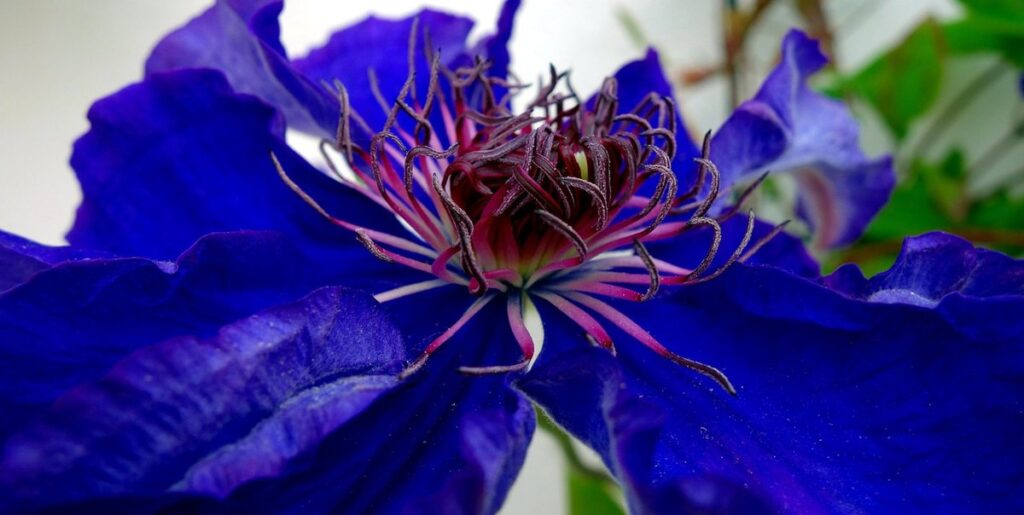
Clematis is one of the most popular and versatile trellis plants, offering stunning blooms in a range of colors from white to purple. With over 300 species to choose from, you’re spoiled for choice when it comes to selecting a clematis that suits your garden’s needs.
Some popular varieties include Clematis montana, which produces masses of small white flowers in late spring and early summer, while Clematis armandii is prized for its evergreen foliage and clusters of fragrant white blooms in winter. On the other hand, Clematis viticella offers a profusion of dainty, bell-shaped flowers from mid to late summer.
When it comes to pruning, clematis require regular maintenance to promote healthy growth and encourage blooming. Prune your clematis in late winter or early spring, cutting back dead stems and reducing the plant’s height by about one-third. Deadheading after flowering can also help stimulate a second bloom later in the season.
To get the most out of your clematis, remember to provide them with a trellis or support as they grow, and keep their roots cool and moist but not waterlogged. With proper care and attention, these beautiful flowers will thrive on your trellis and become a stunning focal point for your garden.
Trumpet Vine (Campsis radicans)
Trumpet vine (Campsis radicans) is a popular choice for trellises due to its vibrant flowers and rapid growth. To grow this plant on a trellis, start by selecting a location that receives full sun to partial shade, as it prefers well-draining soil and high temperatures.
In terms of hardiness zones, trumpet vine can thrive in USDA zones 4-9, making it an excellent option for gardeners in warmer climates. When planting, space the vines about 3 feet apart to allow for adequate air circulation and growth.
Specific care requirements include regular watering, as the plant prefers moist soil but can be susceptible to root rot if overwatered. Additionally, provide a trellis or support system early on, as the vine can grow up to 40 feet in a single season. Prune regularly to maintain shape and encourage new growth. With proper care and attention, trumpet vine will produce an abundance of bright orange flowers that attract hummingbirds and other pollinators, adding beauty and life to your garden.
Trellis Plant Care and Maintenance
To keep your trellis plants thriving, it’s essential to understand their specific care requirements and learn how to maintain them properly throughout each growing season. We’ll walk you through these crucial steps next.
Providing the Right Conditions
When choosing trellis plants for your garden, it’s essential to provide the right conditions for them to thrive. This means considering their specific needs when it comes to sunlight, water, and soil.
Sunlight is a critical factor in determining which trellis plants will do well in your garden. Some plants, like clematis and passionflower, require full sun (six hours of direct sunlight) while others, such as morning glories and sweet peas, prefer partial shade. Make sure to research the specific sunlight requirements for the plant you’ve chosen.
Watering needs also vary greatly among trellis plants. Some plants, like ivy and honeysuckle, are drought-tolerant and can survive with minimal watering while others, such as grapevines and kiwi, require regular moisture. Be sure to water your trellis plants when the top inch of soil feels dry to the touch.
Soil quality is also crucial for healthy growth. Most trellis plants prefer well-draining soil that’s rich in organic matter. Avoid using heavy clay or sandy soils as they can be detrimental to plant health. By providing your trellis plants with the right conditions, you’ll set them up for success and enjoy a bountiful harvest.
Training and Pruning
Training and pruning are essential tasks to promote healthy growth, blooming, and maximize space usage for trellis plants. Regular training helps maintain a balanced structure and encourages vertical growth, while pruning ensures the plant’s energy is directed towards flowering or fruiting.
When training trellis plants, start by providing support using twine, wire, or stakes. As the plant grows, gently tie the stems to the trellis using soft materials like cotton or nylon. Be gentle, as rough ties can damage the stem. For climbing plants like clematis and roses, train the stems along the trellis by wrapping them around the supports.
Pruning involves removing dead, diseased, or damaged growth to promote healthy new growth. Remove any weak or spindly shoots to direct energy towards flowering or fruiting. Prune in late winter or early spring before new growth begins. Cut back overgrown stems by one-third to one-half of their length. For example, prune a 6-foot rose stem down to 4 feet for bushy growth and more blooms. Pruning helps control the plant’s size, shape, and encourages blooming, making it an essential part of trellis plant care.
Trellis Plant Combinations and Ideas
Now that you’ve selected your trellis, it’s time to think about which plants will thrive on its vertical space. Let’s explore some trellis plant combinations to take your garden to the next level.
Companion Plants for Trellises
When it comes to choosing companion plants for trellises, the right selection can make all the difference. Not only do they enhance the beauty of your garden, but also provide a more functional and thriving space. For instance, consider pairing flowering vines like clematis or honeysuckle with compact, fragrant herbs like rosemary or thyme.
These combinations not only create a visually appealing contrast but also attract pollinators and other beneficial insects. For example, the sweet fragrance of roses can entice bees to visit your garden, while nearby plants like lavender and chamomile repel pests that might harm your trellis plants.
Other companion plant options include leafy greens like lettuce or kale, which provide a pop of color and texture amidst the lush foliage of vines. Just be sure to choose varieties with similar growing conditions and space requirements to ensure harmonious coexistence.
Some popular companion plant pairings for trellises include:
• Sweet peas with nasturtiums
• Hydrangeas with ferns
• Passionflowers with creeping thyme
By thoughtfully selecting companion plants, you can create a thriving and visually stunning garden that showcases the beauty of your trellis plants.
Decorative Trellis Ideas
When it comes to adding a decorative touch to your garden, trellises can be more than just a functional support for climbing plants. They can also become a beautiful focal point that adds visual interest and depth to your outdoor space.
Consider transforming your trellis into an arbor by adding lush greenery or vibrant flowers on both sides of the structure. This not only provides a romantic ambiance but also creates a sense of seclusion, making it perfect for a garden entrance or pathway. For example, you can train roses or clematis to grow up the arbor, creating a stunning display of color and fragrance.
Another creative idea is to use your trellis as an obelisk planter by attaching planters or containers to its sides. This allows you to add a pop of color and texture to your garden while keeping your plants organized and easy to maintain. You can choose from a variety of materials, such as terracotta pots or hanging baskets, to create a unique look that complements your trellis.
You can also get creative with topiary shapes by using your trellis as a frame for trained shrubs or hedges. This adds a touch of whimsy and playfulness to your garden design while also providing a functional solution for boundary maintenance. Consider using boxwood or lavender for a classic look, or experiment with more unusual varieties like succulents or creeping thyme.
By repurposing your trellis in this way, you can create a beautiful and unique garden feature that showcases your creativity and attention to detail.
DIY Trellis Plant Projects
Now that you’ve chosen your trellis plants, let’s get creative and build a beautiful DIY trellis to showcase them in your garden. We’ll walk through three easy projects to try at home.
Building a Trellis from Scratch
Building a trellis from scratch can be a fun and rewarding DIY project that adds a personal touch to your garden. Before you begin, decide on the size of your trellis based on the space where it will sit and the type of plants you plan to use. Consider the height, width, and depth to ensure it complements your garden’s design.
Choose materials that are durable, weather-resistant, and suitable for outdoor use. Wood is a popular choice, but metal or bamboo can also work well depending on your style. Make sure to select boards or panels that are straight and free of knots to ensure stability.
Design your trellis with functionality in mind. Think about the type of plants you’ll be using – climbing roses, clematis, or morning glories – and design the structure accordingly. For a more rustic look, consider adding decorative elements like lattice work or wooden carvings.
When assembling your trellis, start by building the frame and then add the panels or boards. Use screws or nails to secure them in place, making sure they’re level and plumb. Add any additional details like finials or corner supports before finishing with a coat of paint or sealant. With these steps, you’ll have a unique trellis that complements your garden’s beauty and adds support for your trellis plants.
Repurposing Old Items for Trellises
When it comes to creating trellises for your garden, why not think outside the box and repurpose old items instead of buying new ones? You’ll not only be reducing waste but also adding a unique touch to your outdoor space. Old wooden lattices, wire mesh screens, or even an old pallet can become the perfect DIY trellis.
For example, take an old wooden ladder and attach some string lights for a whimsical ambiance. Add some climbing plants like ivy or clematis, and you’ll have a stunning focal point in your garden. You can also use wire mesh screens to create a modern and sleek look by attaching them to a wooden frame or even a metal rod.
To give new life to old items, get creative with the materials you already have at home. Use some wire cutters to trim excess wire, drill holes for plant stems, or attach twine for hanging baskets. Don’t be afraid to mix and match different textures and patterns – it’s all about adding a personal touch to your garden design. With a little imagination, you can turn discarded items into one-of-a-kind trellises that will set your garden apart from the rest.
Common Problems with Trellis Plants and Solutions
While trellis plants can add beauty and structure to your garden, they’re not without their challenges. Let’s tackle some common problems and explore practical solutions together.
Pests and Diseases
As you tend to your trellis plants, it’s essential to be aware of the common pests and diseases that can affect them. These issues can quickly spread and cause significant damage if not addressed promptly.
Some common pests affecting trellis plants include aphids, whiteflies, and spider mites. To prevent infestations, ensure good air circulation around your plants by keeping them at a safe distance from each other and other obstructions. Regularly inspect your plants for signs of pest activity, such as sticky honeydew droplets or actual insects on the leaves.
As for diseases, powdery mildew is a prevalent issue that affects many types of trellis plants. This fungal disease can be prevented by providing adequate sunlight and ensuring good air circulation. If you notice white, powdery patches on your plant’s leaves, it may already be infected. To treat the disease, use a fungicide specifically designed for powdery mildew.
In addition to prevention and treatment, maintaining a balanced garden ecosystem is crucial in preventing pest and disease issues. Encourage beneficial insects like ladybugs and lacewings, which prey on common pests, by planting companion flowers nearby. This holistic approach will help keep your trellis plants healthy and thriving.
Troubleshooting Foliage Issues
When it comes to growing trellis plants, foliage issues can be frustrating and disappointing. However, many common problems have simple solutions. Let’s tackle some of the most frequent issues that affect trellis plant leaves.
Yellowing leaves are a common problem with trellis plants. This can be caused by overwatering, which leads to root rot and nutrient deficiencies. To prevent this, make sure to water your plants correctly – check the soil moisture before watering, and avoid getting water on the leaves to prevent fungal diseases. If you do notice yellowing leaves, trim them off to maintain the plant’s appearance and promote healthy growth.
Weak stems can be caused by insufficient light or poor air circulation. Ensure that your trellis plants receive enough sunlight – most varieties need at least 4-6 hours of direct sunlight per day. You can also improve air circulation around the plant by pruning nearby foliage or using a trellis with built-in ventilation.
Sparse growth is often due to inadequate nutrients. Use a balanced fertilizer, following the manufacturer’s instructions, to provide essential nutrients for healthy growth.
Conclusion
As you’ve made it to the end of this article, I hope you now have a clear idea of what trellis plants are suitable for your garden. Remember, the perfect trellis plant is one that fits your climate, available space, and personal style. Don’t be afraid to experiment with different types of vines or climbing flowers to see which ones thrive in your specific conditions. Consider combining multiple varieties to create a stunning display of color and texture.
To ensure your trellis plants flourish, make sure to provide them with the right amount of sunlight, water, and nutrients. Regular pruning will also help maintain their shape and encourage healthy growth. By following these simple tips, you’ll be on your way to creating a beautiful and unique trellis garden that brings joy and serenity to your outdoor space.
Frequently Asked Questions
Can I use trellis plants in containers or do they require a dedicated garden bed?
You can definitely use trellis plants in containers, making them an ideal choice for small spaces or balconies. Just ensure the container is at least 5-7 gallons in size to provide sufficient room for root growth and water retention.
How often should I fertilize my trellis plants for optimal growth and blooming?
Fertilize your trellis plants regularly, but not too frequently. Aim for a balanced fertilizer (10-10-10 NPK) applied once a month during the growing season (spring-fall). Avoid overfertilizing, as this can lead to weak growth and reduced blooming.
Can I combine different types of climbing plants on a single trellis?
Yes! Mixing and matching various climbing plants can add visual interest and create a dynamic display. Just be mindful of their growth habits, bloom times, and space requirements to ensure they complement each other harmoniously.
How do I prevent pests like aphids and whiteflies from infesting my trellis plants?
To minimize pest issues, maintain good garden hygiene by removing weeds and debris around the trellis. Regularly inspect your plants for signs of pests and treat promptly with organic or chemical controls as needed. Consider introducing beneficial insects like ladybugs to help regulate pest populations.
Can I train vining plants like clematis or wisteria to grow up a trellis without support?
While it’s technically possible, these vigorous growers require more substantial support to thrive. Use sturdy trellises or stakes to provide the necessary framework for their climbing stems and allow them to grow freely.