
Trees are often seen as mere backdrops for our daily lives, but did you know that some species boast stunning displays of color on their bark? These natural wonders not only add visual interest to landscapes but also play a vital role in our environment. Trees with colorful bark have adapted pigmentation to protect themselves from harsh conditions or attract pollinators – it’s a clever trick that has evolved over time. From the vibrant hues of the red maple to the mottled patterns on the grey birch, these trees are more than just pretty faces – they’re also indicators of environmental health and cultural significance. In this article, we’ll delve into the fascinating world of trees with colorful bark, exploring their role in nature, how to identify them, and tips for caring for these incredible specimens.
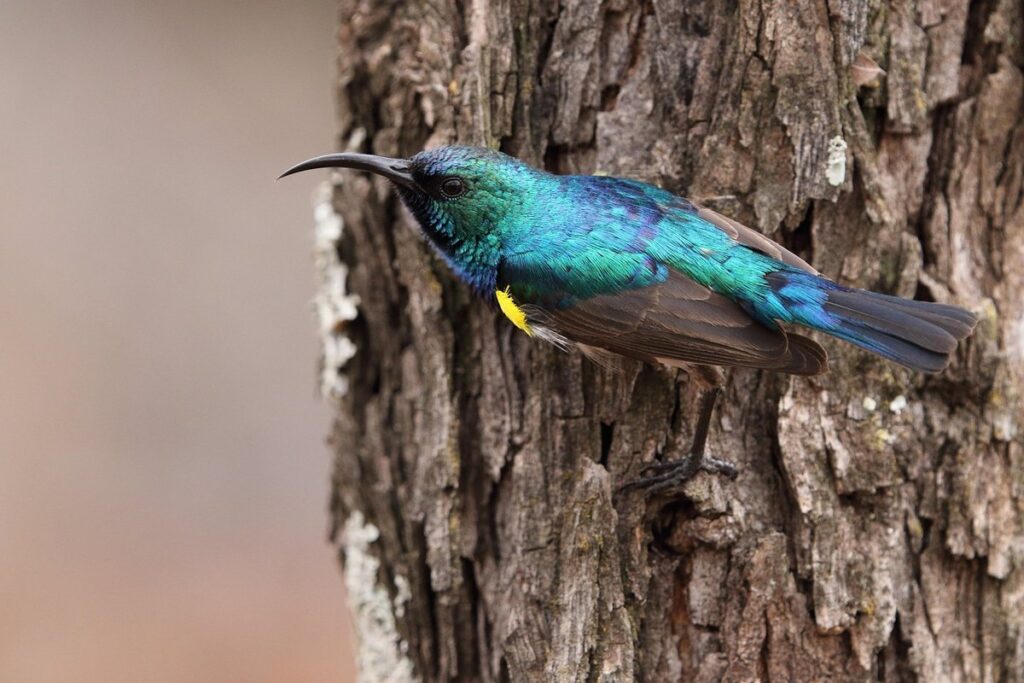
What Makes Tree Bark So Colorful?
The vibrant colors of tree bark are not just a pretty sight, but also a fascinating phenomenon that’s driven by a combination of genetic and environmental factors. Let’s explore what makes it happen!
The Role of Pigmentation
Tree bark coloration is often attributed to the presence of various pigments that help protect the tree from environmental stressors and regulate its growth. One of the primary pigments responsible for this phenomenon is chlorophyll, which absorbs sunlight and transfers it into chemical energy through photosynthesis. However, when sunlight is scarce or during periods of senescence (aging), chlorophyll production decreases, allowing other pigments to shine through.
Among these pigments are carotenoids, yellow-orange in color, and anthocyanins, responsible for red and purple hues. Carotenoids act as a shield against excessive light, protecting the tree’s sensitive cells from damage. In contrast, anthocyanins play a role in the tree’s defense mechanisms by attracting insects to sequester them or masking signs of illness to prevent herbivore attraction.
Different species exhibit varying concentrations and combinations of these pigments, resulting in the wide range of bark colors observed in nature. For instance, the paperbark maple displays vibrant red tones due to high anthocyanin levels, while the silver birch shows a striking white or creamy hue as its chlorophyll production wanes with age.
Incorporating such knowledge can help gardeners and arborists better understand their trees’ unique characteristics and take steps to maintain their health.
Environmental Factors Influencing Color
The colors of tree bark are not just aesthetically pleasing; they also offer clues to the trees’ surroundings. Environmental factors such as sunlight, temperature, and soil quality significantly impact the coloration of tree bark.
Sunlight exposure is a key factor in determining the intensity and hue of tree bark. For instance, eastern red maples (Acer rubrum) develop deeper colors on their north-facing trunks due to reduced sunlight exposure compared to their south-facing counterparts. Conversely, trees growing in areas with intense sunlight often develop lighter-colored bark as a protective mechanism against excessive radiation.
Temperature fluctuations can also influence the color of tree bark. Cold temperatures may cause the death of outer layers, leading to a grayish appearance. On the other hand, warm temperatures accelerate cell growth, which can result in deeper, richer colors. Soil quality plays a lesser role but is still significant. For example, trees growing on nutrient-poor soils may develop lighter-colored bark due to reduced lignin production.
Identifying Trees With Vibrant Bark
When you’re out exploring nature, it can be tricky to identify trees with vibrant bark, especially when their leaves aren’t in season. This is where a closer look at the trunk and branches comes into play.
Notable Examples: Species with Distinctive Bark Patterns
One of the most exciting aspects of tree identification is recognizing the unique bark patterns that set certain species apart. Let’s take a closer look at three notable examples: the Paperbark Maple (Acer griseum), River Birch (Betula nana), and Black Acacia (Acacia melanoxylon). Each of these trees boasts striking bark colors that are sure to captivate.
The Paperbark Maple is renowned for its exfoliating, cinnamon-brown bark that peels away in large, papery sheets. This remarkable trait not only adds visual interest but also protects the tree from environmental stressors. In contrast, the River Birch boasts a distinctive white or cream-colored bark that often develops black spots as it matures. Its unique appearance makes it a standout in any woodland setting.
Meanwhile, the Black Acacia’s bark is characterized by its dark, almost black color with a smooth texture. As the tree ages, its bark becomes increasingly fissured and cracked, giving it a rugged appearance. When identifying these species, take note of their distinct bark patterns and consider factors like age, climate, and soil type to get a more accurate picture of each tree’s characteristics.
Regional Variations in Colorful Bark
When exploring trees with colorful bark, it’s essential to consider the impact of geographical location on their unique characteristics. Regional variations in coloration are significantly influenced by factors such as climate, soil type, and sunlight exposure.
For instance, in temperate zones like North America and Europe, tree species like the Paperbark Maple (Acer griseum) and the River Birch (Betula nana) display vibrant orange-brown bark. In contrast, tropical regions like Southeast Asia and Central Africa are home to trees with strikingly different color patterns. The Royal Poinciana (Delonix regia), found in India and Malaysia, boasts bright pinkish-red bark, while the African Mahogany (Khaya senegalensis) has reddish-brown bark.
Comparing regional differences highlights the role of climate and soil conditions on tree bark coloration. For example, trees growing in areas with high rainfall and warm temperatures tend to have more vibrant bark colors due to increased nutrient availability and UV radiation exposure. Conversely, trees in temperate zones may exhibit duller or more muted color tones due to harsher winters and reduced sunlight during winter months.
When identifying trees with colorful bark, consider the tree’s native habitat and growth conditions. This can help you narrow down potential species based on regional characteristics.
Cultural Significance of Trees With Colorful Bark
Throughout history, trees with colorful bark have played a significant role in various cultures around the world, holding spiritual and symbolic meanings that transcend their aesthetic value. We’ll delve into these cultural nuances next.
Symbolism and Folklore Surrounding Colorful Bark
In many cultures around the world, trees with colorful bark are not just admired for their aesthetic appeal but also revered for their spiritual and mystical properties. For instance, in some Indigenous Australian communities, the Eucalyptus delegatensis tree is considered a sacred site due to its vibrant orange-brown bark, which is believed to hold healing powers. Similarly, in Japan, the Paperbark Maple (Acer griseum) is cherished for its striking red bark, said to bring good luck and prosperity.
These associations are often rooted in folklore and mythology, passed down through generations as stories of magical powers and supernatural occurrences associated with these trees. For example, the Red Bark Willow (Salix alba) is believed by some to have the ability to ward off evil spirits, while others claim that its bark has medicinal properties that can cure ailments ranging from fever to skin conditions.
When exploring the symbolic significance of colorful bark, it’s essential to acknowledge and respect these cultural traditions. By doing so, we not only deepen our appreciation for these remarkable trees but also foster a sense of connection with the people who have revered them for centuries.
Artistic Depictions of Colorful Tree Bark
Artistic depictions of trees with colorful bark have been a recurring theme throughout history and across various cultures. From vibrant illustrations to poetic descriptions, these natural wonders have inspired countless works of art, literature, and music. Take the example of Japanese ukiyo-e woodblock prints, which often featured trees with bright, multicolored trunks. These prints not only showcased the beauty of nature but also symbolized the transience of life.
In literature, colorful tree bark has been a staple of descriptive passages in works like Tolkien’s Middle-earth. The author’s vivid descriptions of “mottled” and “frosted” tree trunks have become iconic representations of his fantastical world. If you’re looking to tap into this inspiration, try using sensory language to describe the textures and hues of colorful tree bark in your writing. For instance, you might compare the roughness of a birch’s white bark to the smoothness of a beech’s reddish-brown skin.
In music, trees with colorful bark have inspired songs like Joni Mitchell’s “Both Sides Now,” which features lyrics that evoke the image of a tree standing tall amidst changing seasons. When composing or playing music inspired by these trees, consider using rhythmic patterns that mirror the natural cycles of growth and decay in nature.
Maintenance and Care for Trees With Colorful Bark
To keep your colorful bark trees looking their best, regular maintenance is essential to prevent damage and promote healthy growth. This includes pruning, watering, and protecting from pests.
Tips for Preserving Natural Bark Colors
When it comes to preserving the natural colors of tree bark, it’s essential to take extra care during pruning and gardening activities. One way to minimize damage is by using the right tools. Opt for curved loppers or pruning saws specifically designed for cutting through thick bark without causing unnecessary stress to the tree.
Another crucial aspect is protecting the bark from extreme weather conditions. Harsh sunlight, heavy rainfall, and intense cold snaps can all take a toll on the bark’s color. To shield your tree from these elements, consider applying a thin layer of clear sealant or wax. This will not only protect the bark but also enhance its natural colors.
Regular watering is also vital in maintaining the health and vibrancy of your tree’s bark. Avoid overwatering, which can lead to fungal diseases that discolor the bark. Instead, water your trees deeply but infrequently to encourage deep root growth and a healthy bark color.
When pruning or repairing damaged bark, make clean cuts just above the affected area, using a sanitized tool to prevent infection. By following these simple steps, you’ll be able to preserve the natural colors of your tree’s bark for years to come.
How to Stimulate Color Development in Young Trees
When it comes to young trees with potential for colorful bark, stimulating color development is crucial for their overall health and aesthetic appeal. The first step is to provide optimal growing conditions, including adequate sunlight, water, and nutrient-rich soil. This will encourage healthy growth and promote the production of pigments responsible for the tree’s distinctive bark color.
As a general rule, trees with colorful bark thrive in well-draining acidic soils with a pH between 5.5 and 6.5. Mulching around the base of the tree can also help retain moisture and suppress weed growth. It’s essential to avoid overwatering, as this can lead to root rot and other problems.
To promote color development, prune your young tree regularly to encourage branching and expose more bark to sunlight. This will stimulate the production of anthocyanins, responsible for red, purple, and blue colors in the bark. Aim for a balanced fertilizer program, with a focus on micronutrients like magnesium and iron, which play a crucial role in pigment synthesis.
Monitor your tree’s response to these care practices, making adjustments as needed. With patience, attention to detail, and proper care, you’ll be rewarded with a vibrant display of color that will enhance the beauty of your landscape for years to come.
Frequently Asked Questions
Can I grow trees with colorful bark in my backyard?
Yes, you can! To do so, choose a tree species that is native to your region and has vibrant bark, such as the red maple or grey birch. Plant it in well-draining soil with full sun to partial shade, and water regularly during its first year of growth. With proper care, these trees will thrive and display their stunning bark colors for years to come.
How do I preserve the natural colors of my tree’s bark?
To maintain the vibrant colors of your tree’s bark, avoid using harsh chemicals or fertilizers that can damage the bark or alter its coloration. Instead, use eco-friendly gardening practices like mulching and composting to promote healthy growth. Also, consider pruning branches judiciously to allow sunlight to reach all areas of the tree.
Can I stimulate color development in young trees?
Yes, you can! Young trees with limited exposure to sunlight or nutrient deficiencies may not display vibrant bark colors right away. To stimulate color development, provide your young tree with adequate sunlight and water it regularly during its first few years of growth. You can also fertilize it with a balanced, slow-release fertilizer to promote healthy growth.
Are all trees with colorful bark equally beneficial for the environment?
Not exactly! While most trees with colorful bark are beneficial for the environment, some species may be more beneficial than others due to their unique adaptations and growth habits. For example, some trees with vibrant bark may have specialized roots that help retain soil moisture or absorb pollutants from the air.
Can I use the bark of colorful trees for art projects?
Yes, but be sure to check local regulations first! In many areas, it’s permissible to harvest small branches or pieces of bark for artistic purposes, as long as you follow sustainable harvesting practices and don’t harm the tree. However, always prioritize the tree’s health and safety when creating your art projects.