
Trees with white bark are some of nature’s most striking creations. Not only do they add visual interest to our landscapes, but they also play a vital role in supporting biodiversity and regulating climates. If you’ve ever spotted one of these majestic trees on a hike or drive through the woods, you’re probably wondering what makes them so unique. In this article, we’ll delve into the characteristics that set white-barked trees apart from their counterparts, exploring their ecological importance and cultural significance along the way. From identification tips to conservation efforts, we’ll cover everything you need to know about these remarkable trees and why they matter for our planet’s health. By the end of this journey, you’ll appreciate not only their beauty but also their crucial contribution to our environment.
Characteristics and Identification
Let’s get familiar with the distinctive characteristics that set a tree with white bark apart from others, making identification easier. Here are the key traits to look out for.
Physical Description of White-Barked Trees
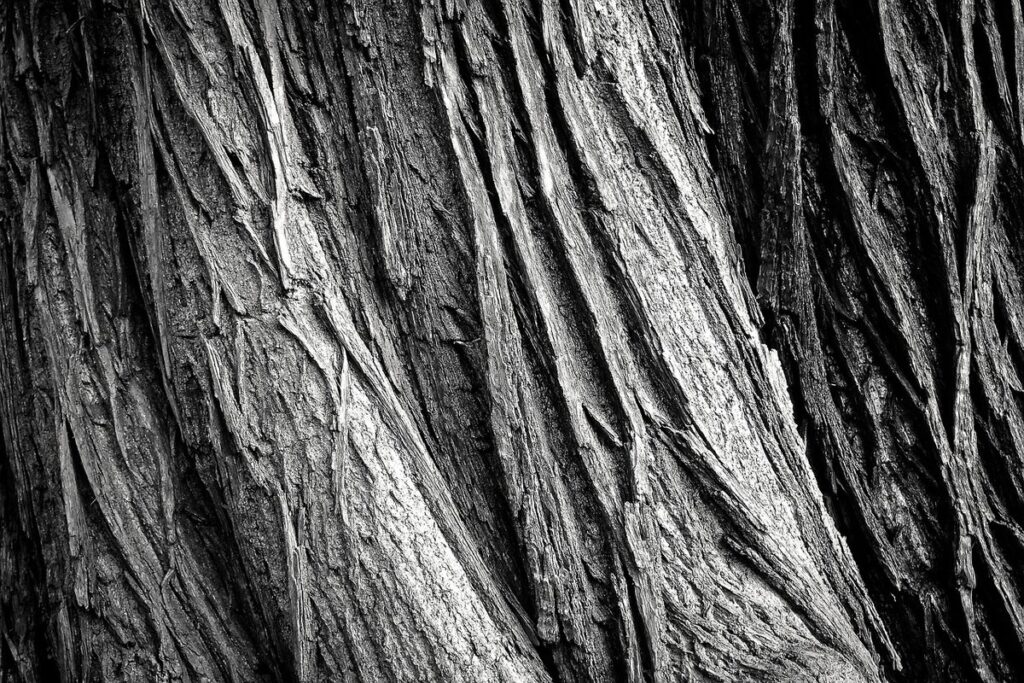
When it comes to identifying trees with white bark, one of the most distinctive physical features is, of course, their bark. The color of the bark can range from a pure white to a creamy off-white, and may even have a slight blue or gray undertone. In some cases, the bark may be speckled with patches of darker brown or tan, adding an extra layer of visual interest.
The texture of the bark is another key identifier, ranging from smooth and fibrous to rough and scaly. Some trees with white bark may have a distinctive pattern, such as vertical striations or horizontal ridges. For example, the paperbark maple (Acer griseum) has beautiful exfoliating bark that peels away in papery layers, revealing the smooth white underneath.
When examining the physical description of a tree with white bark, it’s essential to note the overall pattern and texture of the bark, as well as any distinctive features such as ridges or striations. By paying attention to these details, you can more accurately identify the specific type of tree you’re looking at.
Common Species with White Bark
One of the most distinctive features of trees with white bark is their varied habitats and growth habits. Among the most common species, the Paperbark Maple (Acer griseum) is a standout. Native to China’s mountainous regions, this deciduous tree thrives in cooler climates, often growing up to 30 feet tall. Its peeling, papery bark exfoliates in thin layers, revealing a smooth, grayish-brown surface underneath.
In North America, the Black Birch (Betula nana) and the River Birch (Betula noda) are also notable for their white bark. These small to medium-sized trees prefer well-drained soil and full sun, often found near water sources. The Black Birch’s dark green leaves and slender branches create a delicate, lacy appearance, while the River Birch boasts striking exfoliating bark that turns a reddish-brown hue with age.
The White Poplar (Populus alba) is another common species, with a broad distribution across Europe, Asia, and North America. This fast-growing tree can reach heights of over 60 feet, often growing in riparian zones or along roadsides. Its characteristic white bark peels off in large sections, leaving behind a smooth, gray surface.
When identifying trees with white bark, look for specific growth patterns, leaf shapes, and adaptations to local environments. For example, the River Birch’s papery bark is more pronounced near water sources, while the Paperbark Maple’s exfoliating bark may be more dramatic in cooler climates. By observing these characteristics, you can better understand the unique traits of each species and develop a deeper appreciation for the majesty of trees with white bark.
Distinguishing Features from Similar Trees
When venturing into the woods to spot trees with white bark, it’s easy to get confused with similar-looking species. To ensure accurate identification, let’s examine some distinguishing characteristics.
Firstly, note that trees with white bark often have a more irregular pattern compared to other species. For instance, the Paperbark Maple (Acer griseum) boasts a striking exfoliating bark that sheds in thin strips, whereas the White Birch (Betula papyrifera) has a smoother, whiter surface.
Pay attention to the tree’s leaves as well – some species with white bark have distinctive leaf shapes or arrangements. The Silver Maple (Acer saccharinum), for example, has large, palmate leaves with 5-7 lobes, whereas the River Birch (Betula nana) has smaller, double-toothed leaves.
To further narrow down your identification, observe the tree’s growth habits and habitat. Trees with white bark often thrive in moist environments, near water sources or on hillsides. By combining these characteristics, you’ll be better equipped to distinguish trees with white bark from similar-looking species and confidently identify the majestic tree you’re looking at.
Ecological Importance and Role in Ecosystems
Let’s take a closer look at how these incredible trees contribute to their ecosystems, supporting an array of plant and animal life.
Supporting Biodiversity
White-barked trees play a crucial role in supporting biodiversity by providing habitat and attracting various types of wildlife. These majestic trees offer food, shelter, and protection to numerous species, including birds, squirrels, and insects. The white bark itself provides a unique platform for lichens, mosses, and ferns to grow, adding to the tree’s biodiversity value.
In addition to their physical structure, white-barked trees also support biodiversity through their ecological processes. For example, they help maintain soil quality by stabilizing it with their extensive root systems, which in turn supports a wide range of microorganisms. This complex web of relationships between the tree, its roots, and the surrounding ecosystem is essential for maintaining a healthy balance of wildlife populations.
If you’re looking to support biodiversity in your own backyard or community forest, consider planting white-barked trees or creating a habitat for existing ones. By doing so, you’ll be contributing to the preservation of local ecosystems and providing a safe haven for native species.
Soil Health and Nutrient Cycling
White-barked trees play a vital role in maintaining soil health through their extensive root systems and leaf litter. These roots help to aerate the soil, allowing for better water penetration and gas exchange, which is essential for microbial activity. This, in turn, enhances nutrient cycling by facilitating the breakdown of organic matter into forms that can be used by trees themselves.
As leaves fall from white-barked trees, they add a rich layer of organic material to the soil surface. This leaf litter acts as a natural mulch, retaining moisture and suppressing weed growth. Over time, this accumulated leaf litter breaks down into humus, a nutrient-rich substance that improves soil structure and fertility.
To maximize the benefits of your white-barked tree’s contributions to soil health, consider incorporating compost or leaf mold into your garden beds. This will help to accelerate the process of nutrient cycling, allowing you to reap the rewards of improved soil quality more quickly. By leveraging the ecological importance of these majestic trees, you can create a thriving ecosystem that supports plant growth and biodiversity.
Climate Regulation and Carbon Sequestration
White-barked trees are not only visually striking but also play a vital role in regulating local climates and sequestering carbon from the atmosphere. Through their extensive root systems, these trees help to stabilize soil and prevent erosion, which can have a significant impact on nearby waterways and ecosystems.
In terms of climate regulation, white-barked trees provide shade, cooling the air through evapotranspiration and reducing the urban heat island effect. This is especially important in densely populated areas where the built environment can amplify temperature fluctuations. By creating microclimates, these trees help to moderate temperatures and create more livable spaces for both humans and wildlife.
In addition to their climate-regulating abilities, white-barked trees are also key players in carbon sequestration. These trees absorb carbon dioxide from the atmosphere through photosynthesis and store it in their biomass, soil, and other organic matter. In fact, a single mature tree can sequester up to 48 pounds of carbon per year, making them a crucial component in efforts to mitigate climate change.
Some species of white-barked trees are particularly effective at carbon sequestration due to their unique physiology. For example, the paperbark maple (Acer griseum) has a remarkable ability to absorb and store carbon through its extensive root system. By planting these and other white-barked tree species in your community or landscape, you can help to create a more sustainable future for generations to come.
Cultural Significance and Uses
As we delve into the fascinating world of trees with white bark, let’s explore their cultural significance and uses, which vary across different societies and traditions worldwide.
Traditional Medicine and Folklore
In many cultures around the world, trees with white bark have been revered for their medicinal properties and spiritual significance. The bark of these majestic trees has been used to treat a range of ailments, from fever and rheumatism to skin conditions and wounds. For example, in traditional Chinese medicine, the bark is believed to have anti-inflammatory properties and is often used to treat digestive issues.
In some Indigenous cultures, the tree’s white bark is considered a sacred plant, imbued with spiritual power and healing energy. In these communities, the bark is carefully harvested and prepared for medicinal use through a process of steaming or infusing in hot water. When used correctly, the bark can be an effective natural remedy for various health issues.
In folklore and mythology, trees with white bark often symbolize protection, purification, and spiritual growth. For instance, in some European traditions, the tree’s white bark is associated with the goddess of winter, while in others it’s linked to the mythical figure of the White Bear. While these stories may seem fantastical, they highlight the deep respect and reverence that many cultures have for these remarkable trees.
Timber and Wood Products
When it comes to using wood from trees with white bark, there’s no shortage of possibilities. One of the most significant advantages is its durability – making it an excellent choice for outdoor construction projects like decks, fencing, and even entire homes. For example, some species of birch, such as paper birch (Betula papyrifera), have a Janka hardness rating of 1,260 pounds per square inch, which is significantly higher than other popular hardwoods.
In addition to its durability, white-barked tree wood is also relatively easy to work with. Its straight grain and moderate density make it suitable for various woodworking applications, including furniture-making and cabinetry. What’s more, the unique aesthetic appeal of white bark adds a touch of elegance to any project. When choosing wood from trees with white bark, consider the specific species, as some may have a stronger or milder scent than others – this can be especially important when using the wood indoors.
If you’re planning to use white-barked tree wood for a project, it’s essential to properly season and dry the lumber before working with it. This will help prevent warping, cracking, or other issues that can arise from improper moisture levels.
Ornamental Value and Landscaping
Trees with white bark are highly valued for their unique ornamental characteristics, making them a sought-after addition to many landscapes. Their distinctive bark patterns add visual interest and depth to gardens, parks, and other outdoor spaces. The white bark’s striking appearance creates a beautiful contrast with the surrounding foliage, drawing attention to these majestic trees.
One notable example of a tree with stunning white bark is the paperbark maple (Acer griseum). Its exfoliating bark sheds in papery layers, revealing a smooth, creamy surface underneath. This remarkable growth habit makes it an attractive choice for ornamental landscaping. When selecting a tree with white bark for your garden, consider factors such as mature size, soil type, and sun exposure to ensure the best results.
To incorporate these trees into your landscape design, consider planting them near walkways or water features to showcase their unique bark patterns. This strategic placement will create an eye-catching focal point in your outdoor space.
Conservation Status and Threats
Unfortunately, many tree species with white bark are facing significant threats due to habitat loss and climate change, affecting their populations and ecosystems. We’ll take a closer look at these challenges next.
Habitat Loss and Fragmentation
White-barked trees are found in various ecosystems around the world, from boreal forests to tropical regions. However, their habitats are increasingly under threat due to human activities such as deforestation and urbanization.
Deforestation is a significant concern for white-barked tree populations. Large-scale logging and land clearance have led to the destruction of vast areas of forest, resulting in habitat loss and fragmentation. This not only affects the trees themselves but also the entire ecosystem they inhabit, including other plant and animal species that rely on these forests for survival.
Urbanization is another major threat to white-barked tree habitats. As cities expand, natural habitats are converted into residential and commercial areas, leading to further habitat loss. The destruction of natural habitats disrupts the delicate balance of ecosystems, making it challenging for white-barked trees and other species to adapt and survive.
To mitigate these impacts, it’s essential to adopt sustainable land-use practices that prioritize conservation. This can include measures such as reforestation efforts, wildlife corridors, and protected areas. By working together, we can help preserve the habitats of white-barked trees and ensure their continued survival for generations to come.
Climate Change and Disease Outbreaks
Climate change and disease outbreaks are two significant threats to white-barked tree populations worldwide. Rising temperatures and changing weather patterns have created an ideal environment for the spread of diseases that target these trees.
One notable example is the sudden ash dieback, a fungal disease caused by Hymenoscyphus fraxineus that has devastated ash tree populations in Europe and North America. White-barked trees like the Paperbark Maple (Acer griseum) are also susceptible to this disease.
In addition to disease outbreaks, climate change is causing white-barked trees to be more vulnerable to pests and droughts. Warmer temperatures have allowed insects like the emerald ash borer to thrive, further threatening tree populations.
To mitigate these threats, conservation efforts should focus on creating resilient ecosystems that can adapt to changing conditions. This includes planting disease-resistant tree varieties, promoting sustainable forestry practices, and supporting research into more effective management strategies. By taking proactive steps, we can help protect white-barked trees for future generations.
Efforts to Conserve and Protect White-Barked Trees
Efforts are underway to conserve and protect white-barked trees, which are vulnerable due to over-harvesting, disease, and climate change. For instance, the US Forest Service has implemented measures to monitor and manage forest health, including early detection of tree diseases. Additionally, organizations such as The Nature Conservancy have established programs to restore degraded habitats and promote sustainable land-use practices.
In regions like Europe and North America, some countries have laws in place to regulate the harvesting of white-barked trees, ensuring that these species are not over-exploited for their timber or decorative value. For example, in Germany, there is a ban on cutting down certain tree species during breeding seasons to prevent damage to young saplings.
Conservation efforts also involve educating local communities about the importance of preserving these unique ecosystems. By engaging in hands-on activities like tree planting and monitoring, community members can develop a sense of ownership and responsibility for protecting white-barked trees. Moreover, governments can work with researchers to identify areas where conservation efforts are most needed, focusing on regions with high levels of endemism.
You can contribute to these efforts by supporting organizations dedicated to preserving biodiversity or participating in local reforestation initiatives. By making informed choices as consumers and citizens, you can help safeguard the future of white-barked trees for generations to come.
Growing and Maintaining White-Barked Trees
To keep your beautiful white-barked trees thriving, you’ll need to understand their unique growing needs and learn some essential maintenance tips to prevent problems from arising.
Propagation Methods and Techniques
Propagation methods for white-barked trees can be a bit more challenging than other species, but with the right techniques and tools, you’ll be on your way to growing these majestic trees. One of the most common methods is through seed collection, which requires careful selection and handling of seeds from mature trees.
When collecting seeds, make sure to choose those that have a prominent white stripe or patch, as this indicates their genetic potential for developing white bark. You can collect seeds in the fall when they’re fully ripe, and store them in a cool, dry place until planting time.
To sow seeds, dig a shallow hole about two times the depth of the seed, and gently place it inside. Cover with a thin layer of soil and keep the area consistently moist. It’s essential to note that germination rates can be low for some white-barked species, so be patient and don’t discard any seeds too quickly.
Grafting is another popular method for propagating white-barked trees. This involves attaching a piece of stem (called a scion) from one tree to the root system of another (the rootstock). This technique allows you to combine the desirable traits of both parent plants, such as bark color and growth habits. When grafting, choose healthy scions with vigorous growth and suitable rootstocks that can support their development.
Some popular white-barked trees for propagation include birch, beech, and paperbark maple. These species are more forgiving than others when it comes to propagation methods, but it’s still crucial to research specific requirements for each tree variety you’re working with.
Soil Preparation and Care Requirements
When planting young white-barked trees, it’s essential to prepare the soil correctly to ensure their survival and healthy growth. This involves choosing a location with well-draining soil that is rich in organic matter. If your soil lacks these characteristics, consider amending it with compost or well-rotted manure.
Young white-barked trees require regular watering, especially during the first year after planting. However, overwatering can be detrimental to their health, so make sure not to waterlog the soil. A general rule of thumb is to provide about 1 inch of water per week, either through rainfall or irrigation.
In terms of fertilization, it’s best to use a balanced fertilizer during the growing season. Avoid using high-nitrogen fertilizers, as they can promote excessive foliage growth at the expense of root development. Instead, opt for slow-release fertilizers that provide nutrients over an extended period.
Mulching around the base of your tree is also beneficial in retaining moisture and suppressing weeds. However, keep the mulch layer thin, typically about 2-3 inches deep, to prevent it from touching the trunk of the tree.
Frequently Asked Questions
Can I grow white-barked trees in my own garden or backyard?
Yes, many species of white-barked trees are suitable for cultivation in home gardens or backyards. However, ensure you choose a species that thrives in your local climate and soil conditions. Research specific growing requirements, such as sunlight, watering, and fertilization needs, to provide optimal care for your tree.
How do I identify the age of a white-barked tree based on its bark?
To estimate the age of a white-barked tree, observe the thickness and texture of its bark. Younger trees typically have smoother, thinner bark that gradually thickens as they mature. You can also look for signs of past growth rings or scars from pruning.
Can I use white-barked trees for timber or wood products?
Yes, many species of white-barked trees are valued for their timber and wood products due to their durability, resistance to decay, and aesthetic appeal. However, it’s essential to consider the tree’s ecological importance and potential over-harvesting when deciding to use its wood.
What are some common pests or diseases that affect white-barked trees?
Some common pests affecting white-barked trees include scale insects, bagworms, and borers. Fungal diseases like powdery mildew, canker, and root rot can also impact these trees. Regular monitoring, pruning, and integrated pest management strategies can help mitigate these issues.
How do I participate in conservation efforts for white-barked trees?
Support organizations focused on tree conservation, plant native species with white bark, or volunteer in local reforestation projects to contribute to the preservation of these remarkable trees. You can also spread awareness about their ecological significance and promote sustainable practices in your community.