
Tree seeds are one of the most fascinating aspects of nature, with many species producing seeds that are miniature works of art. But did you know that some tree seeds can resemble spinning tops, complete with intricate designs and symmetries? These enigmatic seeds have captivated people for centuries, not just for their unique appearance but also for their cultural significance. In this article, we’ll delve into the world of “spinner-like” tree seeds, exploring their formation process, distinctive characteristics, and the role they play in various cultures around the globe. From ancient rituals to modern-day symbolism, these remarkable seeds hold secrets waiting to be unraveled. As we explore the wonders of these spinning seed marvels, you’ll discover just how fascinating and complex the natural world can be.
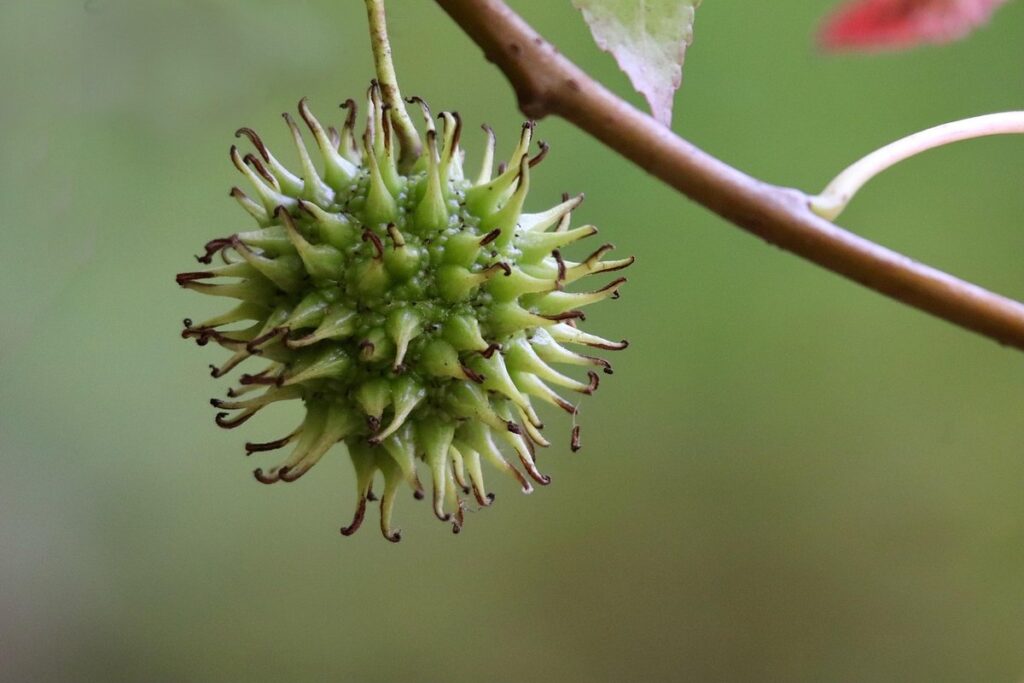
What Are Spinner Tree Seeds?
These fascinating seeds have gained attention for their unique, spinning appearance, but what exactly makes them tick? Let’s take a closer look at their characteristics.
Definition and Explanation
So, you’re wondering what exactly these “spinner tree seeds” are all about. Simply put, they’re tree seeds that resemble tiny spinning tops or toys, complete with intricate patterns and designs that make them look like miniature versions of the classic children’s toy.
One of the most distinctive characteristics of spinner tree seeds is their unique shape, which can vary from one species to another. Some have a rounded body with pointed ends, while others are more elongated or even shaped like tiny bells. But regardless of their shape, all spinner tree seeds share a common trait: they’re designed for aerodynamics.
When you hold a spinner tree seed in your hand, it’s hard not to be reminded of the popular toy. And that’s exactly why these seeds got their name – because they look and even move like spinning tops! In fact, some species of trees will actually drop their seeds with a tiny bit of rotation, making them spin gently through the air before landing on the ground.
This remarkable design is not just for show; it serves an important purpose. By creating seeds that are designed to spin and twirl, nature ensures that they’ll be dispersed far and wide, giving those trees a better chance at spreading their roots and growing in new areas.
Types of Trees That Produce Spinner Seeds
When it comes to spinner seeds, several tree species stand out for their unique and fascinating seed pods. One such example is the Sausage Tree (Kigelia pinnata), native to tropical Africa and parts of India. Its massive seed pod resembles a giant sausage or even a spiral staircase, with multiple chambers containing seeds that can be up to 2 inches long.
Another remarkable tree producing spinner seeds is the Silk Floss Tree (Ceiba speciosa), which is found in Central and South America as well as Southeast Asia. This deciduous tree produces large, cotton-like seed pods that contain fluffy, spinning fibers – hence its name. The tree’s native habitats range from tropical rainforests to dry forests.
In addition to these two trees, the Monkey Tree (Bauhinia purpurea), also known as the Purple Bauhinia, produces seeds in a spiral pattern. Native to China and Southeast Asia, it has been naturalized in many parts of the world. Its beautiful purple flowers are a popular sight in many gardens.
These unique seed pods not only catch the eye but also serve an important ecological purpose – attracting pollinators, dispersing seeds, and supporting local wildlife.
How Are Spinner Seeds Formed?
So, you’re curious about how these whimsical seeds get their spinning shape, and we’re here to take a closer look at the process behind their unique formation. Let’s dive in!
The Process of Seed Development
The formation of spinner seeds is a complex process that involves a combination of genetic and environmental factors. It begins with the development of an ovule within the tree’s reproductive structure, where a tiny embryo starts to grow. As the seed matures, it absorbs water and nutrients from the surrounding tissue, causing it to expand and take shape.
Genetics play a crucial role in determining the shape of the seed. Some trees have a natural predisposition to producing spinner-shaped seeds due to their genetic makeup. However, environmental factors such as temperature, humidity, and light exposure can also influence the seed’s development. For instance, a dry spell during seed formation may cause the seed to develop a more irregular shape.
Evolutionary pressures also come into play when considering the distinctive shape of spinner seeds. These unique shapes often provide an adaptive advantage in terms of dispersal or survival. The twisted shape of some seeds allows them to roll away from their parent tree, while others develop features that enable them to float long distances.
The Importance of Seed Shape in Dispersal
The unique shape of spinner seeds plays a crucial role in their dispersal and germination rates. This adaptation allows the seed to travel farther and more efficiently, increasing its chances of successful reproduction. The spiral design enables the seed to tumble and roll, carrying it away from the parent tree and depositing it in new locations. This process is particularly effective for trees that rely on wind or water dispersal, such as the Ginkgo biloba.
However, this shape can also pose challenges. For example, if a spinner seed gets caught in a gap between rocks or building stones, its chances of germinating decrease significantly. Moreover, if it becomes lodged in a compacted soil layer, it may not receive adequate light and water to break dormancy. Understanding these dynamics is essential for effective tree conservation and management strategies.
For instance, when planting spinner seeds, gardeners should choose areas with suitable soil conditions and sufficient space for seedling growth.
Characteristics and Features of Spinner Seeds
So, you’re curious to know what makes spinner seeds so unique? This section will delve into the fascinating characteristics and features that set these spinning seeds apart from others.
Unique Shapes and Patterns
One of the most captivating aspects of spinner seeds is their diverse range of shapes and patterns. While some may resemble tiny wheels with evenly spaced sections, others display intricate designs that set them apart from one another.
Take, for instance, the seed of the Ginkgo biloba tree, which boasts a distinctive fan-shaped pattern. This unique characteristic makes it relatively easy to identify as a Ginkgo biloba seed. On the other hand, the seed of the Sugar Maple tree features a small, pointed projection at its apex, creating a more compact appearance than some other spinner seeds.
Some species even produce double-sided seeds with symmetrical patterns on both sides, adding an extra layer of visual interest. In general, these variations can serve as valuable tools for identifying specific tree species or varieties when encountered in the wild.
Texture and Coloration
The texture and coloration of spinner seeds are truly fascinating, offering insights into the unique adaptations that have evolved to ensure their survival. Some spinner seeds boast smooth surfaces, allowing them to glide effortlessly through water or air currents, increasing their chances of dispersal. In contrast, others feature rugged ridges or bumps, which may serve as protection against predators or provide traction for wind-borne dispersal.
Coloration also plays a crucial role in seed camouflage and attraction. For instance, striped patterns can blend seamlessly into tree bark or foliage, reducing the likelihood of detection by hungry animals. Conversely, seeds with vibrant colors or striking patterns may attract birds or other seed dispersers, facilitating their spread to new locations.
When foraging for spinner seeds, observe these characteristics closely, as they often hold clues to the seed’s specific adaptations and potential uses. By understanding these subtle cues, you can develop a deeper appreciation for the intricate strategies that govern the lives of these remarkable seeds.
Cultural Significance and Uses of Spinner Seeds
These remarkable seeds have been imbued with cultural and symbolic meanings across various societies, adding to their allure and fascination. Let’s delve into how spinner seeds have been used and revered in different cultures around the world.
Medicinal and Aromatic Properties
The spinner seeds produced by certain trees have been utilized for their medicinal and aromatic properties across various cultures. In traditional folk medicine, these seeds are used to treat a range of ailments, including digestive issues and fever. For example, the seed of the Bornean ironwood tree is known to possess anti-inflammatory properties and has been employed in traditional remedies.
In perfumery, spinner seeds are prized for their fragrance and are often incorporated into high-end fragrances. The aromatic oils extracted from these seeds contribute a unique blend of earthy, woody notes that add depth and complexity to perfume compositions. In the culinary arts, some species of trees producing spinner seeds have edible seeds or seed pods used in local cuisine.
Interestingly, certain tribes have utilized the seeds as an ingredient in traditional remedies for fever and digestive issues. However, it is essential to exercise caution when exploring the medicinal properties of these seeds due to potential toxicity and allergic reactions.
Decorative and Artistic Value
Spinner seeds offer an unparalleled level of aesthetic appeal that makes them highly sought after as decorative items and artistic materials. Their unique shape and intricate patterns lend themselves perfectly to various creative endeavors, such as crafts, jewelry-making, and other forms of art.
Imagine adorning a room with a stunning mobile created using spinner seeds in various colors and sizes. The delicate curves and swirling patterns would add an air of whimsy and sophistication to any space. Alternatively, you could use these seeds to craft beautiful pendants or earrings that will make a unique statement piece for any jewelry collection.
In crafting with spinner seeds, one can also experiment with natural dyes, allowing the seeds’ inherent colors to take center stage. This creates an earthy, organic look that’s perfect for those who appreciate bohemian-inspired designs. To incorporate these seeds into your craft, simply use a strong adhesive like epoxy or resin to secure them in place. The result is a truly one-of-a-kind piece of art that showcases the beauty of nature’s oddities.
Conservation Status and Threats to Spinner Trees
Unfortunately, not all spinner tree seeds are thriving, as these unique trees face various threats that impact their populations worldwide, affecting ecosystems and biodiversity. Let’s dive into the conservation status and the dangers they’re up against.
Endangered Species and Habitat Loss
Trees that produce spinner seeds, such as the Bataua spinosa and the Erythrophleum africanum, face significant threats to their conservation status. According to the International Union for Conservation of Nature (IUCN), several species that produce these unique seeds are listed as Endangered or Vulnerable. Habitat loss due to deforestation is a major contributor to this decline, with many spinner-seed trees found in tropical regions where their habitats are being cleared for agriculture and urban development.
Climate change also plays a role in the conservation status of these trees, as changing weather patterns disrupt the delicate balance between species and their environments. For instance, droughts can weaken trees, making them more susceptible to pests and diseases that further threaten their populations. To mitigate these threats, it’s essential for individuals to support sustainable forestry practices and conservation efforts. By choosing eco-friendly products and reducing our carbon footprint, we can help preserve the natural habitats of these incredible spinner-seed trees.
Human activities like mining and logging have also led to habitat destruction and fragmentation, isolating spinner-seed tree populations and making them more vulnerable to extinction. It’s not just about protecting the trees themselves but also their intricate relationships with other species that rely on them for survival. By recognizing the interconnectedness of our ecosystems, we can work towards preserving biodiversity and ensuring the long-term survival of these remarkable trees.
Sustainable Practices for Harvesting Seeds
When it comes to harvesting spinner seeds for personal use or education, it’s essential to adopt sustainable practices that respect tree reproduction cycles. Spinner trees, like other species, have specific needs and constraints when it comes to seed collection.
Before collecting spinner seeds, ensure you have permission from landowners or local authorities, especially if the trees are in a protected area. Choose mature trees with healthy leaves and branches, as these will produce better-quality seeds.
To collect seeds responsibly:
* Harvest only what’s necessary for your needs, leaving enough for the tree to reproduce naturally.
* Use a small, sharp tool to cut open seed pods or fruits, avoiding damage to the surrounding tissue.
* Collect seeds when they’re fully ripe and dry, as this will help ensure their viability.
Respect local regulations regarding seed collection and consider working with experts if you’re unsure about the process. With these guidelines in mind, you can enjoy responsibly collecting spinner seeds while contributing to the tree’s reproductive cycle.
Conclusion: The Enchantment of Spinner Tree Seeds
As we come to the end of our journey through the whimsical world of spinner tree seeds, let’s reflect on what makes these natural wonders so enchanting.
Recap of Key Points
As we conclude our journey through the enchanting world of spinner tree seeds, let’s take a moment to recap the key points that make these seeds so fascinating. From their unique shape and formation process to their cultural significance and symbolism, spinner seeds are truly one-of-a-kind natural wonders.
We’ve explored how these seeds, found in certain species like the Strelitzia reginae and the Baobab tree, develop their distinctive spinning motion through a combination of factors such as air currents, wind direction, and seed size. This intricate process is a testament to nature’s ingenuity and ability to create complexity from simple components.
Throughout history and across cultures, spinner seeds have been imbued with symbolic meanings, ranging from good luck and prosperity to protection against evil spirits. In some societies, these seeds are believed to possess mystical powers that can bring balance and harmony to the universe.
Whether you’re a botanist, an artist, or simply someone who appreciates the beauty of nature, spinner seeds offer a unique window into the fascinating world of tree biology and cultural significance. By understanding and embracing their uniqueness, we can gain a deeper appreciation for the intricate web of life that surrounds us.
Final Thoughts and Encouragement
As we conclude our journey into the captivating world of tree seeds that resemble spinners, it’s essential to reflect on the significance of appreciating and preserving these natural wonders. These peculiar seeds not only showcase the incredible diversity within the plant kingdom but also serve as a reminder of the awe-inspiring complexity of nature.
By embracing the enchantment of spinner tree seeds, we can cultivate a deeper respect for the intricate relationships between trees, their seeds, and our environment. This appreciation can inspire us to explore further into the fascinating world of trees, sparking a sense of wonder and curiosity about the natural world.
As you continue on your journey of discovery, remember that every seed holds a story, waiting to be uncovered. Take time to observe, learn from, and cherish these unique seeds. Whether it’s through gardening, photography, or simply observing nature, let the spinner tree seeds guide you into a realm of endless fascination, where the ordinary becomes extraordinary.
Frequently Asked Questions
Can I grow spinner tree seeds at home?
Yes, with proper care and conditions, you can successfully grow spinner tree seeds at home. Start by choosing a species suitable for your climate and providing the necessary environment, including adequate light, water, and soil. Keep in mind that some spinner tree species may require specialized care or propagation methods.
How do I identify spinner tree seeds versus other types of seeds?
Spinner tree seeds can be identified by their unique shape, which often resembles a miniature spinning top. Look for intricate patterns and symmetries on the seed’s surface, as well as a distinct rounded body with pointed ends. Research specific characteristics of different species to ensure accurate identification.
Are spinner tree seeds edible or safe to handle?
Most spinner tree seeds are not edible and should be handled carefully due to their potential toxicity. However, some species may have edible parts or be used for medicinal purposes. Always research the specific uses and safety guidelines for the particular species you’re working with.
How can I preserve spinner tree seeds for future use?
To preserve spinner tree seeds, store them in a cool, dry place away from direct sunlight. You can also consider air-drying or freeze-drying methods to maintain seed viability. Research specific preservation techniques suitable for your chosen species and intended uses.
Can I use spinner tree seeds for decorative purposes without harming the tree?
Yes, you can harvest spinner tree seeds for decorative purposes while ensuring the sustainability of the tree population. Opt for responsible harvesting practices that prioritize the tree’s health and allow for natural regeneration. Consider consulting with local experts or arborists to ensure your methods are environmentally friendly.