
Are you tired of seeing your beautiful rose garden infested with tiny, pesky aphids? These unwanted visitors can cause significant damage to your roses, weakening their stems and reducing their vibrant blooms. Early detection is key to preventing the spread of aphid colonies, but what happens when you’ve already got a problem on your hands? In this article, we’ll explore effective methods for treating aphid infestations on roses, from organic control options that won’t harm the environment to chemical controls that will give your plants a fighting chance. We’ll also cover preventative measures to keep these unwanted critters at bay and ensure your rose garden stays healthy and thriving all season long.
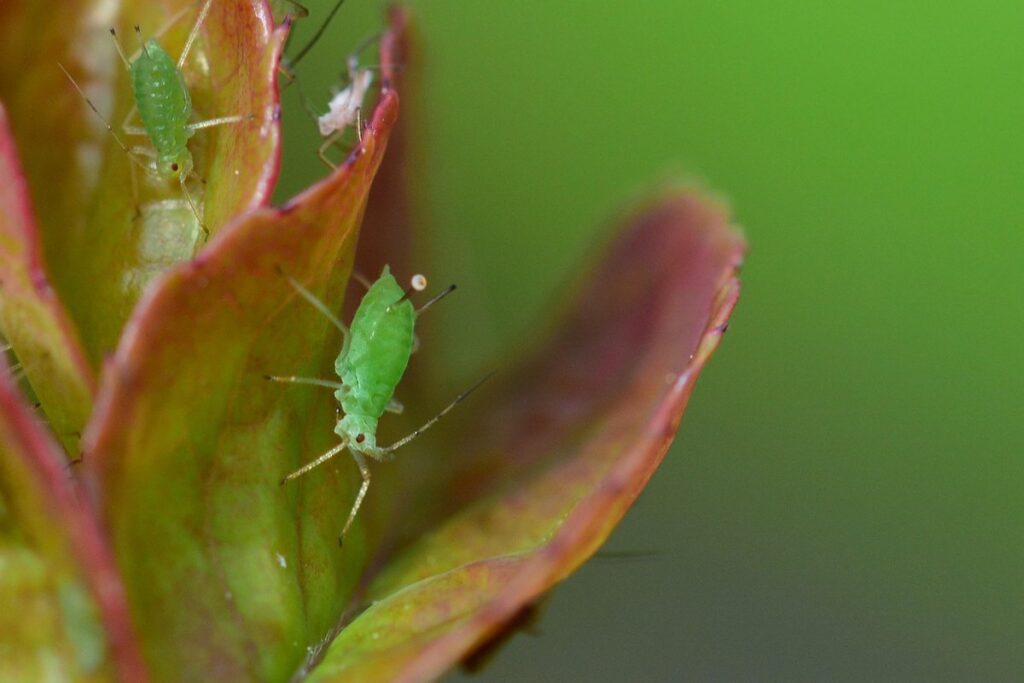
Understanding Aphid Infestations on Roses
When dealing with aphids on your rose bushes, understanding why infestations occur is crucial to effective treatment and prevention. Let’s dive into the common causes of aphid infestations on roses.
Identifying Common Signs of Aphid Infestation
Identifying common signs of aphid infestation is crucial to take prompt action and prevent further damage to your rose bushes. One of the first signs you may notice is curled or distorted leaves, which can be a result of aphids sucking sap from the plant’s leaves. This can cause the leaves to become misshapen or develop abnormal growth patterns.
Another common sign of aphid infestation is the presence of sticky honeydew droplets on the leaves or stems. Honeydew is a sweet, sticky substance produced by aphids as they feed on sap. It can also attract other pests like ants and wasps, making it essential to remove any honeydew droplets from your plant.
In severe cases, you may notice white powdery patches on the leaves or stems of your rose bush. This is usually caused by a fungal disease that has developed as a result of the aphid infestation. Regularly inspecting your plants and catching these signs early can help prevent further damage and reduce the risk of disease.
Keep in mind that some aphid species, like the rose root aphid, can lay eggs on the roots or underground stems of your rose bush, making it essential to inspect all parts of the plant when checking for infestation.
The Importance of Early Detection in Treating Aphids
Early detection is crucial in controlling aphid populations and preventing long-term damage to roses. If left unchecked, aphids can reproduce rapidly, causing significant harm to the plant’s health. In fact, studies have shown that a single aphid colony can produce up to 10 generations in just 15 days, resulting in massive infestations if not addressed promptly.
To put this into perspective, imagine an aphid population growing from just a few individuals to thousands in mere weeks. By the time you notice visible signs of aphids, such as curled leaves or sticky honeydew droplets, it may be too late to prevent significant damage. This is why regular monitoring and early detection are essential for effective aphid management.
Check your roses regularly for any signs of aphids, including yellowing or distorted leaves, and inspect the undersides of leaves for egg masses or actual aphids. Use a magnifying glass or hand lens to get a closer look if needed. Remember, early detection is key to preventing long-term damage and reducing the need for chemical treatments.
Factors Contributing to Aphid Infestations on Roses
Roses are a favorite among gardeners, but aphids can quickly turn your beautiful blooms into a nuisance. Understanding what contributes to these infestations is key to preventing future outbreaks.
Rose Variety Susceptibility and Aphid Attraction
Some rose varieties are more susceptible to aphid infestations due to their unique characteristics. For instance, roses with fragrant blooms tend to attract aphids more easily. This is because the sweet aroma of these flowers releases volatile organic compounds (VOCs) into the air, which can serve as a signal for aphids to locate and feed on the plant.
Additionally, rose varieties with soft foliage are also more prone to aphid infestations. Aphids prefer to feed on tender shoots and leaves, so plants with delicate or weak growth habits provide them with an ideal feeding ground. Examples of such rose varieties include hybrid teas and floribundas.
To minimize the risk of aphid infestation on your roses, consider planting varieties that are known to be more resistant to these pests. Some good options include Knock Out roses, which have a natural resistance to many garden pests, including aphids.
Environmental Conditions Favoring Aphid Growth
When it comes to aphid infestations on roses, environmental conditions play a significant role in their proliferation. Let’s examine some of the key factors that contribute to aphid growth.
Temperature fluctuations can trigger aphid reproduction, as they thrive in temperatures between 65°F and 80°F (18°C and 27°C). If your rose bushes are exposed to sudden changes in temperature, it may encourage aphids to multiply rapidly. For instance, a warm spell followed by a cool snap can create an ideal environment for aphids to reproduce.
Humidity levels also impact aphid growth. High humidity encourages aphid development, as they prefer moist conditions to feed and breed. If your rose garden is prone to fog or has poor air circulation, it may foster an aphid-friendly environment. Moreover, nearby host plants like vegetables, herbs, or weeds can harbor aphids and serve as a transportation vector for them to reach your roses.
To mitigate these factors, maintain a consistent temperature range in your garden by providing adequate shade and using row covers during extreme weather events. Ensure good air circulation around your rose bushes to prevent moisture buildup. Regularly inspect nearby plants for signs of aphid infestation and take control measures promptly to prevent them from reaching your roses.
Organic Methods for Controlling Aphids on Roses
If you’re looking for a chemical-free way to keep aphids at bay, this section shares effective organic methods for controlling these pesky pests on your rose bushes. We’ll explore some simple yet powerful techniques.
Neem Oil and Soap-Based Insecticides
When it comes to controlling aphid populations on roses without resorting to harsh chemicals, neem oil and soap-based insecticides are two effective organic alternatives you can try. Neem oil, extracted from the seeds of the neem tree, is a natural insecticide that disrupts aphids’ life cycle by preventing them from reproducing.
To use neem oil effectively, mix it with water according to the label instructions and spray it on your rose plants during the early morning or evening when they are less susceptible to sun damage. Repeat the application every 7-10 days for optimal results. Neem oil can also be used in combination with other organic insecticides for enhanced effectiveness.
Soap-based insecticides, on the other hand, work by creating a barrier that prevents aphids from feeding and reproducing on your plants. Mix a mild dish soap with water (about 1 tablespoon of soap per quart of water) and spray it directly on affected areas. Be sure to test a small area first to ensure the solution doesn’t cause any damage to your rose leaves.
When using either neem oil or soap-based insecticides, make sure to choose products that are specifically labeled for use on roses and follow all instructions carefully. It’s also essential to note that repeated applications may be necessary to completely eliminate aphid populations.
Horticultural Oils and Other Natural Deterrents
If you’re looking for a more natural approach to managing aphid infestations on your roses, horticultural oils and other deterrents can be effective tools. Horticultural oils, derived from refined plant oils such as neem or jojoba, work by suffocating the aphids, preventing them from feeding and reproducing.
When using horticultural oils, it’s essential to choose a product that’s specifically designed for use on roses and follow the recommended application rates to avoid damaging your plants. Some popular types of horticultural oils include:
• Neem oil: A broad-spectrum insecticide that can also help prevent fungal diseases.
• Jojoba oil: A gentle, non-toxic option that’s suitable for use during blooming periods.
Garlic sprays are another natural deterrent that can be used to repel aphids. These sprays are made by infusing garlic in water and then mixing the resulting liquid with a surfactant to help it stick to plant surfaces. The strong smell of garlic is unappealing to aphids, causing them to leave your roses alone.
For optimal results, apply these natural deterrents at the first sign of aphid infestation, ideally early in the morning or evening when temperatures are cooler and winds are minimal.
Chemical Control Options for Severe Aphid Infestations
When severe aphid infestations occur, chemical control options become necessary. We’ll explore some effective methods to manage and eliminate these pests from your rose garden.
Systemic Insecticides: A Last Resort
Systemic insecticides should be used with caution and as a last resort for severe aphid infestations on roses. These potent chemicals can have unintended consequences, such as harming beneficial insects like bees and butterflies, or even contaminating soil and water.
Before reaching for systemic insecticides, it’s essential to exhaust all other treatment options. This includes using neonicotinoids, imidacloprid, and pyrethroids, which are often recommended by gardeners. If these chemicals haven’t provided the desired results, consider introducing natural predators or parasites that feed on aphids, such as ladybugs and lacewings.
When using systemic insecticides, it’s crucial to follow the product label instructions carefully. This includes choosing a product specifically labeled for use on roses and applying it during the right time of day (usually early morning or late evening when plants are most vulnerable). Apply the chemical directly to the affected areas, taking care not to spray other beneficial insects.
Ultimately, systemic insecticides should be reserved for severe infestations that have resisted all other treatment methods. Even then, use them with caution and as a last resort, considering the potential risks and long-term consequences.
Pyrethrin and Permethrin-Based Insecticides
Pyrethrin and permethrin-based insecticides are commonly used to control severe aphid infestations on roses. These synthetic versions of natural pyrethrins have been shown to be effective against a wide range of pests, including aphids.
Pyrethrin-based insecticides work by disrupting the nervous system of insects, ultimately leading to their death. Permethrin, in particular, is widely used due to its strong efficacy and relatively low toxicity to mammals. However, it’s essential to note that repeated exposure to permethrin can still pose health risks, such as skin irritation and respiratory problems.
When using pyrethrin or permethrin-based insecticides on roses, it’s crucial to follow the recommended application rates and take necessary precautions to avoid overexposure. This includes wearing protective clothing, gloves, and ensuring good ventilation in the area.
In addition, consider the potential environmental risks associated with these insecticides. Pyrethroids can accumulate in soil and water, potentially harming beneficial insects and other non-target organisms. To minimize these effects, choose products labeled as “environmentally friendly” or “low-risk” to bees and other pollinators.
Integrated Pest Management (IPM) Strategies for Aphids on Roses
To effectively manage aphid infestations on roses, consider implementing integrated pest management strategies that combine physical barriers and organic controls. This holistic approach can provide long-term results without harming your plants.
Monitoring and Trapping Methods
Monitoring for aphid infestations is an essential step in effective treatment and prevention strategies. This involves regularly inspecting your rose plants for signs of aphids, such as curled or distorted leaves, sticky honeydew droplets on stems and leaves, or actual aphids visible to the naked eye.
To make monitoring more efficient, consider using sticky traps, yellow traps, or a combination of both. Sticky traps are effective at capturing winged aphid populations, while yellow traps can attract and trap both winged and wingless aphids. Place these traps near your rose plants, especially in areas where aphids tend to congregate.
During visual inspections, pay attention to the undersides of leaves, stems, and buds – these are common hiding spots for aphids. Additionally, look for ants, which often farm aphid colonies for their sweet honeydew secretions. Early detection allows you to take prompt action against infestations before they become severe.
Remember, regular monitoring is key to preventing the spread of disease and promoting healthy rose plant growth. Set aside time each week to inspect your roses and adjust your IPM strategy accordingly.
Cultural Controls: Pruning, Watering, and Fertilization
Pruning is an essential cultural control for preventing aphid infestations on roses. Regular pruning helps to remove weak and damaged growth, which can be more susceptible to aphid attacks. Prune your rose bushes in late winter or early spring, removing any dead, diseased, or damaged branches. This will not only reduce the risk of aphids but also promote healthy growth and blooming.
When it comes to watering, avoid overwatering your roses as this can create a favorable environment for aphid development. Water your plants deeply once or twice a week, depending on weather conditions. Make sure the soil is moist but not waterlogged, which can attract more aphids. Mulching around the base of the plant can also help retain moisture and suppress weeds that may harbor aphids.
Fertilization is another critical aspect of cultural control. Feed your roses with a balanced fertilizer in early spring, following the manufacturer’s instructions. Avoid overfertilizing, as this can weaken the plant and make it more susceptible to pest attacks. A balanced fertilizer will promote healthy growth and blooming, making your rose bushes less appealing to aphids.
Preventative Measures for Future Aphid Infestations on Roses
To ensure your rose garden remains aphid-free, we’ll cover essential preventative measures to prevent future infestations, starting from proper pruning techniques and crop rotation.
Sanitation and Cleanliness Practices
Maintaining a clean and sanitary environment is crucial in preventing future aphid infestations on roses. Regularly inspecting your rose bushes for signs of aphids and their egg-laying sites can help identify areas where sanitation practices need to be improved.
Remove weeds, debris, and dead plant material around the base of the plants to eliminate potential hiding spots for aphids. Keep the area around the roses free from clutter, as this can also attract pests like ants and slugs that may inadvertently bring aphids onto your plants.
Clean any gardening tools or equipment thoroughly after use to prevent cross-contamination between plants. Regularly wash your hands before handling rose bushes, and avoid touching other plants with dirty gloves.
For example, after treating an infested plant, disinfect the pruning shears by soaking them in a mixture of water and mild dish soap for 10 minutes. This will help reduce the risk of spreading aphids to other parts of the garden.
Biological Control Methods: Introducing Beneficial Insects
Introducing beneficial insects like ladybugs, lacewings, or parasitic wasps can be an effective biological control method to manage aphid populations on roses. These insects are natural predators of aphids and can help reduce their numbers without using chemical pesticides.
To introduce beneficial insects, start by identifying the specific type that’s best suited for your rose garden. Ladybugs, for instance, are voracious aphid-eaters and can be released in large quantities to tackle severe infestations. Lacewings, on the other hand, are more gentle but still effective against aphids.
When introducing beneficial insects, it’s essential to create a welcoming environment for them by providing shelter, food, and water. Release the insects during early morning or late evening when they’re most active. Monitor their populations closely and ensure they have enough prey to feed on. This approach can be especially useful in organic gardening or integrated pest management (IPM) strategies.
For example, a study found that releasing ladybugs in a rose garden reduced aphid populations by up to 80% within two weeks.
Conclusion and Final Thoughts on Aphid Treatment for Roses
In conclusion, effectively treating aphids on roses requires a combination of proactive measures and targeted interventions. By implementing a robust prevention strategy, such as introducing beneficial insects like ladybugs or lacewings, you can significantly reduce the risk of an aphid infestation. Additionally, maintaining good gardening practices, including regular pruning and soil care, will help create an environment that’s less conducive to aphid growth.
When treating existing infestations, consider using neem oil or insecticidal soap as a more natural alternative to chemical pesticides. These products can be applied directly to the affected areas, providing targeted relief without causing harm to beneficial insects or the environment. Remember to always follow the product instructions and take necessary safety precautions when applying any pest control measure. With persistence and patience, you should be able to successfully manage aphid populations on your roses and keep them thriving for years to come.
Frequently Asked Questions
What are the safest times to spray neem oil or insecticidal soap on my rose bushes?
When treating aphids with neem oil or soap-based insecticides, it’s essential to consider the timing of your applications. These products work best when applied early in the morning or late in the evening, allowing the chemicals to stay on the leaves and stems for an extended period without being washed off by rainfall.
Can I use pyrethrin or permethrin-based insecticides as a preventative measure?
While pyrethrin and permethrin-based insecticides can be effective against aphids, using them solely as a preventative measure may not be the best approach. These chemicals can also harm beneficial insects and pollinators, so it’s recommended to reserve their use for severe infestations or as part of an integrated pest management strategy.
How do I know if my rose variety is more susceptible to aphid infestations?
Rose varieties differ in their susceptibility to aphids based on factors like growth habit, foliage density, and disease resistance. If you’ve had issues with aphids on your roses before, it’s a good idea to research the specific characteristics of your rose variety to determine if it might be more prone to infestation.
Can I use horticultural oils as a standalone treatment for severe aphid infestations?
While horticultural oils can be an effective tool in controlling aphids, they may not be enough on their own to address severe infestations. In such cases, you may need to combine these oils with other control methods or chemical treatments as part of a comprehensive management plan.
How often should I inspect my rose bushes for signs of aphid infestation?
Regular monitoring is key to detecting aphid infestations early and preventing further damage to your roses. It’s recommended to inspect your plants at least once a week during peak growing seasons, looking out for curled or distorted leaves, sticky honeydew droplets, and other telltale signs of aphid activity.