
Transplanting tomatoes can be a daunting task for even the most experienced gardeners. But don’t worry, with the right techniques and expert tips, you’ll be on your way to growing luscious and productive tomato plants in no time. Whether you’re starting from seed or buying seedlings, transplanting is a crucial step that requires attention to detail to ensure a thriving harvest.
In this article, we’ll walk you through everything you need to know about successful tomato transplanting, from preparing your seedlings for the move to providing post-transplant care. We’ll cover expert tips on how to minimize shock and prevent disease, as well as share some essential techniques for getting your tomatoes off to a strong start in their new home. By following these simple steps, you can enjoy a bountiful harvest of juicy, flavorful tomatoes that will make all the hard work worthwhile.
Choosing the Right Time for Transplanting
When it comes to transplanting tomatoes, timing is everything – in this section, we’ll cover how to determine when your seedlings are ready for a bigger home.
When to Start Seedlings Indoors
When you start seedlings indoors is just as crucial as when to transplant them outdoors. Typically, it’s recommended to begin sowing tomato seeds 4-6 weeks before the last frost date in your area. This allows the seedlings to get a head start on the growing season and gives them time to develop a robust root system.
Soil temperature plays a significant role in seedling growth. Tomatoes prefer warmer soil, with an optimal temperature range of 70-80°F (21-27°C). If the soil is too cold, it can hinder germination and slow down root development. Most indoor spaces have heating systems that can maintain a consistent temperature, making it easier to control conditions.
Light requirements are also essential for seedling growth. Tomato seedlings need at least 14-16 hours of supplemental lighting per day. You can use grow lights or place the pots near an east- or west-facing window. Adequate light will promote healthy foliage and encourage strong root development. By providing optimal conditions, you’ll give your tomato seedlings a solid foundation for successful transplanting outdoors.
Preparing Seedlings for Outdoor Transplanting
Before transplanting your tomato seedlings outdoors, it’s essential to prepare them for the transition. This process is called hardening off, and it involves gradually acclimating your seedlings to outdoor conditions. Start by moving your seedlings from their indoor location to a shaded outdoor area, such as a patio or a spot under a tree, for 1-2 hours a day. Gradually increase the duration over the course of 7-10 days, allowing your seedlings to get used to direct sunlight, wind, and temperature fluctuations.
As you harden off your seedlings, it’s also crucial to reduce their water intake. Seedlings grown indoors often rely on a consistent watering schedule, but outdoors they’ll need to adapt to changing weather conditions. Stop fertilizing 1-2 weeks before transplanting to prevent over-fertilization, and begin to water them only when the top inch of soil feels dry. Prune your seedlings lightly to encourage bushy growth and prevent legginess, which can make them more susceptible to disease.
By following these hardening off techniques and adjusting their care accordingly, you’ll be giving your tomato seedlings a strong foundation for successful outdoor growth.
Soil Preparation and Selection
Before you start planting, it’s essential to prepare your soil properly for a successful transplant. This includes selecting the right type of soil mix for your tomatoes.
Understanding Your Soil Type
When transplanting tomatoes, understanding your soil type is crucial for their growth and success. Soil comes in three main types: clay, loam, and sand, each with its unique characteristics.
Clay soils are heavy and dense, retaining moisture well but can be challenging to work with. They tend to become waterlogged, which can lead to root rot in tomatoes. On the other hand, sandy soils drain quickly, drying out too fast for tomato plants’ needs. Loam soil, considered the ideal mix, balances clay and sand, providing excellent drainage and aeration.
To determine your soil type, dig a small hole about 12 inches deep. Feel the texture of the soil between your fingers; if it crumbles easily, you have sandy soil. If it forms a ball that holds its shape but breaks apart when poked with your finger, you likely have loam or clay-loam mix. Clay soils will stick to your fingers and won’t crumble.
Knowing your soil type helps you make informed decisions for transplanting tomatoes. For example, if you have heavy clay soil, consider amending it with organic matter like compost to improve drainage. In sandy soils, add mulch to retain moisture. Understanding your soil’s characteristics ensures optimal growing conditions for your tomato plants, setting them up for success.
Amending the Soil for Optimal Tomato Growth
When transplanting tomatoes, it’s essential to amend the soil to create an optimal growing environment. Healthy soil is the backbone of a thriving tomato plant, and adding specific amendments can make all the difference.
Compost is an excellent addition to your soil, as it adds beneficial microbes that help break down nutrients for your plants. You can either purchase pre-made compost or create your own using kitchen scraps and yard waste. Aim for 2-4 inches of compost mixed into the top 6-8 inches of soil for maximum benefit.
Animal manure, such as chicken or cow dung, is another excellent option to improve soil fertility. This nutrient-rich amendment not only adds essential nutrients like nitrogen, phosphorus, and potassium but also attracts beneficial microbes that fight off diseases. Mix in 1/4 to 1/2 cup of dried manure per square foot of soil.
Avoid over-fertilizing your soil, as this can lead to weak plant growth and more disease susceptibility. Instead, use a balanced fertilizer with a ratio of 10-10-10 (nitrogen-phosphorus-potassium) during the growing season.
Transplanting Techniques and Tips
When it comes to transplanting tomatoes, you want to ensure a smooth transition for your seedlings. This section will walk you through expert techniques and tips for a successful transfer.
Digging the Perfect Hole
When transplanting tomatoes, digging the perfect hole is crucial for their survival. The ideal depth and width of the hole will depend on the variety of tomato plant you’re growing. Generally, a hole that’s 1-2 inches deeper than the root ball is sufficient. For indeterminate varieties, which can grow quite tall, you’ll want to dig a wider hole – about 12-18 inches in diameter.
Avoid compacted soil by digging gently and avoiding heavy tools that can pack down the earth. This will ensure proper drainage and prevent your plant’s roots from becoming constricted. It’s also essential to aerate the surrounding area, which means loosening the soil around the hole with a fork or spade. This allows for healthy root growth and prevents waterlogged soil.
When transplanting, it’s best to dig the hole in advance of bringing the plant outside. Fill it with water, allowing the soil to settle before planting. As you’re planting, gently firm the soil around the roots without compacting it further.
Handling Seedlings with Care
When handling seedlings carefully during transplanting, it’s essential to minimize root disturbance and prevent shock. Seedlings are delicate, and rough handling can cause them significant stress, leading to poor growth or even death.
To avoid this, gently remove the seedling from its container, taking care not to touch or disturb the roots as much as possible. If the roots have become tangled or knotted during transport, carefully tease them apart with your fingers to encourage straight growth.
When transplanting, make sure the new soil is moist but not waterlogged. Water the seedling gently before placing it in its new location to reduce shock and help it establish itself quickly. Avoid exposing the seedling to direct sunlight for a few hours after transplanting to prevent scorching.
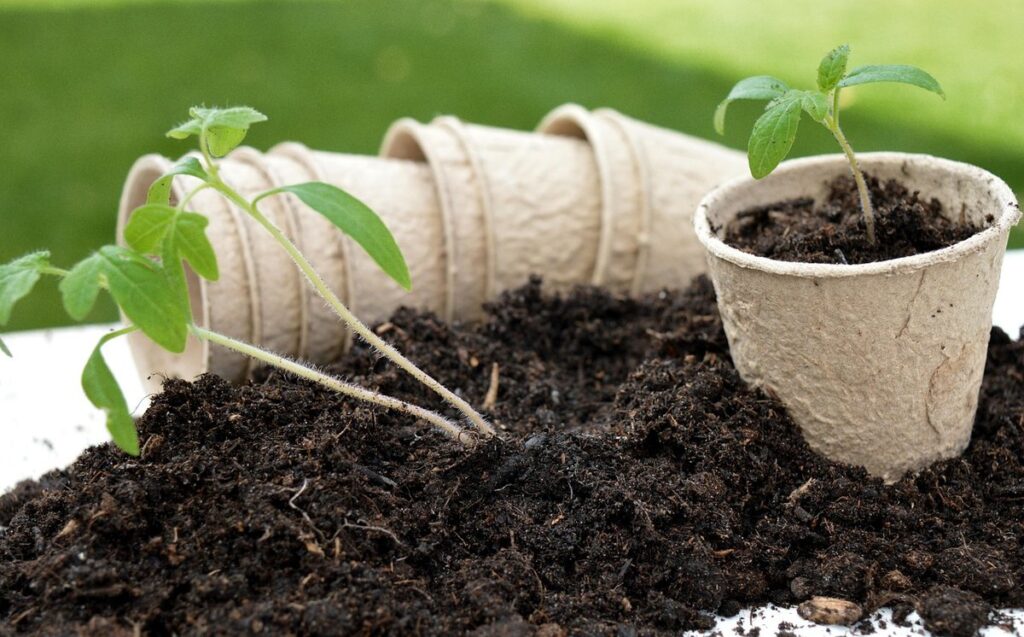
Minimizing root disturbance can also be achieved by using biodegradable pots or cell packs that allow for easy removal of the seedling without damaging the roots. This helps the seedling to adapt more easily to its new environment and reduces the risk of shock.
Post-Transplant Care and Support
After transplanting your tomatoes, it’s essential to provide them with proper care and support to ensure they thrive in their new environment, including watering and pruning techniques.
Watering Transplanted Tomatoes
When it comes to watering transplanted tomatoes, timing is everything. You’ll want to strike a balance between keeping the soil consistently moist and avoiding overwatering, which can lead to root rot and other issues.
As a general rule of thumb, newly transplanted tomato seedlings need about 1-2 inches of water per week, either from rainfall or irrigation. However, this can vary depending on weather conditions. If it’s been hot and dry, you may need to water your tomatoes every other day, while cooler and rainier weather might allow for watering only once a week.
Check the soil moisture by inserting your finger into the soil up to the first knuckle. If the soil feels dry, it’s time to water. As your tomato plants grow and mature, they’ll require more water, especially during fruiting stages. A good rule of thumb is to provide about 1 gallon of water per week for every foot of plant growth.
Be sure to avoid watering in the middle of the day when the sun is strongest to prevent evaporative loss and reduce the risk of fungal diseases. Instead, water your tomatoes early in the morning or evening when the air is cooler and calmer. This will help ensure healthy root development and a bountiful harvest.
Supporting Tall Indeterminate Varieties
Indeterminate tomato varieties are known for their vigorous growth habit and sprawling vines. Without proper support, these plants can become weighed down by their own fruit, leading to a host of problems including reduced yields, increased disease susceptibility, and even plant collapse.
To provide the necessary structural support for indeterminate tomatoes, you have several options available. Tomato cages are a popular choice, offering a compact and space-efficient way to train the vines. They work particularly well for smaller varieties or when grown in containers.
Another option is to use trellises. These can be freestanding or attached to a wall or fence, and come in a range of materials including wood, metal, and plastic. Trellises not only provide physical support but also help keep the plants off the ground, reducing soil-borne diseases and pests.
When using stakes as a support system, it’s essential to secure the plant gently but firmly to avoid damaging the stem. A combination of cages or trellises with stakes can offer even greater stability and control over the plant’s growth habit.
Troubleshooting Common Issues
Even experienced gardeners can encounter setbacks when transplanting tomatoes, so let’s troubleshoot some common issues that might be affecting your plants’ health.
Addressing Root Damage During Transplanting
When transplanting tomatoes, it’s essential to recognize the signs of root damage and take corrective action. One common indicator is if the plant suddenly drops its leaves or wilts shortly after being transplanted. This can be caused by roots that have been damaged during the process, leaving the plant vulnerable to water stress.
To mitigate this issue, inspect the roots carefully before transplanting. Gently remove any compacted soil and separate tangled roots with a fork. If you notice any broken or torn roots, trim them back to about an inch from the crown using sterile scissors. This will help the plant recover quickly.
Another crucial step is to water your tomato plants thoroughly after transplanting. Waterlogging can exacerbate root damage, so make sure the soil drains well. By taking these precautions, you’ll be able to minimize root damage and give your tomato plants the best chance of thriving in their new environment.
Managing Disease and Pests in Transplanted Tomatoes
When transplanting tomatoes, it’s essential to be aware of the common diseases and pests that can affect them. Fungal infections such as Septoria leaf spot and powdery mildew can thrive in humid environments, causing yellowing leaves and reduced fruit production.
Bacterial spot is another significant threat, characterized by small, dark spots on leaves that can spread quickly. To prevent these issues, ensure good air circulation around the plants and avoid overhead watering, which can facilitate fungal growth.
Insect pests like hornworms and aphids are also common problems. Hornworms, in particular, can cause significant damage to tomato plants, while aphids can transmit plant viruses. Regularly inspect your plants for signs of infestation, such as holes in leaves or sticky substance on stems. Use neem oil or insecticidal soap to treat infestations and practice integrated pest management techniques to maintain a balanced ecosystem.
Some preventative measures include using crop rotation, maintaining soil health through composting, and introducing beneficial insects like ladybugs or lacewings to your garden. By taking these steps, you can minimize the risk of disease and pests affecting your transplanted tomatoes and enjoy a healthy, productive harvest.
Maximizing Yield and Harvest
Now that you’ve successfully transplanted your tomato seedlings, it’s time to focus on maximizing their yield and getting the most out of your harvest. This section shares expert tips for optimizing growth and increasing fruit production.
Pruning for Maximum Production
Pruning tomato plants may seem counterintuitive when you’re trying to maximize their production, but it’s an essential step in promoting healthy growth and encouraging those delicious fruits to reach their full potential. By pruning your tomatoes regularly, you’ll not only improve air circulation around the plant but also reduce the risk of disease susceptibility.
As a general rule, remove any weak or spindly growth, as well as any suckers (the shoots that grow between the main stem and branches) to direct the plant’s energy towards producing more fruit. This simple process can significantly increase the size of your tomatoes – research has shown that plants pruned in this way produce fruit up to 20% larger than those left unpruned.
To prune effectively, consider removing no more than one-third of the plant’s foliage at a time. This will prevent shocking the plant and allow it to adapt gradually. By doing so, you’ll create an environment where your tomatoes can thrive and reach their maximum production potential.
Timing and Harvesting Tomatoes at Peak Ripeness
Harvesting tomatoes at peak ripeness is crucial to maximize flavor and texture. When it comes to timing, color is a good indicator, but not the only one. Look for a deep red color on the bottom of the tomato first, which indicates that the sugars are fully developed. Check the texture by gently tugging on the fruit; ripe tomatoes will come off the plant easily.
However, don’t wait until all the tomatoes are fully ripe at the same time, as this can put pressure on the plant and lead to disease issues. Instead, harvest individual fruits when they reach peak ripeness, about every 3-4 days during peak production. Handle ripe tomatoes gently by supporting their weight with a cup or container to avoid bruising.
To minimize damage, avoid washing the fruit before storing it in a cool, dry place. Store ripe tomatoes stem-end down on a paper towel-lined tray to absorb excess moisture and keep them fresh for up to five days. Regular harvesting also encourages the plant to produce more flowers and fruits, ensuring continued high yields throughout the season.
Additional Tips and Considerations
Now that you’ve successfully transplanted your tomatoes, let’s dive into some important additional tips to ensure they thrive in their new environment. Here are a few more things to keep in mind.
Companion Planting with Tomatoes
When transplanting tomatoes, it’s essential to consider companion planting – pairing vegetables and herbs that benefit from each other’s growth. This technique enhances the overall health of your tomato plants and can even improve yields.
Basil is a classic example of a beneficial companion for tomatoes. Not only does its fragrance repel pests like whiteflies and aphids, but it also adds flavor to your homegrown pasta sauces. To incorporate basil into your tomato garden, simply plant the two together in the same pot or adjacent containers.
Another great option is marigold – these bright flowers repel nematodes, which can harm tomatoes. Their strong scent also deters other pests like carrot flies and beetles. Marigolds are easy to grow and require minimal maintenance, making them a perfect companion for busy gardeners.
Nasturtiums are another beneficial pairing option. These colorful flowers attract beneficial insects that prey on aphids and other tomato-damaging pests. Plant nasturtiums around the perimeter of your tomato bed or intersperse them among the plants to create a pest-free zone.
When choosing companion plants, remember that some can actually harm tomatoes. For example, members of the Brassica family (broccoli, cauliflower) release chemicals that inhibit tomato growth.
Managing Tomato Plants in Different Climates
When transplanting tomatoes, understanding the specific climate you’re working with can make all the difference. Tomatoes are relatively adaptable plants, but they still require some adjustments to thrive.
In hot climates (above 85°F/30°C), it’s essential to provide extra care for your transplanted tomatoes. Water them deeply in the morning or evening to minimize evaporation and prevent scorching. Mulch around the base of the plant to retain moisture and regulate soil temperature. Additionally, consider using a shade cloth or other light filtering method to reduce intense sunlight.
Conversely, in cold climates (below 55°F/13°C), tomato plants may struggle with shock and reduced growth. To mitigate this, choose varieties specifically bred for cooler temperatures, such as ‘Early Girl’ or ‘Patio’. Provide frost protection by bringing potted tomatoes indoors or covering outdoor beds with a breathable cloth.
In dry climates (less than 20 inches of annual rainfall), keep the soil consistently moist but not waterlogged. Install drip irrigation systems to conserve water and prevent overwatering, which can lead to disease.
Finally, in humid climates (over 60% relative humidity), watch out for fungal diseases like powdery mildew or root rot. Prune your tomato plants regularly to improve air circulation, promoting healthy growth and preventing moisture accumulation.
Frequently Asked Questions
What is the best way to handle seedlings with sensitive leaves during transplanting?
To minimize damage, gently grasp the stem just above the soil line and avoid touching the delicate leaves. This will help prevent bruising or tearing of the tender shoots.
How can I reduce transplant shock in my tomato plants?
Yes, you can reduce transplant shock by hardening off your seedlings before moving them outdoors. Gradually acclimate your seedlings to outdoor conditions over 7-10 days to minimize stress and promote healthy growth.
Can I use a general-purpose fertilizer for transplanting tomatoes, or do I need to amend the soil specifically?
While a general-purpose fertilizer can provide essential nutrients, it’s best to amend the soil with organic matter like compost or well-rotted manure to improve soil structure and fertility. This will promote optimal growth and fruit production.
How often should I water my transplanted tomatoes during hot weather?
No, you shouldn’t water your transplanted tomatoes too frequently in hot weather. Aim for about 1 inch of water per week, either from rainfall or irrigation, to prevent overwatering and associated issues like root rot.
What are some common pests that target transplanted tomato plants, and how can I manage them?
Common pests like aphids, whiteflies, and hornworms can be managed using integrated pest management (IPM) techniques. This may include introducing beneficial insects, practicing good garden hygiene, and using organic or chemical controls as a last resort. Regular monitoring is key to early detection and effective management of these pests.