
Growing your own raspberries can be a rewarding experience, but when it comes to supporting their growth and encouraging a bountiful harvest, many gardeners are left wondering where to start. Training raspberries on wires is an essential technique for maximizing yields and promoting healthy plant growth. But what’s the best way to do this? In this guide, we’ll walk you through the process of training your raspberries on wires, from selecting the right variety and preparing your soil to pruning techniques and ongoing care.
We’ll cover everything you need to know to get the most out of your raspberry plants, including tips for supporting their growth and preventing damage. By following our comprehensive guide, you’ll be well on your way to enjoying a fruitful and productive harvest.
Choosing the Right Variety and Tools
When it comes to training raspberries on wires, selecting the right variety and having the right tools is crucial for a successful harvest. Let’s take a closer look at what you need to get started.
Selecting a Raspberry Variety Suitable for Trellising
When selecting a raspberry variety suitable for trellising, it’s essential to consider several factors that will ensure success and maximize yields. The growth habit of the plant is one critical factor to consider. Look for varieties with an upright or semi-upright growth habit, as they tend to produce more fruit when trained on wires. Some popular options include ‘Autumn Bliss’, ‘Glen Ample’, and ‘Polka’. These varieties are specifically bred for their ability to thrive in a trellised system.
Disease resistance is another crucial factor to consider. Raspberries are susceptible to certain diseases, such as powdery mildew and botrytis, which can decimate yields if left unchecked. Look for varieties with built-in disease resistance or those that have been bred specifically for their ability to resist certain diseases. ‘Autumn Bliss’ and ‘Glen Ample’ both have good resistance to powdery mildew.
When choosing a variety, also consider fruit production. Some varieties are more productive than others, with some producing multiple crops per season. Look for varieties that produce high yields of large, flavorful berries. A few notable examples include ‘Polka’, which produces large, sweet berries in mid-to-late summer, and ‘Autumn Bliss’, which produces smaller but sweeter berries in late summer to early fall.
Essential Tools and Equipment for Training Raspberries
To train raspberries effectively on wires, you’ll need some essential tools and equipment. The first thing you should consider is wire supports. These come in different types, including single-wire systems and trellis-style systems. Single-wire systems are ideal for smaller gardens or when space is limited, as they take up minimal room. Trellis-style systems, on the other hand, offer more support for the canes and provide a more rigid structure.
In addition to wire supports, you’ll need pruning shears or loppers for maintaining your raspberry plants. These are crucial for cutting back new growth and removing dead wood. It’s essential to choose high-quality pruning tools that make the job easier and less tiring. Stakes are also necessary for providing additional support to the plant during its early stages of growth.
It’s worth noting that investing in a good set of wire supports and pruning shears will save you time and effort in the long run. Not only will they help keep your plants organized, but they’ll also ensure healthy growth and fruit production.
Preparing the Soil and Planting Raspberry Canes
Before planting your raspberry canes, it’s essential to prepare the soil by loosening the top 12-18 inches to ensure good drainage and root growth. This simple step sets the stage for a healthy and productive harvest.
Optimizing Soil Conditions for Healthy Growth
To optimize soil conditions for healthy raspberry growth, it’s essential to understand their specific requirements. Raspberries thrive in well-draining, fertile soils with a pH between 5.5 and 6.5. If your soil is too acidic or alkaline, it may lead to nutrient deficiencies or poor root development.
For optimal growth, raspberries need a balanced diet of nutrients. They are heavy feeders and require regular fertilization during the growing season. A mix of nitrogen, phosphorus, and potassium (NPK) fertilizer applied in early spring is ideal. You can also incorporate compost or well-rotted manure to improve soil structure and fertility.
Drainage is another critical aspect to consider. Raspberries don’t like wet feet, so ensure your soil has good drainage to prevent waterlogged conditions. If necessary, add organic matter like peat moss or perlite to improve soil aeration and reduce moisture retention. By meeting these basic requirements, you’ll be setting the stage for healthy, productive raspberry canes that will thrive when trained on wires. Regular soil testing can help identify any nutrient deficiencies, allowing you to adjust your fertilization schedule accordingly.
Planting Raspberry Canes in the Right Location
When planting raspberry canes for training on wires, it’s essential to choose a location that provides the right conditions for healthy growth. Select a spot with full sun to partial shade, depending on the variety of raspberries you’re growing. A well-draining soil is also crucial to prevent waterlogged roots and root rot.
Ideally, plant raspberry canes in rows or blocks, spaced 18-24 inches apart to allow for good air circulation. This will help prevent disease from spreading and promote healthy growth. If your garden space is limited, consider using a trellis system with multiple tiers to maximize space efficiency.
Dig holes that are about twice as wide and just as deep as the cane’s root ball. Plant the canes at the same depth they were previously grown, making sure not to bury any part of the stem above ground level. Water thoroughly after planting and keep the soil consistently moist during the first growing season. Proper location and care will set your raspberry plants up for success when trained on wires for maximum yields.
Training Raspberries on Wires: Step-by-Step Instructions
To get your raspberries trained on wires, start by learning how to secure them to a trellis using twine or wire clips, keeping stems at an optimal 12-inch spacing. This will give you a solid foundation for future support and pruning needs.
Setting Up Wire Supports for Maximum Support
When setting up wire supports for your raspberries, it’s essential to choose the right type of wire and support system to ensure maximum support and a bountiful harvest. There are several types of wires available, including copper, aluminum, and nylon-coated steel wires. Copper wires are an excellent choice as they provide excellent durability and are resistant to corrosion.
For a traditional wire trellis system, you’ll need to attach the wire supports to the base of the plant, spacing them about 12-18 inches apart. Begin by driving stakes into the ground on either side of the plant, then stretch the wire taut between them, securing it with wire clips or twist ties. As your plants grow, adjust the wires accordingly to provide adequate support.
It’s also worth considering using a more modern approach, such as a vertical trellis system with adjustable wire supports. These systems allow for greater flexibility and can be easily adjusted throughout the growing season to accommodate the changing needs of your raspberries.
Pruning Techniques for Encouraging Vertical Growth
When pruning raspberries to encourage vertical growth and prevent disease, it’s essential to understand that these two goals often work together. By removing lower-growing canes, you’re not only promoting a more upright habit but also reducing the risk of fungal diseases that thrive in damp environments.
To start, identify the healthiest, most vigorous canes – usually 2-3 years old – and remove any weaker or damaged ones. Cut these back to about 6 inches from the ground using sharp, clean pruning tools to minimize the risk of spreading disease.
Next, cut the tips off the remaining canes to encourage branching. This will help distribute the plant’s energy more evenly throughout the season and create a more balanced structure. Be sure not to remove too much at once, as this can shock the plant and lead to reduced yields.
By pruning in this way, you’ll be able to maintain a tidy, well-supported plant with minimal risk of disease. Regular monitoring is still necessary to catch any potential issues early on, but with these techniques, you’ll be well-equipped to keep your raspberry wire system thriving.
Managing Raspberry Canes Throughout the Growing Season
As you train your raspberries on wires, it’s essential to also manage their canes throughout the growing season to maintain a healthy and productive plant. We’ll show you how to prune and support them effectively.
Regular Pruning and Training for Optimal Production
Regular pruning and training are essential practices for maintaining healthy canes and promoting fruiting in raspberries trained on wires. Prune your raspberry canes immediately after harvesting to remove spent flower stalks and promote new growth. Cut the canes back by about one-third to encourage bushy growth and prevent the cane from becoming too leggy.
For optimal production, prune your raspberry canes during dormancy, typically in late winter or early spring. Remove any dead, diseased, or damaged canes completely, as these can spread disease or attract pests. Leave only the healthiest canes with two to three buds each. This will ensure a balanced and vigorous plant.
When training new canes on wires, gently bend them over the wire and secure them in place using twine or clips. As new growth emerges, carefully weave the stems through the wire supports to maintain an upright and even shape. Regular pruning and training will not only promote healthy growth but also encourage fruiting and increase yields.
Identifying and Managing Common Pests and Diseases
As you train your raspberry canes on wires, it’s essential to be aware of the common pests and diseases that can affect them. Aphids, whiteflies, and spider mites are some of the most common pests that target raspberries, causing curled or distorted leaves and stunted growth.
To identify these pests, look for yellowing or bronzed leaves, sticky honeydew droplets on the plant’s surface, or actual insects visible on the undersides of leaves. For aphids and whiteflies, introduce natural predators like ladybugs or lacewings to your garden. Spray infested areas with water or a mild soap solution to control these pests.
Some common diseases that affect raspberries include powdery mildew, leaf spot, and root rot. Powdery mildew appears as a whitish powder on leaves, while leaf spot causes small circular lesions on the foliage. To manage these diseases, ensure good air circulation around your plants, remove any infected canes, and apply fungicides according to the product’s instructions.
Remember that prevention is key: maintain good garden hygiene, use resistant cultivars when possible, and adopt a regular monitoring routine to catch issues before they become severe.
Encouraging Fruit Production and Harvesting Raspberries
To ensure your raspberry crop is thriving, it’s essential to encourage fruit production through proper training and harvesting techniques that bring out the best flavors. We’ll walk you through these key steps next.
Factors Affecting Fruit Production and Yield
Raspberries are incredibly sensitive to their environment, and factors such as weather conditions, soil quality, and pest/disease management can significantly impact fruit production and yield. When training raspberries on wires, it’s essential to consider these external influences to maximize your harvest.
Weather plays a significant role in determining raspberry yields. Droughts, for instance, can lead to reduced berry size and lower yields, while excessive rainfall can cause fungal diseases that harm the plants. To mitigate these risks, ensure your raspberry patch receives adequate water but avoid overwatering. Mulching around the base of the plants helps retain moisture and suppress weeds.
Soil quality is another critical factor affecting fruit production. Raspberries thrive in well-draining, fertile soil with a pH between 5.5 and 6.5. Test your soil regularly to determine its nutrient content and adjust accordingly. Regularly fertilizing your raspberry patch can promote healthy growth and higher yields.
Effective pest and disease management is also crucial for maintaining fruit production. Keep an eye out for common issues like aphids, powdery mildew, and spider mites, and use integrated pest management techniques to minimize chemical usage. By considering these factors, you’ll be well on your way to a bountiful raspberry harvest.
Timing and Methods for Optimal Harvest
When it comes to encouraging fruit production and harvesting raspberries trained on wires, timing and methods are crucial. Generally, raspberry harvests occur in mid to late summer, with specific varieties ripening at different times.
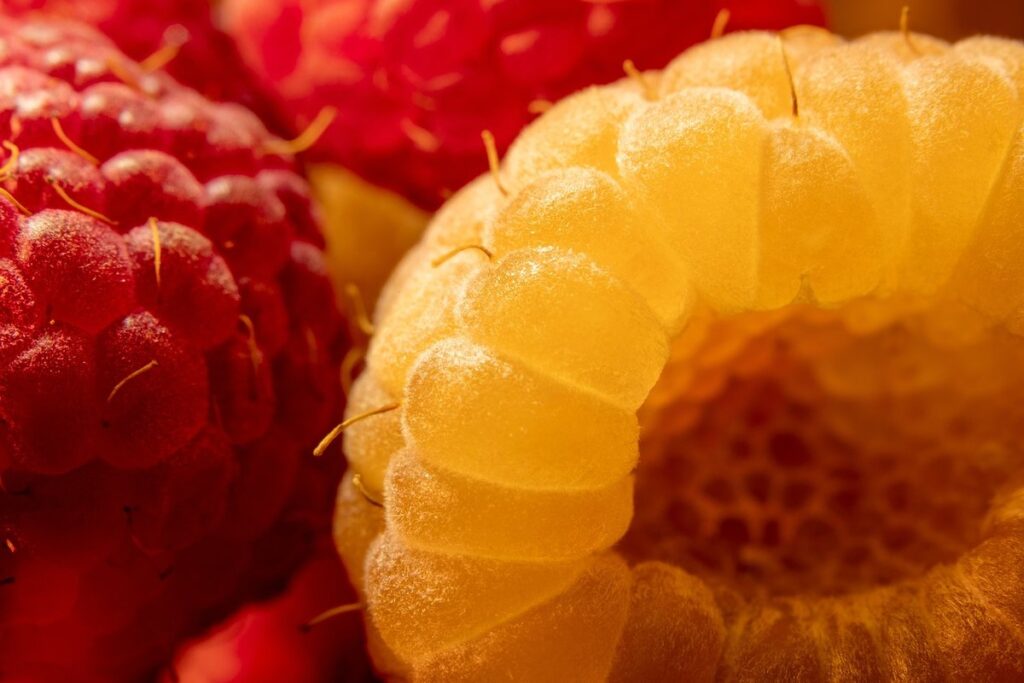
For optimal yields, keep an eye out for color changes in the berries – red, yellow, or gold depending on the variety. Be cautious not to leave them on the bush too long, as they can quickly spoil and become unpalatable.
In terms of methods, hand-picking is usually the most effective way to ensure individual berries are picked at their peak ripeness. This requires regular checks throughout the day, especially during warm weather when raspberries tend to ripen rapidly.
To streamline the process, consider investing in a mechanical raspberry harvester for larger plantings. These tools can significantly reduce labor time while maintaining berry quality.
Troubleshooting Common Issues with Trained Raspberries
As you start enjoying your trained raspberries, you may encounter some common issues that can be frustrating to deal with. Let’s troubleshoot a few problems together and get your trellised raspberries thriving again!
Identifying and Resolving Common Problems
When training raspberries on wires, it’s not uncommon to encounter common issues that can hinder their growth and productivity. Poor growth is often the result of inadequate light, temperature fluctuations, or insufficient water supply. To mitigate this, ensure your raspberry plants receive at least six hours of direct sunlight per day and maintain a consistent watering schedule.
Disease and pests are also frequent problems when training raspberries on wires. Common diseases include powdery mildew, leaf spot, and cane blight, which can be caused by overwatering or poor air circulation. Regularly inspect your plants for signs of disease and take action promptly to prevent its spread. As for pests, keep an eye out for aphids, spider mites, and Japanese beetles.
To address these issues, adopt a few simple practices: remove any weak or diseased canes, maintain good hygiene by disinfecting pruning tools between cuts, and use organic pest control methods whenever possible. By staying vigilant and taking proactive steps to prevent problems, you’ll be well on your way to successful wire-trained raspberry growth.
Repairing and Re-training Raspberry Canes
If you’re experiencing issues with your trained raspberry canes, it’s essential to repair and re-train them promptly to prevent damage to the plant and ensure a bountiful harvest. Inspect your canes regularly for signs of weakness or breakage, particularly after heavy winds or frost.
To repair damaged canes, use pruning shears to cut back any broken or weak areas, making sure to leave at least two nodes (the joint where a leaf meets the stem) above the damage point. This will help promote new growth and prevent disease from entering the plant through open wounds.
For re-training, gently tease out any canes that have become tangled or entwined with others, taking care not to disturb the roots. Use twine or wire to gently guide the cane back onto the trellis or support system, ensuring it’s securely in place. This may require some patience and finesse, but re-training your raspberries will help maintain their shape and promote even growth.
By repairing and re-training your raspberry canes regularly, you’ll be able to keep them healthy and productive throughout the growing season.
Additional Tips and Considerations for Successful Training
As you put the finishing touches on your raspberry wire training, consider these essential tips to ensure a bountiful harvest and long-term plant health. Some factors are easily overlooked, but crucial for success.
Maintenance and Upkeep for Long-term Success
Maintaining trained raspberry canes requires regular attention to ensure they continue to thrive and produce an abundance of fruit. As your plants grow and mature, their needs will change, and it’s essential to adapt your care routine accordingly.
Pruning is a crucial aspect of ongoing maintenance. Regular pruning helps control the shape and size of the plant, promotes healthy growth, and encourages more fruiting canes to develop. For trained raspberry canes on wires, focus on removing any weak or damaged stems, as well as those that are not producing fruit. This will help maintain a balanced structure and prevent disease from taking hold.
It’s also crucial to inspect your plants regularly for signs of pests or diseases. Common issues include aphids, spider mites, and powdery mildew. Catching these problems early can make all the difference in preventing them from spreading and causing significant damage. For example, if you notice aphid infestations, gently spray the affected areas with a soft jet of water to dislodge the pests.
In addition to pruning and pest management, ensure your trained raspberry canes receive adequate support as they grow. Check that the wires are securely fastened to the trellis or fence, and make any necessary adjustments to prevent the plants from becoming top-heavy. Regularly inspect the wire supports for signs of wear and tear, replacing them if necessary.
Fertilization is another critical aspect of ongoing maintenance. Feed your trained raspberry canes with a balanced fertilizer during the growing season (spring-fall), following the manufacturer’s instructions for application rates. Avoid over-fertilizing, as this can lead to weak growth and reduced fruiting.
By incorporating these regular maintenance tasks into your care routine, you’ll be well on your way to enjoying a bountiful harvest from your trained raspberry canes for years to come.
Frequently Asked Questions
How often should I water my trained raspberry plants to ensure optimal growth?
Water your trained raspberry plants regularly, providing about 1-2 inches of water per week. Be mindful of weather conditions and adjust your watering schedule accordingly. Aim for consistent moisture levels during the growing season, but avoid overwatering which can lead to root rot and other issues.
Can I use wire supports with different gauges or materials for training my raspberries?
Yes, you can experiment with various wire support materials and gauges to find what works best for your specific climate and plant growth. However, ensure the wires are durable enough to withstand wind and weather conditions. Aluminum or galvanized steel wires are popular options, but copper wire can also be effective.
How do I handle raspberries that don’t seem to be producing fruit on the trellis?
If your trained raspberry plants are not producing fruit on the trellis, check for signs of pests, diseases, or nutrient deficiencies. Ensure the plants receive sufficient sunlight (at least 6 hours of direct sunlight) and maintain optimal temperature conditions between 35°F and 70°F (2°C to 21°C). Prune damaged canes and inspect for adequate air circulation.
Can I train my raspberries on wires if I have a small garden with limited space?
Yes, you can still train your raspberries on wires even in small gardens. Consider using space-saving wire supports like spiral trellises or compact varieties that are specifically bred for container growing. Prune regularly to maintain shape and promote healthy growth.
How do I know when it’s time to replace my wire supports with new ones?
Check your wire supports annually, inspecting them for signs of wear, corrosion, or damage. If you notice any issues, consider replacing the wires to ensure continued support for your raspberry plants. Use this opportunity to assess and adjust your trellis system as needed to maintain optimal growth and productivity.
What are some common mistakes to avoid when training my raspberries on wires?
Be cautious not to overcrowd your wire supports, which can lead to reduced air circulation and increased disease risk. Avoid over-pruning, especially during the first year after planting, as this can stress the plants. Regularly inspect your trellis system for any signs of weakness or damage that could compromise plant support.