
Are you looking to boost your grapevine yields and improve fruit quality? Training your grapevines on trellises is a game-changer, but it can be intimidating if you’re new to viticulture. The right techniques can make all the difference in maximizing space, reducing disease risk, and increasing overall productivity. In this comprehensive guide, we’ll walk you through every step of training your grapevines on trellises, from selecting the perfect site to managing pests and diseases.
We’ll cover the ins and outs of pruning, covering systems, and cordon management, so you can feel confident in your ability to coax the best results from your vines. By the end of this article, you’ll have a solid understanding of how to train grapevines on trellises like a pro, setting yourself up for success and bountiful harvests.
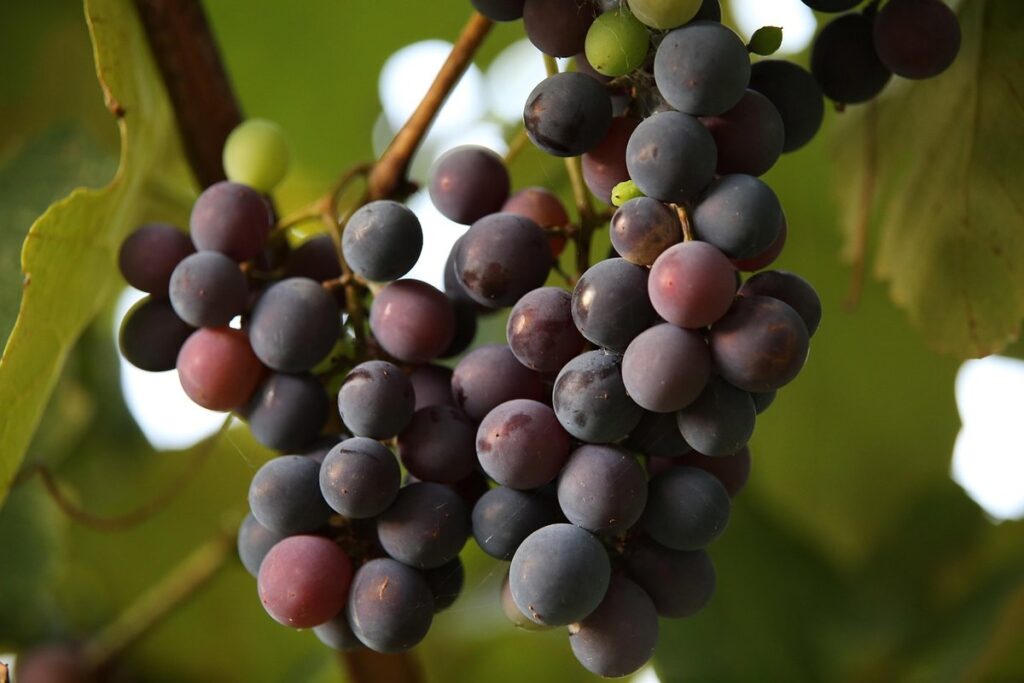
Understanding Grapevine Trellising
When it comes to growing and training grapevines on a trellis, understanding the basics of grapevine trellising is essential for optimal growth and fruit production. Let’s dive into the key concepts you need to know.
Importance of Trellising
Trellising is an essential component of grapevine training, offering numerous benefits that contribute to the overall health and productivity of your vineyard. By providing structural support for the grapevines, trellising promotes healthy growth by allowing for optimal sunlight penetration, air circulation, and water distribution throughout the plant.
The importance of trellising cannot be overstated, as it directly impacts vineyard management in several key areas. Firstly, trellising increases yields by encouraging a balanced fruit load on each cane, reducing the likelihood of disease and pest issues. Secondly, trellising improves fruit quality by providing even ripening and exposure to sunlight, resulting in more complex flavor profiles.
From a practical standpoint, incorporating trellises into your vineyard design can help you manage weeds more effectively, reduce pruning costs, and improve overall maintenance efficiency. Furthermore, trellised grapevines are generally less susceptible to damage from strong winds or frost events, making them a valuable asset for regions prone to extreme weather conditions.
Ultimately, the benefits of trellising far outweigh any initial investment or effort required to implement this training method.
Types of Trellises Suitable for Grapevines
When it comes to training grapevines on trellis, choosing the right type of trellis system is crucial for optimal growth and fruit production. There are three primary types of trellises suitable for grapevines: horizontal, vertical, and double-curtain systems.
Horizontal trellises are ideal for growing table grapes or ornamental varieties that require minimal support. These systems consist of a row of wires or rods spaced at regular intervals, which allow the grapevine to grow horizontally along them. They are relatively low-maintenance and can be installed in areas with limited space.
Vertical trellises, on the other hand, are designed for vigorous grapevine varieties that need more substantial support. These systems use a series of posts or pillars that are spaced at intervals of 10-15 feet, which provide a framework for the vine to grow upwards. They can be more challenging to install but offer excellent results in terms of fruit production and disease management.
Double-curtain trellises combine elements of both horizontal and vertical systems by providing two rows of wires or rods that are spaced apart to allow the grapevine to grow up one row while being trained back down along the other. This type of system is particularly beneficial for high-yielding varieties that require extra support, but can also be used for ornamental purposes.
Some popular options include the Geneva Double Curtain and the Rego trellis systems.
Factors to Consider When Choosing a Trellis System
When choosing a trellis system for your grapevines, several factors come into play. First and foremost, consider the size of your vineyard and the type of soil you have. A larger vineyard may require a more extensive trellising system to accommodate the vines’ spread, while certain soils can be better suited for specific types of trellises.
Another crucial factor is the grapevine variety itself. Some varieties, like Pinot Noir, prefer a more delicate trellis system that allows for better air circulation and sunlight penetration, while others, like Cabernet Sauvignon, require a sturdier support structure to handle their weighty bunches.
Climate is also an essential consideration. In regions with high winds or extreme temperature fluctuations, you’ll want to opt for a trellis system that’s designed to withstand these conditions. For example, a trellis with built-in windbreaks can help protect your vines from harsh weather.
Ultimately, the type of trellis system you choose will depend on your specific needs and circumstances. By taking into account factors like vine size, soil type, grape variety, and climate, you can select the most suitable trellis for a healthy and productive harvest.
Planning and Preparing the Vineyard
Before you start training your grapevines on a trellis, it’s essential to plan and prepare your vineyard for optimal growth and productivity. This involves selecting the right trellising system.
Site Selection and Soil Preparation
When selecting a site for your vineyard, it’s essential to consider factors that will promote healthy grapevine growth. Climate plays a significant role in determining the type of grapes you can grow and their required management practices. A warm climate with moderate winters is ideal for most grape varieties.
Topography also affects soil drainage and erosion control. Slopes with gentle inclines are best suited for vineyards, as they allow for efficient water runoff and reduce soil erosion risks. Steep slopes, on the other hand, may require additional terracing or drainage systems to prevent soil degradation.
Soil pH is another critical factor in site selection. Most grape varieties thrive in slightly acidic to neutral soils with a pH between 5.5 and 7.0. If your vineyard’s soil pH falls outside this range, you’ll need to take corrective measures, such as adding lime to raise the pH or sulfur to lower it.
To ensure optimal soil conditions, conduct a thorough soil test before planting. This will help you identify any nutrient deficiencies and determine the best amendments for your specific soil type.
Establishing a New Vineyard or Replanting an Existing One
Establishing a new vineyard or replanting an existing one requires careful planning and consideration. When it comes to training grapevines on trellis, the quality of the nursery stock is crucial. Look for nurseries that provide high-quality grafts and rootstocks specifically selected for your region’s climate and soil conditions.
When selecting rootstock, consider factors such as disease resistance, vigor, and compatibility with the scion (the grafted grapevine variety). Some popular rootstocks include 1103 Paulsen, 5C, and SO4. Grafting is a common practice in viticulture, allowing growers to combine the best traits of different varieties.
If replanting an existing vineyard, assess the soil health, drainage, and sunlight exposure before selecting new nursery stock. It’s essential to choose grapevines that are well-suited to your region’s climate and will thrive on your specific trellis system. Take this opportunity to incorporate best practices in sustainability and environmental stewardship, such as using organic amendments and conservation tillage.
Training the Grapevines
Now that we’ve discussed choosing the right trellis system, let’s dive into the step-by-step process of training your grapevine to grow and thrive on its new support.
Year-One Planting and Pruning
Proper planting and pruning techniques set the foundation for a healthy and productive grapevine. In the first year of establishment, it’s crucial to get it right. Here are some best practices to follow:
When planting your grapevines, choose a location with full sun and well-draining soil. Dig a hole that’s about two times as wide and just as deep as the root ball. Add organic matter like compost or manure to improve drainage and fertility. Plant the vine at the same depth it was in the nursery, making sure the graft union (if applicable) is above the soil level.
Once your vines are planted, install a trellis system to provide support. A two-wire system with wires 3-4 feet apart is ideal for young vines. Secure the wires using wooden posts or metal T-posts. Prune your grapevines in late winter or early spring, removing any weak or damaged wood. This will promote healthy growth and encourage a strong structure.
Regular pruning throughout the growing season will also help maintain a balanced canopy and prevent disease. Remove any suckers (shoots that grow from the base of the vine) to direct energy towards the main trunk. Thin out fruiting canes to 10-12 inches apart, depending on the variety. By following these guidelines, you’ll set your grapevines up for success in their first year and beyond.
Subsequent Years’ Pruning and Training
As the grapevine grows and matures over subsequent years, regular pruning and training are crucial to maintain its health, promote a balanced canopy, increase yields, and improve fruit quality. Pruning should be done annually, ideally during the dormant season when the plant is less active. Start by removing any dead, diseased, or damaged wood, followed by the removal of one or two buds on each spur to encourage new growth.
To maintain a balanced canopy, ensure that there’s enough sunlight penetration and air circulation within the trellis system. This can be achieved by thinning out overcrowded shoots and promoting horizontal growth by gently twining them around the supporting wires. Regularly inspect your vines for signs of pests or diseases and address any issues promptly.
Training techniques should also focus on encouraging vertical growth to maximize space utilization within the trellis. Use guy wires or stakes to support upright shoots, but avoid over-tightening which can cause damage to the plant. By implementing these ongoing pruning and training practices, you’ll be able to promote a strong, healthy grapevine that’s well-suited for future harvests.
Managing Pests and Diseases
To keep your trellised grapevines healthy and thriving, it’s essential to be aware of potential pest and disease issues that may arise, such as fungal infections and insect infestations.
Common Grapevine Pests and Their Management
Grapevines are prone to various pests that can compromise their health and yield. Among the most common grapevine pests are aphids, spider mites, and mealybugs. These tiny insects feed on sap, causing curled or distorted leaves, stunted growth, and reduced fruit production.
Aphids, in particular, are notorious for their ability to reproduce quickly, often multiplying within a matter of days. To manage aphid infestations, it’s essential to monitor your grapevines regularly during the growing season. Look out for signs of aphid activity, such as sticky honeydew droplets on leaves or stems.
Spider mites are another significant pest threat to grapevines, especially in dry climates. These tiny arachnids feed on sap, causing yellowing leaves and bronzing. To control spider mite populations, use a combination of cultural practices like maintaining optimal humidity levels and applying neem oil sprays during the growing season.
Mealybugs are also prevalent grapevine pests that can cause significant damage by sucking plant sap. To manage mealybug infestations, inspect your plants regularly for white, cottony patches on stems or leaves. Use a combination of insecticidal soap and systemic pesticides to control outbreaks. Regular pruning practices can also help prevent pest infestations by removing weeds and debris that provide shelter for these pests.
Disease Prevention and Control Measures
Diseases such as powdery mildew and downy mildew can significantly impact grapevine health. To minimize the risk of disease transmission, it’s essential to adopt good viticulture practices from the outset. This includes maintaining a clean and well-ventilated trellis system, ensuring adequate spacing between vines (typically 1.8 to 2 meters), and pruning regularly to promote air circulation.
Regular monitoring for signs of disease is also crucial. Check your grapevines frequently, looking out for powdery mildew’s characteristic white powder or downy mildew’s yellowing leaves. If you notice any issues, take prompt action by removing affected foliage, improving trellis ventilation, and adjusting your irrigation schedule to reduce moisture accumulation.
To prevent the spread of disease, avoid using nearby plants that are susceptible to similar diseases. Regularly disinfect pruning tools and equipment to prevent the transfer of fungal pathogens. By incorporating these measures into your grapevine management routine, you’ll be well on your way to maintaining a healthy and resilient vineyard.
Harvesting and Post-Harvest Care
Now that your grapevines are trained on a trellis, it’s essential to learn how to harvest them properly to ensure a bountiful crop next season. Harvesting and post-harvest care are crucial steps in maintaining healthy vines.
Timing and Techniques for Grape Harvest
When it’s time to harvest your trellised grapevines, timing and technique are crucial to minimize fruit damage and maximize yields. The optimal harvest period varies depending on factors like climate, grape variety, and desired level of ripeness. In general, grapes are typically ready for harvest between 30 to 40 days after veraison, when the berries have reached full color and sugar content.
To determine if your grapes are ready, look for a combination of these indicators: the skin is thinning, the stem has turned brown, and the flavor profile is complex. Regularly inspecting the vines during this period will help you identify any issues or irregularities that may affect harvest timing.
When harvesting, use a combination of manual and mechanical methods to minimize fruit damage. Use pruning shears or hand-held harvesters for individual clusters, while larger quantities can be handled with mechanical harvesters equipped with gentle grape-catching devices. Consider harvesting in the early morning when grapes are cooler, which helps preserve flavor and color. Regularly clean and maintain your equipment to prevent contamination and ensure a smooth harvest process.
Post-Harvest Vine Care and Pruning
After the harvest season, it’s time to focus on post-harvest vine care and pruning. This critical phase sets the stage for a bountiful crop next year. Regular pruning helps control grapevine vigor, reduces disease susceptibility, and encourages new growth.
During this period, remove any dead, diseased, or damaged wood as soon as possible. Cut back canes to about two buds from the top to promote lateral shoot growth. This process also allows for better air circulation around the vine, reducing the risk of fungal diseases like powdery mildew and downy mildew.
For trellis-trained grapevines, prune any canes that are crossing or rubbing against each other. Remove any weak growth and thin out the canopy to about 12-15 inches apart. This will give your vines room to breathe and promote even ripening of grapes.
Remember to inspect your trellis for any damage or wear caused by harsh weather conditions or pests. Make necessary repairs before the growing season begins again. With proper post-harvest care, you’ll be well on your way to a thriving vineyard, primed for another successful harvest.
Troubleshooting Common Issues
Don’t let a struggling vine get you down – in this section, we’ll tackle common problems and share solutions to keep your grapevines thriving on trellis. From kinked canes to weak ties, we’ve got you covered!
Identifying and Addressing Potential Problems
As you begin training your grapevine on trellis, it’s essential to identify potential problems that may arise due to various factors. Weather conditions can be a significant challenge, especially during extreme temperatures or weather fluctuations. For instance, an unseasonal frost can damage the delicate buds of your grapevine, while excessive heat can cause water stress. Regularly inspecting your plants and monitoring weather forecasts can help you prepare for such situations.
Soil quality is another critical factor that may affect grapevine training. Poor soil drainage or nutrient deficiencies can impact plant growth and productivity. To mitigate this issue, ensure you’re using a well-draining potting mix and providing essential nutrients through fertilization. Additionally, be aware of pests and diseases that may target your grapevine, such as spider mites, powdery mildew, or botrytis.
To address these common problems, establish a routine inspection schedule to monitor plant health, water stress, and pest/disease issues. Prune your grapevine regularly to maintain its shape, promote air circulation, and remove any affected areas. With proactive attention and prompt intervention, you can minimize the impact of potential problems and ensure a healthy and thriving trellised grapevine.
Long-Term Care and Maintenance Strategies
To keep your trained grapevines thriving and productive for years to come, it’s essential to establish a long-term care and maintenance routine. This involves planning ahead for pruning schedules, nutrient management, and equipment replacement.
Pruning is an annual necessity for trained grapevines on trellises. A general rule of thumb is to prune in late winter or early spring, removing about 10-15% of the previous year’s growth. However, the frequency and intensity of pruning will vary depending on factors such as climate, soil type, and desired yield. For example, if you live in a hot and dry region, you may need to prune more frequently to prevent sun damage.
In terms of nutrient management, it’s crucial to provide your grapevines with a balanced diet throughout the growing season. A general rule is to fertilize annually in early spring, using a blend of nitrogen, phosphorus, and potassium (NPK). However, some experts recommend splitting this into two or three applications to avoid burning the roots.
It’s also essential to inspect and replace your trellis equipment regularly. This includes checking for signs of wear on wire and clips, replacing worn-out parts, and ensuring that the structure remains stable and secure. A general rule is to replace any damaged or worn-out equipment within a year to prevent further damage or risk to the vine.
When planning your long-term care and maintenance routine, consider factors such as climate change, pests, and diseases that can impact your grapevines. Regularly monitoring for signs of stress or decline will allow you to take proactive steps to mitigate any issues before they become major problems. By following a well-planned routine, you’ll be able to enjoy healthy and productive grapevines for years to come.
To make the most of your pruning efforts, keep an accurate record of pruning schedules and techniques used. This will help you refine your approach over time and ensure that your grapevines receive consistent care.
Frequently Asked Questions
What is the ideal time to train grapevines on trellises, considering climate and weather conditions?
The best time to train grapevines on trellises depends on your specific climate and weather conditions. Generally, it’s recommended to train vines during the dormant season (winter or early spring) when they are less susceptible to disease and pests. Avoid training during peak growing seasons, as this can cause stress to the plant.
How do I choose the right type of trellis for my grapevine variety?
The choice of trellis depends on your specific grapevine variety, climate, and available space. Consider factors like the vine’s growth habit, pruning requirements, and potential pests or diseases. For example, a cordon system is suitable for compact varieties, while an espalier system is better suited for vertical growth.
Can I train multiple grapevine varieties on the same trellis system?
It’s possible to train multiple grapevine varieties on the same trellis system, but it requires careful consideration of their unique needs and growing habits. Ensure that the varieties have similar pruning requirements and are not competing for resources like sunlight and water.
How often should I inspect my grapevines for signs of pests or diseases after training?
Regular inspections are crucial to prevent pest and disease issues. Inspect your grapevines every 1-2 weeks during peak growing seasons, looking for signs of damage, discoloration, or unusual growth patterns. Address any problems promptly to minimize the risk of infestation or infection.
Can I use a pre-existing trellis system if I’m replanting an existing vineyard?
Yes, it’s possible to reuse a pre-existing trellis system when replanting an existing vineyard. However, ensure that the system is sturdy and well-maintained before introducing new grapevines. Consider refurbishing or replacing worn-out components to prevent damage to your new plants.