
Have you ever stopped to think about the plants in your home or garden, wondering if they might be more than just beautiful to look at? It turns out that some flowers and plants can be downright deadly. Toxic flowers may seem like a rare occurrence, but the truth is, many common household blooms and ornamentals can cause serious harm if ingested or handled improperly.
In this article, we’ll explore the unexpected dangers of toxic flowers in your home and garden, including how to identify them and what steps you can take to protect yourself and your loved ones from poisoning. We’ll look at some of the most common culprits, from lilies to azaleas, and provide practical advice on how to keep these plants out of reach and safe. By the end of this article, you’ll be well-equipped to navigate the world of toxic flowers with confidence.
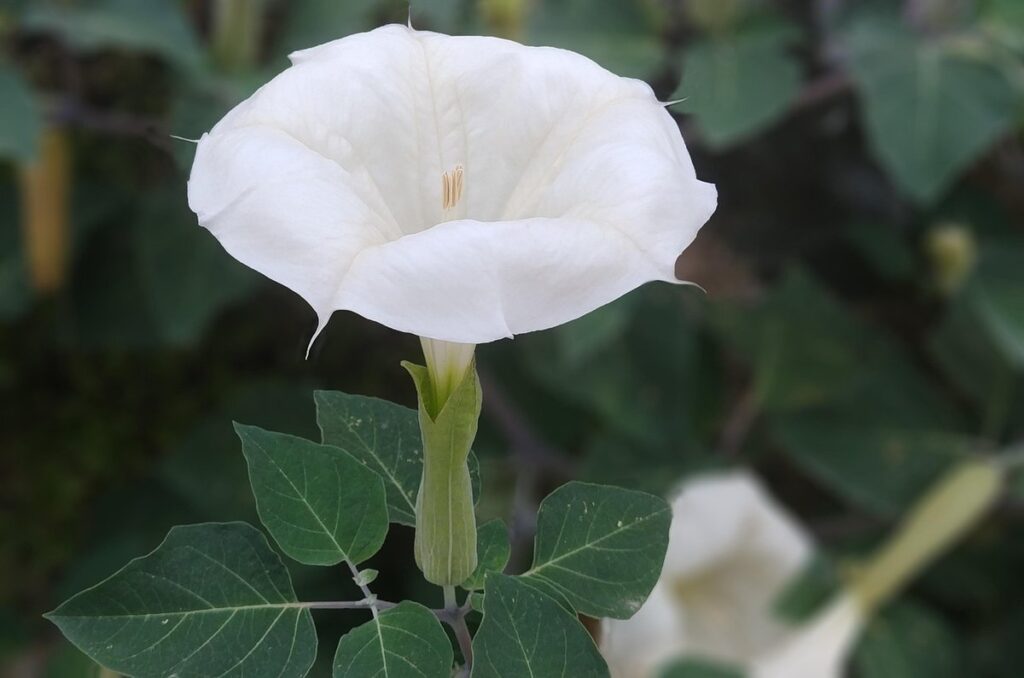
Understanding Toxic Flowers
When it comes to toxic flowers, understanding their hidden dangers is crucial for your safety and the well-being of those around you. We’ll break down the risks and symptoms associated with these plants in this section.
What Makes a Flower Toxic?
When we think of flowers, we often associate them with beauty, fragrance, and serenity. However, some flowers can be hiding a dark secret: they’re toxic to humans and pets. It’s essential to understand what makes certain flowers poisonous, so you can take steps to protect yourself and your loved ones.
Many toxic flowers contain compounds like alkaloids, glycosides, and other hazardous substances that can cause harm if ingested or even just touched. For example, the Lily of the Valley contains a group of compounds called cardiac glycosides, which can be fatal if eaten in small amounts. Similarly, the Aconitum plant, also known as Monk’s Hood, contains alkaloids that can cause nausea, vomiting, and even paralysis.
Some flowers are particularly sneaky because they’re often used in decorative arrangements or potted plants without warning. Take, for instance, the Gloriosa Lily, which looks stunning but has a toxic sap that can irritate skin and mucous membranes. If you suspect your flower is poisonous, err on the side of caution: keep it out of reach, and consider replacing it with safer alternatives.
Common Toxic Flowers Found in Homes and Gardens
When it comes to common toxic flowers found in homes and gardens, some may come as a surprise. Take lilies, for example. While their elegant white blooms are often associated with weddings and special occasions, they contain a toxic compound called Lycorine that can cause oral and gastrointestinal irritation if ingested.
Daffodils (Narcissus pseudonarcissus) are another popular yet poisonous flower. Their bulbs, in particular, contain toxic alkaloids like lycorine and galantamine. If consumed, these toxins can lead to nausea, vomiting, and diarrhea. Even more concerning is the risk of long-term effects on your nervous system.
Hyacinths (Hyacinthus orientalis) are often grown in gardens for their vibrant blue or purple flowers. However, their bulbs contain toxic glycosides that can cause cardiac problems if ingested. In fact, a study found that eating just one hyacinth bulb can lead to serious heart arrhythmias and even death.
To avoid these potential hazards, it’s essential to keep toxic flowers out of reach of children and pets, as well as to plant them in areas where accidental ingestion is unlikely.
Symptoms and Effects of Toxic Flower Exposure
If you suspect someone has been exposed to a toxic flower, it’s essential to understand the immediate symptoms and long-term effects that can occur.
These may include everything from mild allergic reactions to severe poisoning, depending on the type of flower and individual circumstances.
Skin Irritation and Allergic Reactions
When exposed to toxic flowers, one of the most common symptoms experienced is skin irritation. This can range from mild redness and itching to severe blistering and swelling. If you notice any unusual rashes or discoloration after handling a plant, it’s essential to wash the affected area immediately with soap and water. Some people may experience allergic reactions, which can manifest as hives, itching, or difficulty breathing.
If you suspect anaphylaxis, seek medical attention right away. This severe reaction requires immediate treatment with epinephrine and other medications. Certain flowers like lilies, daffodils, and hyacinths contain allergenic compounds that can cause skin irritation in some individuals. If you’re allergic to pollen or have a history of respiratory issues, it’s crucial to exercise caution when handling these plants.
To minimize the risk of exposure, always wear gloves when pruning or repotting toxic flowers, and wash your hands thoroughly afterward. If you experience any symptoms, consult with a healthcare professional for proper diagnosis and treatment.
Ingestion Risks: What Happens When Pets or Humans Eat Toxic Flowers?
When pets or humans ingest toxic flowers, it can lead to severe health issues. Ingestion of toxic flowers can cause gastrointestinal problems, such as vomiting and diarrhea, due to the plant’s ability to irritate the stomach lining. This is often accompanied by neurological symptoms like tremors, seizures, and even coma in extreme cases.
Some plants are particularly notorious for their toxicity. For instance, the Castor Bean (Ricinus communis) is highly toxic and can be fatal if ingested. It contains ricin, a toxin that can cause vomiting, diarrhea, and abdominal pain within hours of consumption. Similarly, the Oleander (Nerium oleander) has cardiac glycosides that can lead to heart problems.
If you suspect someone or something has ingested toxic flowers, it’s essential to act quickly. Keep an eye on the individual for signs of poisoning and seek medical help immediately if symptoms persist. In severe cases, hospitalization may be necessary to manage respiratory failure, seizures, or cardiac arrest. Always keep plants out of reach of pets and children, and familiarize yourself with common toxic flowers in your home or garden to avoid any potential risks.
Prevention and Safety Measures
Now that you know which flowers to avoid, let’s focus on how to prevent accidents and keep your family safe from toxic blooms. We’ll cover essential prevention and safety measures to take in this section.
Identifying and Removing Toxic Plants
Identifying toxic plants can be a daunting task, especially if you’re not familiar with their appearance. The first step is to research the specific flowers and plants in your home and garden to determine if they are toxic. You can consult online resources such as the American Society for Horticultural Science’s list of toxic plants or check with local nurseries and gardening experts.
Once you’ve identified potential threats, take action to remove them from your living space. Wear protective gloves when handling these plants to avoid skin irritation, and wash your hands thoroughly afterward. If you have pets or young children, consider consulting a professional for safe removal.
In addition to physical removal, it’s essential to dispose of toxic plant waste properly. Do not compost or bury the cuttings, as this can cause harm to other plants and animals in the area. Instead, bag the debris and take it to a designated hazardous waste collection site or dispose of it according to local regulations. By taking proactive steps to identify and remove toxic plants, you can create a safer environment for your family and pets.
Pet-Proofing Your Home: Protecting Your Furry Friends from Toxic Flowers
As a pet owner, you likely take great care to create a safe environment for your furry friends. However, even with the best intentions, toxic flowers can still pose a threat. To protect your pets from these hidden dangers, it’s essential to implement some simple yet effective strategies.
First and foremost, keep plants out of reach of your pets by placing them in high locations or using plant stands that are difficult for animals to access. This will not only prevent accidental ingestion but also reduce the likelihood of curious paws knocking over vases or pots.
Another solution is to use plant covers or deterrents. These can be physical barriers, such as netting or fine mesh, which prevent pets from accessing the leaves and flowers. Alternatively, you can try using citrus sprays or other non-toxic deterrents that will deter your pet from nibbling on plants. For example, spraying citrus peels around the plant can help keep curious cats away.
Treatment and First Aid for Toxic Flower Exposure
If you suspect you’ve been exposed to toxic flowers, it’s essential to know what to do next. This crucial information will guide you through the proper treatment and first aid steps.
What to Do in Case of an Emergency
In case of an emergency involving toxic flower exposure, every second counts. If you suspect someone has been poisoned by a toxic flower, call emergency services immediately. Dial the local poison control hotline or 911 (in the US) and provide as much information as possible about the type of flower involved and the severity of the symptoms.
While help is on the way, start providing first aid to the affected person. If they are experiencing severe symptoms such as difficulty breathing, rapid heartbeat, or loss of consciousness, call for emergency assistance right away. Otherwise, try to keep them calm and comfortable until help arrives.
Remove any contaminated clothing or jewelry, and wash the affected area with soap and water to prevent further absorption of toxins. Do not attempt to induce vomiting unless instructed by a medical professional, as this can sometimes do more harm than good. Keep an eye on the person’s vital signs and report any changes to emergency responders when they arrive.
Home Remedies and Treatment Options
If you suspect that someone has been exposed to toxic flowers, it’s essential to act quickly and follow proper treatment guidelines. In some cases, home remedies can provide relief from mild symptoms, but for severe reactions, medical attention is necessary.
Antihistamines are often the first line of defense against allergic reactions caused by toxic flower exposure. Over-the-counter options like diphenhydramine (Benadryl) or loratadine (Claritin) can help alleviate itching, redness, and swelling. However, be sure to follow the recommended dosage instructions carefully, as excessive antihistamine use can lead to drowsiness and other side effects.
Activated charcoal is another home remedy that may help in cases of mild exposure. It can bind to toxins in the digestive system, potentially reducing absorption and alleviating symptoms like nausea or vomiting. Nonetheless, it’s crucial to note that activated charcoal should not be used as a substitute for medical treatment; instead, consider using it under the guidance of a healthcare professional.
If you’re unsure about the severity of the exposure or if symptoms persist, seek medical attention immediately. In severe cases, hospitalization may be necessary to manage more critical reactions, such as difficulty breathing or cardiac issues.
Myth-Busting: Debunking Common Misconceptions About Toxic Flowers
When it comes to toxic flowers, there’s often more myth than fact. Let’s tackle some of the most common misconceptions surrounding these potentially hazardous blooms.
Separating Fact from Fiction: Common Myths and Misconceptions
When it comes to toxic flowers, there’s a lot of misinformation floating around. One common myth is that all lilies are poisonous. While it’s true that some lily species contain toxic compounds called lycorine and galantamine, not all lilies are created equal. In fact, the Easter lily (Lilium longiflorum) contains higher levels of these toxins than other varieties.
Another misconception is that some plants are safe in moderation. Unfortunately, this isn’t always true. For example, while peace lilies (Spathiphyllum wallisii) are often touted as a low-maintenance and pet-friendly option, their leaves contain insoluble calcium oxalate crystals that can cause oral and gastrointestinal irritation if ingested.
Don’t assume that just because you’ve had a plant in your home or garden for years without incident, it’s suddenly safe to let pets or children around it. New research may have identified new toxins or changed our understanding of existing ones, so it’s always better to err on the side of caution and learn about the specific plants in your space. If you’re unsure whether a plant is toxic, check with a trusted source like the ASPCA’s list of toxic and non-toxic plants, or consult with a gardening expert.
The Science Behind Toxic Flower Safety
When we think of flowers, we often envision vibrant colors, sweet fragrances, and delicate petals. But what happens when these beautiful blooms interact with our biology? The reason certain flowers are toxic lies in their unique chemistry. These plants have evolved to produce compounds that help them defend against predators, attract pollinators, or even regulate their own growth.
These compounds, such as alkaloids, glycosides, and saponins, can be particularly hazardous to humans and animals if ingested, inhaled, or even touched. For example, the popular Lily of the Valley contains a cardiac glycoside called coniine, which can slow down heart rates and even cause fatal arrhythmias.
Our bodies may react differently to these toxins based on various factors like metabolism, skin sensitivity, and exposure levels. Some people might experience mild symptoms like rashes or itching, while others might develop severe reactions, such as allergic contact dermatitis or respiratory distress. Understanding the chemistry behind toxic flowers is crucial for us to appreciate their potential risks and take steps to mitigate them.
When handling toxic flowers, wear protective gloves and eyewear to prevent skin irritation and eye exposure. Make sure children and pets avoid touching these plants altogether. If you suspect accidental ingestion or exposure, consult a medical professional immediately.
Conclusion: Taking Action to Protect Yourself and Your Loved Ones
Now that you’ve learned how to identify and avoid toxic flowers, it’s time to take action and create a safe environment for yourself and your loved ones. This section will guide you in taking those crucial next steps.
A Call to Action: How to Make Your Home and Garden Safe from Toxic Flowers
Now that we’ve explored the world of toxic flowers, it’s time to take action and create a safer environment for yourself and your loved ones. The key takeaway from this journey is that even seemingly harmless plants can pose a threat to our health.
Start by identifying and removing any toxic plants from your home and garden. This may require some research on your part, but there are numerous online resources available to help you identify potential threats. For instance, the ASPCA provides a handy list of toxic and non-toxic plants that’s easy to reference. As you go through this process, be sure to involve any family members who may have been tending to these plants.
Once you’ve removed the offenders, take preventive measures to ensure your space remains safe. This includes being mindful of new additions to your garden or indoor plant collection and doing your research before bringing them home. You can also consider implementing a “no-touch” policy when it comes to certain plants, especially if they’re known to be highly toxic.
Staying informed is crucial in this process. Continuously update yourself on the latest information about toxic flowers, their effects, and any emerging threats. Join online communities or forums where you can connect with others who share your concerns and stay up-to-date on the latest research and findings.
Remember, creating a safe environment requires ongoing effort and vigilance. By taking these steps, you’ll be well on your way to protecting yourself and those around you from the hidden dangers of toxic flowers.
Frequently Asked Questions
Can I still keep my toxic flowers if I take precautions to protect myself and pets?
Yes, it’s possible to keep toxic flowers in your home or garden while taking necessary precautions to prevent accidents. This may include keeping plants out of reach, using gloves when handling them, and educating family members and guests about the risks associated with these plants.
How do I know which specific parts of a plant are poisonous?
When dealing with toxic flowers, it’s essential to understand that different parts of the plant can be more or less toxic. For example, some plants may have highly toxic leaves but non-toxic petals. Researching the specific characteristics and risks associated with your plants will help you take informed precautions.
What if I accidentally ingest a small amount of toxic flower sap or pollen?
If you experience mild symptoms such as nausea, itching, or minor skin irritation after accidental exposure to toxic plant material, it’s often possible to treat these issues at home. However, keep in mind that everyone reacts differently, and severe reactions may still occur.
How do I pet-proof my garden or yard to prevent pets from ingesting toxic flowers?
To effectively pet-proof your outdoor spaces, ensure you’re keeping an eye on where pets are exploring and restricting access to areas with known toxic plants. Also, consider using physical barriers such as fencing or gates to keep curious pets away from these areas.
Can I use home remedies for treatment if my child ingests a toxic flower?
While some home remedies may be helpful in alleviating symptoms of minor exposure to toxic flowers, it’s crucial not to underestimate the severity of ingestion risks. If you suspect your child has ingested any part of a toxic plant, seek immediate medical attention or contact a poison control hotline for guidance on proper treatment and care.