
When it comes to gardening, one of the most often overlooked yet crucial aspects is mulching. Mulch acts as a protective barrier against weeds, retains moisture in the soil, and regulates temperature, creating an ideal environment for your plants to thrive. However, with so many types of mulch available – both organic and inorganic – choosing the right one can be overwhelming.
This article will guide you through the best types of mulch for your garden, exploring their benefits, characteristics, and application tips. We’ll also delve into the difference between organic options like wood chips, bark, and leaves, and inorganic choices such as plastic sheeting and gravel. Whether you’re a seasoned gardener or just starting out, understanding the various types of mulch will help you make informed decisions for your garden’s success.
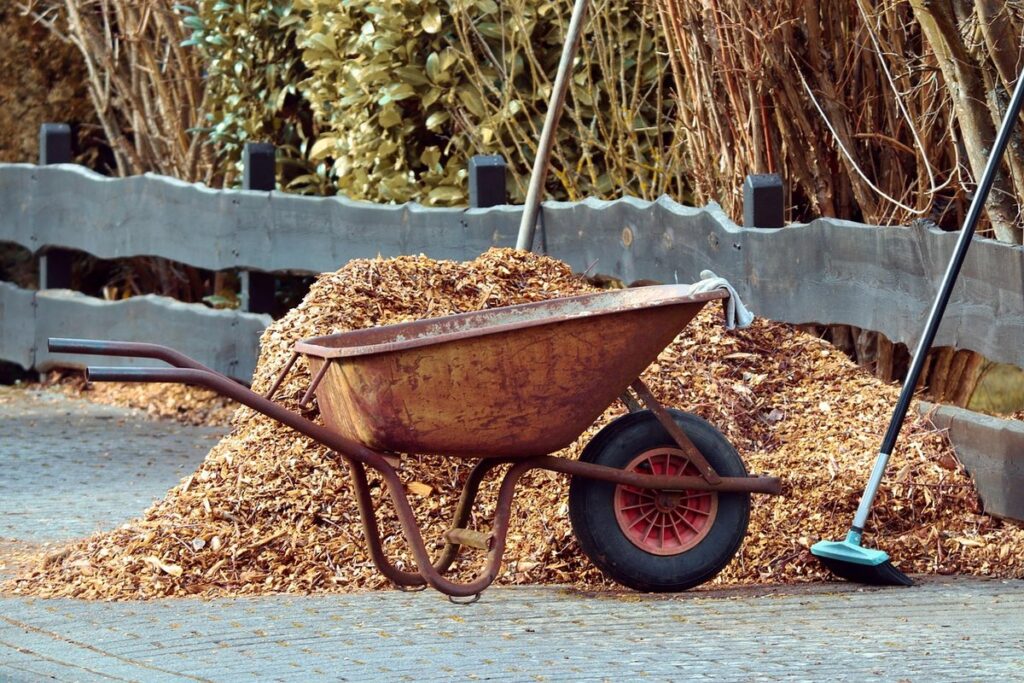
Benefits and Importance of Mulching
Mulching is one of the simplest yet most effective ways to boost your garden’s health, and understanding its benefits will help you make the most of it. Let’s dive into the advantages of mulching for your plants.
What is Mulch and Why Do We Need It?
Mulch is an essential component of garden maintenance, and understanding its purpose and benefits can help you make informed decisions when choosing the right type for your garden. At its core, mulch is a layer of organic material applied to the soil surface to retain moisture, suppress weeds, and regulate soil temperature.
One of the primary functions of mulch is to conserve water by reducing evaporation and preventing soil drying out between waterings. This is especially crucial during hot summer months or in areas with low rainfall. Mulch also acts as a barrier against weed growth, preventing them from germinating and taking over your garden beds. Additionally, organic mulches like wood chips or bark can help improve soil health by adding nutrients and structure as they break down.
In terms of its benefits, mulch has been shown to reduce soil temperature fluctuations by up to 10°F (5°C), creating a more stable environment for plant growth. It also helps retain soil moisture, reducing the need for frequent watering and minimizing water waste. By incorporating mulch into your garden care routine, you can enjoy healthier plants, reduced maintenance costs, and a more sustainable gardening practice overall.
Choosing the Right Location for Mulching
When it comes to mulching, choosing the right location is crucial to reap its benefits. Mulching is not just limited to gardens and flower beds; you can also apply it to pathways, tree rings, and even vegetable patches. However, there are areas where mulching might not be as effective or could even cause damage.
Gardens and flower beds are ideal locations for mulching, as it helps retain moisture, suppress weeds, and regulate soil temperature. Mulch can also help prevent soil erosion and improve soil fertility over time. For example, using a thick layer of wood chips in a vegetable garden can reduce the need for watering by up to 50%. On the other hand, pathways made of mulch can be slippery when wet, so it’s essential to use a type of mulch that provides traction, such as crushed stone or gravel.
Some areas to approach with caution include near plant roots, where excessive moisture from mulch can cause root rot. Also, avoid applying mulch directly under trees, as it can create an environment conducive to pests and diseases. Always remember to leave space between the mulch and tree trunks to allow for air circulation and drainage. By choosing the right location for mulching, you can maximize its benefits and create a thriving garden ecosystem.
Organic Mulch Options
When it comes to organic mulch options, gardeners have a variety of natural and sustainable choices that can benefit their soil and environment. We’ll explore some popular alternatives in this section.
Wood Chips and Shavings
Wood chips and shavings are popular organic mulch options that can provide numerous benefits for gardeners. They’re readily available at most gardening stores or can be sourced from local tree service companies. One of the main advantages of using wood chips and shavings is their ability to suppress weeds, retain moisture in the soil, and regulate soil temperature.
When choosing between wood chips and shavings, consider the size and type of wood. Large wood chips tend to break down slower than smaller ones, releasing nutrients into the soil more gradually. Shavings, on the other hand, can be more prone to drying out and may require reapplication. Some types of wood, like cedar or cypress, contain oils that can inhibit plant growth.
To use wood chips and shavings effectively, apply a 2-3 inch layer around plants, leaving space for air circulation. Replenish the mulch annually as it breaks down. Keep in mind that if you have acidic-loving plants like blueberries or azaleas, avoid using cypress or redwood chips, which can be too alkaline.
Some popular types of wood for mulching include hardwoods like oak and maple, which are denser and break down slower than softwoods like pine. Consider sourcing your wood chips from local, sustainable sources to minimize environmental impact.
Pine Straw and Bark Mulch
When it comes to organic mulch options, pine straw and bark mulch are two popular choices for gardeners. Both materials can significantly improve soil health, retain moisture, and control weeds.
Pine straw mulch, made from the needles of pine trees, is an excellent choice for acidic soils. It’s also relatively inexpensive compared to other types of mulch. When applied correctly, pine straw can reduce soil temperature by up to 10°F, which is beneficial for seedlings and young plants. To use pine straw effectively, apply a 2-3 inch layer around plants, keeping it a few inches away from plant stems.
Bark mulch, on the other hand, is made from tree bark and is often used in woodland gardens or areas with acidic soils. It’s also an excellent choice for retaining moisture and suppressing weeds. When applying bark mulch, make sure to use a fresh layer each year to ensure it continues to break down and provide beneficial nutrients to the soil.
Both pine straw and bark mulch can be replenished annually, which is essential for maintaining their benefits. By incorporating these organic materials into your garden care routine, you’ll not only improve soil health but also create an attractive and weed-free landscape.
Leaves and Grass Clippings
Leaves and grass clippings are excellent organic mulch options that not only reduce yard waste but also provide a nutrient-rich compost for your garden. When used as mulch, leaves and grass clippings can help suppress weeds by blocking light from reaching the soil surface.
One of the benefits of using leaves as mulch is that they’re readily available in most gardens. Simply rake them up and spread them around plants to a depth of 2-3 inches. As they break down, they’ll add organic matter to the soil, improving its structure and fertility.
Grass clippings can also be used as mulch, but it’s essential to note that they should be dry before spreading them out. Fresh grass clippings can create an anaerobic environment, leading to unpleasant odors and potentially harming plants. To minimize this risk, you can mix grass clippings with other organic materials like leaves or shredded bark.
When composting leaves and grass clippings together, aim for a mix of 2/3 “brown” materials (dried leaves, straw) and 1/3 “green” materials (grass clippings, food scraps). This balance will create an ideal environment for microorganisms to break down the materials into a rich compost that can be used as fertilizer in your garden.
Inorganic Mulch Options
If you’re looking for a long-lasting and low-maintenance mulching solution, consider exploring these versatile inorganic options that are perfect for your garden. From gravel to glass, there’s an option out there for you.
Plastic Mulch Films
Plastic mulch films have gained popularity among gardeners due to their durability and effectiveness in suppressing weeds. These thin, plastic sheets are typically applied directly on the soil surface to prevent weed growth and retain moisture. One of the significant advantages of plastic mulch films is their long-lasting performance – they can remain effective for up to 5 years or more, depending on the type and quality.
However, it’s essential to consider the environmental impact of using plastic mulch films. They can contribute to microplastic pollution when broken down by UV radiation, which may harm soil health and contaminate water sources. Moreover, if not disposed of properly, these films can end up in landfills or oceans.
If you’re still interested in using plastic mulch films, make sure to choose a high-quality product that is biodegradable or recyclable. Some types of plastic mulch films are made from recycled materials and may be more environmentally friendly. Always follow the manufacturer’s guidelines for application and disposal to minimize their environmental footprint.
Rubber Mulch
Rubber mulch has become an increasingly popular choice for gardeners and landscapers due to its unique characteristics. Made from recycled tires, rubber mulch is durable, long-lasting, and resistant to rot, mold, and mildew. It’s also relatively low-maintenance compared to other mulch options.
One of the main advantages of using rubber mulch is its ability to suppress weed growth and retain moisture in the soil. However, it can become hot under direct sunlight, potentially causing damage to plants with sensitive roots. Additionally, some users have reported that rubber mulch can leave a slight chemical residue on their skin and clothing.
Despite these potential drawbacks, many gardeners find that the benefits of using rubber mulch outweigh its limitations. For example, rubber mulch is often less expensive than other inorganic options like plastic or metal. It’s also a great choice for areas with high foot traffic, as it can withstand heavy use without showing signs of wear.
When using rubber mulch, be sure to apply a 2-3 inch layer to prevent weed growth and retain moisture. Also, consider mixing in some organic matter like compost or leaf mold to create a more balanced soil environment.
Stone and Gravel Mulch
Stone and gravel mulch is an attractive and functional option for gardeners looking to suppress weeds, retain moisture, and add visual interest to their outdoor spaces. The benefits of using stone and gravel mulch are numerous. For one, it’s incredibly durable and can withstand heavy foot traffic, making it perfect for high-traffic areas like paths and patios. Additionally, stone and gravel mulch is low maintenance, requiring only occasional replenishment as the materials break down over time.
However, there are also some challenges to consider when using stone and gravel mulch. For instance, it can be quite expensive compared to other mulch options, such as wood chips or bark. Furthermore, it may not provide the same level of weed suppression as organic mulches, requiring additional measures like landscaping fabric or regular weeding.
To get the most out of your stone and gravel mulch, consider using a combination of materials for added visual interest and functionality. Mixing in decorative rocks or pebbles with larger stones can create a beautiful and eye-catching design.
Specialty Mulch Options
If you’re looking for something a bit more unique, we’ve got some specialty mulch options that can add extra flair to your garden, from decorative stones to colorful bark blends.
Composted Manure and Worm Castings
Composted manure and worm castings are two exceptional mulch options that offer numerous benefits for gardeners. Composted manure, which is the result of organic waste being broken down by microorganisms, is an excellent source of nutrients for plants. It’s rich in nitrogen, phosphorus, and potassium (NPK), making it perfect for fertilizing your soil without over-fertilizing. Additionally, composted manure helps to improve soil structure by adding beneficial microbes that break down organic matter, leaving the soil with better aeration and drainage.
Worm castings, also known as vermicompost, are another type of nutrient-rich mulch produced by worms feeding on waste. They contain high levels of nitrogen, phosphorus, and micronutrients essential for plant growth. Using worm castings can increase microbial activity in the soil, leading to improved fertility and reduced soil-borne diseases. To incorporate these benefits into your garden, consider adding 1-2 inches of composted manure or worm castings to your beds as a mulch layer. As they break down, they’ll provide an ongoing supply of nutrients for your plants.
Coconut Coir and Peat Moss Mulch
When it comes to mulching, coconut coir and peat moss are two exceptional options that offer unique benefits for specific plants and conditions. Coconut coir, a byproduct of coconut husks, is an excellent choice for acid-loving plants such as azaleas, rhododendrons, and blueberries. Its acidic pH helps maintain the soil’s natural acidity, which is essential for these plants’ growth.
Peat moss, on the other hand, excels in retaining moisture and suppressing weeds. It’s particularly useful for cacti and succulents that prefer dry conditions, as it prevents water loss from the soil. When using peat moss, mix it with other mulch materials to prevent waterlogging, which can lead to root rot.
For plants like orchids and ferns, a blend of coconut coir and peat moss works wonders. The coir provides structural support, while the peat moss maintains moisture levels. To get the most out of these materials, apply them 2-3 inches thick, keeping them away from plant stems to prevent rotting.
Some key tips for using coconut coir and peat moss include:
• Replenish mulch every spring to maintain its effectiveness.
• Test your soil pH before adding any mulching material to ensure compatibility.
• Use a mix of materials for optimal results, as each has its unique strengths.
By incorporating these specialty mulches into your garden, you’ll enjoy improved soil health, reduced water consumption, and enhanced plant growth.
Tips and Considerations
Now that you’ve learned about different types of mulch, let’s dive into some practical tips for selecting the right one for your garden needs and avoiding common mistakes.
How to Apply Mulch Correctly
When applying mulch to your garden, it’s essential to do so correctly to reap its full benefits. The right application technique will help retain moisture, suppress weeds, and regulate soil temperature.
To start, begin by laying down a 2-3 inch layer of mulch around plants, leaving about an inch between the mulch and plant stems. For small gardens or borders, you can spread mulch evenly with a rake or broom. However, for larger areas, consider using a mulching machine or garden cart to make the task more manageable.
When bordering beds or paths, apply a 1-2 inch layer of mulch along the edges, creating a clean and defined look. You can also use a decorative edging material like plastic or metal to contain the mulch and prevent it from spreading into adjacent areas.
Remember to maintain consistent mulch depths and avoid piling it up against plant trunks, as this can cause damage over time. Regular replenishment of mulch is also crucial, especially after heavy rainfall or extreme weather conditions.
Maintenance and Replacement
Regular maintenance is crucial to extend the lifespan of your mulched garden beds. Mulch can break down over time, losing its effectiveness and potentially creating an environment conducive to weed growth and pests. To minimize mulch breakdown, apply a 2-3 inch layer initially and replenish it every 1-2 years as needed.
When replacing mulch, remove the old material completely, including any remaining debris. This allows you to start with a clean slate and prevent potential root damage from decaying mulch. For organic mulches like wood chips or bark, inspect them regularly for signs of mold or mildew. If you notice any, replace the affected area immediately.
It’s also essential to keep mulch a few inches away from plant stems to prevent moisture accumulation, which can lead to root rot and other issues. Replace mulch during seasons with high rainfall or extreme temperature fluctuations to maintain its integrity.
Comparison and Recommendations
Now that we’ve explored the different types of mulch for gardens, let’s compare them side by side to see which one is best suited for your needs.
Choosing Between Organic and Inorganic Mulches
When choosing between organic and inorganic mulches, it’s essential to consider your specific gardening needs, climate, and plant requirements. Organic mulches, derived from natural sources like wood chips, bark, straw, or leaves, offer several benefits. They improve soil health by adding nutrients and microorganisms, suppress weed growth, and regulate soil temperature.
However, organic mulches may require frequent replenishment as they decompose over time. In contrast, inorganic mulches like stone, gravel, or plastic sheets provide a long-lasting solution but can be more expensive upfront. They also don’t contribute to soil health but can prevent weeds effectively.
Consider your climate when making this decision. For areas with high rainfall or humid climates, organic mulches might not be the best choice as they can break down quickly and create maintenance issues. On the other hand, dry climates benefit from inorganic mulches that retain moisture and suppress weed growth.
Ultimately, choose a mulch type that balances your needs for soil health, weed suppression, and aesthetic appeal. Mix and match organic and inorganic options to find the perfect blend for your garden’s specific requirements.
Tips for Mulching in Specific Climate Zones or Regions
When mulching in specific climate zones or regions, it’s essential to consider the unique characteristics of your area. In hot and dry climates, for example, you’ll want to choose a mulch that can retain moisture and regulate soil temperature. Organic mulches like wood chips or straw are excellent choices here, as they allow water to penetrate while keeping the soil cool.
In regions with high rainfall or humidity, on the other hand, it’s crucial to select a mulch that won’t break down too quickly and create an environment conducive to mold and mildew. Consider using inorganic mulches like gravel or decomposed granite, which can help improve drainage and prevent waterlogged soil conditions.
In areas with extreme temperature fluctuations, such as desert landscapes, you may need to use multiple layers of mulch to achieve the desired effect. Start by applying a base layer of decorative rock or gravel, followed by a second layer of organic mulch like pine straw or wood chips.
For regions with intense sunlight and heat, consider using lighter-colored mulches that reflect rather than absorb solar radiation. This can help reduce soil temperature and prevent damage to plants during the hottest summer months. Some examples of suitable light-colored mulches include coconut coir, bark chips, or even recycled paper products.
Frequently Asked Questions
Can I use mulch near plants with poor air circulation?
Yes, you can still use mulch for these plants, but it’s essential to maintain a gap of at least 3-4 inches between the mulch layer and the plant stem. This will prevent moisture buildup and ensure good air circulation.
How often should I reapply mulch in hot climates?
In regions with intense heat, you may need to replenish your mulch supply more frequently, typically every 2-3 months. Monitor the mulch depth and color; when it starts to break down or loses its effectiveness, replenish it with fresh material.
Can I mix different types of organic mulch together?
Yes, combining different types of organic mulch can create a visually appealing and functional layer. Blend wood chips with leaves or pine straw for a diverse texture and benefit profile. Just ensure you’re not overloading the soil with too many acidic materials.
How do I protect my plants from weed growth through mulching?
While mulch helps suppress weeds, it’s not foolproof. For optimal results, remove any visible weeds before applying mulch. Additionally, consider using a 2-3 inch layer of mulch and replenishing it regularly to prevent weeds from growing up through the mulched area.
Can I use recycled plastic mulch in container gardens?
While some types of recycled plastic mulch are designed for container gardening, they may not be suitable for all plants. Check the specific product recommendations and follow the manufacturer’s guidelines for use with your chosen plants to ensure optimal growth and health.