
Are you tired of struggling with poor soil quality and mediocre plant growth? Top dressing your soil with compost is a simple yet effective solution that can make all the difference. Not only does it provide essential nutrients, but it also improves soil structure, increases fertility, and promotes healthy microbial activity – all key factors for optimal plant growth.
In this article, we’ll delve into the benefits of top dressing soil with compost and share expert techniques for incorporating it into your gardening routine. We’ll cover common problems that can be addressed through compost top dressing, such as poor drainage, nutrient deficiencies, and pests. Plus, we’ll provide real-world examples of how compost top dressing has transformed gardens and landscapes. By the end of this article, you’ll have a solid understanding of how to use compost top dressing to take your gardening to the next level.
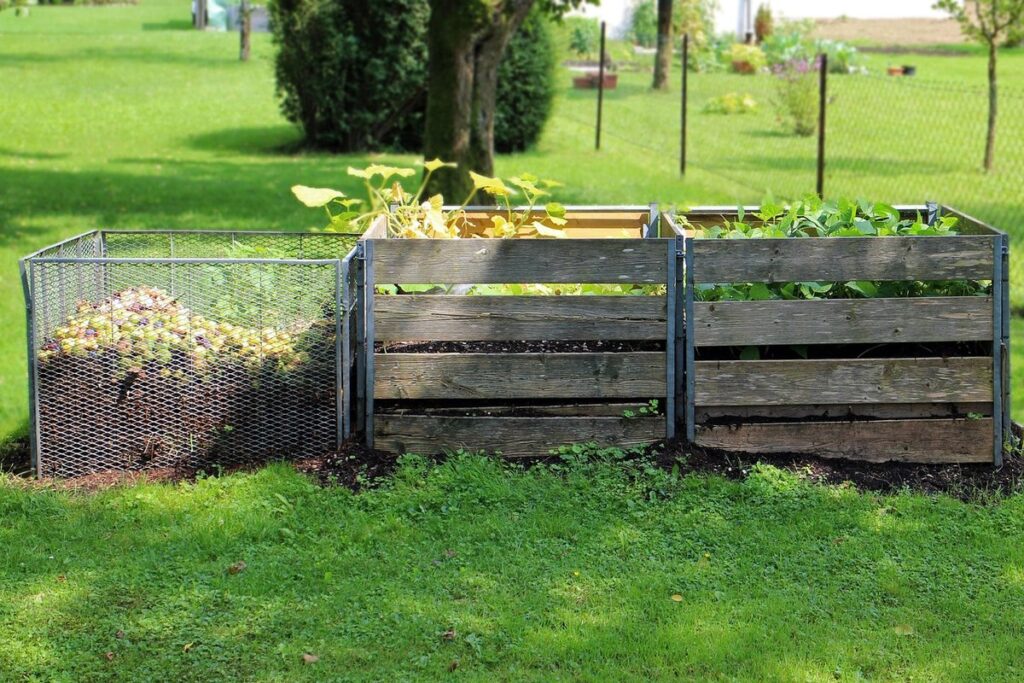
Benefits and Advantages of Top Dressing with Compost
When you top dress your soil with compost, you can expect to see a range of impressive benefits for your garden’s health. Let’s take a closer look at what these advantages are and how they can improve your outdoor space.
Why Compost Matters for Plant Health
Compost is often overlooked as a crucial component of soil health, yet it plays a vital role in maintaining fertile and thriving ecosystems. When you top dress with compost, you’re not just adding nutrients to the soil; you’re also enhancing its structure and overall ecosystem services. This can have a profound impact on plant growth and development.
For instance, compost can improve soil’s water-holding capacity, allowing plants to access moisture more efficiently. It can also increase the availability of essential micronutrients like magnesium and sulfur, which are often lacking in depleted soils. By incorporating compost into your top dressing routine, you’re essentially giving your plants a nutrient-dense boost that promotes healthy growth and resilience.
One key benefit of top dressing with compost is its ability to stimulate beneficial microbial activity in the soil. These microbes help break down organic matter, recycle nutrients, and even produce plant growth promoters like auxins and cytokinins. By creating an environment conducive to microbe proliferation, you’re essentially giving your plants a built-in fertilizer that promotes healthy development from root to tip.
Common Problems Solved by Top Dressing with Compost
One of the most significant advantages of top dressing soil with compost is its ability to address common problems that plague gardens and landscapes. Nutrient deficiencies are a widespread issue, particularly in soils that have been depleted by repeated harvesting or intensive cultivation. Compost can be used to replenish these nutrients, providing essential macronutrients like nitrogen, phosphorus, and potassium.
In addition to nutrient deficiencies, compost top dressing can also help to mitigate pest and disease problems. A study published in the Journal of Environmental Science and Health found that using compost as a soil amendment reduced fungal diseases by up to 90%. Similarly, compost has been shown to repel pests like nematodes and whiteflies.
By incorporating compost into your top dressing routine, you can create a healthier, more balanced ecosystem for your plants. This is particularly beneficial in areas with poor soil quality or where nutrient-poor water is used for irrigation. With regular application of compost, you can expect to see improvements in soil structure, fertility, and overall plant health.
Choosing the Right Type of Compost for Your Needs
When it comes to top dressing soil with compost, choosing the right type is crucial for optimal results. With various types of compost available, selecting the best option can be overwhelming. Let’s break down the different types and guide you on how to choose the perfect one based on your specific needs.
Homemade compost is a cost-effective option, but it requires time and effort to create. If you have the resources, making your own compost from kitchen scraps and yard waste can provide excellent results. Bagged compost, on the other hand, is convenient and readily available at most gardening stores. However, its quality may vary depending on the manufacturer.
If you’re looking for a high-quality, nutrient-rich option, consider worm castings. These are produced by worms breaking down organic matter and are an excellent choice for seed starting and houseplants. Plant type also plays a significant role in choosing the right compost. For example, if you have acid-loving plants like azaleas or blueberries, look for compost with a low pH level.
Ultimately, consider your soil condition, plant type, and budget constraints when selecting the best compost for top dressing.
Preparing the Soil for Top Dressing with Compost
Before you start top dressing your soil, it’s crucial to prepare the soil properly to ensure optimal nutrient uptake and a successful compost application. This involves loosening the soil to a depth of about 8-10 inches.
Assessing Your Soil’s Nutrient Levels
Determining your soil’s nutrient levels is crucial before top dressing with compost. You can start by testing its pH level, which will give you an idea of whether it’s acidic, alkaline, or neutral. A simple DIY kit can help you measure the pH level, but for more accurate results, consider hiring a lab to conduct a comprehensive analysis.
In addition to pH testing, get your soil analyzed for nutrient levels, including nitrogen (N), phosphorus (P), and potassium (K). This will show you which nutrients are in abundance and which need attention. The resulting report may indicate deficiencies in essential micronutrients like calcium, magnesium, or sulfur.
Interpreting the results can be overwhelming, but a general rule of thumb is to focus on areas where compost can make a significant impact. For example, if your soil lacks nitrogen, top dressing with compost high in organic matter will provide a natural boost. Conversely, if you have an abundance of nitrogen and lack phosphorus, use compost rich in this nutrient for optimal benefits.
Keep in mind that these test results are only the starting point; the best approach is to take multiple samples throughout the growing season to get a more comprehensive picture of your soil’s dynamics.
Understanding Soil Types and Their Needs
Soil types vary widely, and each requires unique attention to thrive. Clay soils, for instance, are dense and prone to waterlogging, which can starve plants of oxygen. Loam soils, on the other hand, offer a balanced mix of sand, silt, and clay particles, making them ideal for most garden plants. Sandy soils drain too quickly, leaving roots parched.
When it comes to top dressing with compost, understanding your soil type is crucial. Compost can help address specific issues associated with each soil type. For clay soils, adding compost helps improve drainage and aeration. For loam soils, compost enriches the nutrient profile without overwhelming the soil. Sandy soils benefit from the addition of organic matter, which retains moisture.
To determine your soil type, perform a simple texture test by squeezing a handful: if it forms a tight ball (clay), crumbles easily (loam), or falls apart (sandy). Once you know your soil type, choose a compost that’s specifically formulated to address its needs.
Preparing Your Garden Bed for Compost Application
Before applying compost to your garden bed through top dressing, it’s essential to prepare the soil properly. This involves clearing the area of debris, loosening compacted soil, and leveling the surface.
Start by removing any weeds or debris from the garden bed using a rake or a hoe. This will prevent them from competing with the plants for nutrients and water. Next, use a fork to gently loosen the top 6-8 inches of soil. Avoid over-tilling, as this can damage the existing soil structure and roots.
Check the pH level of your soil and adjust it if necessary. Most vegetables prefer a slightly acidic to neutral soil pH (between 6.0 and 7.0). If you’re unsure about the pH level or nutrient content of your soil, consider getting a soil test done by a local nursery or extension office.
Finally, rake the soil to create a smooth surface for compost application. This will ensure even distribution of the compost and prevent any settling or erosion. By preparing your garden bed in this way, you’ll create an ideal environment for your plants to thrive after top dressing with compost.
Applying Top Dressing with Compost: Techniques and Timing
When it comes to applying top dressing, timing is everything. Let’s dive into the best techniques for incorporating compost at just the right moment for optimal results.
Methods for Spreading Compost
When it comes to spreading compost as top dressing, you have several methods at your disposal. The choice of method depends on the scale and type of project you’re working on. For small areas, such as gardens or pots, hand spreading is often sufficient. This involves simply sprinkling a thin layer of compost over the soil surface using a bucket or scoop.
For larger projects, mechanical spreaders can be more efficient and cost-effective. These devices come in various shapes and sizes, from walk-behind models to tow-behind units. Some are designed specifically for spreading compost, while others can handle multiple materials. When choosing a mechanical spreader, consider factors such as terrain, soil type, and the desired thickness of application.
Other specialized equipment, like aerators or dusters, can be used for more precise control over top dressing applications. These tools allow you to target specific areas or achieve even coverage on slopes. They’re often ideal for large-scale projects where uniformity is crucial.
Determining Optimal Application Rates and Frequency
Determining optimal compost application rates is crucial for maximizing the benefits of top dressing soil with compost. A common mistake is applying too much compost, which can lead to over-fertilization and potential harm to plants. To avoid this, you need to consider several factors when calculating your compost application rate.
Start by assessing your soil type: clay, loam, or sand. Compost application rates vary significantly depending on soil texture. For example, if you have heavy clay soils, you’ll want to apply compost at a 2-3 inch depth, while for sandy soils, it’s best to apply it at a 1-2 inch depth.
Another essential factor is plant density. If your garden is densely planted, you may need to adjust the application rate accordingly. A good rule of thumb is to apply 1/4 inch of compost per week during peak growing seasons. Additionally, consider your plants’ nutrient requirements. For instance, if you’re growing fruit trees or vegetables, they’ll require more nutrients than flowers or grass.
To schedule applications for maximum benefit, aim to top dress your soil in the spring and fall, avoiding periods of high rainfall or drought. This will allow your plants to absorb the nutrients efficiently, promoting healthy growth and reducing the risk of over-fertilization.
Timing Compost Applications for Maximum Effectiveness
When applying top dressing with compost, timing is crucial for maximum effectiveness. This is because compost has a unique ability to influence soil processes and modify its structure over time.
The ideal time to apply compost as a top dressing depends on the specific needs of your garden or lawn. If you’re looking to address nutrient deficiencies, it’s best to apply compost during the growing season when plants are actively taking up nutrients. However, if you want to improve soil structure and increase water retention, applying compost in the fall or early spring may be a better option.
A good rule of thumb is to apply 1/4 inch (6-8 mm) of compost as a top dressing once every 2-3 months during the growing season. This can help maintain optimal nutrient levels and promote healthy microbial activity in your soil.
Monitoring Progress and Adjusting Your Strategy
As you start applying compost top dressing, it’s essential to regularly monitor its effects on your soil and adjust your approach as needed. This ensures optimal results and a healthy growing environment for your plants.
Tracking Plant Health and Growth
As you begin to see the positive impact of top dressing with compost on your plants, it’s essential to track their progress and adjust your strategy accordingly. This involves monitoring key metrics that indicate plant health and growth.
Start by observing visual changes such as increased leaf density, enhanced root development, and improved overall plant structure. You can also measure the rate of water absorption and retention in the soil, which is often a sign of improved soil biota and fertility. For example, if you notice your plants requiring significantly less watering after top dressing with compost, it’s likely due to improved soil moisture retention.
To track progress more accurately, set benchmarks for specific metrics such as:
* Plant growth rate: aim for 10-20% increase in leaf size or stem length within the first month
* Soil moisture levels: target an optimal range of 40-60% moisture content
* pH balance: maintain a stable pH between 6.0 and 7.0
Regularly monitoring these metrics will help you identify areas for improvement, allowing you to fine-tune your top dressing strategy for even better results in the future.
Making Adjustments Based on Soil Analysis Results
When you receive the soil analysis results, it’s essential to review them carefully and use the information to inform future applications of top dressing. This will help you optimize the benefits of compost for your plants while minimizing potential drawbacks.
Firstly, let’s consider adjusting application rates based on nutrient levels in the soil. If the analysis reveals high levels of nitrogen or phosphorus, it may be necessary to reduce the frequency or amount of compost applied. On the other hand, if the results show low levels of essential micronutrients, you may want to increase the application rate.
Timing is also crucial. Soil analysis can indicate whether your soil is more prone to leaching during certain periods. For example, if the test shows high levels of nitrogen in the topsoil but low levels deeper down, it may be best to apply compost after heavy rainfall or irrigation events when the nutrient-rich water is likely to leach away.
In some cases, the analysis might suggest using a different type of compost altogether. This could involve choosing between finished compost and raw compost, or selecting a product with specific amendments tailored to your soil’s unique needs.
Remember that every site is different, so don’t be afraid to experiment and adjust as you go. Regular monitoring will help you refine your top dressing strategy over time.
Common Mistakes to Avoid When Top Dressing with Compost
When top dressing soil with compost, there are several common mistakes to avoid if you want to see optimal results. One of the most significant errors is applying too much compost at once. This can lead to an overabundance of nutrients, causing the plants to become scorched and potentially even killing them.
Another mistake is neglecting to blend the compost with other soil amendments before applying it to the surface. This can result in uneven nutrient distribution and a buildup of excess carbon, which can attract pests and create anaerobic conditions in the soil.
It’s also crucial not to top dress during peak growing seasons or when plants are under stress. Instead, aim to apply compost during periods of dormancy or transition, such as after pruning or before new growth begins. This allows for a more balanced intake of nutrients without overwhelming the plants’ systems.
By being mindful of these common pitfalls and taking a thoughtful approach, you can reap the full benefits of top dressing with compost and create a thriving, fertile soil ecosystem that supports your plants’ optimal health and productivity.
Case Studies and Real-World Examples
Let’s dive into some real-world examples that demonstrate the benefits of top dressing soil with compost, including success stories from gardeners just like you.
Successful Implementations in Various Environments
From small gardens to large-scale agricultural projects, top dressing soil with compost has been successfully implemented across various environments. In a Mediterranean climate, for instance, farmers have seen significant improvements in soil fertility and crop yields by applying a 1-inch layer of compost on their vineyards. This approach not only reduced the need for synthetic fertilizers but also enhanced the overall health of the soil ecosystem.
Similarly, in areas with poor soil quality, such as those affected by heavy metal contamination, top dressing with compost has been shown to be an effective remediation strategy. By applying a thick layer of compost (up to 4 inches), researchers have observed a substantial decrease in toxic metal levels and an increase in beneficial microorganisms.
Regardless of the climate or soil type, successful top dressing projects share one common factor: regular monitoring and maintenance. This involves periodic testing of soil pH, nutrient levels, and microbial activity to ensure that the compost is working effectively. By adapting this approach to their specific needs, gardeners and farmers can reap the rewards of improved soil health and increased crop productivity.
Lessons from Failed or Ineffective Applications
When approaching top dressing soil with compost, it’s essential to learn from those who have attempted it before. One common mistake is applying too much compost at once, leading to an overabundance of nutrients that can burn plant roots. For instance, a study on urban agriculture found that excessive compost application resulted in reduced crop yields and decreased soil fertility.
In another case, a gardener applied compost to a lawn without considering the underlying soil type, resulting in poor nutrient uptake and minimal benefits. This highlights the importance of understanding your specific soil conditions before top dressing with compost.
To avoid these pitfalls, it’s crucial to start small and gradually increase the amount of compost as needed. A general rule of thumb is to mix 1-2 inches of compost into the top 4-6 inches of soil. Monitor your plants’ response and adjust accordingly. It’s also vital to choose a high-quality compost that suits your specific needs, whether it be for gardens, lawns, or container plants.
Frequently Asked Questions (FAQs)
We’ve had many readers reach out with questions about top dressing soil with compost, so let’s address a few of them here. Check out these answers to common questions and concerns you may have!
Common Misconceptions About Top Dressing with Compost
Many gardeners and landscapers are familiar with top dressing soil with compost, but there are still some common misconceptions surrounding this practice. Let’s address a few of these misconceptions to help you make the most out of top dressing with compost.
Firstly, many people assume that top dressing with compost is only beneficial for improving the fertility of the soil. While it’s true that compost adds nutrients and micronutrients to the soil, its benefits extend far beyond just fertility. Compost also helps improve the structure and drainage of the soil, which can lead to better root growth and healthier plant development.
Another misconception is that top dressing with compost should be done every year. This isn’t necessarily true. The frequency of application depends on various factors such as the type of plants being grown, the pH level of the soil, and the amount of organic matter already present in the soil. A general rule of thumb is to apply a 1-2 inch layer of compost once or twice a year.
Some gardeners also worry that top dressing with compost will “burn” their plants if applied too heavily. This concern is often based on the fact that fresh compost can have high levels of ammonia, which can be toxic to some plant species in large quantities. However, most commercial compost products are designed to be low in ammonia and can be safely applied at recommended rates.
In reality, the benefits of top dressing with compost far outweigh any potential risks. By incorporating compost into your soil care routine, you’ll enjoy a range of benefits including improved soil health, increased crop yields, and reduced water consumption.
Frequently Asked Questions
What are the long-term effects of top dressing with compost on soil fertility?
Top dressing with compost can lead to sustained increases in soil fertility, as beneficial microorganisms continue to break down organic matter and release essential nutrients. With regular applications, your soil’s nutrient levels will remain high, promoting optimal plant growth.
Can I use homemade compost for top dressing, or should I purchase it from a supplier?
Yes, you can use homemade compost, but ensure it has reached maturity (typically after 6-12 months) and is free of contaminants. Purchasing compost from a reputable supplier can provide consistency and guaranteed nutrient content, especially if your homemade composting process may not have achieved optimal results.
How often should I apply top dressing with compost to my garden beds?
The frequency of applications depends on soil type, climate, and plant growth rate. Aim for annual or bi-annual applications during the growing season (spring-fall), adjusting as needed based on observed soil health improvements and plant response. Soil analysis can help determine optimal application rates.
What are common mistakes to avoid when top dressing with compost, especially in terms of spreading methods?
Avoid over-saturation by applying too much compost at once, which can lead to waterlogging and nutrient imbalances. Also, be cautious not to compact the soil during spreading, as this can damage its structure and hinder root growth.
Can I mix different types of compost or add other amendments with top dressing for enhanced benefits?
Yes, you can blend various composts (e.g., worm castings, leaf mold) or combine them with other natural amendments like manure tea or mulch to create a customized blend. However, ensure these additives are biodegradable and won’t disrupt microbial balances within the soil ecosystem.