
Are you growing tomatoes from seedlings or starting them indoors? If so, you’re likely no stranger to the dreaded transplant shock. It’s that stressful moment when your tomato plants suddenly find themselves in a new environment, leaving them vulnerable to disease and pests. Tomato transplant shock can set back even the most enthusiastic gardeners. However, with the right guidance, you can prevent this common issue and help your tomatoes thrive. In this article, we’ll share expert tips on optimal growing conditions, pruning techniques, and stress-reducing methods to ensure a smooth transition for your tomato plants. By learning how to recover from transplant shock, you’ll be well on your way to enjoying a bountiful harvest of juicy, delicious tomatoes.
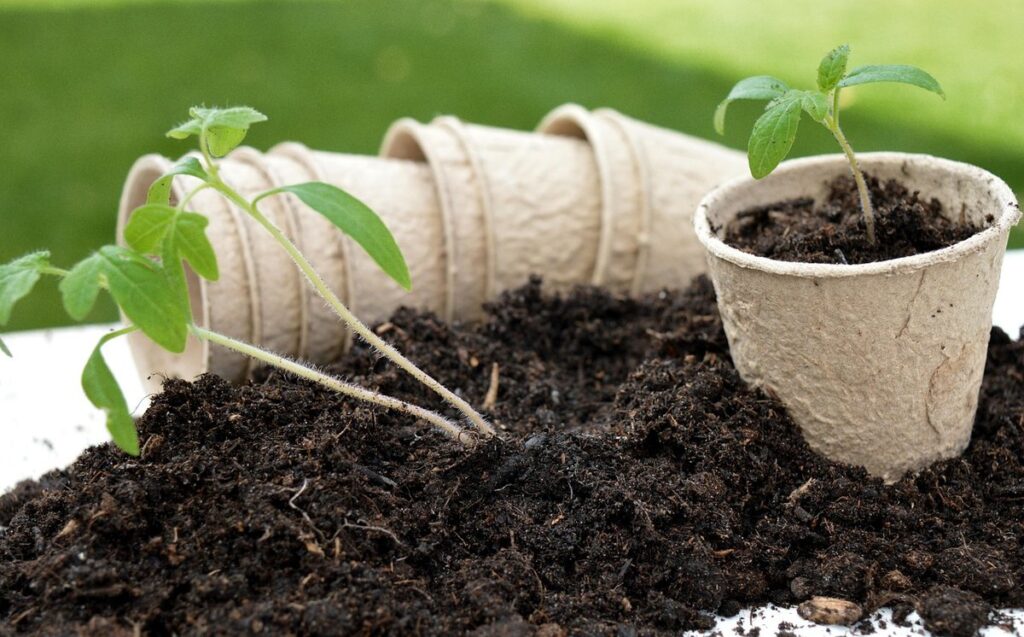
Understanding Tomato Transplant Shock
Tomato transplant shock can be a stressful experience for any gardener, but understanding its causes and signs is key to taking effective action. Let’s break down what you need to know about this common issue.
What is Transplant Shock in Tomatoes?
Transplant shock is a common issue that can occur when tomato plants are moved from one location to another. It’s characterized by symptoms such as yellowing leaves, stunted growth, and reduced fruit production. But what exactly causes transplant shock, and how does it affect your tomato plants?
When you transplant tomatoes, the roots are disturbed, causing the plant to undergo stress. This can lead to a range of problems, including dehydration, nutrient deficiencies, and increased susceptibility to diseases. The plant’s ability to absorb water and nutrients is disrupted, making it more difficult for the plant to recover.
The severity of transplant shock can vary depending on factors such as the time of year, soil quality, and handling during transportation. To minimize the risk of transplant shock, it’s essential to handle your tomato plants gently when moving them, ensure they receive adequate water and nutrients after transplanting, and provide a suitable growing environment. By understanding the causes of transplant shock and taking steps to prevent it, you can give your tomato plants the best chance of recovery and optimal growth.
Symptoms of Transplant Shock in Tomatoes
When you notice that your tomato plants are struggling after being transplanted, it’s essential to recognize the common symptoms of transplant shock. One of the first signs is yellowing or droopy leaves. This can be a result of the plant adjusting to its new environment and getting accustomed to the available light and water.
Another symptom is stunted growth, where your tomato plants appear to have slowed down their development process. The seedlings may not reach their expected height or spread out as they normally would. Reduced fruit production is also another common symptom of transplant shock.
Other signs can include curled or wrinkled leaves, leaf drop, and an overall weakened appearance of the plant. These symptoms can be caused by a variety of factors including shock from the move, inadequate watering, temperature fluctuations, and insufficient light.
To identify if your tomato plants are experiencing transplant shock, inspect them regularly for these symptoms and address any issues promptly to prevent further damage and promote recovery.
Causes of Transplant Shock in Tomatoes
Transplant shock can happen to even the healthiest tomato seedlings, and it’s essential to understand what causes it so you can take steps to prevent it. Common factors include sudden changes in temperature, humidity, or light exposure.
Over-Handling During Transplantation
When transplanting tomato seedlings into larger containers or directly into the garden, it’s essential to handle them with care to minimize stress. Over-handling during transplantation can cause significant stress to the plant, leading to transplant shock.
Tomato plants have a delicate root system that can easily become damaged when handled roughly. Excessive digging, pulling, or prying around the roots can disrupt their growth and development. When this happens, the plant becomes stressed, making it more vulnerable to disease and pests. A study published in the Journal of Experimental Botany found that root damage during transplantation can lead to a significant reduction in yield.
To avoid over-handling during transplantation, gently remove the seedlings from their containers, taking care not to disturb the roots. Handle the stem rather than the leaves to prevent damaging the plant’s delicate tissue. If you must handle the roots, use a soft-bristled brush or your fingers to gently tease out any tangled growth. By being gentle and careful during transplantation, you can reduce the risk of transplant shock and give your tomato plants the best chance for a healthy recovery.
Root Damage During Transplantation
When transplanting tomato seedlings into larger containers, it’s crucial to handle their roots with care. Minimizing root disturbance is essential to prevent transplant shock and promote healthy growth.
Root damage during transplantation can be caused by factors such as over-handling of the roots, exposing them to air, or physically damaging the delicate root system. To reduce root damage, gently separate seedlings from their containers using a blunt tool like a spoon or your fingers. Avoid pulling on the stem or leaves, which can cause unnecessary stress and damage.
Before transplanting, loosen the soil around the roots with a fork to make it easier to remove the seedling without causing breakage. Water the soil lightly before handling the seedlings to prevent root exposure to air. When placing the seedlings in their new containers, position them at the same depth as they were previously and firm the surrounding soil gently but firmly.
By taking these precautions, you can reduce the risk of root damage during transplantation and give your tomato seedlings a better chance at a healthy start.
Environmental Stressors After Transplanting
When transplanting tomatoes, it’s essential to consider the environmental factors that can contribute to transplant shock. Temperature fluctuations are a significant stressor for young tomato plants. Sudden changes in temperature can cause the plant to go into shock, making it difficult for the plant to recover. For example, if you’re transplanting outside on a warm day and then bringing the seedlings inside at night, the sudden drop in temperature can be detrimental.
Humidity is another critical factor that can impact tomato plants during transplanting. Tomatoes prefer well-draining soil with moderate humidity levels. If the air is too humid or too dry, it can cause stress to the plant. To mitigate this, ensure you’re providing adequate ventilation and using a trellis or other support system to keep the plant upright.
Light exposure also plays a significant role in transplant shock recovery. Young tomato seedlings require filtered light or bright indirect light to photosynthesize efficiently. Avoid exposing them to direct sunlight, which can cause scorching of the leaves. By controlling temperature, humidity, and light exposure, you can create a favorable environment for your tomato plants to recover from transplant shock.
Recovering from Tomato Transplant Shock
If you’re dealing with tomato transplant shock, there are steps you can take to help your plants recover and thrive. This section will explore those recovery methods in more detail.
Providing Optimal Growing Conditions
When it comes to helping your tomato plants recover from transplant shock, providing optimal growing conditions is crucial. First and foremost, ensure they’re getting sufficient water. Tomato plants need about 1-2 inches of water per week, either through rain or irrigation. However, avoid overwatering as this can cause root rot and further stress the plant.
Next, provide your tomato plants with a balanced fertilizer to replenish any nutrients lost during transplanting. Use a 10-10-10 N-P-K ratio fertilizer (nitrogen-phosphorus-potassium) and follow the manufacturer’s instructions for application rates.
Finally, ensure your tomato plants are getting enough sunlight. Tomato plants need full sun to produce well, so choose a location that receives at least six hours of direct sunlight per day. If you’re growing in containers, consider using larger pots or trellises to maximize space and promote healthy growth.
By meeting these basic needs, you’ll be giving your tomato plants the best chance to recover from transplant shock and thrive throughout the season. Keep a close eye on your plants’ response to these conditions and adjust as needed to ensure optimal recovery.
Pruning and Training Techniques
When recovering from transplant shock, it’s essential to promote healthy growth and minimize stress on your tomato plants. Pruning and training techniques can play a significant role in achieving this goal. For example, pruning helps remove weak and damaged leaves, which can harbor disease-causing pathogens and compete with the plant for water and nutrients.
To prune effectively, start by removing any dead or diseased leaves, taking care not to damage the remaining foliage. This will help prevent the spread of disease and direct the plant’s energy towards healthy growth. Next, focus on reducing the plant’s overall height by about one-third to half, which will encourage bushy growth and more fruiting branches.
As for training techniques, consider using tomato cages or trellises to provide support and keep the plant upright. You can also prune the plant to promote an open center, allowing sunlight to penetrate and promoting even ripening of the fruit. By implementing these pruning and training techniques, you’ll be able to reduce stress on your recovering tomato plants and promote healthy growth for a bountiful harvest.
Monitoring Plant Health Closely
Monitoring plant health closely is crucial during the recovery process from tomato transplant shock. Check on your plants daily to identify any signs of stress, such as yellowing leaves, droopy stems, or black spots on the fruit.
Look for signs of nutrient deficiencies, including curled or distorted leaves, stunted growth, and reduced flowering. If you notice any of these symptoms, adjust your fertilization schedule accordingly.
Water your tomato plants deeply once a week to encourage deep root growth, which will help them recover from transplant shock more quickly. Avoid getting water on the leaves to prevent fungal diseases.
Regularly inspect the soil moisture by inserting your finger into the soil up to the first knuckle. If the soil feels dry, it’s time for watering. Keep in mind that overwatering can be detrimental to plants recovering from transplant shock, so monitor their needs closely.
If you notice any pests or diseases on your tomato plants, take action promptly to prevent further damage. Prune off affected areas and treat the plant with a fungicide or insecticidal soap as needed. By keeping a close eye on your plants’ health, you can identify potential issues early and implement corrective measures to support their recovery from transplant shock.
Preventing Tomato Transplant Shock in the Future
Let’s focus on prevention strategies to help you avoid transplant shock altogether, ensuring a healthy start for your tomato plants from the very beginning.
Preparing Seedlings for Transplantation
To minimize transplant shock and give your tomato seedlings the best chance at success, it’s essential to prepare them for outdoor conditions before moving them to their final location. This process is called hardening off, and it involves gradually exposing your seedlings to sunlight, wind, and cooler temperatures over a period of 7-10 days.
Start by placing your seedlings in a shaded area outdoors for 1-2 hours a day, then gradually increase the duration and exposure to direct sunlight. Make sure to water them well before moving them outside, as this will help prevent shock due to dehydration. Monitor your seedlings’ response to outdoor conditions and adjust their acclimation schedule accordingly.
To further harden off your seedlings, you can also use row covers or cold frames to provide protection from extreme temperatures and wind. This will help them develop the necessary resilience to withstand outdoor conditions, reducing the risk of transplant shock. By taking these simple steps, you’ll be giving your tomato seedlings a strong foundation for healthy growth and development, setting them up for a successful recovery from potential transplant shock.
Choosing a Suitable Transplant Time
When transplanting tomatoes into their final growing position, timing is everything. Getting it right can make all the difference between a thriving plant and one that’s struggling to recover from shock. The key is to choose a suitable transplant time based on weather and temperature conditions.
In general, it’s best to transplant tomatoes when the soil has warmed up and the risk of frost has passed. For most regions, this means waiting until late spring or early summer, around 6-8 weeks after the last frost date. This allows the tomato plants to adjust to their new environment without being exposed to harsh weather conditions.
Look for a stretch of mild weather with temperatures ranging from 60°F to 70°F (15°C to 21°C). Avoid transplanting during periods of intense heat, cold snaps, or heavy rainfall, as these can further stress the plant. By timing your transplant correctly, you’ll give your tomatoes the best chance at a healthy recovery and a productive harvest.
Bonus Tips for Tomato Growers
If you’re looking to give your tomatoes a boost after transplant shock, these bonus tips will help you get them thriving in no time. From pruning techniques to optimal watering schedules.
Additional Considerations for Indoor Growers
When it comes to recovering from transplant shock as an indoor grower, there are some key considerations to keep in mind. For one, using grow lights can make a huge difference. Not only do they provide the necessary light for healthy growth, but they also allow you to control the intensity and duration of light exposure – both crucial factors in mitigating transplant shock.
Optimizing your pot size is another essential consideration. Since indoor growers often have limited space, it’s tempting to use small pots to fit more plants into a given area. However, this can actually exacerbate transplant shock by causing the roots to become root-bound and stressed. Instead, aim for larger pots that provide ample room for the roots to grow outwards.
Aim for a pot size that is at least 2-3 times the recommended size for your specific tomato variety. This will give the roots plenty of space to breathe and help prevent waterlogged soil – a common issue in smaller pots. By taking these simple steps, you can greatly reduce the risk of transplant shock and set your indoor tomatoes up for success.
Frequently Asked Questions (FAQs)
As you continue to grow and care for your tomato plants, it’s not uncommon to encounter transplant shock. This common issue can be frustrating, especially if you’ve invested time and effort into nurturing your seedlings. To help alleviate some of the uncertainty surrounding transplant shock recovery, we’ve compiled a list of frequently asked questions (FAQs) that address some of the most pressing concerns.
Q: What causes transplant shock in tomato plants?
Transplant shock occurs when the roots of the plant are disturbed or damaged during the transplant process, disrupting their ability to absorb water and nutrients. This stress can be exacerbated by factors such as extreme weather conditions, inadequate soil quality, or overwatering.
Q: How long does it take for a tomato plant to recover from transplant shock?
The recovery time will vary depending on the severity of the shock and the overall health of the plant. Generally, you can expect your tomato plant to take around 1-2 weeks to recover fully.
Q: What are some steps I can take to prevent transplant shock in future plants?
To minimize the risk of transplant shock, make sure to handle seedlings gently during transplantation, avoid exposing them to extreme temperatures or light conditions, and provide a consistent watering schedule. By taking these precautions, you’ll be well on your way to enjoying a healthy and thriving crop.
Q: Can I use any treatments or products to speed up the recovery process?
While there aren’t any specific products that can magically cure transplant shock, using a balanced fertilizer at half-strength can help promote healthy root growth. Additionally, ensure your plants receive sufficient light and maintain optimal temperatures (around 65-70°F) during the recovery period.
Frequently Asked Questions
How long does it take for tomato plants to recover from transplant shock?
The recovery time for tomato plants can vary depending on the severity of the transplant shock and the growing conditions. Generally, you can expect your tomato plants to start showing signs of recovery within 1-2 weeks after transplanting, but optimal growth may take 4-6 weeks.
Can I prevent transplant shock in my tomato seedlings by hardening them off indoors?
Yes. Hardening off your tomato seedlings before transplanting can help reduce the risk of transplant shock. This process involves gradually exposing the plants to outdoor conditions over a period of 7-10 days, allowing them to adjust and become more resilient.
How do I know if my tomato plant is experiencing root damage due to transplant shock?
Check for signs such as stunted growth, yellowing leaves, or wilting. If you suspect root damage, gently inspect the roots without damaging them further. Consider repotting your tomato in a well-draining mix and providing optimal growing conditions.
Can I still save my tomato plant if it’s been affected by transplant shock for an extended period?
Yes. Even if your tomato plant has shown signs of transplant shock for several weeks, you can still take steps to recover it. Focus on providing the right growing conditions, pruning techniques, and stress-reducing methods outlined in this article.
What are some common environmental stressors I should be aware of after transplanting my tomato plants?
Be mindful of temperature fluctuations, overwatering, and exposure to pests or diseases. Ensure your tomato plants receive sufficient sunlight (at least 6 hours a day) and maintain optimal soil moisture levels. Regularly inspect your plants for any signs of stress or disease.