
Tomato plants are one of the most popular garden staples, providing flavor and nutrients to our meals. However, these beloved plants can be vulnerable to infestations by tomato spider mites, tiny pests that can quickly drain your plant’s energy and lead to reduced yields or even plant death.
If you’re struggling with a tomato spider mite problem in your garden, don’t worry – there are effective methods to control these pests. In this article, we’ll explore both organic and chemical options for managing tomato spider mites, so you can choose the best approach for your garden’s needs. We’ll also cover prevention techniques to help keep these pesky pests at bay and ensure a healthy harvest season. Whether you’re a seasoned gardener or just starting out, our expert tips will help you take back control of your tomato plants and enjoy a thriving garden.
Understanding Tomato Spider Mites
To fully tackle tomato spider mite control, it’s essential to first understand what these tiny pests are and how they affect your plants. Let’s dive into their behavior and life cycle.
What are Tomato Spider Mites?
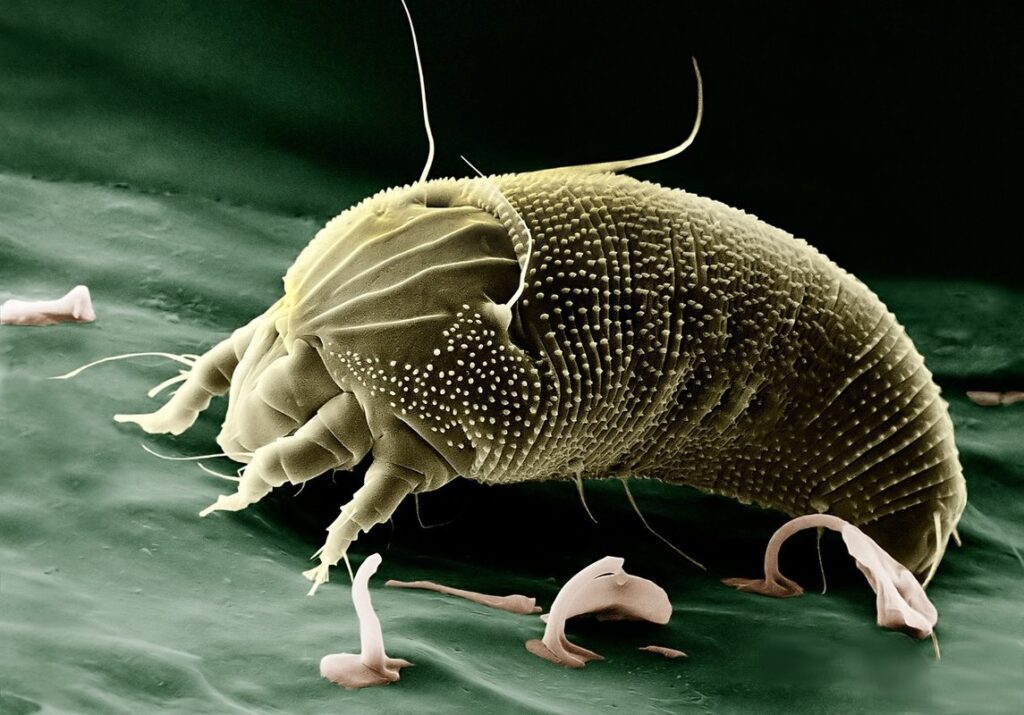
Tomato spider mites are microscopic, eight-legged arachnids that feed on plant sap, causing significant damage to tomato crops. These tiny pests are about 1/20 inch (0.5 mm) long and have a distinctive oval shape with a reddish-brown color. They thrive in warm temperatures between 65°F to 85°F (18°C to 30°C), making them a common problem for gardeners in regions with mild winters.
Tomato spider mites are notorious for their ability to multiply rapidly, producing multiple generations within a short period. Female mites can lay up to 200 eggs at a time, which hatch into larvae within three days. As they feed on plant sap, tomato spider mites inject toxins that cause yellowing leaves, stunted growth, and reduced fruit production.
Infested plants often exhibit white or yellowish webs on the undersides of leaves, which is a hallmark sign of a tomato spider mite infestation. These pests can also transmit viral diseases like tomato spotted wilt virus, making it essential to identify and manage them promptly.
Identifying Common Signs of Infestation
When inspecting your tomato plants for signs of spider mite infestation, it’s essential to look out for common indicators that can alert you to the problem. One of the first signs is a fine webbing on the undersides of leaves or along stems, often appearing as a cottony or silky texture. This webbing is produced by the female spider mites as they spin protective shelters.
Another indication of infestation is the presence of tiny, moving dots on the leaves or stems. These are actually the spider mites themselves, which can be difficult to spot with the naked eye due to their small size – about 1/20 inch long. If you notice yellowing or stunted growth on your tomato plants, it may also be a sign that spider mites have taken over.
To confirm an infestation, gently brush off any affected leaves or stems and inspect them more closely under magnification. You can also check for the presence of eggs – tiny, oval-shaped white specks attached to the undersides of leaves. Spotting these signs early on allows you to take swift action against the spider mite population before it spirals out of control.
The Importance of Early Detection
Early detection of tomato spider mites is crucial in controlling their infestations. If left undetected for too long, these tiny pests can cause significant damage to your tomato plants. Their feeding activity can weaken the plant’s immune system, making it more susceptible to diseases and other pests. In severe cases, infested plants may even die.
The key challenge lies in identifying spider mite infestations early on, as they are often difficult to detect with the naked eye. However, there are some telltale signs that can indicate an impending problem. Look for fine webbing or threads on the underside of leaves, a sign of extensive mite activity. Also, inspect for actual mites themselves, typically found along leaf veins.
It’s essential to monitor your plants regularly, at least once a week, to catch these early warning signs. Keep in mind that spider mites reproduce quickly, so prompt action is necessary to prevent the situation from escalating further. By detecting infestations early on, you can limit damage and reduce the need for more drastic control measures later down the line.
Preparing Your Garden for Mite Control
Before you can effectively tackle tomato spider mites, it’s essential to prepare your garden by eliminating any existing conditions that might attract them. This involves a thorough examination of your soil and plants.
Choosing the Right Tomato Variety
When selecting tomato varieties for your garden, it’s essential to consider their resistance or tolerance to spider mites. These pests can cause significant damage to plants, and some varieties are more prone to infestation than others.
Look for tomato varieties that have been bred specifically with mite-resistance in mind. Some popular options include ‘Better Boy’, ‘Early Girl’, and ‘Patio’. These varieties have built-in mechanisms to help prevent mite populations from getting out of control.
Another factor to consider is the plant’s growth habit. Bush tomatoes, for instance, tend to be less susceptible to mites than indeterminate varieties. This is because bush tomatoes have a more compact, contained growth habit that makes it harder for mites to access the plant’s leaves.
When choosing a variety, also take into account its climate and region-specific characteristics. Some regions may be more prone to spider mite infestations due to factors like humidity and temperature fluctuations.
In general, opting for open-pollinated or heirloom varieties can provide more natural resistance to pests. These varieties have been developed over time through selective breeding, incorporating beneficial traits that help plants adapt to local conditions.
Soil Preparation and pH Management
Preparing the soil and managing pH levels is crucial to creating an environment that’s less conducive to spider mite infestations. Tomato plants thrive in well-draining soil with a slightly acidic to neutral pH range, typically between 6.0 and 7.0.
When it comes to preparing your garden bed for tomato planting, start by testing the pH level of your soil. You can use a DIY kit or send a sample to a lab for analysis. Based on the results, you may need to amend the soil with lime to raise the pH or sulfur to lower it.
To prevent spider mites from thriving in the first place, focus on creating a balanced and nutrient-rich soil environment. Incorporate compost or well-rotted manure into your soil to improve its structure and fertility. Avoid over-fertilizing, as this can lead to weak plant growth that’s more susceptible to pest infestations.
Some beneficial microorganisms like Trichoderma and Bacillus can help control spider mite populations by competing for resources and space on the plants’ roots.
Integrated Pest Management (IPM) Principles
When managing tomato spider mites, it’s essential to adopt an integrated approach that incorporates multiple strategies to prevent and control infestations. This is where Integrated Pest Management (IPM) principles come into play. IPM is a holistic method of pest management that considers the entire ecosystem, including your garden, and uses a combination of techniques to minimize harm to the environment and reduce chemical usage.
To apply IPM principles to tomato spider mite control, you should first monitor your garden regularly for signs of infestation. Use sticky traps or white cloths to detect early stages of infestation before eggs hatch into adults. Once you’ve identified an issue, consider biological controls like introducing natural predators such as ladybugs or lacewings that feed on mites.
Next, focus on cultural controls by maintaining a healthy and balanced garden environment. Ensure your tomato plants receive sufficient water and nutrients, and prune them regularly to promote air circulation and reduce humidity levels. This will make it harder for mites to thrive.
Finally, incorporate chemical controls only as a last resort when infestations are severe. Opt for targeted products that specifically target spider mites while minimizing harm to beneficial insects.
Organic Control Methods for Tomato Spider Mites
When it comes to controlling tomato spider mites, using organic methods is a great way to avoid harsh chemicals and minimize your impact on the environment. Let’s dive into some effective natural solutions to keep these pests at bay.
Neem Oil and Other Horticultural Oils
When it comes to controlling tomato spider mites using organic methods, neem oil stands out as an effective solution. Neem oil is derived from the seeds of the neem tree and contains compounds that interfere with the spider mite’s life cycle. When applied to infested plants, neem oil can prevent females from laying eggs and even kill eggs before they hatch.
Other horticultural oils like sulfur-based oils, horticultural spray oil, and vegetable oil can also be used as a last resort or in combination with neem oil for enhanced effectiveness. However, it’s essential to note that these oils must be used carefully as excessive application can cause damage to the plant. It’s recommended to mix 2-3% neem oil with water before spraying it on infested plants. Always test a small area first to avoid any potential harm.
Remember to choose high-quality, cold-pressed neem oil and other horticultural oils specifically designed for agricultural use. This will ensure the best results while minimizing the risk of plant damage or adverse reactions. Regular monitoring and maintenance are crucial when using neem oil or other horticultural oils as part of an integrated pest management strategy to control tomato spider mites.
Insecticidal Soap and Its Formulations
When it comes to controlling tomato spider mites with organic methods, insecticidal soap is a popular and effective choice. But have you ever wondered how it works its magic? Insecticidal soap is a type of pesticide that kills soft-bodied insects like spider mites by dissolving their exoskeletons.
The active ingredient in insecticidal soap is usually sodium lauryl sulfate or potassium soap, which disrupts the mite’s waxy coating and dehydrates them. This makes it difficult for the mites to survive, ultimately leading to their demise. However, not all formulations are created equal. When selecting an insecticidal soap, look for one that is specifically labeled as “miticide” or “effective against spider mites.” Also, make sure to read the label carefully and follow the instructions for application rates and timing.
To maximize its effectiveness, apply insecticidal soap when mite populations are low, ideally early in the morning or evening to minimize drift and exposure to beneficial insects. Remember to always test a small area of the plant first to ensure there’s no phytotoxicity. By choosing the right formulation and using it correctly, you can effectively control tomato spider mites with insecticidal soap.
Biological Control Methods
Introducing natural predators or parasites to control tomato spider mite populations can be an effective and long-term solution for managing infestations. This biological control method involves introducing beneficial organisms that prey on the spider mites, thereby reducing their numbers.
Some examples of natural predators include lady beetles, lacewings, and predatory mites. These insects feed on tomato spider mites and help to regulate their populations. For instance, a study in Spain found that introducing the predator mite Phytoseiulus persimilis resulted in a significant reduction in tomato spider mite infestations.
To implement this method, identify the specific predators or parasites required for your region and climate. Obtain them from reputable suppliers or collect them locally if possible. Release the beneficial organisms into the affected area, ensuring they have adequate food and shelter to thrive.
Monitor their effectiveness by regularly inspecting the plants and adjusting the introduction as needed. This biological control method requires patience and attention to detail, but it can provide a sustainable solution for managing tomato spider mites over time.
Chemical Control Options for Tomato Spider Mites
When it comes to managing tomato spider mite infestations, chemical control methods can be a crucial tool in your arsenal. We’ll explore some of the most effective and safe options for you to consider.
Systemic Insecticides
Systemic insecticides are a type of chemical control that can be effective against tomato spider mites. These products work by being absorbed by the plant, providing protection from the inside out. This means that even if mites feed on treated leaves or stems, they will still ingest the toxic compounds and eventually die.
Application methods for systemic insecticides typically involve mixing the product with water according to label instructions, and then spraying or injecting it into the plant’s soil or through its root system. Some products can also be applied as a foliar spray. When choosing a systemic insecticide, consider the active ingredient (usually neonicotinoids or organophosphates), and carefully follow the recommended application rates and timing.
While effective against tomato spider mites, systemic insecticides also pose risks to other beneficial insects, pollinators, and even human health if not handled properly. For example, certain neonicotinoid-based products have been linked to bee declines in some regions. As with any chemical control method, it’s essential to use these products judiciously, weighing the benefits against potential drawbacks, and opting for integrated pest management strategies whenever possible.
Contact Insecticides
Contact insecticides are a reliable option for controlling tomato spider mites. These products work by physically damaging the mite’s exoskeleton upon contact, preventing them from feeding and eventually causing their demise. The most commonly used contact insecticides for tomato spider mite control include neem oil, pyrethrin, and permethrin.
Application techniques vary depending on the product and the severity of infestation. For example, neem oil can be applied to the foliage using a spray bottle, while pyrethrin and permethrin are often used as dusts or sprays that target specific areas where mites are present. It’s essential to follow the label instructions for each product, as overuse or misuse can harm plants.
When handling contact insecticides, take necessary safety precautions. Wear protective gear such as gloves, masks, and eye protection to prevent exposure to these chemicals. Apply products early in the morning or late in the evening when mites are less active, reducing the risk of drift onto beneficial insects or other non-target organisms.
Integrated Pest Management (IPM) with Chemicals
When it comes to managing tomato spider mites, Integrated Pest Management (IPM) principles can guide the use of chemical control methods. IPM is an ecosystem-based approach that combines physical, cultural, biological, and chemical controls to manage pests effectively while minimizing environmental impact.
By incorporating IPM principles into your chemical control strategy, you can optimize the effectiveness of chemical treatments for tomato spider mites. This involves monitoring pest populations regularly to determine when chemical control methods are necessary, as well as selecting the most effective products and application timing based on local resistance management plans.
For example, if you’ve noticed a significant increase in spider mite population, it may be time to apply a chemical treatment. However, before doing so, consider the following: What are the specific life stages of the pest that need to be targeted? Which chemical active ingredients will be most effective against these stages? Have there been any recent pesticide applications or local environmental conditions that could impact pest susceptibility?
By adopting an IPM approach, you can reduce the likelihood of developing resistant pest populations and minimize harm to beneficial organisms in your garden. This includes pollinators, predatory insects, and even other mite species that might be beneficial.
Prevention is Key: Ongoing Mite Control Strategies
Now that we’ve discussed how to identify and treat tomato spider mites, let’s focus on strategies to keep them under control long-term. Effective ongoing prevention is key to minimizing future infestations and preserving your garden’s health.
Regular Inspections and Monitoring
Regular inspections and monitoring are crucial steps in preventing the spread of tomato spider mites. You see, these pests can be incredibly stealthy, and by the time you notice a full-blown infestation, it’s often too late to take effective action. That’s why it’s essential to stay vigilant and keep an eye out for early warning signs.
Start by inspecting your plants regularly, ideally once a week during peak growing seasons. Look for tiny white dots or yellowish specks on the undersides of leaves, which are telltale signs of mite infestation. Check for webbing between stems and leaves – this is a classic sign that spider mites are present.
To make inspections easier, consider using a magnifying glass or handheld lens to get up close and personal with your plants. This will help you spot even the smallest mites before they multiply. Remember, it’s better to catch an issue early on than to let it spiral out of control. By incorporating regular inspections into your routine, you’ll be well-equipped to prevent infestations and keep your tomato plants healthy and thriving.
Crop Rotation and Sanitation Practices
Crop rotation and sanitation practices are two essential strategies to reduce the likelihood of re-infestation by tomato spider mites. When it comes to managing these pests, prevention is key. One effective way to prevent the buildup of spider mite populations is through crop rotation. By rotating your tomato crops with other non-host plants, such as broccoli or cauliflower, you can break the life cycle of the mites and reduce their chances of survival.
Proper sanitation practices are also crucial in preventing re-infestation. This includes removing weeds and debris from around the plant, disposing of infested plant material, and cleaning equipment thoroughly between uses. Regularly inspect your plants for signs of mite activity and take action immediately if you spot any damage. For example, if you notice a small web on your tomato leaves, it’s likely a sign that spider mites are present.
To implement crop rotation effectively, identify which plants in your garden are susceptible to spider mite infestations and rotate them with non-host crops for at least 6-8 months.
Managing Environmental Factors
Environmental factors play a crucial role in managing tomato spider mite populations. Temperature and humidity are two key elements that significantly impact the growth and reproduction of these pests.
Temperature, for instance, affects the development rate of spider mites. They thrive in temperatures between 64°F to 90°F (18°C to 32°C), with an optimal temperature range of 75°F to 85°F (24°C to 29°C). When temperatures rise above 90°F (32°C) or drop below 64°F (18°C), spider mite populations tend to decline. This is why it’s essential to maintain a stable greenhouse environment during peak growing seasons.
Humidity also plays a significant role in managing spider mites. They thrive in dry environments, but extreme humidity can lead to an increase in fungal diseases that affect the plant. Maintaining a relative humidity of 40-60% is ideal for preventing both spider mite infestations and disease development.
By controlling temperature and maintaining optimal humidity levels, you can effectively manage tomato spider mites and reduce their impact on your crop.
Frequently Asked Questions
How long does it take for tomato spider mite control methods to be effective?
It depends on the severity of the infestation, but you can start seeing results within a week or two after implementing organic control methods like neem oil or insecticidal soap. For chemical controls, it may take longer to see significant reduction in mite populations. Be patient and monitor your plants regularly for best results.
Can I combine multiple tomato spider mite control methods?
Yes, integrated pest management (IPM) principles recommend combining different approaches to manage pests effectively. This can include using organic and chemical controls simultaneously or alternating between them to minimize the development of pesticide resistance.
How do I prevent re-infestation after controlling tomato spider mites?
To ensure ongoing mite control, regularly inspect your plants for signs of infestation, maintain good sanitation practices, and rotate your crops seasonally. This will help break the life cycle of tomato spider mites and reduce the likelihood of re-infestation.
Can I use homemade neem oil alternatives to control tomato spider mites?
While it’s possible to make a DIY neem oil spray using neem seeds or leaves, these homemade alternatives may not be as effective as commercial neem oils. Neem oils are carefully formulated to ensure consistency and potency, making them a safer choice for managing tomato spider mite infestations.
What if I accidentally spray insecticidal soap on the wrong plant?
If you mistakenly apply insecticidal soap to a non-target plant, it’s unlikely to cause significant harm. However, always double-check the product label and ensure you’re applying it to the correct area of the plant to avoid any potential damage.