
When it comes to growing tomatoes in your square foot garden, one crucial aspect often gets overlooked: proper spacing. Not giving those delicious red orbs enough room to breathe can lead to reduced yields, increased disease susceptibility, and a whole lot of frustration. But don’t worry, we’ve got you covered! Our guide will walk you through the ins and outs of optimal tomato spacing in square foot gardens, so you can enjoy bountiful harvests without the stress.
We’ll explore why traditional gardening wisdom often falls short when it comes to tomato spacing, and delve into the science behind what actually works best. With our expert advice, you’ll learn how to create a thriving tomato patch that maximizes yields, minimizes disease risk, and looks stunning in your garden bed.
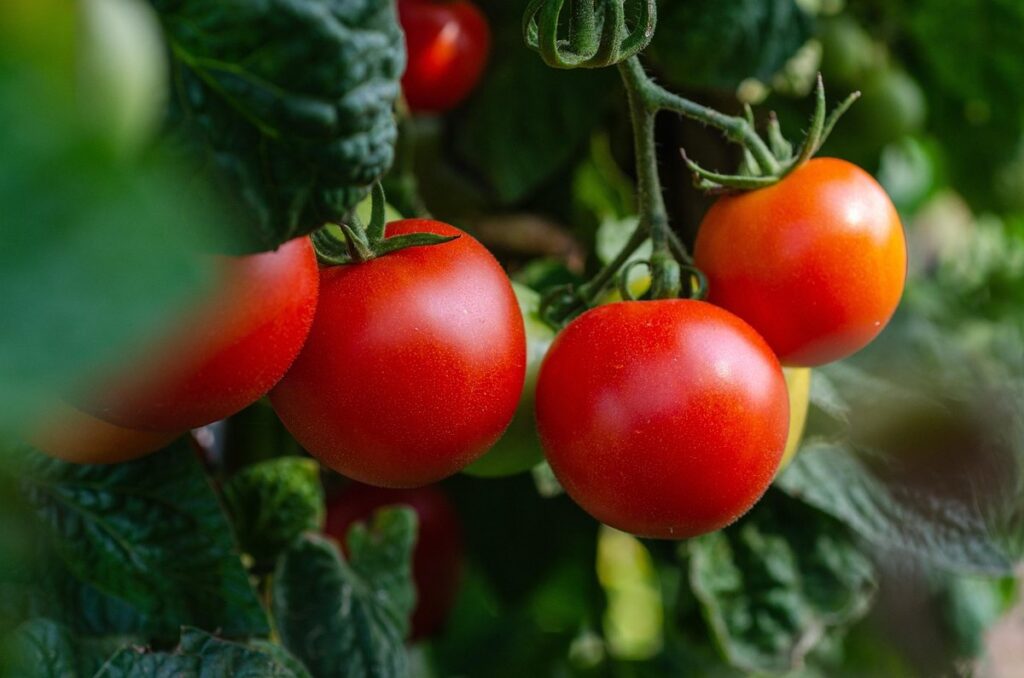
Benefits of Proper Tomato Spacing
When it comes to maximizing yield and minimizing disease, proper tomato spacing is crucial. Let’s explore how planting tomatoes at the right distance can make all the difference in your square foot garden.
Why Accurate Spacing Matters
Accurate spacing is crucial for tomatoes growing in square foot gardens. When plants are overcrowded, their growth and fruit production suffer. This is because each tomato plant requires a certain amount of space to absorb sufficient sunlight, water, and nutrients from the soil.
If you overcrowd your square foot garden with too many tomato plants, they will compete for these essential resources. As a result, individual plants may become stunted, producing smaller fruits or fewer tomatoes altogether. Research has shown that when plants are spaced at least 18-24 inches apart, they produce significantly more fruit than those planted closer together.
On the other hand, overcrowding also increases the risk of disease and pests spreading through your garden. When plants are crowded, moisture can become trapped between them, creating an ideal environment for fungal diseases to develop. Additionally, dense plantings attract pests like aphids and hornworms that can spread quickly from one plant to another.
To avoid these issues, plan your square foot garden layout carefully, leaving enough space between each tomato plant to ensure optimal growth and fruit production.
Maximizing Yield with Optimal Plant Density
When it comes to maximizing yield in square foot gardens, optimal plant density is crucial. Research suggests that ideal plant densities for tomatoes vary depending on factors such as variety, climate, and growth habits.
For instance, compact varieties like ‘Patio’ or ‘Tiny Tim’ can thrive at higher densities, up to 16-20 plants per square meter. In contrast, larger varieties like ‘Brandywine’ may require more space, around 8-12 plants per square meter. Climate also plays a significant role; in warmer climates with long growing seasons, you can plant closer together, while in cooler or shorter-season areas, you’ll want to leave more space.
Consider the growth habits of your tomato variety as well – indeterminate varieties will need more space than determinate ones. A general rule of thumb is to plant tomatoes 12-18 inches apart, with rows spaced around 3 feet apart. However, don’t be afraid to experiment and adjust based on your specific climate and growing conditions.
To determine the optimal density for your square foot garden, start by selecting a few varieties to test out different spacing configurations. This will help you find the sweet spot for your specific setup and variety, ensuring maximum yield and minimizing disease issues.
Measuring and Marking Out Your Square Foot Garden
Before you start planting, it’s essential to measure and mark out your square foot garden accurately to ensure optimal tomato spacing. A little planning upfront will save time in the long run.
Choosing the Right Measurement Tool
When it comes to measuring and marking out your square foot garden plot, having the right tools can make all the difference. One of the most common methods is using string and stakes to create a grid pattern. Simply tie a piece of string between two stakes at each corner of your plot, then use smaller stakes to mark off the individual squares. This method allows for easy adjustments if needed.
Alternatively, you can use measuring tapes to measure out the exact dimensions of your plot. This is especially useful for larger plots or if you need to create multiple sections within your garden bed. A 25-foot measuring tape can be used to measure out rows and columns, making it easier to determine where each plant will go.
For a more precise measurement, consider investing in a laser level or a long measuring tape (up to 100 feet). These tools provide accurate measurements and can help you create a perfectly square grid. Remember to choose a tool that fits your specific needs and plot size – accuracy is key when it comes to maximizing your tomato yield.
Laying Out Your Plot with Precision
When it comes to laying out your plot with precision, accurate measurement and marking are crucial to ensure each plant has enough space to grow. Start by surveying the area where you’ll be building your square foot garden, checking for any obstacles or features that may impact your design.
Next, decide on a layout that suits your needs – do you want a grid pattern, a herringbone design, or something more free-form? Once you’ve chosen a layout, use a measuring tape to mark out the dimensions of each square foot. This will give you a clear visual representation of where each plant will go.
Use stakes and twine or string to mark out the boundaries of your garden, creating a grid that’s easy to follow. For optimal growth, ensure each plant has at least 18-24 inches of space between rows and within beds. Consider drawing a diagram or sketching your design on paper before transferring it to your garden bed – this will help you visualize how everything will fit together.
As you mark out your plot, keep in mind the mature size of your tomato plants and leave enough space for them to spread out. This may mean allocating an extra row or two for air circulation and easy access.
Understanding Tomato Growth Habits
To truly optimize your square foot garden for maximum tomato production, it’s essential to understand their growth habits and how they interact with surrounding plants. Let’s take a closer look at their behavior.
Determinate vs. Indeterminate Tomatoes
When it comes to growing tomatoes in your square foot garden, understanding the differences between determinate and indeterminate varieties is crucial for maximizing space efficiency. Determinate tomatoes are bred specifically for their compact growth habit, typically reaching 2-3 feet in height. They produce a single harvest of fruit all at once, making them ideal for canning and processing. These varieties usually require less support and pruning, as they tend to bush out rather than grow vertically.
Indeterminate tomatoes, on the other hand, are vining plants that will continue to grow throughout the season, producing fruit in clusters along the stem. They need more space (around 3-4 feet) and regular pruning to encourage horizontal growth, promoting even fruit distribution. Since indeterminate varieties produce a continuous harvest, they’re perfect for fresh eating and preserving. To make the most of your square foot garden, consider growing a mix of determinate and indeterminate tomatoes to cater to different uses and maximize yield.
Understanding Tomato Plant Size and Spacing Requirements
When it comes to growing tomatoes in a square foot garden, understanding the specific spacing requirements for each variety is crucial. The mature plant height and spread can vary significantly between different types of tomatoes, making it essential to plan ahead.
For example, indeterminate tomato varieties like ‘Beefsteak’ or ‘Cherry Roma’ can grow quite tall, up to 6-8 feet, and require more space to accommodate their sprawling habit. In contrast, determinate varieties like ‘Patio’ or ‘Tiny Tim’ are compact and bushy, reaching only about 2-3 feet in height.
To determine the correct spacing for your tomato plants, consider not just their mature size but also how much room they need to spread out. A good rule of thumb is to provide at least 18-24 inches of space between indeterminate tomatoes and 12-18 inches for determinate varieties. This allows for proper air circulation and prevents disease from spreading.
Remember that these are general guidelines, and specific growing conditions may require adjustments. Take the time to research your tomato variety’s unique needs and plan accordingly to ensure a bountiful harvest in your square foot garden.
Spacing Tomatoes in Square Foot Gardens: By Variety
When growing tomatoes in a square foot garden, it’s essential to consider the mature size of each variety and plan your spacing accordingly. This section breaks down specific guidelines for different types of tomatoes.
Spacing Cherry Tomatoes
When it comes to spacing cherry tomatoes in your square foot garden, you’re spoiled for choice with compact varieties like ‘Patio’ and ‘Tiny Tim’. These bite-sized plants are perfect for small gardens or containers and can thrive when spaced just 6-8 inches apart. This allows each plant to receive plenty of sunlight and air circulation without overcrowding.
Keep in mind that some cherry tomato varieties, such as ‘Red Robin’, can benefit from a slightly wider spacing of 12-18 inches. However, even with these varieties, you can expect the plants to remain relatively compact due to their natural growth habits.
For maximum yields and healthy growth, be sure to plant your cherry tomatoes in well-draining soil with a pH between 6.0 and 7.0. Avoid planting them too close together, as this can lead to disease spread and reduced fruit production. By spacing your cherry tomatoes correctly, you’ll enjoy an abundance of juicy fruits throughout the growing season.
Spacing Medium and Large Tomato Varieties
When it comes to spacing medium and large tomato varieties in square foot gardens, there are several factors to consider. These larger plants require more room to spread out their foliage and accommodate their fruiting habits.
For medium-sized tomatoes (around 2-3 pounds each), a good rule of thumb is to plant them 18-24 inches apart. This allows for adequate air circulation around the plants and makes it easier to reach all areas for pruning and harvesting. Take, for example, the ‘Better Boy’ variety – this popular mid-season tomato produces large yields and requires more space than smaller varieties.
Large tomatoes (over 3 pounds each), on the other hand, may need even more room to grow. Plant these behemoths at least 30-36 inches apart, taking into account their sprawling habit and weighty fruits. The ‘Brandywine’ variety is a great example of this – it’s a popular heirloom with massive yields, but its sprawling growth requires ample space.
By considering the specific needs of your medium and large tomato varieties, you can optimize your square foot garden for maximum productivity and success.
Common Mistakes to Avoid When Spacing Tomatoes
When spacing tomatoes in your square foot garden, it’s easy to make mistakes that can hinder growth and productivity. In the following paragraphs, we’ll explore common errors to steer clear of.
Overcrowding: The Most Common Error
Overcrowding is one of the most common mistakes gardeners make when it comes to spacing tomatoes in square foot gardens. When tomatoes are planted too close together, they compete for resources like water and nutrients, leading to reduced yields and increased disease susceptibility.
To put this into perspective, consider a study where tomato plants were spaced at 12 inches apart, resulting in a yield of only 1-2 pounds per plant. In contrast, when the same variety was planted at 36 inches apart, yields increased to 4-6 pounds per plant. This difference is staggering and highlights the importance of proper spacing.
When tomatoes are overcrowded, they’re more prone to diseases like fungal infections and bacterial spot. These conditions spread quickly in a dense planting, causing significant damage to your crop. To avoid this fate, make sure to leave at least 18-24 inches between each indeterminate tomato plant or 12-18 inches for determinate varieties. This will give them the space they need to grow and thrive without competing with their neighbors for resources.
Under-Utilizing Space: A Common Problem
When planting tomatoes in a square foot garden, one of the most common mistakes is under-utilizing space. This can result in wasted potential and reduced productivity. You might be growing fewer tomato plants than you could, leaving valuable space unused.
Consider this example: if you have a 4×4 square foot bed, ideally suited for a single tomato plant, it’s surprising how many gardeners settle for just one or two plants per bed. But with some planning and clever use of vertical space, you can grow three to four healthy tomato plants in the same area.
To make the most of your space, consider using trellises or cages to support indeterminate varieties. This will allow you to plant more densely without sacrificing air circulation or soil quality. By making the most of every square inch, you’ll enjoy a bountiful harvest and get the most out of your garden.
Troubleshooting Tomato Spacing Issues
If you’re struggling with overcrowding in your square foot garden, we’ll walk you through common spacing issues and provide practical solutions to help your tomatoes thrive. Let’s tackle these problems together!
Identifying and Addressing Overcrowding Problems
Identifying overcrowding problems is crucial to preventing the spread of diseases and ensuring healthy growth in your square foot garden. Look for signs such as leaves touching each other, reduced air circulation, and a decrease in fruit production. These symptoms often indicate that plants are competing for resources like light, water, and nutrients.
To address overcrowding issues, start by assessing the overall spacing plan. Consider factors such as mature plant size, growth habits, and pruning requirements. For example, indeterminate tomatoes require more space than determinate varieties. If you notice overcrowding, there are a few options:
* Remove weaker or diseased plants to make room for healthier ones
* Thin out seedlings to 12-18 inches apart for optimal growth
* Use trellises or cages to support larger plants and improve air circulation
* Consider planting multiple crops in succession to avoid overcrowding
Improving Yield with Better Spacing and Care
When it comes to maximizing yield in your square foot garden, optimizing spacing, pruning, and providing adequate care are crucial factors. By implementing these strategies, you can ensure that your tomato plants receive the necessary resources to thrive.
One of the most effective ways to improve yield is by adjusting the spacing between plants. For example, if you’re growing cherry tomatoes, which produce smaller fruit, you can plant them as close as 2-3 inches apart. On the other hand, larger varieties like beefsteaks require more space, ideally 18-24 inches between each plant.
In addition to proper spacing, pruning is essential for promoting healthy growth and encouraging fruiting. Remove any weak or spindly stems, and trim back overgrown branches to about half their length. This will direct the plant’s energy towards producing more fruit rather than foliage.
Regular care such as watering, fertilizing, and providing adequate sunlight also plays a significant role in optimizing yield. Make sure your plants receive at least 6 hours of direct sunlight and maintain consistent moisture levels. By paying attention to these details, you can significantly boost your tomato harvest and enjoy the rewards of your hard work.
Frequently Asked Questions
What’s the ideal time to start spacing my tomatoes for optimal growth?
When you’re planning your square foot garden, it’s essential to consider the life cycle of your tomato plants. Typically, tomatoes require about 60-90 days from sowing to harvest. Start spacing them out when they have 2-3 sets of leaves, usually around 1-2 weeks after transplanting. This allows for healthy growth and air circulation.
Can I use a square foot garden layout for all types of tomato plants?
While square foot gardening is an excellent method for growing tomatoes, not all varieties will thrive in this setup. For example, indeterminate tomato plants can grow quite large (over 6 feet) and may require more space than what’s available in a standard square foot garden. It’s crucial to choose the right variety for your specific layout.
How do I measure and mark out my square foot garden for optimal spacing?
To ensure accurate spacing, use a measuring tape or a gardening app to calculate the correct distance between plants. Mark out your square foot grid using string or stakes, and then plant your tomatoes at the designated spots. Remember to leave about 12-18 inches of space between rows for easy access.
Can I overcrowd my tomato plants to save space in my square foot garden?
Absolutely not! Overcrowding is one of the most common mistakes when it comes to growing tomatoes. It can lead to reduced yields, increased disease susceptibility, and a weakened plant structure. Make sure to leave enough space (about 18-24 inches) between each plant for healthy growth.
What’s the best way to troubleshoot spacing issues in my tomato plants?
Identify any signs of overcrowding or under-utilized space by inspecting your plants regularly. Look for symptoms like reduced fruit production, yellowing leaves, or powdery mildew. To address these issues, consider thinning out weak or struggling plants and adjusting your spacing to ensure proper air circulation.