
When growing tomatoes in your garden or container, choosing the right variety is just the beginning. Two common types of tomato plants are often recommended: indeterminate and determinate. While both can produce delicious fruit, they have distinct growth habits and pruning needs that can significantly impact your harvest. Determinate tomatoes grow bushy and compact, producing all their flowers and fruit at once, whereas indeterminate varieties continue to grow and produce throughout the season. To get the most out of your tomato plants, it’s essential to understand the key differences between these two types and how to prune them correctly. In this article, we’ll delve into the specific pruning techniques for indeterminate and determinate tomatoes, helping you boost yields, prevent disease, and enjoy a more bountiful harvest.
Understanding the Basics of Tomato Plant Types
When growing tomatoes, understanding the difference between indeterminate and determinate plant types is crucial for effective pruning. This section will help you identify key characteristics of each type.
What are Indeterminate and Determinate Tomatoes?
Tomato plants can be broadly classified into two main categories: indeterminate and determinate. Understanding the characteristics of each type is crucial for effective pruning and subsequent care.
Indeterminate tomatoes are vine-type plants that will continue to grow and produce fruit throughout their entire lifespan. These plants have a tendency to spread out and require support as they mature, making them ideal for trellises or other forms of training. Indeterminates tend to be more vigorous than determinate varieties and can take up to 90 days or more to reach maturity.
On the other hand, determinate tomatoes are bush-type plants that grow to a predetermined size and then stop growing. Determinates produce fruit all at once, as opposed to indeterminates which have a longer harvest period. These compact plants are ideal for container gardens or small spaces where space is limited.
In practical terms, it’s essential to know whether your tomato plant falls into the indeterminate or determinate category when planning your pruning schedule and training strategy.
Key Differences Between Indeterminate and Determinate Tomatoes
When it comes to growing tomatoes, understanding the difference between indeterminate and determinate varieties is crucial for optimal fruit production and pruning. While both types share some similarities, they have distinct characteristics that affect their growth patterns, fruiting habits, and pruning requirements.
Indeterminate tomato plants are vining types that continue to grow and produce new shoots throughout the season. Their stem length can reach up to 10 feet or more, making them ideal for trellising or caging systems. These plants require regular pruning to encourage bushy growth, promote fruiting, and prevent over-production of foliage.
Determinate tomato plants, on the other hand, are compact and bushy, growing to a fixed height of around 2-3 feet. They produce a single crop of fruit at once, which can be harvested in about 60 days. Determinate varieties require minimal pruning as they naturally stop producing new growth when fruiting begins.
In contrast to indeterminate plants, determinate tomatoes benefit from some pruning, mainly to maintain their shape and promote even fruit ripening. By understanding these fundamental differences, you’ll be better equipped to tailor your pruning strategy to the specific needs of each variety, ultimately resulting in a bountiful harvest of delicious homegrown tomatoes.
Benefits of Pruning Tomato Plants
Pruning tomato plants may seem intimidating, but it offers numerous benefits that can significantly improve your harvest and plant health. Let’s explore some of these advantages in more detail.
Why Prune Tomato Plants?
Pruning tomato plants may seem like an unnecessary task, but it’s a crucial step in promoting healthy growth, increasing yields, and preventing disease. When left unpruned, indeterminate tomato plants can become leggy and sprawling, making them more susceptible to pests and diseases that thrive in the plant’s dense foliage.
By pruning your indeterminate tomatoes, you’re removing weak growth, encouraging air circulation, and allowing sunlight to penetrate deeper into the plant. This not only reduces the risk of disease but also promotes even fruiting and encourages the plant to produce more blooms. In fact, studies have shown that pruned tomato plants can increase yields by up to 30% compared to unpruned ones.
Pruning also helps control the size of your indeterminate tomato plants, making them easier to manage and support. This is particularly important for large varieties that can grow quite tall. By regularly pruning your indeterminate tomatoes, you’ll be rewarded with a more robust plant, higher yields, and less stress when harvesting your crop.
How to Prune Tomato Plants for Maximum Growth
Pruning tomato plants is an essential step in maximizing their growth and production. To prune indeterminate tomatoes correctly, start by identifying the main stem, which should be about 2-3 feet tall. Cut back any weak or spindly growth to encourage bushy development. Remove suckers (shoots that grow between the main stem and branches) as they appear, as these can divert energy away from fruit production.
For determinate tomatoes, prune the plant in a similar way but with more focus on controlling height. Cut back the main stem by one-third to half, just above a leaf node. Remove any weak growth or suckers, but be careful not to damage nearby branches.
When cutting back stems, make clean cuts at a 45-degree angle, just above a leaf node. This helps promote healthy growth and prevents water from collecting on the cut end, which can lead to disease. Regular pruning will encourage indeterminate tomatoes to produce more fruiting branches and determinate tomatoes to ripen their fruit more efficiently.
Pruning Indeterminate Tomatoes: A Detailed Guide
Indeterminate tomatoes require regular pruning to maintain their shape and promote healthy growth, so let’s dive into the specifics of how to prune these varieties. We’ll cover the techniques you need for optimal results.
Understanding the Indeterminate Tomato Plant’s Pruning Needs
As an indeterminate tomato plant grows, its pruning needs become increasingly important to optimize yields and promote healthy growth. Indeterminate varieties will continue to grow throughout the season, producing new leaves, stems, and fruit. To manage their size and encourage bushy growth, it’s essential to prune them regularly.
You should aim to prune your indeterminate tomatoes every 7-10 days during peak growing seasons. Pruning involves removing weak or spindly growth, cutting back overlong branches, and removing any dead or diseased wood. Begin by inspecting the plant for any signs of disease or pests, then remove any affected areas. Next, look for any weak or leggy growth, and prune these sections back to about two sets of leaves.
For indeterminate varieties, it’s also essential to control their height through pruning. Remove any suckers that grow between the main stem and a branch – this will direct the plant’s energy into producing more fruit rather than vegetative growth. By regularly pruning your indeterminate tomatoes, you’ll be able to maintain their shape, promote healthy growth, and maximize yields.
Techniques for Pruning Large Indeterminate Tomato Plants
When dealing with large indeterminate tomato plants that have grown beyond control, pruning is essential to maintain their health and promote fruiting. One advanced technique for pruning these behemoths is topping, which involves cutting off the top growth of the plant using a sharp pair of pruning shears or loppers.
Topping should be done in late spring or early summer when the plant has reached around 3-4 feet tall. This process stimulates the plant to produce lateral branches from the nodes just below the cut, resulting in a bushier and more compact plant. For instance, by topping an indeterminate tomato plant at about 36 inches above the soil, you can encourage it to produce around 6-8 new stems with multiple fruiting sites.
Another technique is tipping, which involves removing the top growth of individual branches rather than cutting off the entire stem. This helps control the plant’s height and encourages lateral growth while minimizing the risk of disease and pests associated with high-growing indeterminate tomato plants.
Pruning Determinate Tomatoes: A Simplified Approach
For most gardeners, determinate tomatoes are a more straightforward choice than their indeterminate counterparts, requiring simpler pruning techniques to ensure optimal growth. Let’s break down these simplified steps.
Determinate Tomato Plant Pruning Requirements
When it comes to pruning determinate tomato plants, the process is relatively straightforward. These compact plants produce fruit all at once and typically don’t require as much support or pruning as indeterminate varieties.
To start, check your plant regularly for signs of overgrowth, such as long stems that are not producing fruit or are taking energy away from more productive areas. Remove any weak or spindly growth to promote air circulation and prevent disease.
For determinate tomato plants, it’s essential to prune only the top 1-2 sets of leaves on each stem to encourage bushy growth and prevent the plant from becoming leggy. This will also direct the plant’s energy towards producing more fruit.
Pruning determinate tomatoes should be done in the early stages of growth, ideally when the plant has 6-8 inches of stem growth. From then on, you can simply remove any weak or damaged leaves as needed to maintain the plant’s overall health and promote a high yield.
Keep in mind that over-pruning can stress the plant, leading to reduced fruit production. So, prune only what is necessary to keep your determinate tomato plants healthy and thriving.
How to Prune Determinate Tomatoes for Optimal Fruit Production
Pruning determinate tomatoes can be a bit tricky, but with the right techniques, you’ll be on your way to optimal fruit production. When pruning determinate varieties, it’s essential to promote bushy growth, which will help increase yields and make the plant more compact.
To begin with, identify the main stem of the plant, which should be around 2-3 feet tall. Remove any weak or spindly growth from the bottom two-thirds of the plant, as these won’t contribute much to overall production. Cut them back to about an inch above a leaf node using a pair of clean pruning shears.
Next, focus on promoting lateral branching by pinching off the top 2-3 sets of leaves on the main stem. This will encourage the plant to grow outward rather than upward, resulting in a more compact and bushy shape. Be sure to remove any suckers that develop between the main stem and branches, as these can take energy away from fruit production.
By following these steps, you’ll be able to prune your determinate tomatoes effectively and promote optimal fruit production. Remember to keep an eye on your plants throughout the growing season and make adjustments as needed to ensure maximum yields.
Common Mistakes to Avoid When Pruning Tomato Plants
When pruning your indeterminate tomato plants, it’s easy to make mistakes that can hurt their production and overall health. Let’s look at some common errors to steer clear of.
Over-Pruning: A Major Pitfall in Tomato Pruning
Over-pruning is one of the most common mistakes gardeners make when it comes to tomato pruning. It’s easy to get carried away with the idea that more pruning means a healthier plant, but the truth is that over-pruning can actually do more harm than good.
When you prune too much of your indeterminate or determinate tomato plant, you’re essentially taking away its ability to produce fruit. Indeterminate varieties, in particular, need their leaves and stems to grow and spread out, as this allows them to absorb sunlight and photosynthesize. Without these structures, the plant is unable to support itself, let alone produce a bountiful harvest.
To avoid over-pruning your tomato plants, focus on removing only what’s necessary – suckers (the shoots that grow between the main stem and branches) and any weak or diseased growth. Leave at least two sets of leaves on each branch, as these will continue to photosynthesize and fuel fruit production. By pruning thoughtfully and sparingly, you’ll set your tomato plants up for success and enjoy a healthy, productive harvest.
Under-Pruning: Another Common Error to Watch Out For
When pruning tomato plants, it’s easy to get carried away and cut back too much. Under-pruning is another common mistake that can have serious consequences for your plant’s health. While pruning helps control the plant’s shape, promotes fruiting, and prevents disease, leaving too much foliage intact can be detrimental.
If you don’t prune enough, your tomato plants may become leggy and weak, making them more susceptible to pests and diseases. This is especially true for indeterminate varieties, which need regular pruning to maintain their structure and encourage fruit production. Under-pruned indeterminate tomatoes may produce fewer fruits or smaller yields due to the plant’s reduced ability to support its own weight.
To achieve a balance between pruning and plant health, make sure to remove only the weak, spindly growth and any damaged or diseased branches. Leave at least two-thirds of the foliage intact to allow your plants to continue photosynthesizing and producing energy. By striking this balance, you’ll encourage healthy growth, promote fruiting, and prevent disease – all while enjoying a bountiful tomato harvest!
Tips for Beginners: Getting Started with Tomato Pruning
If you’re new to tomato pruning, don’t worry – we’ve got you covered. Here are some essential tips to help you get started and grow healthy indeterminate tomatoes.
Choosing the Right Tools for the Job
To get started with pruning your tomato plants, you’ll need some essential tools that will make the process easier and more efficient. For indeterminate and determinate tomatoes alike, the right tools can help you achieve healthier plants and a bountiful harvest.
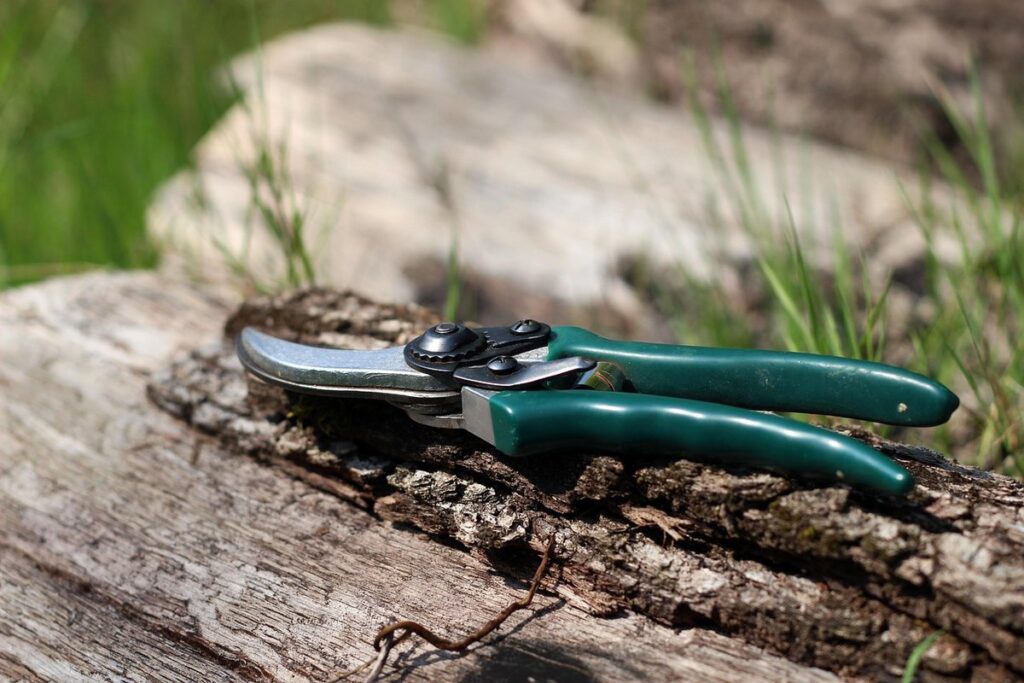
When it comes to pruning tomato plants, you’ll need a good pair of clean and sharp pruning shears or loppers. These are ideal for cutting thicker branches, while smaller stems can be trimmed with finger nail clippers or even just your fingers. Make sure to disinfect your tools regularly to prevent the spread of disease.
It’s also helpful to have a long-handled cultivator or weeding fork for gently removing weeds and debris without damaging the plant. A gardening glove will protect your hands from thorns and prickles, making it easier to work with the plants.
For precise pruning, you can use tomato pruning shears specifically designed for this purpose. These usually come with a long handle and curved blades that allow for easy access to the plant’s inner growth points.
Troubleshooting Common Problems with Tomato Pruning
When starting out with tomato pruning, it’s not uncommon to encounter some issues. One common problem is over-pruning, which can shock the plant and lead to reduced yields. This can happen if you’re too aggressive when removing suckers or top growth. To avoid this, start by carefully observing your plant’s shape and structure before making any cuts.
Another issue beginners may face is under-pruning, where plants become leggy and weak due to lack of air circulation. This can be caused by not pruning enough, allowing the plant to put all its energy into producing leaves rather than fruit. To prevent this, focus on removing suckers that are growing towards the center of the plant, as these will divert energy away from fruit production.
In addition, some plants may experience scabbing or black spots after pruning. This is usually a sign of over-pruning and can be prevented by making clean cuts just above a leaf node. If you do encounter scabbing or black spots, treat your plant with a fungicide to prevent further damage.
Frequently Asked Questions
Can I Prune Tomato Plants Too Little, or Will It Harm the Plant?
Yes, under-pruning can be detrimental to indeterminate tomato plants, as it may lead to reduced fruit production and weakened plant growth. However, determinate tomatoes are more forgiving in this regard. To avoid under-pruning, focus on maintaining a balance between pruning for shape and allowing for enough leaf growth.
How Often Should I Prune My Indeterminate Tomato Plants?
The frequency of pruning depends on the plant’s growth rate and your desired outcome. Generally, prune indeterminate tomato plants every 7-10 days to promote bushy growth and encourage fruiting. Monitor your plant’s response to pruning and adjust your schedule accordingly.
What Happens if I Prune My Determinate Tomatoes Incorrectly?
Pruning determinate tomatoes incorrectly can lead to reduced flower production or an unbalanced plant shape. Since determinate varieties produce most of their fruit in a short period, improper pruning may reduce the overall yield. If you’re unsure about pruning your determinate tomato plants, refer back to our simplified approach and adjust as needed.
Can I Use Regular Gardening Shears for Pruning Tomato Plants?
No, it’s not recommended to use regular gardening shears for pruning tomato plants, especially when working with indeterminate varieties. These plants have a more extensive root system and may cause the shears to become dull quickly. Instead, invest in dedicated pruning shears or loppers designed specifically for larger branches.
How Do I Know if My Tomato Plant Needs More Support After Pruning?
Monitor your plant’s growth and adjust its support structure as needed. If the plant continues to grow beyond its initial height or becomes top-heavy after pruning, provide additional support using tomato cages, trellises, or stakes to prevent damage and promote healthy growth.