
Pruning your tomatoes can seem like a daunting task, but trust us, it’s an essential step in getting the most out of your harvest. As a beginner gardener, you might be wondering where to start and how to know if you’re doing it right. Pruning is more than just cutting back a few branches – it requires knowledge of the correct techniques, tools, and timing to promote healthy growth and maximize yields.
In this article, we’ll break down everything you need to know about pruning tomatoes, from the basics of essential tools and techniques to troubleshooting common issues that can arise. We’ll walk you through a step-by-step guide on how to prune your tomato plants correctly, ensuring you get the best results possible. By following our tips, you’ll be able to improve plant health and boost yields, making your homegrown tomatoes even more delicious and satisfying.
Understanding the Importance of Tomato Pruning
Pruning tomatoes may seem daunting, but understanding its importance is key to growing healthy and productive plants that thrive under your care. Let’s dive into why pruning matters for tomato growers.
Why Prune Tomatoes at All?
Pruning is an essential part of tomato cultivation that often gets overlooked by beginners. However, it plays a vital role in maximizing yields and maintaining plant health. One of the primary reasons to prune tomatoes is to encourage bushy growth and promote fruiting. By removing lower leaves and weak growth, you’re directing the plant’s energy towards producing more fruits.
When left unpruned, tomato plants can become leggy and vulnerable to disease, making them susceptible to pests like hornworms. Regular pruning helps prevent this by maintaining air circulation around the plant, reducing moisture retention, and promoting better sunlight penetration. As a result, you’ll notice healthier leaves and a more robust root system.
In practice, prune your tomato plants when they reach about 12-18 inches tall. Remove any weak or spindly growth, as well as lower leaves that are touching the soil. This will not only boost yields but also ensure that your plant remains upright and supported throughout its growing cycle. By incorporating regular pruning into your routine, you’ll be rewarded with a more abundant harvest of delicious, homegrown tomatoes.
Benefits of Regular Pruning
Regular pruning is a crucial aspect of tomato care that often gets overlooked by beginners. However, it offers numerous benefits that can significantly impact your harvest. For one, regular pruning reduces disease susceptibility in tomatoes. This is because pruning allows for better air circulation around the plants, which prevents moisture from accumulating and creating an environment conducive to fungal growth.
In addition to reducing disease risk, pruning also enhances fruit quality. By removing weak or spindly growth, you’re directing the plant’s energy towards producing more robust and flavorful fruits. Pruning also promotes a bushy shape that allows sunlight to reach all parts of the plant, encouraging even ripening and sweetness development. Furthermore, pruning can extend harvest seasons by stimulating new growth and encouraging the plant to produce multiple sets of fruit throughout its lifespan. By incorporating regular pruning into your tomato care routine, you’ll be rewarded with healthier, more productive plants and a bountiful harvest.
Choosing the Right Tools for Tomato Pruning
Now that you have a good understanding of why pruning is important, let’s talk tools – finding the right ones will make all the difference in your tomato-pruning journey.
Essential Pruning Tools for Beginners
When it comes to pruning tomatoes, having the right tools is essential for getting the job done efficiently and effectively. As a beginner, you may be wondering what basic tools are required for this task.
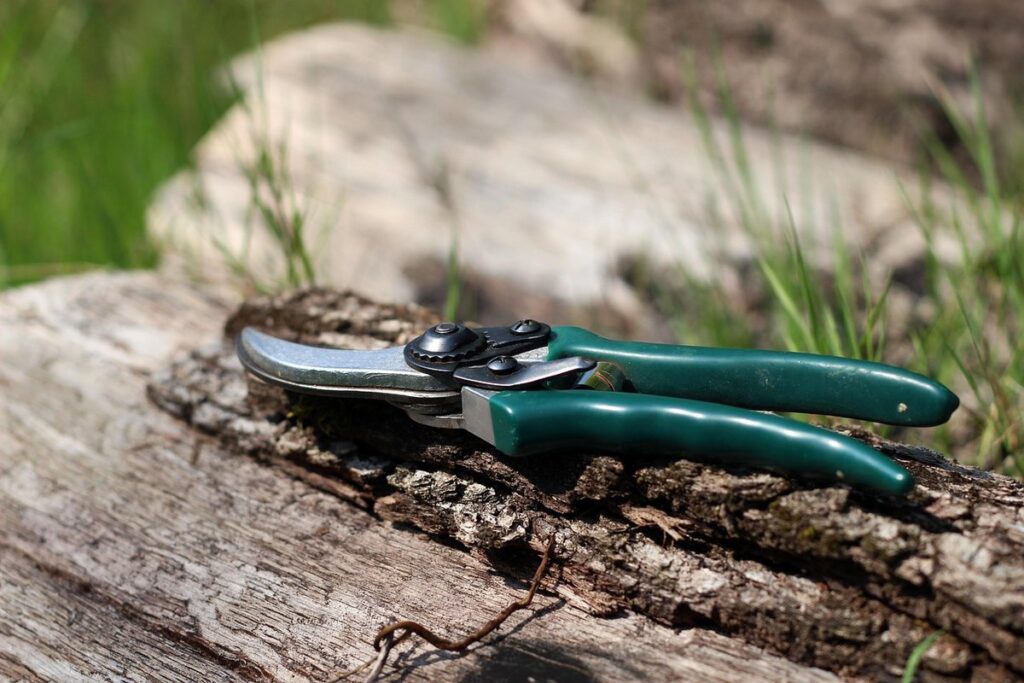
First and foremost, you’ll need hand pruners, also known as secateurs or clippers. These are perfect for making precise cuts on small branches and stems. Invest in a good pair of hand pruners with sharp blades, as dull ones can cause more damage to the plant than good. Consider using bypass pruners, which have curved blades that cut through the stem, rather than anvil-style pruners, which crush it.
Next up are loppers, used for cutting thicker branches (up to 1-2 inches in diameter). They’re a bit larger and more powerful than hand pruners, with long handles and sharp blades. Look for loppers with comfortable grips and spring-loaded mechanisms to reduce fatigue.
A sharp knife or pruning saw is also necessary for removing large stems and branches. It’s essential to keep your tools clean and sanitized between uses to prevent the spread of diseases. Finally, make sure you have a dedicated container for disposing of pruned material – it’s better to get rid of diseased plant matter immediately to prevent it from infecting other parts of the garden.
Remember, investing in quality pruning tools may seem expensive at first, but they’ll pay off in the long run by making your job easier and more enjoyable.
Preparing Your Tools for Pruning
Before you start pruning your tomato plants, it’s essential to prepare your tools for the job. A clean and sterilized tool is crucial in preventing disease transmission and ensuring a healthy harvest.
First, let’s talk about cleaning your tools. After each use, wipe your pruning shears or loppers with a soft cloth to remove any dirt or debris. Then, mix 1 tablespoon of unscented bleach with 1 quart of water in a spray bottle. Spray the solution onto the tool’s blades and let it sit for 10-15 minutes. This will help kill any bacteria that may be present.
After cleaning, dry your tools thoroughly to prevent rust or corrosion. You can also use a sanitizer specifically designed for gardening tools, following the manufacturer’s instructions. Regularly cleaning and sterilizing your tools will not only keep them in good condition but also ensure that you’re not transferring diseases from one plant to another. Make it a habit to clean your tools after each use, and you’ll be ready to prune with confidence!
Basic Tomato Pruning Techniques
When it comes to pruning tomatoes, a few key techniques will help you promote healthy growth and encourage your plants to produce an abundance of fruit. Let’s take a closer look at these essential methods.
Removing Suckers and Weak Growth
Removing suckers and weak growth from tomato plants is an essential part of maintaining their health and promoting fruiting. Suckers are shoots that grow between the main stem and a branch, while weak growth refers to stems that are thin, spindly, or not producing fruit.
To remove suckers, simply snip them off at the base with a pair of clean scissors or pruning shears. This will prevent the plant from putting energy into non-fruiting areas and focus its resources on producing more tomatoes. For example, if you have a tomato plant with two main stems, one with a cluster of fruit and another without, it’s best to remove the sucker that’s growing between them.
When removing weak growth, look for stems that are not as robust or are not producing any tomatoes. Gently twist these stems at the base to break them off, making sure not to damage the rest of the plant. This process helps redirect the plant’s energy towards the healthy, fruiting areas.
By regularly inspecting and pruning your tomato plants, you’ll encourage stronger growth and more abundant harvests. Remember to do this during the growing season, when the plant is actively producing new growth.
Dealing with Leggy or Tipped Growth
When dealing with leggy stems and tipped growth on your tomato plants, pruning is an essential step to promote bushy growth, increase yields, and improve fruit quality. These unwanted growths can occur due to insufficient light, inadequate spacing between plants, or over-watering.
To prune leggy stems, simply cut the longest stem back by about one-third to half of its length. This will encourage the plant to produce new growth from the remaining stem nodes, resulting in a fuller and more bushy plant. Make the cut just above a leaf node (the point where a leaf meets the stem), as this will help the plant recover quickly.
When dealing with tipped growth, simply remove any weak or spindly growths at their base, making sure to leave about 1-2 inches of stem intact. This will prevent the plant from expending energy on these unwanted growths and encourage it to focus on producing healthy fruit.
Remember, pruning is a delicate process that requires patience and attention to detail. By removing leggy stems and tipped growth, you’ll be giving your tomato plants the best chance to thrive and produce an abundance of delicious fruit.
Advanced Pruning Techniques for Experienced Gardeners
For those who have mastered the basics, it’s time to dive into more intricate pruning methods that will take your tomato plants to the next level of health and productivity. We’ll explore techniques for experienced gardeners.
Branching and Support Systems
As you’ve gained experience with tomato pruning, it’s time to take it to the next level by creating branching systems and providing support for indeterminate varieties. These techniques will help you maximize your harvest while minimizing disease susceptibility.
For indeterminate tomatoes, which can grow quite tall, a trellis or other support system is essential. To create a strong and stable stem, prune lower branches to about 12-18 inches from the ground. This will direct the plant’s energy towards producing more fruiting wood, leading to a healthier and more productive plant.
When creating your branching system, focus on developing two to three main stems that are evenly spaced around the plant. Prune weaker growth to encourage the stronger branches to take over, using a technique called “tip pruning” where you remove the top set of leaves to direct energy towards lateral growth. Regularly inspect your plants and prune any weak or diseased wood to prevent the spread of disease.
Top-Pruning and De-Suckering Methods
When it comes to pruning indeterminate tomatoes, two essential techniques are top-pruning and de-suckering. Let’s dive into each of these methods.
Top-pruning involves removing a portion of the stem to control growth. This technique is particularly useful for indeterminate tomato varieties that can grow quite tall. By removing the terminal shoot (the new growth at the very tip), you’re encouraging the plant to focus its energy on producing more fruit rather than just reaching for the sky. Simply cut off the top third of the stem, making sure not to damage any of the surrounding leaves or branches.
De-suckering is another crucial step in pruning indeterminate tomatoes. Suckers are the shoots that grow between the main stem and a branch. They can be quite vigorous and steal energy from the rest of the plant, reducing fruit production. To de-sucker your tomato plants, gently twist the sucker counterclockwise until it comes off cleanly. This will help direct the plant’s energy towards producing more tomatoes rather than supporting weak growth.
Regular top-pruning and de-suckering can make a significant difference in your tomato harvest, so be sure to include these techniques in your regular pruning routine.
Timing and Frequency of Tomato Pruning
When it comes to pruning your tomatoes, timing and frequency are crucial for maximizing yields and maintaining healthy plants. Let’s dive into the specifics on when and how often to prune your tomato plants.
Determining When to Prune Tomatoes
As you’re learning to prune tomato plants, it’s essential to understand when to do so based on their growth stage and pruning requirements. Here are the key indicators to help you determine if your tomatoes need pruning:
When your tomato seedlings have 2-3 sets of leaves, typically within a week or two after transplanting, they’re ready for their first pruning. This initial pruning helps develop a strong stem and encourages bushy growth. Remove lower leaves that are in contact with the soil to prevent fungal diseases.
As your plants continue growing, look for indeterminate varieties to produce lateral shoots. These shoots should be pruned back by about half to promote horizontal growth and increase fruit production. Determinate varieties, on the other hand, tend to grow more compactly and usually don’t require pruning beyond removing weak or damaged branches.
Keep in mind that over-pruning can stress your plants, so it’s better to err on the side of caution and prune less rather than more. Check your plant regularly, and only remove what’s necessary to maintain its health and productivity.
Pruning Schedule: A Beginner’s Guide
When you’re new to tomato pruning, it’s easy to get overwhelmed by the various tasks and milestones. To help you stay on track, here’s a sample pruning schedule for beginners:
In the first month after transplanting (around 30-45 days), remove any weak or spindly growth from the lower portion of the plant. This will encourage the main stem to grow stronger and promote even fruiting.
Around 60-90 days into the growing season, start removing lower leaves that are in contact with the soil to prevent disease and reduce moisture loss. You can also begin to identify and remove any weak or diseased branches to maintain air circulation and promote healthy growth.
At around 120-150 days, you’ll want to remove about one-third of the plant’s total growth, focusing on removing lower branches that are no longer producing fruit. This will help redirect energy towards ripening existing tomatoes.
Throughout the season, be sure to inspect your plants regularly for signs of disease or pests and take action promptly if needed. With this schedule as a guide, you’ll be well on your way to achieving healthy, productive tomato plants.
Troubleshooting Common Tomato Pruning Issues
Don’t worry if you encounter snags along the way – we’ll tackle common tomato pruning issues and provide solutions to get your plants back on track. Let’s troubleshoot together!
Dealing with Over-Pruned or Under-Pruned Plants
When pruning tomato plants, it’s easy to get carried away and either over-prune or under-prune them. Both mistakes can have detrimental effects on the plant’s health and productivity.
Over-Pruning:
Signs of over-pruning include a weakened stem, fewer leaves, and reduced fruiting. If you’ve noticed your tomato plant looking limp or stressed after pruning, it’s likely been over-pruned. To correct this issue, stop pruning immediately and allow the plant to recover for a few days. Once the plant appears healthy again, resume pruning with caution, focusing on removing only the necessary branches.
Under-Pruning:
On the other hand, under-pruning can lead to a tangled mess of stems and poor air circulation, increasing the risk of disease. If you notice your tomato plants are too dense or have an overabundance of leaves, it’s likely they need more pruning. Prune back the plant to encourage better growth habits and promote fruiting.
In both cases, take note of your pruning techniques and adjust accordingly for future crops. Remember, pruning is a delicate balance – removing too little can lead to problems just as easily as over-pruning.
Encouraging New Growth After Pruning
Now that you’ve pruned your tomato plants, it’s essential to encourage new growth to ensure a healthy and productive crop. After pruning, your plants may look bare, but don’t worry – this is a normal process. To promote new growth, start by providing your plants with optimal growing conditions. Make sure they receive plenty of sunlight (at least 6 hours of direct sunlight) and water them regularly, keeping the soil consistently moist.
You can also use pruning shears to remove any weak or spindly growth that may appear after pruning. This will encourage the plant to focus its energy on producing healthy new shoots and fruit. Additionally, consider providing your plants with a balanced fertilizer to give them an extra boost of nutrients.
As you inspect your plants for new growth, look for signs like swelling at the nodes (where the leaves meet the stem) or the emergence of new green leaves. These are indicators that your plants are responding positively to pruning and producing new growth. With proper care and attention, your pruned tomato plants will soon be thriving and producing an abundance of delicious fruit.
Additional Tips and Considerations for Tomato Growers
Now that you’ve learned the basics of tomato pruning, let’s dive into some additional tips and considerations to help you fine-tune your technique.
Companion Planting and Mulching for Healthy Tomatoes
When it comes to growing healthy tomatoes, there are several additional considerations beyond pruning that can make all the difference. Two simple yet effective techniques to keep in mind are companion planting and mulching.
Companion planting involves pairing certain plants together to enhance growth, flavor, or pest resistance. For example, basil is a classic companion for tomatoes – not only does it repel pests like whiteflies and aphids, but its fragrance can also improve the flavor of nearby tomatoes. Other popular tomato companions include marigolds (which deter nematodes) and oregano (which improves growth). Simply plant these companions around the base of your tomato plants, keeping in mind that some may spread more quickly than others.
Mulching is another essential technique for maintaining healthy soil and suppressing weeds. Organic mulches like straw or wood chips help retain moisture, regulate soil temperature, and prevent weed seeds from germinating. To apply mulch effectively, spread a 2-3 inch layer around the plants, keeping it a few inches away from the stem to prevent moisture buildup. This simple step can save you hours of weeding time and promote healthier growth for your tomatoes.
Integrating Pruning into Your Gardening Routine
As you continue to master the art of tomato pruning, it’s essential to incorporate this crucial practice into your regular gardening routine. Making pruning a habit will not only ensure healthy and productive plants but also encourage you to share your knowledge with fellow gardeners.
To start, schedule pruning sessions in your calendar or mobile reminders. Set aside dedicated time each week or fortnight to inspect your tomato plants for signs of overgrowth or damage. This regular check-in will help you stay on top of pruning needs, preventing potential issues that can impact yields.
Consider designating a ‘pruning buddy’ – a fellow gardener or family member who’s also keen on learning about tomato care. Share tips and techniques with each other, discuss challenges, and learn from one another’s experiences. This collaborative approach not only enhances your own skills but also fosters a sense of community among gardening enthusiasts.
When sharing pruning advice with others, emphasize the importance of observing plant growth patterns, recognizing key pruning points, and understanding the role of pruning in promoting bushy, disease-resistant plants. By integrating pruning into your gardening routine and spreading knowledge within your garden network, you’ll become an expert resource for those just starting their tomato-growing journey.
Frequently Asked Questions
How Often Should I Prune My Tomatoes for Optimal Growth?
Concise pruning schedules can vary depending on the tomato variety, climate, and growth stage. However, a general rule of thumb is to prune your tomatoes every 1-2 weeks during peak growing seasons (spring-fall). This allows you to remove weak growth, promote healthy development, and encourage fruiting.
Can I Prune Tomatoes Too Much? What Are the Consequences?
Yes. Over-pruning can stress your plants, reducing yields and making them more susceptible to diseases. It’s essential to prune judiciously, removing only what’s necessary for optimal growth. Be cautious of pruning too many branches at once, as this can cause significant shock.
How Do I Know When My Tomatoes Need Support Systems?
Tomato plants typically require support systems when they reach about 2-3 feet in height and start to produce fruit. Look for signs like flopping or leaning, which indicate the plant needs additional structural support to maintain healthy growth.
What Happens If I Prune My Tomatoes at the Wrong Time? Can It Harm Plant Health?
Pruning your tomatoes too early can stress the plant and hinder its ability to absorb nutrients. Conversely, pruning too late may not allow you to remove weak or diseased growth before it becomes a significant issue. Timing is crucial; generally, prune your tomatoes when they’re around 12-18 inches tall.
How Can I Prevent Overgrowth and Promote Better Fruiting After Pruning?
To prevent overgrowth after pruning, ensure you leave at least two sets of leaves on the main stem to allow for photosynthesis. This will also promote healthy fruiting by directing energy towards producing fruit rather than excessive foliage growth.