
Tomato lovers, if you’re struggling to get the most out of your garden, it might be time to take a closer look at how your tomatoes are pollinated. Optimal pollination conditions can make all the difference in boosting your harvest and ensuring those delicious homegrown tomatoes ripen on schedule. But what exactly does this mean for you as a gardener? In reality, tomato plants rely heavily on beneficial insects like bees and butterflies to transfer pollen between flowers – which is where things can go awry. Without sufficient pollination, fruit set may be limited or even non-existent. That’s why in this article, we’ll explore expert tips for optimizing pollination conditions, attracting the right beneficial insects, and using hand-pollination techniques to ensure a bountiful harvest.
Understanding Tomato Pollination Basics
Let’s dive into the basics of tomato pollination and explore how understanding these principles can help you optimize your garden’s productivity. This essential knowledge will set a strong foundation for our expert tips to come.
The Importance of Pollination in Tomato Plants
Pollination is a crucial process for tomato plants, and its significance cannot be overstated. Without proper pollination, tomatoes may not produce fruit at all, or the fruit may be misshapen or sterile. When a tomato plant’s male reproductive organs are unable to transfer pollen to the female stigma, fertilization doesn’t occur, resulting in poor or no yields.
In fact, studies have shown that tomato plants require both self-pollination and cross-pollination to produce optimal results. Self-pollination occurs when pollen from the anther of a flower fertilizes the stigma within the same flower, while cross-pollination happens when pollen is transferred between flowers on different plants. When these processes don’t occur, or are impaired in any way, it can significantly impact fruit set and quality.
One key factor to keep in mind is that wind pollination alone may not be sufficient for tomato plants, which rely heavily on insects like bees and butterflies for efficient pollination. To boost your harvest, consider creating a bee-friendly environment around your garden by planting flowers rich in nectar and pollen, such as lavender or sunflowers.
How Tomatoes Are Pollinated Naturally
When it comes to tomato pollination, many gardeners assume that these plants are completely reliant on human intervention. However, this isn’t entirely accurate. Tomato plants are naturally self-pollinating, meaning they can transfer pollen from their male anthers to their female stigma without any external help.
But here’s the thing: while self-pollination is a start, it often results in lower yields and less diverse fruit. To truly maximize your tomato harvest, cross-pollination becomes essential. So, how does this occur naturally? Well, several factors come into play. For instance, wind can dislodge pollen from one plant and deposit it on the stigma of another nearby plant.
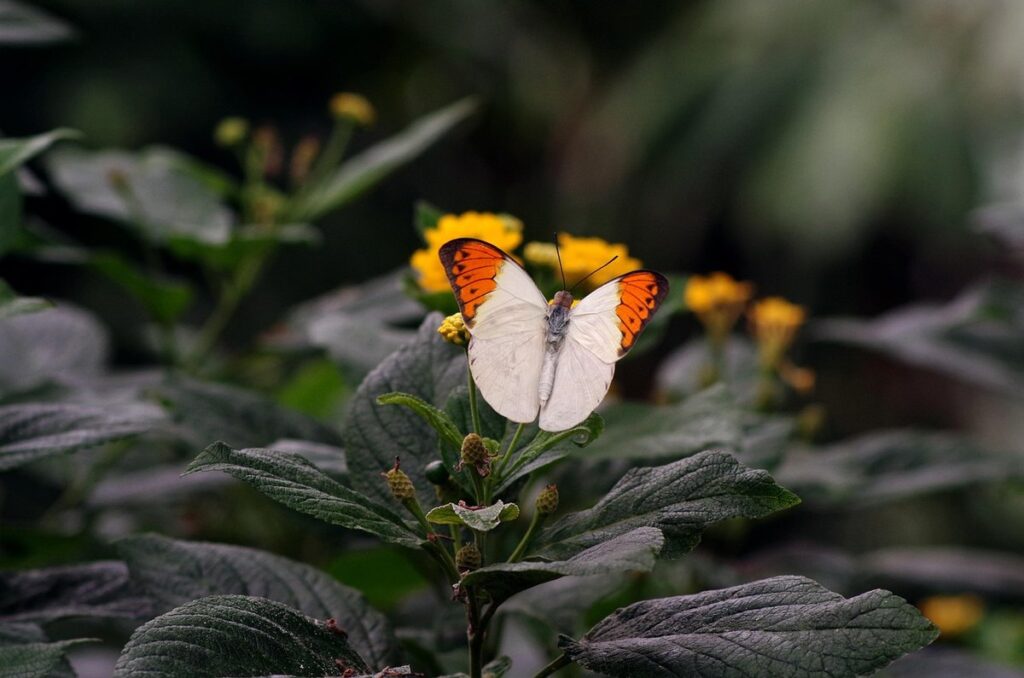
Insects like bees, butterflies, and even ants also play a crucial role in tomato pollination. These tiny visitors collect nectar from flowers and, as they move from bloom to bloom, inadvertently transfer pollen between plants. You can encourage these beneficial insects by planting a diverse range of flowers that attract them, such as lavender or sunflowers, near your tomato patch.
Preparing Your Garden for Optimal Pollination
To ensure a bountiful tomato harvest, let’s start by creating an environment that welcomes pollinators, starting with a garden layout and selection of companion plants.
Creating a Conducive Environment for Pollinators
When it comes to creating a conducive environment for pollinators in your tomato garden, every detail matters. A well-prepared garden is essential for attracting the right pollinators and ensuring optimal pollination.
Start by selecting plants that are rich in nectar and pollen, such as sunflowers, zinnias, or lavender. These flowers will serve as a vital food source for bees, butterflies, and other beneficial insects. Consider adding a mix of annuals and perennials to your garden to provide a constant supply of blooms throughout the growing season.
Maintain healthy soil quality by incorporating compost or well-rotted manure into the soil. This will not only improve drainage but also provide essential nutrients for plant growth. When it comes to watering, avoid overwatering, which can lead to fungal diseases and root rot. Instead, focus on providing shallow water sources that allow pollinators to easily access the water they need.
Water management is critical in a tomato garden. Installing a birdbath or shallow dish filled with fresh water will provide a constant source of hydration for visiting pollinators.
Minimizing Pest Damage and Stress
Minimizing pest damage and stress is crucial to maintaining optimal pollination in your tomato garden. Integrated Pest Management (IPM) techniques can help you achieve this goal. IPM involves monitoring for pests, using physical barriers, introducing beneficial insects, and applying targeted pesticides as a last resort.
Start by inspecting your plants regularly for signs of pest infestations. Check for eggs, larvae, or actual pests on the undersides of leaves, stems, and fruit. Use sticky traps to monitor for aphids, whiteflies, and other flying insects that can spread disease.
To introduce beneficial insects, consider attracting pollinators like bees and butterflies by planting a diverse range of flowers around your garden. You can also purchase beneficial nematodes or ladybugs to control pests naturally.
If you must use pesticides, choose organic options and follow the instructions carefully. Avoid spraying during peak pollinator hours (usually between 10 am and 2 pm) to minimize harm to bees and other beneficial insects. Remember, a healthy garden is less likely to attract pests in the first place. By adopting an IPM approach, you can reduce stress on your plants, promote optimal pollination, and enjoy a bountiful harvest.
Techniques for Encouraging Pollination in Tomato Plants
To ensure your tomato plants produce a bountiful harvest, it’s essential to understand how to encourage pollination and support their natural process. Here are some tried-and-true techniques for promoting healthy pollination.
Hand-Pollination: A Step-by-Step Guide
Hand-pollination is an effective method to ensure tomato plants receive adequate pollination, especially when bees are scarce. To get started, you’ll need a few simple tools: a small, clean brush (an artist’s or makeup brush works well), a pair of gloves, and a clear understanding of the plant’s reproductive anatomy.
Begin by gently removing any leaves that may be obstructing access to the flowers. Next, locate the anthers, which are the pollen-producing parts of the flower. Using your brush, carefully sweep up some of this pollen and transfer it to the stigma – the female part of the flower where fertilization occurs.
Be sure to handle the plant’s reproductive parts gently, as excessive handling can cause damage. Also, avoid contaminating other areas of the plant with pollen to prevent unwanted seed production. Repeat this process for each flower, and ideally, do this in the morning when flowers are most receptive to pollination.
Using Bees as Natural Pollinators
Attracting bees to your garden is one of the most effective ways to ensure successful pollination of your tomato plants. These busy insects are essential for transferring pollen between flowers, and a bee-friendly environment can significantly boost your harvest. To start, consider planting a variety of flowers that are rich in nectar and pollen, such as sunflowers, zinnias, and lavender, near your tomato plants.
When selecting flowers to attract bees, choose varieties that bloom at different times to provide a constant source of food throughout the growing season. This will ensure that bees visit your garden regularly, pollinating your tomatoes along the way. Additionally, avoid using pesticides, which can harm or kill bees, and instead opt for natural methods of pest control.
By creating a bee-friendly environment in your garden, you’ll not only increase pollination but also support the local bee population, contributing to their well-being and survival.
Supporting Local Pollinator Populations
To truly maximize your tomato harvest, it’s essential to support the local pollinator populations that play a crucial role in its success. This means attracting and nurturing bees, butterflies, and other beneficial insects naturally.
Planting Bee-Friendly Flowers and Herbs
When it comes to boosting pollinator populations and subsequently, your tomato harvest, incorporating bee-friendly flowers and herbs into your garden is a game-changer. By doing so, you’ll not only attract more pollinators but also create a thriving ecosystem that will benefit your tomatoes in the long run.
Some of the best flowers for attracting bees include lavender, coneflower, black-eyed Susan, and cosmos. These blooms are rich in nectar and pollen, making them a favorite among tomato-pollinating bees like honeybees and bumblebees. Consider planting a mix of these flowers around your tomato plants to create a pollinator-friendly zone.
In addition to flowers, certain herbs can also attract pollinators. Basil is an excellent choice, as its strong fragrance attracts bees and other beneficial insects. Oregano and mint are also great options. To incorporate these herbs into your garden, try planting them near the base of your tomato plants or interspersing them among the rows.
Remember to choose flowers and herbs that are suitable for your region’s climate and growing season. This will ensure they thrive alongside your tomatoes, providing a boost to pollination rates and ultimately, your harvest.
Maintaining a Balanced Ecosystem
When it comes to maintaining a balanced ecosystem in your garden, promoting biodiversity is key. One of the simplest and most effective ways to do this is through composting. By creating nutrient-rich soil through food scraps, leaves, and other organic matter, you’re providing a haven for beneficial insects like bees and butterflies. These pollinators are essential for tomato production, but they also require diverse habitats within your garden.
Mulching is another excellent method for supporting local pollinator populations. Organic mulch helps retain moisture in the soil, reducing water waste and keeping your plants healthy. This, in turn, creates a lush environment that attracts beneficial insects and other wildlife. Consider using natural materials like wood chips or straw to create a diverse habitat within your garden.
To take it a step further, incorporate native plants into your landscape design. These plants are adapted to the local climate and provide essential resources for pollinators, such as nectar-rich flowers. By coexisting with nature, you’ll create an ecosystem that supports both your tomatoes and the local pollinator populations, leading to a more productive harvest.
Troubleshooting Common Pollination Issues
Don’t worry, we’ve all been there: wondering why your tomato plants aren’t producing fruit despite getting regular pollination. Let’s troubleshoot common issues together.
Identifying Pollination-Related Problems
As you tend to your tomato plants, it’s not uncommon to notice issues that may seem unrelated to pollination at first glance. However, poor pollination can have far-reaching consequences on the health and productivity of your tomatoes. One common issue is reduced yields, where your tomato plants fail to produce as many fruit as they should.
Discolored fruit is another telltale sign of pollination problems. This can manifest as yellowing or whitening of the skin, often accompanied by a soft or spongy texture. Uneven growth patterns can also be a symptom of inadequate pollination, where some fruits grow at an alarming rate while others lag behind.
To identify these issues early on, keep a close eye on your plants’ appearance and behavior. Check for signs of pest infestations, diseases, or nutrient deficiencies that could compromise pollination. Regularly inspect the flowers for any damage or debris that might hinder pollen transfer. By recognizing these common problems, you can take corrective action to address the root cause and get your tomato plants back on track.
Solutions for Addressing Pollination Challenges
When it comes to pollination challenges, identifying the root cause is crucial. Start by observing your tomato plants closely. Check for signs of poor pollination such as low fruit set, deformed flowers, or uneven fruit growth. These indicators can point to issues like inadequate pollinator activity, temperature fluctuations, or humidity levels.
To address these problems, focus on creating a pollinator-friendly environment. Plant a variety of flowers that attract bees and other beneficial insects around your tomato plants. For example, basil and marigold are excellent choices as they not only repel pests but also draw in pollinators. Ensure your tomato plants receive at least 6 hours of direct sunlight daily to promote healthy growth.
Another crucial aspect is maintaining a balanced ecosystem. Remove weeds that compete with your tomatoes for resources, and prune the plants regularly to improve air circulation and prevent fungal diseases. By implementing these simple yet effective strategies, you can significantly enhance pollination rates and boost your tomato harvest. Remember, it’s all about creating an environment that supports both your plants’ growth and their natural pollinators.
Monitoring and Maintaining Optimal Pollination Conditions
Now that you know how pollinators work, let’s dive into monitoring and maintaining optimal conditions for your tomato plants to thrive. This includes checking temperature, humidity, and pest control regularly.
Keeping Track of Weather Patterns and Temperature Fluctuations
Monitoring weather patterns and temperature fluctuations is crucial to maintaining optimal pollination conditions for your tomato plants. As you know, tomatoes are self-pollinating, but they still benefit from good air circulation and temperature control. To track these factors effectively, start by investing in a simple weather station or using a smartphone app that provides real-time weather updates.
Pay attention to temperature fluctuations, as temperatures above 85°F (30°C) can lead to stress and reduced fruit set. Conversely, temperatures below 55°F (13°C) can slow down growth and development. Keep an eye on precipitation patterns, too – excessive rain or drought can impact pollination. To adapt your garden management strategies, consider the following tips:
* Plant tomato varieties that are resistant to temperature fluctuations
* Provide shade for your plants during intense heatwaves using row covers or umbrellas
* Water deeply but infrequently to encourage deep root growth and make your plants more resilient to drought
* Monitor your plants’ response to weather conditions and adjust your care routine accordingly
Regular Garden Maintenance and Inspection
Regular garden maintenance and inspection play a crucial role in ensuring optimal pollination conditions for your tomato plants. By dedicating time to pruning, training, and monitoring plant health, you can significantly boost your harvest.
Start by inspecting your plants regularly, checking for signs of stress, disease, or pests that could impact pollination. Remove any weak or diseased branches, as these can create an environment conducive to pests and diseases that harm pollinators. Prune the main stem to encourage vertical growth, increasing air circulation and sunlight penetration.
Train your indeterminate tomato plants using a trellis or cage to promote upward growth, making it easier for bees and other pollinators to access the flowers. Remove lower leaves to prevent fungal diseases from spreading and reduce moisture retention near the soil surface.
Remember, maintaining optimal pollination conditions requires ongoing effort. Regular inspections will help you identify potential issues early on, allowing you to take corrective action before they impact your crop. By incorporating these maintenance practices into your routine, you’ll be well on your way to a bountiful tomato harvest.
Frequently Asked Questions
What are some common mistakes to avoid when trying to improve tomato pollination?
When attempting to optimize pollination conditions, it’s essential to be aware of common pitfalls. One frequent mistake is over-hand-pollinating, which can lead to weakened plant immunity and reduced yields. Another error is neglecting the importance of maintaining a balanced ecosystem, potentially attracting pests that harm both plants and beneficial insects.
How often should I inspect my tomato plants for signs of pollination issues?
Regular inspections are crucial in identifying potential pollination problems early on. Check your plants at least twice a week during peak growing seasons (typically late spring to early summer). Look out for symptoms such as reduced fruit set, distorted or deformed flowers, and excessive plant stress.
Can I use artificial sources of nutrition to support my tomato plants’ pollination process?
While supplementing your plants with essential nutrients can be beneficial, it’s not a substitute for proper pollination practices. Focus on creating an optimal environment that encourages natural pollinators, rather than relying solely on external aids. A balanced diet through regular fertilization will only enhance the plant’s overall health.
How do I know if my tomato plants are receiving sufficient pollination?
A simple way to assess your tomatoes’ pollination is by checking for fruit set and development. Healthy flowers that have been properly pollinated will develop into well-formed fruits within 7-10 days. Observe your plants regularly, and take note of any inconsistencies in growth or productivity.
Can I use other types of beneficial insects besides bees to aid in tomato pollination?
Yes, while bees are the primary pollinators for tomatoes, other beneficial insects like butterflies, moths, and even wasps can also contribute to effective pollination. By creating a diverse and welcoming environment that supports various pollinator populations, you’ll increase your chances of successful fruit set.