
Are you noticing your tomato plants putting on quite the show, with vibrant blooms but no juicy fruits to follow? This frustrating phenomenon can be disheartening for even the most seasoned gardeners. But don’t worry, it’s not a lost cause just yet! The issue of flowering without fruit is more common than you think, and there are usually some underlying reasons that need attention.
In this article, we’ll delve into the possible causes behind your tomato plants’ non-fruiting blooms and provide actionable tips to improve pollination, fertilization, and overall productivity. Whether it’s a matter of inadequate care or an imbalance in essential nutrients, we’ll explore the solutions you can implement to ensure a bountiful harvest from your hard work. Let’s get started on identifying the issues and finding the fixes!
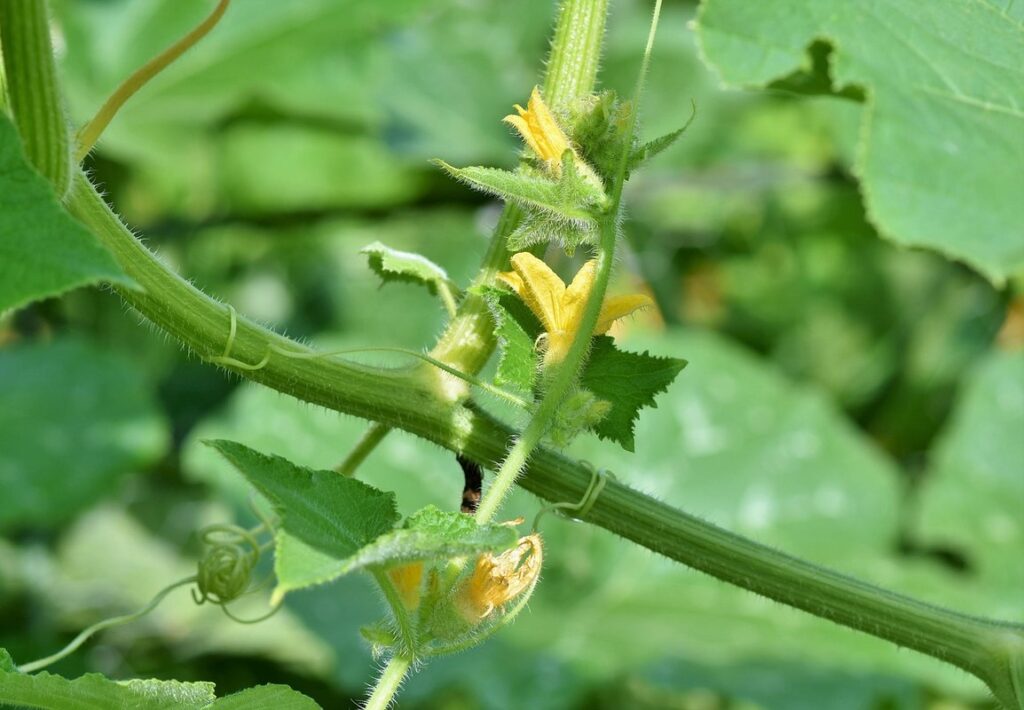
Understanding Tomato Plant Anatomy
Understanding tomato plant anatomy is crucial to identifying potential issues that might be causing your plants to flower but not produce fruit. Let’s break down the key components of a tomato plant.
Role of Flowers in Fruit Production
Flowers play a crucial role in fruit production, and it’s no different for tomatoes. When tomato plants produce flowers but fail to set fruit, it can be frustrating for gardeners. However, understanding the importance of flowers in pollination and fertilization is key to resolving this issue.
Tomato flowers are essential for cross-pollination, which involves the transfer of pollen from one plant’s anther to another plant’s stigma. This process allows for genetic diversity and increases fruit set. When flowers are present but no fruit forms, it may be due to inadequate pollination or poor fertilization. To overcome this challenge, gardeners can manually pollinate their tomato plants using a small brush or cotton swab.
Another important aspect of flower development is the formation of ovules within the flower’s pistil. These ovules contain the embryo that will develop into fruit. When flowers are not properly fertilized, the ovules may not receive the necessary genetic material to initiate fruit growth. In this scenario, gardeners can try using techniques like hand-pollination or providing supplemental support for their plants to encourage proper fertilization and subsequent fruit development.
Factors Affecting Pollination and Fertilization
Pollination and fertilization are crucial steps in the tomato plant’s reproductive cycle. However, these processes can be hindered by external factors that may not be immediately apparent. Weather conditions play a significant role in pollination; extreme temperatures, heavy rainfall, or intense sunlight can disrupt pollen production and germination.
Soil quality is another critical factor affecting pollination and fertilization. Nutrient deficiencies, particularly nitrogen and potassium, can impact the plant’s ability to produce viable pollen. Additionally, poor soil structure can lead to reduced water retention, making it difficult for the tomato plant to support the growth of developing fruit.
Pest and disease presence can also have a detrimental effect on pollination and fertilization. Insects like aphids and whiteflies can transmit diseases that damage the reproductive organs of the plant, while fungal infections like powdery mildew can interfere with pollen production.
To mitigate these issues, it’s essential to maintain optimal growing conditions, including providing adequate nutrients and water. Regular monitoring for pests and diseases is also crucial in preventing them from impacting pollination and fertilization.
Common Causes of Tomato Plant Flowering But No Fruit
If you’re seeing those lovely flowers on your tomato plant but not a single fruit to show for it, there are several common causes at play. Let’s explore these potential culprits together.
Over-Fertilization and Nutrient Imbalances
When it comes to tomato plant flowering but no fruit production, one common culprit is over-fertilization. While fertilizer is essential for plant growth, too much of a good thing can be detrimental. Tomatoes require a balanced diet of nutrients, including nitrogen (N), phosphorus (P), and potassium (K). However, an overabundance of any single nutrient can disrupt this balance.
Nitrogen promotes healthy foliage growth, but excessive levels can lead to weak fruit set. Phosphorus is crucial for root development and flower formation, yet too much phosphorus can cause an overproduction of flowers, leading to poor fruiting. Potassium helps with overall plant health, but high levels can hinder fruit ripening.
To avoid nutrient imbalances, it’s essential to follow a fertilization schedule that suits your tomato variety and growing conditions. Use a balanced fertilizer (10-10-10 NPK) during the vegetative growth stage and a bloom-booster or high-phosphorus fertilizer during flowering. Avoid over-fertilizing, as this can damage roots and decrease fruit production. Instead, focus on providing consistent moisture, adequate sunlight, and optimal temperatures for your tomato plants to thrive.
Insufficient Sunlight and Temperature Fluctuations
Insufficient sunlight can significantly impact tomato plant productivity, often resulting in flowers without fruit. Tomato plants require a minimum of six hours of direct sunlight to produce adequately, but even with longer exposure times, inadequate light can impede fruit production. This is because photosynthesis is reduced, limiting the plant’s ability to create energy and subsequently develop fruit.
Temperature fluctuations also play a critical role in this process. Tomatoes are sensitive to temperature extremes, with optimal growth occurring between 65°F (18°C) and 85°F (29°C). Temperatures below 55°F (13°C) or above 95°F (35°C) can cause flower drop, reducing fruit set.
To mitigate the impact of insufficient sunlight and temperature fluctuations, consider relocating your tomato plants to a sunnier location. If this is not feasible, supplement with grow lights that mimic natural daylight conditions. Regularly monitor temperatures in your garden or greenhouse, and adjust as necessary to maintain an optimal range.
Health Issues Affecting Tomato Plants
Sometimes tomato plants suffer from underlying health issues that hinder fruit production, such as fungal diseases or nutrient deficiencies. Let’s explore some of these common problems and their potential solutions.
Fungal Infections Causing Infertility
Fungal infections can be a sneaky cause of infertility in tomato plants. When fungal diseases like powdery mildew or early blight take hold, they can disrupt the delicate pollination and fertilization processes that lead to fruiting.
Pollinators like bees and butterflies may be deterred from visiting infected plants, reducing the chances of successful pollination. Even if pollination occurs, fungal infections can weaken the plant’s reproductive system, making it harder for the fertilized ovules to develop into viable seeds.
Powdery mildew, in particular, can cover the flower parts with a white, powdery coating that prevents pollen from germinating and fertilization from occurring. Early blight, on the other hand, can cause yellowing or browning of leaves, which can signal a lack of chlorophyll production necessary for proper seed development.
To combat fungal infections and encourage healthy pollination, make sure to:
* Regularly inspect your plants for signs of infection
* Use fungicides as needed, following label instructions carefully
* Maintain good air circulation around your plants
* Keep the soil consistently moist but not waterlogged
By addressing these issues promptly, you may be able to restore fertility to your tomato plant and enjoy a bountiful harvest.
Bacterial and Viral Diseases Impacting Fruit Production
Bacterial diseases such as bacterial spot can have a significant impact on tomato plants’ ability to produce fruit. These diseases are caused by bacteria like Xanthomonas campestris and Pseudomonas syringae, which infect the plant through wounds or natural openings. Infected plants may exhibit symptoms like yellowing leaves, black spots on the fruit, and a general decline in health.
Viral diseases, such as tobacco rattle virus (TRV) and tomato spotted wilt virus (TSWV), can also affect fruit production. These viruses are spread by thrips and other insects, and can cause stunted growth, distorted leaves, and a reduction in fruit set.
To prevent bacterial and viral diseases from impacting your tomato plants’ ability to produce fruit, make sure to practice good sanitation and hygiene. Remove any infected plants from the garden to prevent the spread of disease, and disinfect tools and equipment regularly. Additionally, consider using resistant varieties of tomato plants or implementing integrated pest management strategies to minimize the risk of infection. Regularly inspecting your plants for signs of disease can also help you catch problems early on.
Environmental Factors Influencing Tomato Plant Productivity
As you nurture your tomato plants, it’s essential to consider how environmental conditions can impact fruit production and understand how temperature, humidity, and sunlight affect their productivity.
Soil pH Levels Affecting Nutrient Availability
Soil pH levels play a crucial role in determining nutrient availability for tomato plants. Nutrients are essential for fruit production, but if they’re not accessible to the plant due to incorrect soil pH levels, it can lead to flowering without fruiting. A pH level that’s too high or too low can limit the uptake of vital micronutrients like calcium, magnesium, and potassium.
For instance, a study showed that tomato plants grown in soil with a pH above 7.0 had reduced calcium availability, resulting in lower yields. Conversely, acidic soils (pH below 6.0) often lead to phosphorus deficiency, which can cause flowers but no fruit. To check your soil pH levels, you can purchase a DIY testing kit or send a sample to a lab for analysis.
If your test reveals an incorrect pH level, take corrective action by adjusting the soil pH accordingly. For example, adding lime to raise the pH or sulfur to lower it. You should also monitor nutrient levels and apply supplements if necessary. By ensuring optimal soil conditions, you can promote healthy fruit production in your tomato plants. Regular monitoring of pH levels will help you avoid this issue in the future.
Insect Pests Disrupting Pollination Processes
Insect pests like aphids and whiteflies can wreak havoc on tomato plant pollination processes. These insects feed on plant sap, weakening the plant’s ability to produce flowers and fruits. Aphids, for instance, secrete a sticky substance called honeydew that attracts ants and promotes fungal growth, further damaging the plant.
Whiteflies, another common pest, feed on plant sap, causing curled or distorted leaves. As they suck out the nutrients, the plant’s energy is diverted from producing flowers to supporting the pests’ lifecycle. This can lead to a decrease in fruit set and reduced yields.
To manage these pests, it’s essential to monitor your plants regularly for signs of infestation. Inspect the undersides of leaves, where aphids and whiteflies often hide. If you spot any, use insecticidal soap or neem oil to control their populations. Keep in mind that integrated pest management strategies, including cultural controls like pruning and sanitation, can be more effective than relying solely on chemical controls.
By recognizing and addressing the role of these pests, you can help ensure a successful pollination process and improve your tomato plant’s chances of producing fruit. Regularly inspecting your plants and using targeted control methods can make all the difference in maintaining healthy plants and achieving optimal yields.
Solutions for Fixing Tomato Plants That Won’t Produce Fruit
If your tomato plant is flowering but not producing fruit, don’t worry, there are several solutions to try. We’ll walk you through some common fixes to get your plants back on track.
Adjusting Fertilization Practices
When your tomato plant is flowering but not producing fruit, it’s essential to take a closer look at its fertilization practices. Over-fertilization can lead to an abundance of foliage growth, robbing the plant of energy and nutrients that could be directed towards fruit production.
To adjust your fertilization practices, start by reviewing your current fertilizer routine. Are you using a balanced fertilizer or one that’s high in nitrogen? A good rule of thumb is to use a fertilizer with a 10-10-10 N-P-K ratio, which provides equal amounts of nitrogen (N), phosphorus (P), and potassium (K). This will ensure your plant receives all the necessary nutrients for optimal growth.
Another crucial aspect is timing. Feed your tomato plants during their growth stages, rather than continuously throughout the season. For example, you can start with a fertilizer high in phosphorus when your plant is producing flowers to promote fruit set. Then, switch to a balanced fertilizer once the fruits have set. By making these adjustments, you’ll be providing your tomato plant with the right balance of nutrients to focus on fruit production rather than excessive foliage growth.
Improving Pollinator Populations and Plant Support
Attracting beneficial insects and providing structural support for pollinators are crucial steps in improving pollinator populations and plant support. When tomato plants flower but fail to produce fruit, it’s often due to a lack of adequate pollination. To encourage the presence of pollinators like bees and butterflies, consider planting a diverse range of flowers that bloom at different times throughout the growing season.
These flowers will not only provide nectar-rich sources for pollinators but also offer habitat and shelter from harsh weather conditions. Some examples include sunflowers, zinnias, lavender, and coneflowers. When selecting plants for your garden, remember to choose varieties that are native to your region and attract the specific pollinator species found in your area.
To provide structural support for pollinators, consider installing a bee hotel or insect house nearby. These structures can serve as nesting sites for solitary bees, which are often overlooked but play an essential role in tomato plant pollination. By creating a welcoming environment for pollinators and supporting their populations, you’ll be well on your way to improving the chances of successful fruit set on your tomato plants.
Conclusion and Future Steps
Now that we’ve explored the causes of a flowering tomato plant without fruit, let’s discuss how to move forward and get your garden back on track.
Recap of Causes and Solutions
So you’ve made it to the end of this journey with us! You now know that tomato plants flowering but no fruit production is a common issue many gardeners face. Let’s recap the key causes and solutions we’ve discussed throughout this post.
We covered over 10 possible reasons for your tomato plant not producing fruit despite blooming, including inadequate pollination, insufficient sunlight, nutrient deficiencies, root bound conditions, temperature fluctuations, disease or pests, and more. We delved into each of these potential causes and provided tips on how to address them. To recap:
* Insufficient light: Provide at least 6 hours of direct sunlight per day.
* Poor soil quality: Test your soil pH and add necessary nutrients if it’s lacking.
* Inadequate water supply: Ensure consistent moisture levels, especially during fruit development.
* Pest or disease infestation: Monitor your plants closely for signs of stress.
To move forward, make sure to assess your growing conditions carefully and address any potential issues. This might involve making adjustments to light, watering, fertilizing, or pest management practices. By taking these steps, you’ll be well on your way to enjoying a bountiful tomato harvest!
Tips for Monitoring Progress and Adjusting Strategies
As you continue to care for your tomato plant, it’s essential to monitor its progress and adjust your strategies accordingly. Start by tracking the plant’s growth over time, noting changes in leaf size, stem thickness, and fruit development (or lack thereof). Keep a gardening journal or use a mobile app to record observations, making it easier to identify trends and patterns.
Regularly inspect your tomato plant for signs of nutrient deficiencies, pests, or diseases. Check for yellowing leaves, black spots, or white powdery patches that could be indicative of an issue. Be on the lookout for common pests like hornworms, aphids, or spider mites. If you notice any problems, adjust your care routine to address them.
Don’t be afraid to try new approaches or revisit previous steps if needed. For example, if you’ve been fertilizing with a balanced fertilizer but still see no fruit, consider switching to a bloom-boosting formula. Conversely, if you’re using too much nitrogen, reduce the frequency of applications. By regularly monitoring your plant’s progress and adjusting strategies as necessary, you’ll be more likely to coax it into producing those coveted tomatoes.
Frequently Asked Questions
Can I diagnose the issue with my tomato plant just by looking at it?
Yes, a visual inspection can help you identify potential problems such as nutrient deficiencies, pests, or diseases that might be affecting pollination and fertilization. Look for signs of stress, yellowing leaves, or unusual growth patterns.
How often should I adjust my fertilization practices to support fruit production?
Adjust your fertilization schedule according to the specific needs of your tomato plants. If you’re using a balanced fertilizer, apply it once a month during the growing season. However, if you’ve recently repotted your tomatoes, consider waiting 2-3 weeks before fertilizing again to avoid over-fertilization.
What are some common mistakes gardeners make when trying to fix non-fruiting tomato plants?
One common mistake is over-reliance on chemical pesticides or fertilizers, which can harm beneficial insects and disrupt the soil’s natural balance. Another mistake is neglecting soil pH levels, which can impact nutrient availability and affect fruit production.
How do I know if my tomato plant needs more support to promote better pollination?
Check your plant’s stem and branches for any signs of weakness or bending. If you notice that the flowers are not receiving enough light due to overcrowding, consider pruning or providing additional support using stakes or trellises.
Can weather conditions like temperature fluctuations and humidity affect tomato fruit production?
Yes, extreme temperatures (above 85°F/30°C or below 55°F/13°C) and sudden changes in humidity can stress the plant and impact fruit set. Ensure your tomatoes receive consistent moisture levels and provide protection from harsh weather conditions using row covers or shade cloths when necessary.