
Are you tired of struggling with pests, diseases, and dry soil in your garden? Look no further than the humble tomato plant. But did you know that tomato mulch can be just as beneficial for your garden as the fruit itself? By repurposing the leftover tomatoes from your harvest, you can create a natural fertilizer that improves soil health, suppresses pests and diseases, and even conserves water.
In this article, we’ll delve into the surprising benefits of using tomato mulch in your garden. We’ll cover expert tips on how to make the most of this versatile resource, from maximizing its nutrient-rich potential to reducing waste and saving you money in the long run. Whether you’re a seasoned gardener or just starting out, you won’t want to miss these actionable ideas for incorporating tomato mulch into your gardening routine.
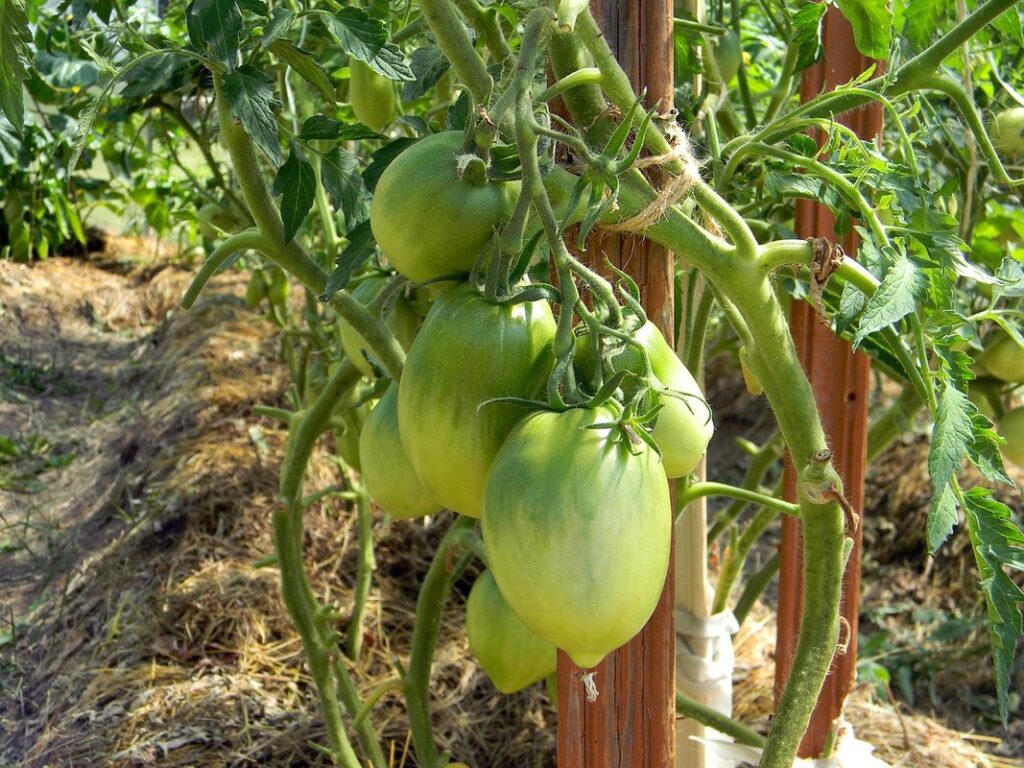
What is Tomato Mulch and How Does it Work?
If you’re new to gardening, let’s start from scratch: what exactly is tomato mulch, and how does it benefit your plants? We’ll break it down for you.
Types of Materials Used for Mulching Tomatoes
When it comes to mulching tomatoes, you have a variety of materials to choose from. Organic options are ideal for providing nutrients and retaining moisture, making them perfect for tomato plants. One popular choice is straw mulch, which is easy to find and inexpensive. It’s also a good option for areas with poor soil quality as it won’t burn or scorch the plant.
Another option is bark chips, which are rich in carbon and can help regulate soil temperature. They’re also less prone to mold and mildew than organic materials like leaves or grass clippings. If you have a yard full of trees, consider using fallen leaves as mulch – they’ll add nutrients to the soil without taking up too much space.
Grass clippings are another option, but be sure to use them in moderation as they can lead to thatch buildup if left unattended. You can also mix and match different materials for a unique blend that suits your garden’s needs. For example, layering straw over bark chips can provide an extra boost of nutrients and moisture retention.
Understanding the Mulching Process for Optimal Results
When applying tomato mulch to your garden, it’s essential to understand the proper application and management process for optimal results. Start by adding a 2-3 inch layer of fresh mulch around your tomato plants, keeping it a few inches away from the stem to prevent rot. As the mulch breaks down, replenish it with new material to maintain its effectiveness.
Mulch depth is crucial; too little and you won’t get the benefits, while too much can lead to waterlogging. It’s also vital to keep the mulch consistently moist during dry spells, but avoid overwatering which can cause root rot.
In addition to these basic principles, consider a few more best practices: avoid applying mulch when it’s wet or freshly rain-fed to prevent mold and mildew growth; use organic mulches like straw or bark chips that retain moisture while allowing for air circulation; and replenish your mulch annually to maintain its quality and effectiveness.
Regularly inspect the mulch for signs of decomposition, pests, or diseases, and address any issues promptly. This will ensure you get the maximum benefits from using tomato mulch in your garden.
Soil Health: How Tomato Mulch Enhances Nutrient Availability
Tomato mulch plays a vital role in boosting soil health by making essential nutrients more accessible to your plants as they grow. This is especially important for nutrient-hungry tomatoes themselves.
Organic Matter Content in Mulched Soils
When you incorporate tomato mulch into your garden, one of the most significant benefits is the increase in organic matter content. Organic matter plays a crucial role in improving soil structure, increasing its water-holding capacity, and providing nutrients for plant growth.
Tomato mulch is rich in carbon-based compounds that decompose slowly, adding to the overall organic matter levels in your soil. As this material breaks down, it creates a humus-rich environment that enhances soil’s water retention capabilities. This, in turn, reduces the need for frequent watering and minimizes soil erosion.
Research has shown that incorporating mulch can increase soil’s carbon content by up to 5%. This increase not only supports healthy microbial activity but also contributes to improved nutrient cycling within the ecosystem. To maximize these benefits, aim to incorporate at least 2-3 inches of tomato mulch around your plants. As it breaks down, you’ll notice a noticeable improvement in soil structure and fertility.
Nutrient Cycling and Retention with Mulch
Mulch plays a vital role in nutrient cycling and retention, ensuring that plants have access to the necessary nutrients for healthy growth. When organic matter like mulch decomposes, it releases essential micronutrients into the soil. This process is known as nutrient cycling, where nutrients are constantly being cycled from one form to another.
For instance, when you apply a 2-inch layer of tomato mulch to your garden bed, it acts as a reservoir for water and nutrients. As the mulch breaks down, these nutrients become available to plants in a readily absorbable form. Mulch also helps retain moisture in the soil, reducing the need for frequent watering and minimizing nutrient loss through leaching.
To maximize nutrient retention with mulch, apply 2-3 inches of fresh material annually, replenishing as needed. Also, mix compost into the topsoil before applying new mulch to create a nutrient-rich environment. This ensures that plants have access to an optimal balance of nutrients throughout their growth cycle.
Pest and Disease Control through Tomato Mulch
Mulching is a versatile technique that offers multiple benefits for your garden, but did you know it can also help control pests and diseases? We’ll explore this lesser-known advantage.
Physical Barrier Against Pests and Diseases
Tomato mulch creates a physical barrier between plants and pests, preventing them from reaching the soil where diseases thrive. This is especially effective against root-feeding insects like whiteflies and aphids. The dense layer of mulch also suppresses weeds that can harbor pests and diseases.
The thickness of the mulch acts as a shield, making it difficult for fungal spores to penetrate and infect plants. Organic mulches like tomato leaves are rich in nutrients, which are slowly released into the soil as they break down. This nutrient-rich environment promotes healthy plant growth, reducing stress and susceptibility to disease.
When applying mulch around your tomatoes, keep it at least 3-4 inches away from the stem to prevent moisture buildup, which can encourage fungal growth. Regularly monitoring the condition of your plants and adjusting the mulch as needed will help maintain an effective barrier against pests and diseases.
Reduced Soil Temperature for Better Plant Growth
One of the most significant advantages of using tomato mulch is its ability to regulate soil temperature. When the sun beats down on bare soil, it can become scorching hot, creating an ideal environment for pathogens and pests to thrive. This can lead to a range of issues, from fungal diseases to weed growth. By applying a layer of tomato mulch, you’re essentially insulating your plants from extreme temperatures.
Tomato mulch works by absorbing excess heat during the day and releasing it back into the soil at night. This helps maintain a stable temperature, making it difficult for pathogens to grow. For example, if the soil temperature reaches 80°F (27°C) or above, most fungal diseases will thrive. But with tomato mulch in place, you can expect the soil temperature to remain around 60-70°F (15-21°C), creating an unfavorable environment for these diseases.
To get the best results, aim to apply a 2-3 inch layer of mulch around your plants. This will not only regulate soil temperature but also retain moisture and suppress weed growth. Remember to replenish the mulch as needed, ideally every 6-8 weeks, to maintain its effectiveness.
Water Conservation: The Role of Tomato Mulch
Tomato mulch plays a significant role in water conservation by reducing soil evaporation and retaining moisture, which can save you time and money on irrigation. Let’s explore how it works its magic!
Mulched Soil’s Improved Water Retention Capacity
One of the most significant advantages of using tomato mulch is its ability to improve soil’s water retention capacity. This means that your plants will need less frequent watering, making it an ideal solution for busy gardeners who want to minimize their impact on the environment.
When applied properly, tomato mulch acts as a barrier between the soil and the atmosphere, preventing moisture from evaporating too quickly. As a result, the soil remains consistently moist, reducing the risk of water stress and associated problems like wilting leaves or fruit drop. In addition, the organic matter in the mulch breaks down over time, adding nutrients to the soil that promote healthy plant growth.
To maximize the water retention benefits of tomato mulch, be sure to apply a 2-3 inch layer around your plants, keeping it slightly away from the stems. Avoid piling the mulch against the trunks, as this can lead to rot and other issues. With regular replenishment, your soil will remain healthy and hydrated, reducing your reliance on frequent watering and minimizing waste. By incorporating tomato mulch into your gardening routine, you’ll be taking a significant step towards creating a more sustainable and water-efficient garden.
Reduced Evaporation with Proper Mulching Techniques
When applying tomato mulch, it’s essential to use proper techniques to minimize water loss through evaporation. Evaporation occurs when water is drawn out of the soil into the air, and it can be a significant issue during hot summer months. To reduce this loss, start by applying a 2-3 inch layer of mulch around your plants, keeping it at least 6 inches away from the stem to prevent moisture from getting trapped.
As for how to apply the mulch, you can either spread it evenly or create mounds around each plant. This allows excess water to run off and reduces soil compaction. You can also use a mixture of organic materials like straw, leaves, or grass clippings along with your tomato mulch to retain moisture.
To further reduce evaporation, keep your garden well-watered but avoid overwatering, which can lead to more water loss through runoff. Regularly inspect the soil moisture levels and adjust your watering schedule accordingly. By using these simple techniques, you’ll be able to conserve water while still enjoying a healthy harvest from your tomato plants.
Composting and Recycling: Maximizing Tomato Mulch Benefits
To make the most of tomato mulch, you’ll want to learn how to effectively compost it and incorporate it into your garden’s recycling routine.
Turning Mulched Materials into Compost
Composting tomato mulch is an excellent way to turn this nutrient-rich material into a valuable fertilizer for your garden. The process begins by collecting and mixing the mulched materials with other compostable items such as leaves, grass clippings, or kitchen scraps. This mixture should be maintained at a suitable carbon-to-nitrogen ratio, ensuring that microorganisms can effectively break down the organic matter.
After creating a balanced blend of tomato mulch and other composting materials, it’s essential to maintain adequate moisture levels and aeration. Regularly turning the pile helps speed up decomposition by allowing oxygen to penetrate and microorganisms to thrive. Within 2-3 months, your mixture will transform into a dark, earthy-smelling compost.
This compost can be used as a nutrient-rich fertilizer for your garden, providing essential nutrients like nitrogen, phosphorus, and potassium. By repurposing tomato mulch through composting, you’ll reduce waste while creating a sustainable gardening practice that promotes soil health and plant growth.
Reducing Waste by Implementing Mulching Practices
Mulched materials can be repurposed in various garden applications beyond just composting and mulching. One innovative way to utilize these materials is by incorporating them into potting mixes. This approach not only reduces waste but also creates a nutrient-rich blend for your plants.
When creating a homemade potting mix, you can mix 10-20% of the total volume with composted tomato mulch. This will add beneficial microorganisms and organic matter to the soil, promoting healthy root development and water retention. For example, adding composted tomato mulch to a potting mix for seed starting can give young plants a head start on developing robust root systems.
Another option is to use shredded or chopped mulched materials as a top dressing in containers. This helps retain moisture, suppress weeds, and regulate soil temperature – all while providing essential nutrients to the plants through decomposition.
By getting creative with your mulched materials, you can minimize waste and create a more sustainable gardening practice. Just be sure to balance the mix with other ingredients like perlite or vermiculite to maintain proper drainage and aeration for optimal plant growth.
Common Challenges and Troubleshooting Tomato Mulch Application
As you begin using tomato mulch, you may encounter some common challenges that can be easily resolved with a little knowledge and troubleshooting. We’ll walk you through the most common issues and their solutions.
Identifying Potential Issues with Mulch Breakdown
When using tomato mulch in your garden, there are a few potential issues to watch out for related to breakdown and application. One common problem is uneven application, where the mulch is too thick in some areas and not enough in others. This can lead to inconsistent moisture levels, which can be detrimental to your tomatoes.
Another issue is mulch that’s applied too heavily, causing it to rot and create anaerobic conditions that harm the soil and roots of your plants. Aim for a 2-3 inch layer, replenishing as needed to maintain a consistent level throughout the growing season.
It’s also possible for mulch to break down too quickly, reducing its effectiveness over time. This can be caused by factors such as excessive moisture or high temperatures. To combat this, ensure your mulch is applied correctly and keep an eye on weather conditions.
Regularly inspecting your mulched areas can help identify potential issues early on, allowing you to make adjustments before they become significant problems.
Effective Strategies for Overcoming Mulch-Related Problems
When using tomato mulch, you may encounter some common challenges that can hinder its effectiveness. Don’t worry – these issues are easy to address with the right strategies. One of the main problems is uneven moisture levels. This can cause the mulch to become dry and cracked or overly soggy, which in turn affects your tomatoes’ growth.
To prevent this issue, make sure to apply a consistent layer of mulch around 2-3 inches thick. Also, water the soil underneath the mulch deeply but infrequently to encourage deep root growth. This will help your plants absorb moisture more efficiently and reduce evaporation.
Another common problem is weed invasion. Tomato mulch can attract weeds if it’s not applied properly. To combat this, lay down a weed barrier before applying the mulch or use a landscape fabric to prevent weeds from growing up through the mulch. Regularly inspecting your mulch layer for signs of weeds and removing them promptly will also keep these unwanted visitors under control.
Keep in mind that excessive mulching can lead to overheating, which can harm your plants. To avoid this, monitor your soil temperature regularly, especially during hot weather. If you notice the temperature becoming too high, remove some of the mulch to allow for better airflow and cooling.
By following these practical tips and being mindful of potential issues, you’ll be able to enjoy the full benefits of using tomato mulch in your garden.
Conclusion: Unlocking the Full Potential of Tomato Mulch in Your Garden
As you’ve learned throughout this post, tomato mulch is a game-changer for your garden. By harnessing its benefits, you can create a thriving environment that’s perfect for growth and development. To unlock the full potential of tomato mulch, remember to apply it liberally around plants, maintaining a layer of at least 2-3 inches. This will not only retain moisture but also suppress weeds and regulate soil temperature.
With these simple steps, you’ll be well on your way to creating a garden that’s bursting with life and color. By incorporating tomato mulch into your gardening routine, you can say goodbye to common problems like dry spells and hello to lush, vibrant plants that will leave a lasting impression. So go ahead, give tomato mulch a try – we’re confident you won’t be disappointed!
Frequently Asked Questions
Can I use tomato mulch in containers or indoor gardens?
Yes, tomato mulch can be just as beneficial for container or indoor gardens as it is for traditional outdoor gardens. Simply create the same mixture of decomposed tomatoes and organic matter, and apply it to your plants according to their specific needs.
How do I know if my soil has too much acidity from using tomato mulch?
Yes, excessive acidity can be a concern with tomato mulch. Monitor your pH levels regularly and adjust accordingly by adding lime or other alkaline materials to balance the acidity. This is especially important for gardens with already acidic soils.
What’s the best way to mix tomato mulch with other soil amendments?
When combining tomato mulch with other soil amendments, it’s essential to maintain a balanced mixture. Start with a 2:1 ratio of decomposed tomatoes to other organic matter, and adjust as needed based on your specific plant requirements and soil conditions.
Can I reuse the same tomato mulch for multiple seasons?
While tomato mulch can be reused, its effectiveness may decrease over time. Consider refreshing or repurposing the mulch every 6-12 months to maintain optimal nutrient levels and prevent potential issues with pest and disease buildup.
How do I handle any remaining fresh tomatoes that don’t make it into my mulch?
Yes, incorporating fresh tomatoes into your mulch can be beneficial as well! Simply chop them up and mix them in with other decomposed materials. This will help speed up the decomposition process and create a nutrient-rich mulch for your plants.