
Tomato farmers know that one of the biggest frustrations is dealing with irregular ripening. It’s not just a minor issue, but can lead to significant financial losses and affect overall plant health. There are several factors at play here – environmental conditions, nutritional deficiencies, and even genetic predispositions can all contribute to uneven ripening. As a result, growers often struggle to predict when their tomatoes will be ready for harvest, leading to wasted resources and reduced yields. In this article, we’ll explore the main causes of irregular tomato ripening in more detail. We’ll discuss how environmental factors like temperature and light exposure impact ripening, as well as nutritional deficiencies that can slow down or speed up the process. By understanding these underlying causes, growers can take steps to prevent financial losses and promote healthy plant growth.
What is Tomato Irregular Ripening?
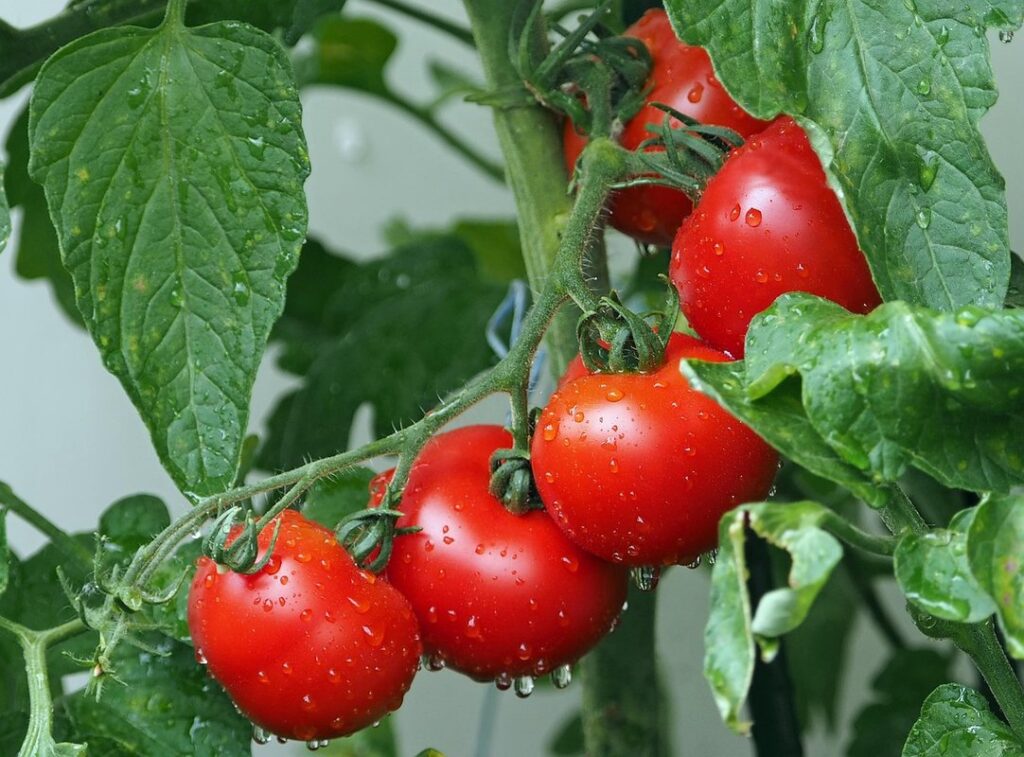
Tomato irregular ripening refers to a condition where fruits mature unevenly, affecting their flavor and texture. In this section, we’ll explore the causes of this phenomenon in more detail.
Definition and Prevalence of Irregular Ripening
Irregular ripening patterns are one of the most common issues faced by gardeners and farmers. This condition can manifest as uneven ripening, delayed maturity, or premature senescence. In simple terms, this means that tomatoes on the same plant may not ripen at the same time, some may remain green for an extended period, while others turn red prematurely.
This irregularity can be frustrating, especially when it comes to planning harvests and managing crop yields. To put things into perspective, a study found that tomato irregular ripening can lead to losses of up to 30% in yield and quality. Factors such as temperature fluctuations, inadequate watering, and disease or pests can contribute to this issue.
To identify irregular ripening patterns early on, gardeners and farmers should regularly inspect their plants for signs of uneven coloration, soft spots, or an extended green phase. By monitoring these factors and adjusting their cultivation practices accordingly, it’s possible to mitigate the effects of irregular ripening and optimize fruit development.
Economic Impact of Irregular Ripening
Irregular ripening can have a significant economic impact on tomato growers and suppliers. When tomatoes do not ripen uniformly, their market value decreases, making them less desirable to consumers and retailers. This can lead to reduced sales revenue for growers, as they may need to accept lower prices or sell their produce at a loss.
Furthermore, irregular ripening can result in decreased yields due to the increased time it takes for tomatoes to reach full maturity. This not only affects overall production levels but also increases labor costs associated with monitoring and harvesting. Additionally, irregularly ripened tomatoes are more likely to be discarded before reaching the market, contributing to food waste and further exacerbating financial losses.
According to industry estimates, up to 30% of produce is wasted due to factors like irregular ripening. This staggering statistic highlights the importance of understanding and addressing this issue to minimize economic losses and optimize resource utilization. By recognizing the signs of irregular ripening and implementing targeted solutions, growers can mitigate these effects and maintain more stable market value for their crops.
Environmental Factors Contributing to Irregular Ripening
Now, let’s dive into the environmental factors that can affect tomato ripening. Weather conditions, soil quality, and even nearby plant competition all play a role in irregular fruit development.
Temperature Extremes: Heat Stress and Cold Damage
When tomato plants are exposed to extreme temperatures, it can significantly impact their ability to ripen evenly. High heat stress is a common issue that affects many growers worldwide. When temperatures soar above 85°F (30°C), tomatoes may develop symptoms such as leaf scorching and sunscald, which can cause damage to the fruit.
Sunscald, in particular, occurs when the skin of the tomato is exposed directly to intense sunlight without any protection from foliage or shading. This condition leads to white or yellow patches on the surface of the fruit, rendering it unripe for consumption. To prevent heat stress and sunscald, ensure your plants receive adequate water supply and provide them with a canopy of shade cloth or a trellis during peak sun hours.
Cold damage is another environmental factor that affects tomato ripening. Sudden temperature drops below 40°F (4°C) can cause severe damage to the plant’s tissues, resulting in brown or black spots on the fruit surface. Growers in areas prone to frost should be aware of these risks and take preventative measures such as covering their plants with a sheet of plastic or bringing them indoors during extreme cold snaps.
In addition to heat stress and cold damage, temperature fluctuations can also lead to uneven ripening patterns within the same plant. Tomato growers must monitor weather forecasts closely and adjust their management practices accordingly to mitigate the effects of temperature extremes on fruit development.
Water Stress and Drought Conditions
Inadequate watering is a significant environmental factor contributing to irregular ripening in tomatoes. When plants don’t receive enough water, they can’t produce the necessary sugars and acids that contribute to fruit development and ripening. This can lead to stunted growth, reduced fruit size, and delayed or uneven ripening.
Water stress affects tomato plants in various ways. For instance, a study published in the Journal of Agricultural Science showed that water-stressed tomato plants had lower yields and lower quality fruits compared to well-watered plants. Inadequate watering also triggers stress responses within the plant, activating defense mechanisms that can slow down fruit growth and ripening.
To avoid irregular ripening caused by water stress, ensure your tomato plants receive consistent moisture levels throughout their growing period. Aim for about 1-2 inches of water per week, either through rainfall or irrigation. Monitor soil moisture by inserting a finger into the soil up to the knuckle; if it feels dry, it’s time to water. Avoid overhead watering, which can lead to fungal diseases and other problems, opting instead for soaker hoses or drip irrigation systems that deliver water directly to the roots. By maintaining optimal water levels, you’ll give your tomato plants the best chance at developing healthy, evenly ripened fruits.
Nutritional Deficiencies Affecting Tomato Ripening
Nutrient imbalances can have a significant impact on tomato development, causing irregular ripening and affecting the fruit’s overall quality. Let’s explore some common nutritional deficiencies that contribute to this issue.
Micronutrient Deficiencies: Calcium, Potassium, and Boron
Micronutrient deficiencies can significantly impact tomato plant health, leading to irregular ripening. One essential micronutrient is calcium (Ca), which plays a crucial role in cell wall development and fruit growth. A deficiency in calcium can cause tomatoes to develop brown or white spots on the skin, a condition known as “blossom-end rot.” To correct this issue, growers can apply calcium-rich fertilizers or lime to the soil.
Another critical micronutrient is potassium (K), which aids in photosynthesis and sugar production. Insufficient potassium levels can result in stunted growth, yellowing leaves, and reduced fruit set. To rectify this problem, growers should use potassium-based fertilizers or composts rich in potassium.
Lastly, boron (B) is essential for cell wall development and carbohydrate metabolism. Boron deficiency can lead to distorted or deformed fruits. To address this issue, apply boron-rich fertilizers or incorporate boron-enriched compost into the soil. Regular soil testing will help growers identify micronutrient deficiencies early on, allowing them to take corrective action before it’s too late.
Macronutrient Imbalances: Nitrogen, Phosphorus, and Potassium
Macronutrient imbalances can significantly impact tomato ripening patterns. Nitrogen (N), phosphorus (P), and potassium (K) are crucial macronutrients that play a vital role in fruit development, but excessive or inadequate application of these nutrients can lead to irregular ripening.
Nitrogen deficiency can cause stunted growth, delayed ripening, and reduced fruit set. Conversely, excessive N application can result in excessive vegetative growth at the expense of fruiting, leading to uneven ripening patterns. Phosphorus, on the other hand, is essential for root development and energy production in plants. A P deficiency can hinder fruit growth, while an overabundance can cause symptoms like scorched leaves.
Potassium imbalance also affects tomato ripening, with inadequate K levels impairing fruit set and causing uneven coloration. Excessive K application, however, can lead to potassium toxicity, stunting plant growth and reducing yields. To mitigate these issues, it’s essential to maintain optimal nutrient balances through regular soil testing and targeted fertilization practices.
Pests and Diseases Causing Irregular Ripening
Let’s take a closer look at some of the external factors that can cause tomato irregular ripening, such as pests and diseases. These unwelcome visitors can severely impact your fruit’s development.
Common Tomato Pests: Hornworms, Aphids, and Whiteflies
Hornworms are one of the most destructive tomato pests, causing extensive damage through their voracious appetite. These caterpillars feed on plant tissues, leaving behind large holes and discoloration. They’re particularly attracted to fruiting plants, consuming entire tomatoes before they even ripen.
Aphids, tiny sap-sucking insects, weaken tomato plants by draining nutrients. These pests secrete a sticky substance called honeydew, which attracts other insects and promotes fungal growth, further compromising plant health.
Whiteflies are another common pest that feeds on plant sap, weakening the plant’s ability to produce healthy fruit. Their feeding behavior leads to distorted or misshapen tomatoes, affecting overall ripening irregularities.
To control these pests, use a combination of cultural, physical, and chemical methods. Hand-picking and destroying infested plants or parts can be an effective way to minimize damage. Encourage beneficial insects like ladybugs and lacewings, which prey on aphids and whiteflies. Organic insecticides like neem oil and pyrethrin sprays can also help manage hornworm populations.
Regular monitoring of your garden is crucial in preventing pest infestations. Keep an eye out for early signs of damage, such as holes or discoloration, and take swift action to prevent further damage.
Fungal Diseases: Early Blight, Septoria Leaf Spot, and Powdery Mildew
Fungal diseases are among the primary culprits behind irregular ripening in tomatoes. Three notable fungal diseases that can cause these issues are Early Blight, Septoria Leaf Spot, and Powdery Mildew.
Early Blight, caused by Alternaria solani, leads to premature defoliation and reduced yields due to its ability to infect both the leaves and fruit of tomato plants. As the disease progresses, the leaves turn yellow, and the stems may become weakened, ultimately affecting fruit growth and development.
Septoria Leaf Spot, also known as Septoria lycopersici, causes lesions on the lower leaves that can spread quickly under humid conditions. This damage leads to a reduction in photosynthesis, hindering plant growth and causing irregular ripening of tomatoes.
Powdery Mildew, caused by Oidium neolycopersicum, is characterized by a white powdery coating on the leaves. As this fungus grows, it can block sunlight from reaching the fruit, slowing down ripening and affecting overall yields.
To prevent these diseases, maintain proper crop rotation, ensure good air circulation around plants, and remove any infected plant material to avoid disease spread.
Genetic Factors Influencing Tomato Ripening
Genetic factors play a crucial role in regulating tomato ripening, and understanding these influences can help you identify potential causes of irregular ripening in your garden. Let’s explore some key genetic factors at work here.
Heritability of Ripening Traits
The heritability of ripening traits in tomatoes is influenced by genetic factors that play a crucial role in regulating the fruit’s maturation process. One key factor is ethylene production, a plant hormone responsible for triggering ripening. Research has shown that tomato varieties differ significantly in their ethylene production rates, with some producing more than others. For instance, cherry tomatoes tend to have higher ethylene production levels compared to larger beefsteak tomatoes.
Ethylene perception is another important aspect of the genetic basis of tomato ripening. This involves the presence of specific receptors on the plant’s cells that respond to ethylene signals. Mutations in these receptors can lead to altered ripening patterns, as seen in some commercial tomato varieties. The study of these genetic differences has led to the development of more efficient and targeted breeding programs aimed at improving fruit quality and consistency.
In practical terms, understanding the heritability of ripening traits can help farmers and breeders select tomato varieties that are better suited to their specific growing conditions. By identifying the underlying genetic factors influencing ethylene production and perception, researchers can develop new strategies for optimizing fruit development and reducing irregular ripening issues.
Breeding for Improved Ripening Characteristics
Selective breeding has long been recognized as an effective method to improve desirable traits in crops, including tomatoes. By selecting and propagating plants with consistent and favorable ripening patterns, farmers can reduce the likelihood of irregular ripening occurrences. This targeted approach allows for the development of tomato varieties that are better equipped to handle environmental stressors and produce more predictable harvests.
One notable example is the development of the ‘Better Boy’ tomato variety, which was bred specifically for its improved ripening characteristics. Through a combination of selective breeding and advanced genetic analysis, this variety has been engineered to exhibit consistent fruit set and accelerated ripening processes. This selective breeding strategy can be replicated in various other tomato varieties, enabling farmers to tailor their crops to specific growing conditions and market demands.
In practice, farmers looking to improve the ripening characteristics of their tomatoes can begin by identifying high-performing plants with desirable traits within their existing crop populations. By selecting and propagating these elite individuals, they can gradually build a more robust and resilient plant stock that is better equipped to handle environmental stressors and produce consistent harvests.
Management Strategies for Preventing Irregular Ripening
To ensure a bountiful harvest, it’s essential to understand how to prevent irregular ripening and maintain optimal fruit development in your tomato crop. Let’s explore effective management strategies for achieving this goal.
Integrated Pest Management (IPM) Techniques
Integrated Pest Management (IPM) techniques play a crucial role in preventing irregular ripening of tomatoes. When pest pressure is high, it can divert the plant’s energy from fruit development to defense mechanisms, leading to uneven ripening. IPM involves using a combination of strategies to manage pests, including cultural controls, biological controls, and chemical controls.
Cultural controls include maintaining good farm hygiene, pruning plants to improve air circulation, and rotating crops to break disease cycles. Biological controls involve introducing natural predators or parasites that feed on pests, such as ladybugs for aphids or parasitic wasps for whiteflies. Chemical controls should be used judiciously and only when necessary, with a focus on selective pesticides that target specific pest species.
To implement IPM effectively, monitor your crops regularly to detect pest infestations early. Use sticky traps, yellow traps, or other monitoring tools to identify the type of pests present. This allows you to take targeted action and minimize chemical use. For example, if aphids are detected, introducing ladybugs can be an effective biological control method.
By adopting IPM techniques, growers can reduce pest pressure, promote healthy plant growth, and minimize their reliance on chemicals. This not only prevents irregular ripening but also contributes to a more sustainable and environmentally friendly farming practice.
Soil Preparation and Fertilization Practices
Optimal soil health is crucial for tomato plants to develop consistently. This begins with preparing the soil before planting by adding organic matter such as compost or well-rotted manure to improve its structure and fertility. A balanced fertilizer application, rich in nutrients like nitrogen, phosphorus, and potassium, should follow. Regular monitoring of pH levels and nutrient deficiencies is essential for making adjustments and ensuring optimal conditions.
Regular fertilization practices also play a significant role. Organic methods such as using fish emulsion or alfalfa meal can provide a steady release of nutrients without burning the plant’s roots. On the other hand, synthetic fertilizers can offer quick results but must be used carefully to avoid over-fertilization, which can lead to irregular ripening.
Monitoring for pests and diseases is also critical in preventing irregular ripening. Regular checks help identify potential issues early on, allowing for timely intervention and minimizing damage to the crop.
Frequently Asked Questions
What if I’ve already planted my tomatoes but want to prevent irregular ripening?
If you’re looking to prevent irregular ripening after planting, it’s essential to address potential nutritional deficiencies through targeted fertilization practices. This may involve analyzing your soil and adjusting your fertilizer application schedule accordingly. Additionally, implementing integrated pest management techniques can help minimize stress on the plants.
How do I recognize early signs of water stress or drought conditions in my tomato crop?
Recognizing early signs of water stress is crucial to prevent irreversible damage. Look out for symptoms such as yellowing leaves, wilted stems, and reduced fruit growth. Conduct thorough soil moisture checks to determine if your plants are receiving adequate water. Implement efficient irrigation strategies tailored to your specific climate.
Can irregular ripening be caused by pests or diseases, and how can I manage them?
Yes, certain pests and diseases can cause irregular ripening in tomatoes. Hornworms, aphids, and whiteflies are common culprits, while early blight, septoria leaf spot, and powdery mildew are among the most prevalent fungal infections. Implementing integrated pest management techniques, including cultural controls and targeted pesticide use, is crucial for managing these threats.
How can I incorporate genetic factors into my breeding program to improve ripening characteristics?
Breeding programs focused on improving ripening traits require a comprehensive understanding of heritability and genetic influences. This involves selecting parent lines with desirable ripening characteristics, analyzing their genetic makeup, and applying advanced breeding techniques such as marker-assisted selection.
What role does calcium play in preventing blossom end rot, which can contribute to irregular ripening?
Calcium plays a critical role in maintaining cell wall integrity and preventing blossom end rot. This condition often results from calcium deficiency, particularly during periods of rapid fruit growth. Maintaining optimal soil calcium levels through targeted fertilization practices is essential for preventing blossom end rot and promoting healthy fruit development.
Can I use IPM techniques to manage micronutrient deficiencies affecting tomato ripening?
Yes, integrated pest management techniques can be adapted to address micronutrient deficiencies. This involves analyzing your soil, monitoring plant symptoms, and applying targeted fertilizers based on the specific deficiencies identified. By adopting a holistic approach to crop management, you can minimize micronutrient deficiencies and promote optimal fruit development.