
Tomato hornworms are one of the most frustrating garden pests, causing significant damage to your prized tomatoes. These large, green worms can be difficult to spot, but if you don’t catch them early, they can quickly devour a whole plant in no time. Identifying and controlling tomato hornworm infestations is crucial for any gardener who wants to protect their crops and enjoy a bountiful harvest.
In this comprehensive guide, we’ll take you through the steps of identifying these pesky worms, from visual inspection techniques to organic and chemical controls. We’ll also share prevention strategies that will help you avoid future infestations and ensure your tomatoes stay healthy all season long. By following our expert advice, you’ll be equipped with the knowledge to tackle tomato hornworms head-on and save your garden from these damaging pests.
Understanding the Problem
Understanding what you’re up against is crucial when it comes to tomato hornworm control, so let’s take a closer look at the problem. This section will help you identify signs of infestation and understand why these pests are such a nuisance.
The Dangers of Tomatoes Hornworms
Tomato hornworms are one of the most devastating pests that can affect tomato plants, causing significant damage to crops. These large green caterpillars can feed on leaves, stems, and even fruit, leading to reduced yields and lower quality produce.
If left uncontrolled, a single infestation can result in up to 75% loss of yield, making it essential to identify and manage these pests early on. The key to successful control lies in early detection, as the larvae are more susceptible to insecticides when they are young.
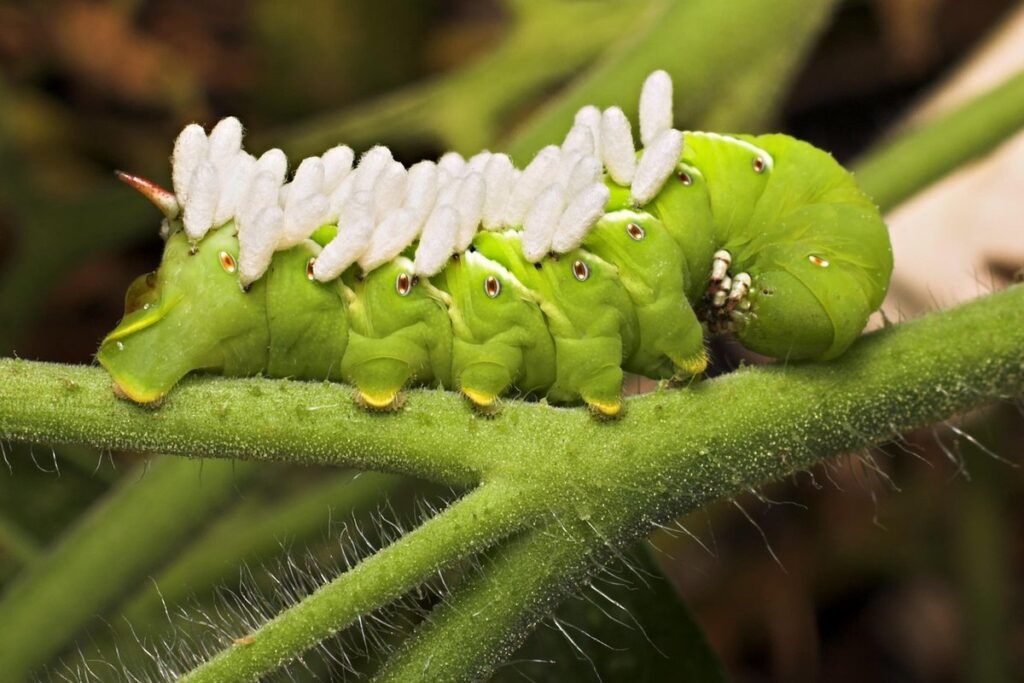
To identify tomato hornworms, look for their distinctive features: a green body with white stripes and a horn-like protrusion on their rear end. Check your plants regularly, especially during peak growth periods, to catch any infestations before they spread. Inspect the undersides of leaves and stems, as well as around any damage or discoloration.
Early detection is crucial in preventing further damage and reducing the risk of other pests taking advantage of weakened plants. By understanding the dangers of tomato hornworms and acting quickly, you can protect your crops and ensure a healthier harvest.
Common Signs of Infestation
One of the most critical aspects of effective tomato hornworm control is early detection. Recognizing common signs of infestation can help you take swift action and prevent significant damage to your plants. Physical symptoms are often the first indicators of a problem.
Look for large, green caterpillars with white stripes running along their sides. These voracious eaters can quickly ravage tomato leaves, stems, and even fruits. You may also notice small holes in leaves or irregularly shaped notches on the edges. In severe cases, you might see entire sections of the plant defoliated.
Changes in plant behavior are another telltale sign. Tomato plants under attack by hornworms may appear stunted or wilted due to excessive feeding. Some gardeners have reported noticing a sudden decline in fruit production or observing hornworms congregating on affected plants. If you suspect an infestation, inspect your tomato plants carefully and remove any visible caterpillars. Be sure to dispose of them promptly to prevent re-infestation.
Identification Methods
To accurately identify tomato hornworms, you’ll want to look for distinctive markings and characteristics that set them apart from other garden pests. We’ll walk through each of these identifying features in more detail next.
Visual Inspection for Hornworms
When inspecting your tomato plants for hornworms, it’s essential to be thorough and know what to look for. Start by examining the leaves and stems closely, as these are common places for hornworms to hide. Look for large, green or brown caterpillars with distinctive markings. Tomato hornworms can grow up to 4 inches long, so don’t be surprised if you spot a particularly large caterpillar.
One way to identify hornworms is by their coloration and patterns. They often have five pairs of fleshy protrusions on their body, which are usually yellow or white in color. These protrusions can be difficult to see, especially on larger hornworms, so make sure to inspect the plant carefully. Another key characteristic is the presence of a distinctive pair of brown spots or markings near the rear end of the caterpillar.
To visually inspect your plants effectively, try using a magnifying glass or hand lens to get a closer look at any suspicious growths or caterpillars you find. Remember to check both the upper and lower surfaces of leaves, as well as the stems and fruit. Don’t forget to look for hornworm eggs on the underside of leaves – these are small, white, and about 1/8 inch in diameter.
Checking for Eggs and Larvae
When checking for eggs and larvae, it’s essential to inspect all areas of the plant thoroughly. Start by examining the undersides of leaves, as this is where hornworms often lay their eggs and hide from predators. Use a pair of tweezers or a small brush to gently lift up any debris or leaf litter that may be hiding eggs or larvae.
Look for tiny white or yellowish eggs on the underside of leaves, stems, or fruit. Hornworm eggs are usually laid in clusters and can be mistaken for fungal growths or other plant damage. Be sure to inspect all areas of the plant, including the soil around the base of the plant, as hornworms can also infest the roots.
When checking for larvae, look for large, green caterpillars with a distinctive white stripe running along their sides. Hornworms tend to be most active at night and will often feed on plant leaves and stems during this time. If you find an infestation, carefully remove any affected areas of the plant and dispose of them in a sealed bag to prevent further damage.
Check for larvae regularly, especially during peak season when hornworm populations are typically highest.
Control Methods
Now that you know what tomato hornworms look like, it’s time to talk about how to get rid of them – effectively using control methods that prevent future infestations.
Organic and Integrated Pest Management (IPM) Approaches
When it comes to controlling tomato hornworm populations without resorting to harsh chemicals, organic and Integrated Pest Management (IPM) approaches are a viable option. These methods not only protect the environment but also promote a balanced ecosystem.
One of the simplest and most effective organic control methods is hand-picking. Regularly inspect your plants, especially during peak growing seasons, and manually remove any hornworms you find. This approach may seem time-consuming, but it’s an excellent way to catch emerging infestations before they get out of hand.
Another beneficial method involves introducing natural predators that prey on tomato hornworms. Encourage the presence of beneficial insects such as parasitic wasps or lacewings by planting a diverse range of flowers and herbs in your garden. These beneficial insects will help control hornworm populations without requiring additional chemicals.
For more targeted control, consider using neem oil or Bt spray. Neem oil disrupts insect growth and development, while Bt spray kills hornworm larvae. Both products are derived from natural sources and can be applied at different stages of the infestation to minimize damage. Always follow the product instructions carefully to ensure effective results and minimal impact on other beneficial insects in your garden.
Chemical Controls: When to Use Them
When using chemical controls to manage tomato hornworm populations, it’s essential to weigh their effectiveness against potential risks. Insecticides and systemic pesticides can be potent tools in controlling infestations, especially when used as a last resort or in conjunction with cultural controls.
Bacillus thuringiensis (Bt) and spinosad are effective insecticides that specifically target hornworm larvae without harming beneficial insects like bees and butterflies. These products can be applied to the soil or foliage to control emerging infestations. However, repeated use of Bt can lead to the development of pesticide-resistant populations.
Systemic pesticides like imidacloprid are absorbed by plants, providing long-lasting protection against hornworms and other pests. While effective, these chemicals can also harm pollinators and other beneficial insects if not used carefully. When using chemical controls, always follow label instructions and take necessary precautions to minimize exposure risks.
Consider integrated pest management (IPM) approaches that combine cultural controls, biological controls, and targeted chemical applications for the most effective results.
Prevention Strategies
To keep tomato hornworms from ruining your crop, let’s explore some effective prevention strategies that’ll save you time and trouble. From crop rotation to biological controls, we’ve got you covered!
Cultural Controls for Healthy Plants
A healthy tomato plant is more resilient to tomato hornworm infestations. Cultural controls are essential for promoting robust growth and preventing pest issues. One key strategy is crop rotation, which involves changing the location of your tomato plants each season. This breaks the life cycle of pests, including tomato hornworms, and reduces soil-borne diseases.
Proper soil preparation is also vital. Ensure your soil has a balanced pH level (around 6.0-7.0 for tomatoes) and adequate nutrients. Add organic matter like compost or well-rotted manure to improve its fertility. Regularly inspect your plants’ roots to prevent root bound conditions, which can weaken the plant’s immune system.
Pruning techniques are another crucial aspect of cultural control. Remove any weak or diseased growth, as these can attract pests and reduce air circulation around the plant. Pinch off suckers to promote a stronger stem and encourage fruiting. By implementing these practices, you’ll create an environment where your tomatoes thrive and are better equipped to withstand potential hornworm infestations.
Biological Controls: Introducing Beneficial Insects
Biological controls offer a natural and effective way to manage tomato hornworm populations. One of the most promising methods is introducing beneficial insects that prey on these pests. For example, parasitic wasps like Trichogramma or Cotesia are known to lay their eggs inside hornworm cocoons, ultimately killing them. Lacewings, another beneficial insect, feed on adult hornworms and their eggs, significantly reducing the population.
To implement biological control using beneficial insects, you’ll need to purchase them from a reputable supplier and release them in your garden at the right time. It’s essential to understand that these beneficial insects may not provide immediate results but can offer long-term control by breaking the hornworm life cycle. A general rule of thumb is to introduce beneficial insects when the temperature reaches 65°F (18°C), as this is when hornworm eggs start hatching.
By using a combination of monitoring techniques and introducing beneficial insects, you can create a balanced ecosystem that naturally regulates tomato hornworm populations. This approach requires patience and persistence but can be a highly effective method for managing these pests without relying on pesticides or other chemicals.
Managing Large-Scale Infestations
When you’re dealing with a massive tomato hornworm infestation, it’s essential to develop a strategic plan for control. This section will walk you through effective techniques for managing large-scale outbreaks.
Monitoring and Record-Keeping for Effectiveness
Monitoring infestation levels is crucial to effectively control tomato hornworm populations. Regularly inspect your plants, paying attention to any damage or presence of large green caterpillars with white stripes and small horn protrusions on their rear ends. You can also use sticky traps or pheromone traps to capture adult moths, which can help you gauge the infestation level.
Keeping accurate records is equally important. Record the number of infested plants, dates when control measures were applied, and any notable changes in pest pressure. This will enable you to identify patterns and adjust your control methods accordingly. For instance, if you notice that your infestations peak during certain months or after specific weather events, you can plan ahead for those periods.
Adjust your control methods based on the data collected from monitoring and record-keeping. If a particular method is not yielding desired results, consider alternative approaches, such as introducing beneficial insects like parasitic wasps or employing organic pesticides.
Coordinating with Farmers or Growers
When managing large-scale infestations of tomato hornworms, it’s essential to coordinate with other farmers or growers in the area. This collective approach can help prevent the spread of the pest and ensure a more effective control plan.
By sharing information about the infestation, including its severity and location, you can gain valuable insights from fellow farmers who may be experiencing similar issues. You can also discuss and agree on common control methods to adopt across multiple farms, which can include integrated pest management (IPM) techniques such as crop rotation, biological control, or cultural controls like hand-picking.
This cooperative approach is not only beneficial for individual growers but also contributes to a more sustainable agricultural system. For instance, if you’re using a particular pesticide that’s proving ineffective against the hornworms, your fellow farmers may have found an alternative method that works better.
Consider joining local farming cooperatives or attending workshops and seminars where you can share knowledge and best practices with other growers. By working together, you’ll be more likely to develop a comprehensive control plan that not only saves individual crops but also helps maintain the overall health of the agricultural community.
Frequently Asked Questions
How to Monitor for Hornworms Throughout the Growing Season?
Monitoring is key when it comes to controlling hornworm populations. Set aside time each week to inspect your plants, focusing on the upper portions of stems and leaves where hornworms tend to hide. Look for signs of damage, such as holes or eaten areas, and check for any visible worms or eggs. Keep a record of your findings to track progress and adjust your control strategies as needed.
Can I Use Neem Oil to Control Hornworms?
Yes, neem oil is an effective natural pesticide that can help control hornworm populations. Mix neem oil with water according to the product’s instructions and spray it on plants to repel and kill hornworms. However, be sure to follow label instructions and take necessary safety precautions when handling neem oil.
What Happens if I Miss a Hornworm Infestation?
Missing a single infestation can lead to significant damage and loss of yield. If you do miss an infestation, don’t panic – focus on prevention for future seasons by implementing cultural controls such as crop rotation and physical barriers to prevent hornworms from accessing your plants.
How Can I Prevent Re-Infestations Next Season?
Prevention is key when it comes to controlling hornworm populations. Consider introducing beneficial insects like parasitic wasps or lacewings, which prey on hornworms, to your garden ecosystem. Additionally, maintain a clean and healthy growing environment by removing weeds and debris that can harbor pests.
Can I Use Companion Planting to Repel Hornworms?
Yes, certain companion plants like basil, mint, and dill have natural oils that repel hornworms. Plant these species alongside your tomatoes to create a more balanced garden ecosystem and reduce the likelihood of infestation. However, be aware that companion planting is just one aspect of integrated pest management (IPM) – combine it with other methods for optimal results.