
Tomato greenhouses can be a haven for growers, providing optimal conditions for their prized plants to thrive. However, when temperatures and humidity levels get out of balance, yields can suffer, and crops may even perish. This is where efficient cooling and climate control systems come into play – crucial components in maintaining the perfect environment for your tomatoes.
In this comprehensive guide, we’ll explore the ins and outs of tomato greenhouse ventilation. You’ll learn how to strike the ideal balance between temperature and humidity levels, ensuring your plants receive just what they need to grow strong and healthy. From basic principles to cutting-edge solutions, we’ll cover it all – from cooling systems to climate control strategies that optimize results for your specific growing conditions.
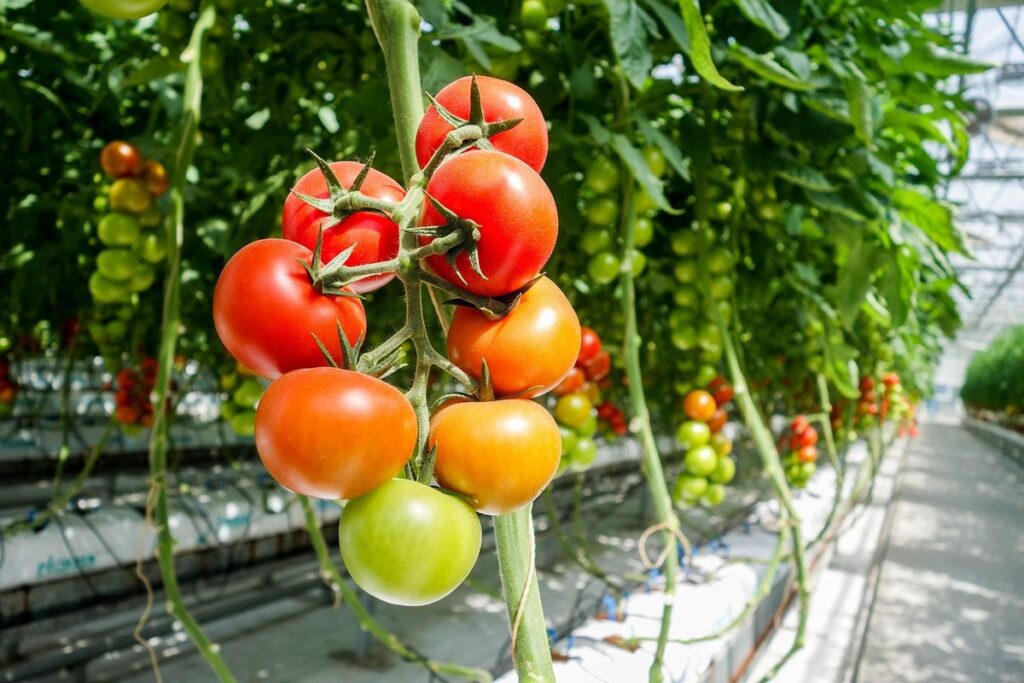
Importance of Ventilation in Tomato Greenhouses
Proper ventilation is crucial for tomato greenhouses, as it prevents overheating and promotes healthy plant growth by removing excess heat and moisture. Effective cooling systems ensure optimal growing conditions.
Why Proper Ventilation Matters for Tomato Plants
Proper ventilation is not just a nice-to-have for tomato plants; it’s an absolute necessity. When it comes to maintaining optimal growing conditions, temperature control and humidity management are key. Tomato plants can suffer greatly when the temperature rises or falls outside of their ideal range (18-24°C/64-75°F). Inadequate ventilation leads to stagnant air, which can cause temperatures to fluctuate wildly, resulting in stress to the plant.
High temperatures also lead to high transpiration rates, causing humidity levels to skyrocket. This creates an environment ripe for fungal diseases like powdery mildew and fusarium wilt, which can decimate a crop quickly. And it’s not just temperature and humidity; proper ventilation is crucial for pest management too. Without adequate airflow, pests like whiteflies, aphids, and spider mites can thrive, feeding on plant sap and causing further stress.
To prevent these issues, ensure your greenhouse has a robust ventilation system that includes both natural (e.g., windows) and mechanical components (e.g., fans). Regularly monitor temperature and humidity levels to adjust the ventilation accordingly. This might involve opening windows at night to cool the greenhouse or using fans during hot spells to circulate air. By doing so, you’ll create a healthy environment for your tomato plants to grow and thrive.
Factors Affecting Ventilation Performance
When it comes to maintaining optimal ventilation performance in tomato greenhouses, several factors come into play. One of the primary considerations is greenhouse design. The layout and structure of the greenhouse can significantly impact airflow, with narrow aisles and ample space between plants facilitating better air circulation. In contrast, a crowded or poorly designed greenhouse can lead to stagnant air pockets, reducing ventilation efficiency.
Climate also plays a crucial role in determining ventilation performance. Temperature fluctuations, humidity levels, and wind speed all influence how effectively the ventilation system operates. For example, high temperatures and humidity can cause condensation, which can negate the benefits of ventilation. In such cases, selecting equipment that can handle these conditions is essential.
Equipment selection is another vital factor affecting ventilation performance. The choice of fans, vents, and other hardware can either enhance or hinder airflow. Factors to consider include fan size, speed, and placement, as well as vent orientation and sizing. By carefully evaluating these factors and making informed decisions, you can optimize your greenhouse’s ventilation system for improved cooling and climate control.
Types of Greenhouse Ventilation Systems
There are several types of greenhouse ventilation systems designed specifically for tomato production, each with its own advantages and suitability. Choosing the right system will depend on your specific needs and climate.
Natural Ventilation Strategies
When it comes to tomato greenhouse ventilation, natural methods can be just as effective as mechanical systems. One of the simplest and most cost-effective ways to promote airflow is through the use of vents. Strategically placed vents on opposite sides of the greenhouse allow for cross-ventilation, which helps to cool the interior by drawing in cooler air from outside.
Another approach is to make the most of natural windows, such as clerestory windows or high-level openings. These allow warm air to escape while keeping rain and pests out. By carefully placing these windows on sunny sides, you can let heat dissipate naturally, reducing the need for mechanical cooling systems.
Some greenhouses also use solar chimneys – tall, narrow structures that channel hot air upwards and out through a vent or chimney. This creates a convective flow of air that cools the greenhouse interior without relying on electric fans.
To implement natural ventilation effectively, consider these tips: position vents to maximize airflow, ensure good clearance between vents and windows for efficient exchange of air, and orient your greenhouse to take advantage of prevailing wind patterns and sunlight exposure.
Mechanical Ventilation Options
When it comes to mechanical ventilation systems for tomato greenhouses, there are two main options: fan-assisted ventilation and air exchange units. Fan-assisted ventilation uses fans to exhaust hot air from the greenhouse while introducing cooler air from outside. This is particularly effective when the temperature difference between inside and outside the greenhouse is significant.
Air exchange units, on the other hand, work by exchanging a set volume of stale air with fresh air at regular intervals. This can be especially beneficial in greenhouses where there’s a high concentration of CO2 or other gases that need to be removed.
Benefits of mechanical ventilation systems include improved temperature control and reduced humidity levels. However, they can also introduce noise pollution and require significant energy input to operate the fans or exchange units. For example, a study found that using fan-assisted ventilation in a tomato greenhouse resulted in an average reduction of 2°C in daytime temperatures and a corresponding increase in yields.
When choosing between these options, consider factors such as climate conditions, greenhouse design, and crop requirements. It’s also essential to ensure proper installation, maintenance, and calibration of the mechanical ventilation system to maximize its effectiveness and efficiency.
Selecting the Right Ventilation Equipment
When it comes to choosing the right ventilation equipment, you’ll want to consider factors such as climate, crop type, and energy efficiency. Let’s break down the key considerations for selecting optimal ventilation gear.
Fans for Greenhouse Ventilation
When it comes to selecting fans for greenhouse ventilation, you have two primary options: axial and centrifugal fans. Each type of fan has its unique characteristics that make them suitable for specific applications.
Axial fans are the most commonly used type of fan for greenhouse ventilation. They’re efficient, reliable, and can handle high airflow requirements with ease. Axial fans work by drawing air in through the center of the fan and pushing it outwards at a 90-degree angle. This design makes them ideal for large greenhouses or those with high ceilings.
Centrifugal fans, on the other hand, are better suited for smaller greenhouses or areas with limited airflow needs. They use centrifugal force to accelerate air through a series of spinning blades, making them more energy-efficient in low-flow applications. However, they can be noisier and less durable than axial fans.
In choosing between these two options, consider the size of your greenhouse, the desired airflow rate, and your budget. For tomato greenhouses with high temperature fluctuations, axial fans are often the preferred choice due to their ability to handle heavy loads and maintain consistent airflow rates. Always consult with a professional or perform thorough research before making a final decision on which type of fan best suits your specific needs.
Air Exchange Units and Heat Exchangers
Air exchange units and heat exchangers play a crucial role in maintaining optimal climate conditions within a tomato greenhouse. These systems enable the efficient removal of hot air, bringing in cooler air to replace it, while also recovering waste heat that would otherwise be lost.
Heat exchangers are particularly useful for greenhouses with high heating demands during colder months. They can recover up to 90% of waste heat from the cooling process and redirect it to preheat the ventilation air before it enters the greenhouse. This not only reduces energy costs but also minimizes the environmental impact of heating systems.
Air exchange units, on the other hand, are designed to manage the temperature and humidity levels within the greenhouse. They can be equipped with evaporative coolers or desiccants to further enhance cooling efficiency. When selecting an air exchange unit for your tomato greenhouse, consider factors such as airflow rates, static pressure drop, and energy consumption.
When combining heat exchangers with air exchange units, you can create a highly efficient ventilation system that minimizes energy losses while maintaining optimal climate conditions for your tomatoes.
Design Considerations for Tomato Greenhouse Ventilation
When designing a ventilation system for your tomato greenhouse, several key considerations come into play to ensure optimal cooling and climate control. Let’s dive into these essential design considerations.
Greenhouse Orientation and Layout
Proper greenhouse orientation and layout are crucial for optimal ventilation performance. A well-designed space can significantly reduce heat stress and promote healthy tomato plant growth. When it comes to greenhouse orientation, the primary consideration is maximizing natural light exposure while minimizing direct sunlight, which can lead to temperature fluctuations.
Ideally, a tomato greenhouse should face north or east to take advantage of gentle morning sun and reduce overheating during peak summer months. Avoid south-facing orientations, as they can create intense heat buildup. A well-placed trellis system or shading devices can also help mitigate direct sunlight effects.
Layout considerations are equally important. Ensure adequate air circulation by leaving sufficient space between rows and plants (about 3-4 feet). This allows for proper airflow and prevents the creation of hot pockets. Plant selection, spacing, and training methods should be optimized to facilitate efficient cooling and ventilation. By combining a thoughtful layout with strategic greenhouse orientation, you’ll set your tomato crops up for success and minimize the need for mechanical cooling systems.
Insulation and Glazing Options
When designing a tomato greenhouse, selecting the right insulation and glazing options can significantly impact temperature control and ventilation requirements. Proper insulation helps retain heat during cooler periods, reducing the need for artificial heating sources. In contrast, inadequate insulation can lead to excessive heat buildup, necessitating more aggressive ventilation strategies.
For glazing options, consider using high-temperature rated glass or polycarbonate panels that allow for maximum light transmission while minimizing heat gain. A good rule of thumb is to choose materials with a low E-value (emissivity), which measures the amount of radiant energy released by the material. For instance, triple-glazed glass has an E-value around 0.04, whereas single-glazed glass has an E-value around 0.9.
When selecting insulation materials, consider factors such as R-value (thermal resistance) and moisture resistance. Fiberglass batts or spray foam insulation can be effective options for walls and ceilings, while reflective radiant barrier insulation is suitable for roof applications. Be sure to follow local building codes and manufacturer recommendations when installing any insulation material.
In addition to these considerations, don’t forget to factor in the cost-effectiveness of your chosen materials. Investing in high-quality insulation and glazing can pay off in the long run by reducing energy costs and extending equipment lifespan.
Climate Control Strategies for Tomatoes in Greenhouses
Proper climate control is crucial for optimal tomato growth, and this section will cover effective strategies for maintaining ideal temperatures and humidity levels in your greenhouse. We’ll explore techniques to maximize cooling efficiency.
Cooling Methods for Tomato Greenhouses
Cooling Methods for Tomato Greenhouses are essential in maintaining optimal temperatures to ensure maximum yields and reduce heat stress. One of the most effective cooling methods is evaporative cooling, which utilizes water evaporation to cool the air through wet pads or cells. This method can lower temperatures by up to 30°F (16°C) compared to ambient temperature.
Another option is fogging systems, which release a fine mist of water into the greenhouse to cool plants and maintain humidity levels. These systems are ideal for hot and dry climates where high evaporation rates occur. Misting systems also provide cooling through atomized water sprays that can be triggered by temperature sensors or timers.
When choosing between evaporative cooling, fogging, or misting systems, consider factors such as energy costs, water consumption, and equipment maintenance. For example, if your greenhouse has a high water supply and sufficient power for fans, an evaporative cooling system may be more suitable.
Integration with Other Climate Control Systems
When it comes to maintaining optimal growing conditions for tomatoes in greenhouses, climate control systems don’t work in isolation. The ventilation system is intricately connected with other essential components, such as heating, shading, and irrigation.
The relationship between these systems can be complex, but understanding their interactions is crucial for efficient cooling and climate control. For instance, during periods of extreme heat, the greenhouse’s heating system may need to kick in to maintain a stable temperature. However, if the ventilation system isn’t functioning correctly, it can lead to overheating, which in turn affects the performance of the heating system.
Shading systems also play a vital role in regulating temperatures within greenhouses. When combined with efficient ventilation, shading can help prevent heat gain during peak sun hours. In terms of irrigation, overwatering can exacerbate temperature fluctuations by increasing humidity levels inside the greenhouse. As such, it’s essential to synchronize your irrigation schedule with your ventilation and climate control strategies.
By integrating these systems effectively, you can create a stable and efficient growing environment for your tomatoes, minimizing the risk of heat stress and promoting healthy growth throughout the growing season.
Maintenance and Troubleshooting of Tomato Greenhouse Ventilation
When issues arise with your tomato greenhouse ventilation system, knowing how to troubleshoot common problems will save you time and get your crops back on track. We’ll walk through some essential maintenance and troubleshooting tips.
Regular Maintenance Tasks
Regular maintenance tasks are crucial to ensure optimal ventilation performance in your tomato greenhouse. Failing to perform routine checks can lead to reduced airflow, increased energy consumption, and even damage to equipment. Start by scheduling regular cleaning of the filters, ideally every 2-3 weeks, depending on usage. Remove any debris or dust that may have accumulated, and inspect for blockages in the ducts and vents. Check the fan motors for proper operation and lubricate them as needed.
Inspect the greenhouse’s exterior and interior for signs of pests or rodents that could clog ventilation paths. Make sure all doors and windows are properly sealed to prevent heat loss and maintain a consistent climate inside the greenhouse. Additionally, regularly inspect the condensate drainage system to ensure water doesn’t accumulate near equipment or plants. A well-maintained ventilation system will not only improve cooling efficiency but also extend the lifespan of your equipment, ultimately resulting in cost savings and increased yields.
Common Issues and Troubleshooting Tips
As you monitor your tomato greenhouse ventilation system, you may encounter common issues that can impact cooling and climate control efficiency. One of the most critical problems is clogged vents, which can be caused by debris accumulation, dust buildup, or inadequate maintenance.
To resolve this issue, inspect the vents regularly and ensure they’re clear of any blockages. Use a soft brush to gently sweep away dirt and debris. You should also check the fan motors for any signs of wear or damage, as malfunctioning fans can impede airflow.
Another common problem is inconsistent temperature control. This might be due to sensor calibration issues or inadequate thermostat settings. Double-check your temperature sensors and adjust the thermostat accordingly to maintain a stable environment.
Monitoring system performance and addressing these common issues promptly will ensure optimal ventilation and climate control for your tomato greenhouse, ultimately leading to healthier plants and better yields.
Frequently Asked Questions
Can I use natural ventilation alone for my tomato greenhouse, or do I need mechanical systems?
While natural ventilation is a great starting point, it may not be enough to maintain optimal conditions, especially during extreme weather events or high temperatures. Mechanical systems can provide supplemental cooling and help regulate humidity levels, ensuring your plants receive the right environment to thrive.
How often should I inspect my greenhouse ventilation system for maintenance?
Regular inspections are crucial to ensure proper functioning of your ventilation system. Check your fans, air exchange units, and heat exchangers every 2-3 months for dust buildup, worn-out parts, or damaged components. Schedule routine cleaning and replacement as needed.
What’s the ideal ratio of intake vents to exhaust vents in my tomato greenhouse?
The ideal ratio varies depending on factors like climate, crop density, and greenhouse size. A general rule is to have a 1:1 ratio for small greenhouses (less than 1000 sqm) and adjust accordingly based on specific growing conditions.
How do I integrate other climate control systems with my ventilation system?
Integrating multiple systems can optimize results for your specific growing conditions. Consider combining cooling methods, like evaporative cooling or fogging systems, with your ventilation setup to create a robust climate control strategy that addresses temperature and humidity levels effectively.
Can I use solar-powered fans in my tomato greenhouse to save energy costs?
Yes! Solar-powered fans are an excellent option for reducing energy consumption while maintaining optimal growing conditions. They’re often more cost-effective than traditional electric fans, especially when paired with efficient insulation and glazing materials.
How do I choose the right type of ventilation system for my specific climate zone?
Climate zone plays a significant role in selecting the right ventilation system. Consider factors like temperature range, humidity levels, wind patterns, and sun exposure to determine whether natural or mechanical ventilation systems suit your needs best.