
Tomato growers often encounter unexpected issues that can significantly impact crop health. One such issue is tomato green shoulders, also known as greening or chlorosis. This condition occurs when tomatoes develop green shoulders, which are usually a sign of stress or nutritional deficiencies in the plant. If left unaddressed, it can lead to reduced fruit quality and yield, causing significant economic losses for farmers.
In this article, we’ll delve into what causes tomato green shoulders, their effects on crop health, and how to identify them. We’ll also provide expert advice on managing and preventing this condition, so you can enjoy a healthy and productive harvest. By the end of this guide, you’ll be equipped with practical tips and knowledge to tackle this common issue and ensure your tomatoes thrive.
What Are Tomato Green Shoulders?
So, what exactly are these green shoulders on tomatoes and why do they happen in the first place? Let’s dive into what causes this unique condition.
Defining Green Shoulders in Tomatoes
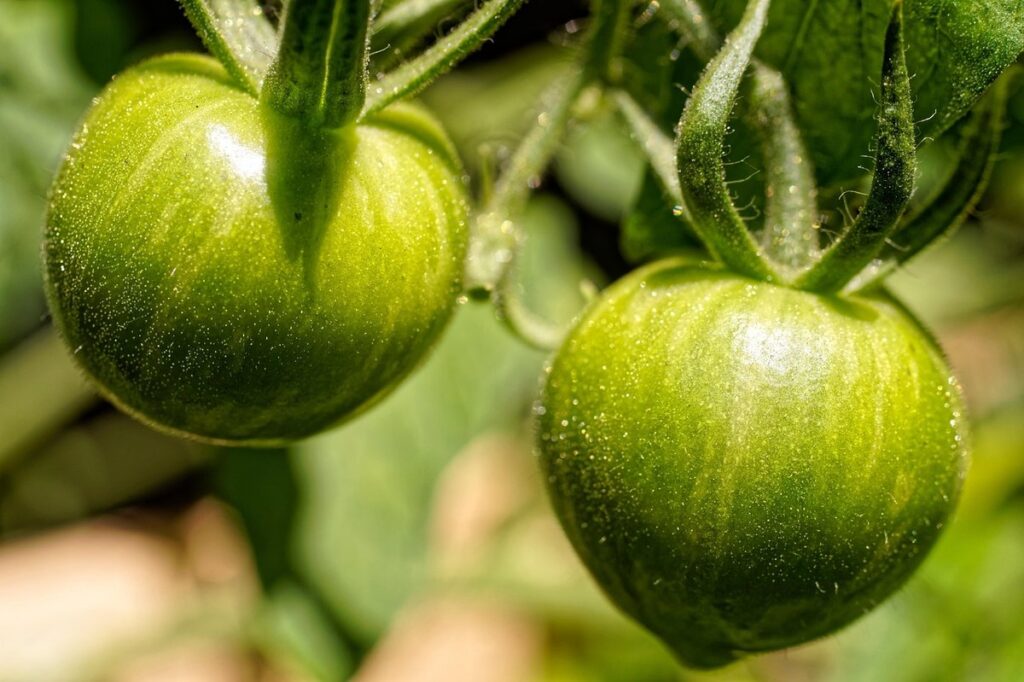
Green shoulders on tomatoes refer to the unripe green growth at the top of the plant, where the fruit meets the stem. This condition can be a normal part of tomato development, especially in determinate varieties, but it’s essential to identify and differentiate it from disease or nutrient deficiencies.
Some popular tomato varieties, such as ‘Better Boy’ and ‘Early Girl’, are more prone to green shoulders due to their dense foliage. In these cases, the growth at the top can become overgrown and may appear unappealing. However, if left alone, it will eventually wither away as the fruit ripens.
To determine whether your tomato plant has healthy or diseased green shoulders, inspect the affected area for any signs of discoloration, lesions, or powdery mildew. Healthy growth should be a vibrant green color and firm to the touch. Diseased areas may appear yellowed, brown, or develop white patches. Proper identification is crucial for effective management, as incorrect treatment can harm your plant further.
Inspecting tomato plants regularly allows you to catch any issues early on and take preventative measures to maintain healthy growth.
Causes and Contributing Factors of Green Shoulders
Green shoulders on tomatoes can be caused by a combination of environmental conditions, nutritional deficiencies, pests, and diseases. One significant contributing factor is excessive exposure to direct sunlight, particularly during peak hours when the sun’s rays are strongest. This can lead to an imbalance in the production of chlorophyll and carotenoids, resulting in green shoulder discoloration.
Nutritional deficiencies, such as a lack of essential micronutrients like calcium or magnesium, can also cause green shoulders. These minerals play a crucial role in maintaining cell wall integrity and photosynthesis. If the soil lacks these nutrients, it may lead to weakened plant growth and increased susceptibility to environmental stressors, ultimately causing green shoulders.
Other contributing factors include fungal diseases like septoria leaf spot, bacterial diseases like bacterial spot, and pest infestations such as aphids or whiteflies. These external factors can weaken the plant’s defenses and disrupt its natural processes, making it more prone to developing green shoulders. By understanding these underlying causes, gardeners can take proactive steps to prevent and manage this condition, ensuring a healthier crop yield.
Impact of Green Shoulders on Tomato Crop Health
When tomatoes develop green shoulders, it can have significant effects on their overall health and quality. In this section, we’ll explore how this condition impacts your crops.
Effects on Fruit Quality and Yield
Green shoulders can significantly impact the quality and yield of tomatoes. The condition can lead to reduced marketability, as consumers may perceive green shoulders as an indication of inferior fruit. From a revenue perspective, this means farmers may incur losses due to lower prices or rejected produce.
When considering the effects on yield, it’s essential to note that green shoulders are often associated with other stressors affecting tomato plants, such as temperature fluctuations, water scarcity, or pests/diseases. These factors can collectively reduce fruit set and overall yields.
Some practical steps farmers can take to mitigate the impact of green shoulders include implementing integrated pest management strategies, ensuring optimal watering schedules, and monitoring temperature fluctuations. By addressing these underlying causes, growers may be able to minimize the occurrence of green shoulders and improve overall crop health.
Management Challenges for Farmers and Gardeners
As a farmer or gardener dealing with tomatoes that have green shoulders, you’re likely to face significant challenges. Identifying the cause of this issue can be particularly tricky, as it’s often linked to multiple factors such as nutrient deficiencies, temperature fluctuations, and soil quality. A single mistake in diagnosis could lead to misapplication of treatments, further exacerbating the problem.
To make matters worse, finding effective solutions for green shoulders is not always straightforward. Different farmers and gardeners have reported varying levels of success with various treatments, including pruning, fertilizing, and using pest control measures. What works for one plot may not work for another, due to differences in climate, soil type, and existing crop health.
A survey conducted by a leading horticultural organization found that nearly 70% of farmers struggling with green shoulders reported wasting significant amounts of time and resources trying ineffective treatments. This can be attributed to the lack of comprehensive research on this specific issue and the need for more tailored solutions. To overcome these challenges, it’s essential to stay up-to-date with the latest research and consult with experts in the field before implementing any new treatments.
How to Identify Green Shoulders
So, you’ve spotted those pesky green shoulders on your tomato plants and are wondering what they mean. Let’s break down how to identify them correctly.
Visual Cues and Signs of Green Shoulders
When inspecting a tomato for green shoulders, there are several visual cues to look out for. One of the most common signs is the presence of small, green protrusions on the shoulder area where the fruit meets the stem. These protrusions can be soft and slightly raised or hard and prominent, depending on the stage of development.
In some cases, you may notice a greenish tint spreading along the edge of the shoulder or a slight discoloration in this area compared to the rest of the tomato. This discoloration can range from a pale lime green to a deep olive green, depending on factors like soil quality and sun exposure.
Keep in mind that not all tomatoes with green shoulders will display these exact visual cues. However, if you notice any unusual growth or discoloration around the shoulder area, it’s best to examine the tomato more closely for signs of this condition.
Measuring and Monitoring Progress
Measuring progress in treating green shoulders is just as crucial as identifying the condition itself. Regular inspections are essential to assess the effectiveness of treatment methods and make necessary adjustments. To monitor environmental conditions, keep an eye on temperature fluctuations, humidity levels, and exposure to direct sunlight. High temperatures can exacerbate green shoulder development, so ensuring a consistent temperature between 65-75°F (18-24°C) is vital.
When inspecting your tomatoes, look for signs of improvement such as reduced discoloration or slower growth rate. Take note of the time it takes for new growth to appear and adjust your treatment accordingly. Consider using a plant growth regulator like ethephon to regulate cell elongation and division, which can help minimize green shoulder development.
Monitoring environmental conditions also involves observing weather patterns, particularly during heatwaves or prolonged dry spells. Adjust irrigation schedules to ensure plants receive adequate moisture without overwatering. By combining regular inspections with careful monitoring of environmental conditions, you’ll be better equipped to manage green shoulders and promote healthy tomato growth.
Understanding the Role of Nutrition in Green Shoulders
When it comes to green shoulders, proper nutrition plays a crucial role in preventing and treating this condition, so let’s dive into how your tomato plants’ diet affects their health.
Nutrient Deficiencies Linked to Green Shoulders
Research has shown that nutrient deficiencies can play a significant role in the development of green shoulders on tomatoes. One of the primary nutrients linked to this condition is potassium. Potassium helps regulate water balance and supports overall plant health, but when levels are too low, it can lead to stress and discoloration, resulting in green shoulders.
Another essential nutrient that may contribute to green shoulders is magnesium. This mineral is crucial for photosynthesis and enzyme function, but a deficiency can cause yellowing or greenish discoloration on tomato leaves and stems. Fertilization practices, soil pH, and irrigation schedules can all impact the availability of these nutrients in the plant.
To minimize the risk of nutrient deficiencies leading to green shoulders, growers can focus on maintaining optimal soil conditions through balanced fertilization and regular pH testing. Additionally, monitoring for signs of nutrient stress and taking corrective action promptly can help prevent this condition from occurring. By addressing potential nutrient gaps early on, gardeners and farmers can reduce their chances of encountering green shoulders on their tomatoes.
Soil Testing and Fertilization Strategies
When it comes to addressing green shoulders in tomatoes, understanding soil testing and fertilization strategies is crucial. A key step in resolving this issue is identifying potential nutrient deficiencies that may be contributing to the problem.
Start by conducting a comprehensive soil test to determine pH levels and nutrient availability. This will help you identify any imbalances that could be causing your tomato plants to produce green shoulders. You can use a DIY kit or send a sample to a laboratory for analysis.
Based on the results, you may need to adjust your fertilization strategy. Here are some general guidelines to keep in mind:
* If your soil is too acidic (pH below 6), add lime to raise the pH and make nutrients more available.
* If it’s too alkaline (pH above 7), add sulfur or elemental iron to lower the pH.
* For nutrient deficiencies, apply balanced fertilizers like 10-10-10 NPK, or use targeted amendments like potassium for blossom-end rot prevention.
Remember that over-fertilization can exacerbate green shoulders. Start with small doses and monitor your plants’ response before making adjustments. Regular soil testing will help you fine-tune your approach and ensure optimal nutrient levels.
Best Practices for Preventing Green Shoulders
To avoid green shoulders on your tomatoes, it’s essential to understand the factors that contribute to this condition and take proactive steps to prevent them from occurring in the first place. Let’s dive into some tried-and-true best practices.
Cultural Practices for Minimizing Risk
When it comes to reducing the risk of green shoulders on tomatoes, cultural practices play a significant role. One crucial aspect is pruning techniques. Pruning not only helps with fruiting and plant structure but also promotes air circulation around the fruit. This reduces the likelihood of fungal diseases that can contribute to green shoulders.
Proper irrigation management is another essential practice to adopt. Avoid overwatering, which can lead to excessive moisture retention on the fruit, creating an ideal environment for disease development. Instead, water your plants deeply once or twice a week, depending on weather conditions.
Effective pest control measures should also be implemented. Regularly inspect your plants for signs of pests like hornworms, aphids, and whiteflies. These pests can weaken the plant and create openings for diseases to enter, potentially leading to green shoulders.
By incorporating these practices into your growing routine, you’ll be better equipped to prevent green shoulders on your tomatoes. Remember to monitor your plants closely and make adjustments as needed to maintain optimal conditions for growth.
Integrated Pest Management (IPM) Strategies
When implementing Integrated Pest Management (IPM) strategies to prevent green shoulders on tomatoes, it’s essential to adopt a holistic approach that combines physical, cultural, biological, and chemical controls. This multi-faceted approach will not only minimize the occurrence of green shoulders but also promote overall plant health.
For instance, adopting crop rotation practices can help break disease cycles associated with green shoulders. By rotating tomato crops with non-host plants, such as broccoli or cauliflower, you can reduce soil-borne pathogens that contribute to this condition. Additionally, maintaining optimal soil moisture levels is crucial, as water stress can exacerbate green shoulder symptoms.
Biological controls offer another effective solution. Encourage beneficial insects, like ladybugs and lacewings, which prey on pests known to contribute to green shoulders. Apply natural predators or parasites directly to the plant or use insecticidal soap to control infestations without harming beneficial bugs. Chemical controls should be used judiciously as a last resort, focusing on targeted fungicides that address specific pathogens causing green shoulders.
By incorporating these IPM strategies into your gardening routine, you’ll be better equipped to prevent and manage green shoulders on your tomato crop.
Common Misconceptions About Green Shoulders
One of the most common questions we get about green shoulders is whether they’re a sign of spoilage, and it’s time to set the record straight on what’s often misunderstood. Let’s debunk some myths!
Debunking Myths and Misinformation
One of the most prevalent misconceptions about green shoulders is that they are caused by overwatering. While it’s true that excessive moisture can lead to various tomato diseases, research suggests that green shoulders are more closely tied to calcium deficiency and nutrient imbalances within the plant.
For instance, a study conducted at the University of California, Davis found that tomatoes grown in soil with adequate calcium levels were less likely to develop green shoulders. This is because calcium plays a crucial role in cell wall development and can help prevent the characteristic green discoloration associated with this condition.
Another common myth is that green shoulders are irreversible and require complete fruit removal. However, growers have successfully treated affected tomatoes by applying a mixture of calcium nitrate and magnesium sulfate directly to the plant’s roots or soil. This approach not only prevents further damage but also promotes overall plant health.
It’s also worth noting that using chemical pesticides and fungicides can sometimes exacerbate green shoulders rather than treat them effectively. A study published in the Journal of Agricultural Science found that the use of certain synthetic fertilizers increased the likelihood of green shoulder development by disrupting the delicate balance of nutrient uptake within the plant.
To accurately diagnose and address green shoulders, growers should focus on providing their plants with a balanced diet of essential nutrients and maintaining optimal soil pH levels. Regular monitoring and timely interventions can also help minimize damage and ensure healthy fruit production.
Conclusion: Managing Tomato Green Shoulders Effectively
Now that you’ve identified and understood tomato green shoulders, let’s dive into the most important part of our journey together: effectively managing this condition. This section will walk you through a proven plan to prevent and mitigate green shoulders on your tomatoes.
Recap of Key Points
As we conclude our exploration of tomato green shoulders, let’s recap the key points discussed. We’ve defined this condition as a natural occurrence where the stem end of the tomato develops green, unripe tissue, which can be caused by various factors such as temperature fluctuations, water stress, and nutrient deficiencies.
We’ve also touched on the impact of green shoulders on the nutritional value and appearance of tomatoes. Despite its unappealing appearance, the affected area is still edible and nutritious. However, we must address the common misconception that green shoulders are a sign of spoilage or rot.
To prevent green shoulders, it’s essential to maintain optimal growing conditions, including temperature control, adequate watering, and balanced fertilization. Regular pruning and monitoring can also help identify potential issues early on.
By understanding and identifying this unique condition, we can better appreciate the complexities of tomato growth and develop effective strategies for managing green shoulders effectively in our gardens and farms.
Future Research Directions
As we conclude our exploration into the phenomenon of tomato green shoulders, it’s clear that there is still much to be discovered about this condition. Further research is needed to fully understand its causes and management strategies. One area of investigation could be the impact of environmental factors on green shoulder development. Studies have shown that fluctuations in temperature and humidity can affect fruit ripening and quality, but the specific link between these factors and green shoulders remains unclear.
Another potential avenue for research is the examination of tomato cultivars and their susceptibility to green shoulders. Some varieties may be more prone to this condition due to their genetic makeup or growing requirements. By identifying which types of tomatoes are most resistant to green shoulders, farmers can make informed decisions about which crops to plant in future seasons.
Investigating the effects of agricultural practices on green shoulder development is also crucial for developing effective management strategies. This could involve studying the impact of irrigation methods, fertilization schedules, and pruning techniques on tomato fruit quality. By shedding more light on these factors, researchers can provide farmers with actionable advice for reducing the incidence of green shoulders in their crops.
Frequently Asked Questions
What can I do if my tomato plants have green shoulders but I’m not sure what’s causing it?
Start by inspecting the plant’s nutrient profile, as nutritional deficiencies are a common cause of green shoulders. Conduct a soil test to identify any imbalances and adjust your fertilization strategy accordingly. Also, check for pests or diseases that may be stressing the plant.
How do I know if my tomato plants have a normal amount of green shoulders versus an excessive amount?
Normal green shoulders are usually confined to the top leaves, whereas excessive green shoulders can appear on multiple stems and leaves. Monitor your plant’s growth rate and adjust your pruning techniques to promote healthy development. Keep in mind that determinate varieties tend to have more pronounced green shoulders due to their dense foliage.
Can I use pesticides or chemical treatments to control pests that might be causing my tomato plants’ green shoulders?
Chemical treatments can provide temporary relief but often come with environmental risks and may not address the underlying issue. Instead, adopt integrated pest management (IPM) strategies that combine cultural practices, biological controls, and targeted pesticide applications when necessary.
What are some best practices for preventing green shoulders in future seasons?
Implement soil testing and fertilization strategies to ensure optimal nutrient levels. Practice good irrigation techniques, avoiding overwatering, which can exacerbate nutritional deficiencies. Monitor your plants regularly and address any issues promptly to prevent stress-related damage.
Can I use companion planting to help manage green shoulders in my tomato crop?
Certain plants, such as basil and mint, have been shown to repel pests that may contribute to green shoulders. However, their effectiveness depends on various factors like plant variety, climate, and soil conditions. Consider incorporating these plants into your rotation for potential benefits, but also be aware of any potential drawbacks or interactions with other crops.