
Starting your own tomato garden can be an incredibly rewarding experience, but it all begins with getting those seeds to sprout. Tomato germination is a crucial step in growing healthy and productive plants, yet many gardeners struggle to get it right. Whether you’re a seasoned green thumb or just starting out, understanding the basics of seed selection, soil preparation, and optimal growing conditions can make all the difference.
In this comprehensive guide, we’ll take you through the essential steps to achieve successful tomato germination. From choosing the right variety for your climate to preparing the perfect seed-starting mix, we’ll cover it all. By the end of this article, you’ll be equipped with the knowledge and confidence to grow thriving tomato seedlings that will thrive in your garden. With our expert tips and advice, you can enjoy a bountiful harvest of juicy, flavorful tomatoes all season long.
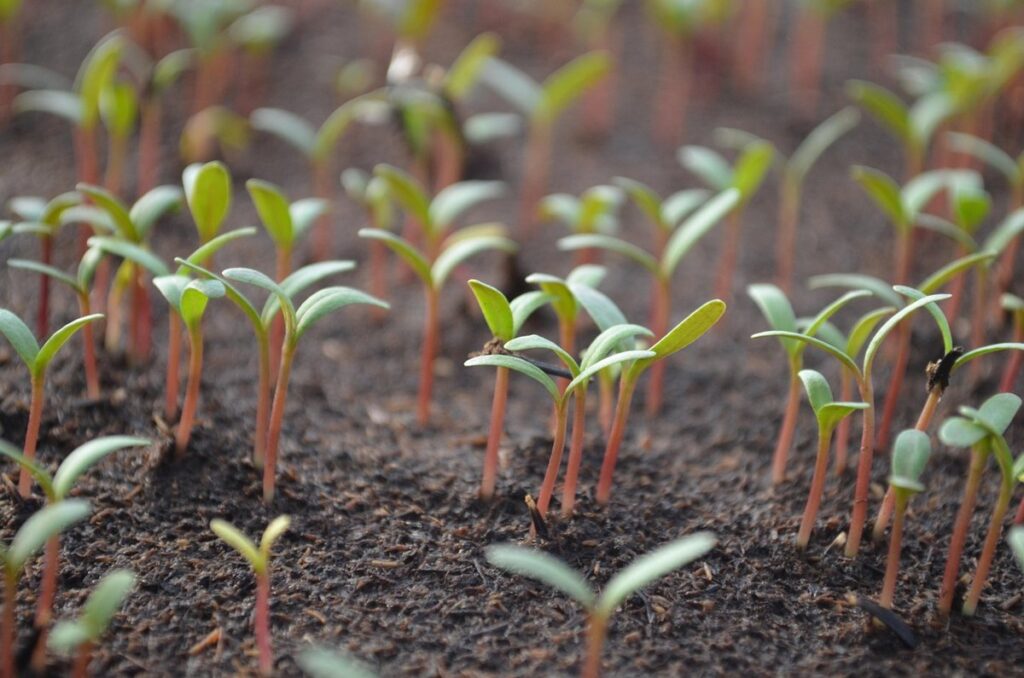
Understanding Tomato Seeds and Germination Basics
When it comes to growing healthy tomato seedlings, understanding the basics of tomato seeds and germination is crucial. Let’s dive into the essential facts you need to know about these tiny seeds.
What You Need to Know About Tomato Seeds
When it comes to growing healthy tomato seedlings, the quality of the seeds you start with is crucial. Tomato seeds are a vital part of the germination process, and understanding their origin, types, and characteristics will help you make informed decisions when choosing the right seeds for your garden.
Tomato seeds are typically obtained from commercial seed suppliers or saved from previous harvests. While saving seeds can be a cost-effective option, it’s essential to note that home-saved seeds may not retain their potency over time due to factors like reduced vigor and variable genetic expression. Commercial seeds, on the other hand, have undergone rigorous testing and quality control measures to ensure optimal performance.
When selecting high-quality tomato seeds, look for those from reputable suppliers that offer detailed information about seed origin, variety characteristics, and germination rates. Check for any certifications or labels indicating organic or heirloom status, which can be beneficial for specific growing conditions or desired traits.
Factors Influencing Tomatoes’ Ability to Germinate
When it comes to getting your tomato seeds off to a healthy start, understanding the factors that influence germination is crucial. Temperature plays a significant role, with most tomato varieties requiring a warm environment between 70°F and 80°F (21°C and 27°C) to initiate germination. If the temperature is too low, germination may be delayed or even inhibited.
Light exposure is also essential for tomato seed germination. While seeds can germinate in the dark, providing some indirect light can promote healthy growth. Aim for a location with filtered sunlight or use grow lights to provide a gentle, consistent glow. Humidity is another critical factor – maintain a relatively high humidity level (around 70-80%) during the first few days after sowing to prevent the seeds from drying out.
The quality of your tomato seeds can also impact germination rates. Choose fresh, high-quality seeds that are specifically bred for the climate and growing conditions in your area. If you’re unsure about seed viability or have leftover seeds from previous years, it’s best to discard them and start with new ones. By understanding these key factors and creating an optimal environment, you’ll be well on your way to successfully germinating tomato seeds.
Preparing the Soil for Tomato Seedlings
Before transplanting your tomato seedlings, it’s crucial to prepare a nutrient-rich soil that will provide them with a healthy foundation to grow. Let’s get started on how to prep the perfect soil for your seedlings!
Creating a Suitable Substrate for Seeds
Creating a suitable substrate for tomato seeds is crucial for their germination and subsequent growth. Tomato seeds prefer a slightly acidic to neutral soil pH, ranging from 6.0 to 7.0. A pH outside this range can hinder seedling development or even prevent germination altogether.
When selecting a growing medium, ensure it has the right nutrient content. Tomato seeds don’t require excessive nutrients at this stage, but they need some essential micronutrients for optimal growth. Look for a mix with balanced N-P-K (nitrogen-phosphorus-potassium) ratios and added calcium, magnesium, and sulfur.
Moisture requirements are also vital. Tomatoes prefer moist soil but can be susceptible to overwatering, which leads to fungal diseases. Water the substrate gently but thoroughly before sowing seeds. Keep the surface consistently moist during the germination period (around 7-10 days), then gradually reduce watering as seedlings grow.
When repotting or transplanting tomato seedlings, handle them carefully to avoid damaging their fragile roots. Harden off seedlings by gradually exposing them to outdoor conditions over a week before transferring them into larger containers or directly into the garden.
How to Sterilize and Sow Tomato Seeds Correctly
When it comes to growing healthy tomato seedlings, proper seed sterilization and sowing are crucial steps that often get overlooked. To ensure optimal germination rates, make sure to follow these simple techniques.
Firstly, sterilize your seeds by gently wiping them with a damp cloth or dipping them in a 10% bleach solution for 5-7 minutes. This step helps eliminate any potential fungal diseases or debris that might hinder seed growth. Allow the seeds to air dry completely before sowing.
When sowing tomato seeds, maintain proper spacing of about 1/8 inch apart. This close proximity allows for even moisture distribution and promotes healthy competition among seedlings. Next, sow the seeds at a depth of about ¼ inch, depending on the specific variety’s requirements. Make sure to orient the seeds so that their pointed ends face downwards, towards the soil.
Light exposure is also critical during this stage. Avoid direct sunlight, which can cause overheating and reduce germination rates. Instead, provide indirect light or use grow lights with a timer set for 12-14 hours of illumination per day. By following these simple steps, you’ll be well on your way to growing robust and healthy tomato seedlings that thrive in their optimal environment.
Factors That Affect Seed Germination Rates
Understanding what influences germination rates is crucial for successful tomato seed starting. In this next part, we’ll examine the key factors that can make or break your young seedlings’ chances of thriving.
How Temperature Influences Tomatoes’ Germination Speed
When it comes to tomato seed germination, temperature plays a crucial role in determining how quickly and successfully seeds sprout. Warmer temperatures can significantly speed up the germination process, while colder temperatures can slow it down or even prevent growth altogether.
Research has shown that optimal temperatures for tomato seed germination range from 70°F (21°C) to 85°F (29°C). Within this range, warmer temperatures tend to promote faster germination. For example, a study found that tomato seeds germinated in just 3-4 days at an optimal temperature of 80°F (27°C), compared to 5-6 days at a cooler 65°F (18°C).
On the other hand, temperatures below 55°F (13°C) can significantly slow down or even inhibit germination. This is because tomato seeds require a certain amount of energy to break dormancy and sprout. If it’s too cold, this energy isn’t available, resulting in poor or no germination.
To ensure optimal germination rates, aim for temperatures between 70°F (21°C) and 85°F (29°C). If you’re starting seeds indoors, use a thermometer to monitor the temperature, and consider using a heating mat or warm location to maintain an ideal temperature.
Effects of Light and Humidity on Seedling Development
When it comes to seedling development, light and humidity play crucial roles in determining their health and vigor. Insufficient or excessive light can hinder growth, while fluctuations in humidity levels can lead to disease and stress. To promote healthy seedlings, you need to create an optimal environment that balances these two factors.
For most tomato varieties, direct sunlight for 6-8 hours a day is ideal, but some cherry tomatoes require more shade. When choosing the right location, consider the variety’s specific needs and your local climate. In areas with intense sunlight, it’s essential to provide shade using row covers or other materials during peak hours.
Maintaining optimal humidity levels is equally crucial. For tomato seeds, a humid microclimate of 80-90% is ideal for germination. You can achieve this by covering the seed tray with a clear plastic bag or cloche, which also helps retain heat and maintain a stable environment. Avoid placing the tray in areas prone to drafts or extreme temperature fluctuations.
Common Issues with Tomato Germination and How to Overcome Them
Don’t let germination issues get you down – we’ll explore common problems that can arise when trying to grow tomato seedlings from scratch, including prevention tips.
Troubleshooting Seedling Diseases and Pests
As you nurture your tomato seedlings, it’s not uncommon for diseases and pests to creep in, threatening their health. Identifying these issues early on is crucial to preventing further damage and ensuring a strong start for your plants.
One common disease that can affect tomato seedlings is damping off, which causes the seedling to rot at soil level. This is often caused by overwatering or poor air circulation. To prevent it, ensure that your growing medium isn’t too wet and provide adequate ventilation around the seedlings. Another issue is root bound, where the roots become tangled and restricted. This can be solved by transplanting the seedling into a larger pot with fresh growing medium.
Some common pests to watch out for include aphids, whiteflies, and spider mites. These tiny insects can suck sap from the plant, weakening it over time. Regularly inspect your seedlings for signs of infestation and use neem oil or insecticidal soap to control outbreaks.
Strategies for Overcoming Low Germination Rates
When faced with low germination rates, it’s essential to take proactive steps to improve seedling growth. One strategy is to use seed enhancers that stimulate germination and increase the chances of successful sprouting. These additives work by breaking down the seed coat, allowing water to penetrate and initiate growth.
Another approach is to optimize soil conditions, ensuring they provide the right balance of moisture, nutrients, and pH levels for germinating seeds. This can be achieved by using a well-draining potting mix specifically designed for seed starting, maintaining consistent moisture, and monitoring soil pH.
The growing environment also plays a crucial role in successful germination. Providing optimal temperatures between 70-85°F (21-29°C) during the day and slightly cooler at night encourages seeds to sprout. Avoid placing seed trays near drafts or extreme temperature fluctuations that can inhibit growth.
By incorporating these strategies, you can significantly improve germination rates and give your tomato seedlings a healthy start. Remember, even small adjustments can make a significant difference in achieving high-quality germination.
Monitoring and Maintaining Optimal Conditions for Seedlings
Now that your tomato seedlings have germinated, it’s essential to maintain optimal conditions to ensure they continue growing strong and healthy. Proper monitoring of temperature, humidity, and light will help them thrive.
Regular Care Routine for Young Tomato Plants
As your young tomato plants begin to sprout and grow, it’s essential to establish a regular care routine to promote healthy development. Start by watering them once a week, providing about 1-2 cups of water per seedling. However, this frequency may vary depending on the temperature and humidity levels in your growing environment.
Monitor your plants’ temperature requirements closely, as most tomato varieties prefer daytime temperatures between 65-70°F (18-21°C) and nighttime temperatures around 55-60°F (13-16°C). To maintain optimal humidity levels, use a humidifier or cover the pots with clear plastic bags to prevent moisture loss.
Pruning is also crucial at this stage. Remove any weak or spindly growth to encourage bushy development and prevent disease. Trim off lower leaves that are below the first true leaf to promote stem elongation and improve air circulation. By following these simple care tasks, you’ll be well on your way to raising robust young tomato plants that will thrive under optimal conditions.
Keep in mind that consistency is key when it comes to watering schedules. Stick to a regular routine, and adjust as needed based on environmental factors.
Tips on Gradually Acclimating Seedlings to Outdoor Conditions
Gradually acclimating seedlings to outdoor conditions is crucial for their survival and success. When seedlings are first moved outside, they can be vulnerable to extreme temperatures, intense sunlight, and sudden weather changes. To avoid shocking the plants, it’s essential to introduce them to outdoor conditions gradually.
Begin by moving seedlings to a shaded area outdoors for a few hours a day, increasing the duration over time. This allows the seedlings to adjust to new light exposure without becoming scorched. You can also use a trellis or screen to filter direct sunlight and provide some protection.
Another crucial step is to harden off the seedlings by exposing them to outdoor conditions over the course of 7-10 days. Start by moving them outside during mild weather, then gradually increase their exposure to wind, rain, and extreme temperatures. Water the seedlings thoroughly before and after each acclimation period to ensure they receive adequate moisture.
Monitor your seedlings closely for signs of stress or shock, such as yellowing leaves or wilted stems. If you notice any adverse reactions, slow down the acclimation process or move the seedlings back indoors until they recover.
Frequently Asked Questions
How Do I Know if My Tomato Seeds Are Still Viable After a Year or More?
Tomato seeds can remain viable for several years, but their germination rates may decrease over time. Check the seed package for any indication of age, and consider doing a simple germination test to determine the seed’s viability.
To perform a germination test, fill a small container with moist paper towels, plant 2-3 seeds about 1/4 inch deep, and keep it in a warm location (around 70°F). Check for germination after 7-10 days. If most seeds fail to germinate, it’s likely they’re no longer viable.
What If I Notice My Seeds Are Rotting or Developing Mold After Sowing?
Mold and rot can be caused by overwatering or using contaminated soil. To prevent this issue, ensure the seed-starting mix is sterile, and avoid overwatering. Check the seeds regularly for signs of mold or rot, and remove any affected seeds immediately.
If you notice mold or rot on a small scale, you can try gently cleaning the area with a soft brush and some water. However, if the problem persists, it’s best to start fresh with new seeds and sterile soil.
Can I Use Regular Potting Soil for Seed Starting Instead of a Specialized Mix?
While regular potting soil may work in some cases, using a specialized seed-starting mix is generally recommended for optimal germination rates. These mixes are designed to retain moisture while preventing overwatering, which can be challenging for beginners.
If you don’t have access to a seed-starting mix, you can create your own by mixing 1 part peat moss or coconut coir with 1 part perlite or vermiculite. This blend will help maintain the right balance of moisture and aeration.
How Do I Store My Tomato Seeds for Long-Term Preservation?
To store tomato seeds long-term, keep them in an airtight container at room temperature (around 60-70°F). Avoid storing them in direct sunlight or near heat sources. You can also consider refrigerating the seeds to slow down germination.
When labeling your seed containers, make sure to include the date of storage and any relevant notes about the seed’s age or provenance. This will help you keep track of your seed stock over time.
What Are Some Common Mistakes Beginners Make When Starting Tomato Seeds?
Common mistakes when starting tomato seeds include overwatering, inadequate light, and using low-quality soil or seeds. To avoid these issues, make sure to follow the guidelines for watering and lighting in the main article.
Additionally, invest in a good quality seed-starting mix and select healthy seeds from reputable sources. By being mindful of these potential pitfalls, you can set yourself up for success when growing your tomato plants.