
When it comes to growing tomatoes, you’re probably no stranger to the concept of maximizing your harvest and improving soil health. But have you ever stopped to think about who’s really helping (or hindering) those juicy red orbs along the way? That’s where companion planting comes in – a simple yet powerful technique that can boost your tomato yields and create a thriving garden ecosystem.
In this article, we’ll dive into the world of tomato companion plants, exploring both popular pairings and common misconceptions. We’ll examine how different plants interact with tomatoes, from beneficial buddies like basil and marigold to potential pests like dill and fennel. By the end of our journey, you’ll be equipped with the knowledge to design a harmonious garden that’s bursting with flavor and productivity – just what you need for a successful tomato harvest!
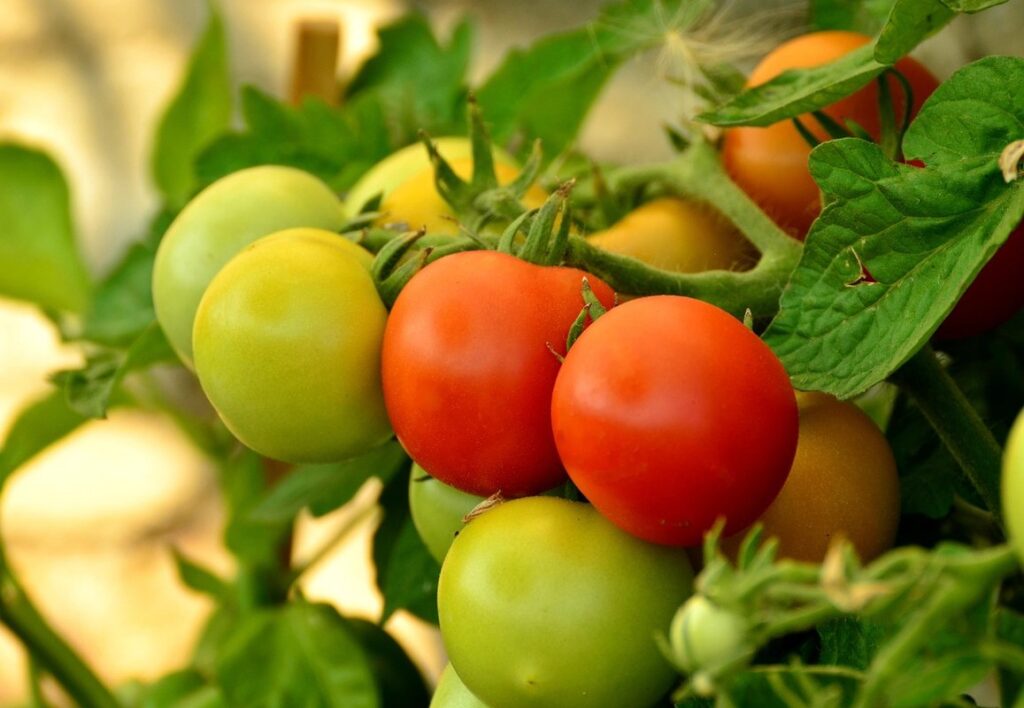
Introduction to Tomato Companion Planting
Tomato companion planting is a simple yet powerful way to boost your harvest, and it’s easier than you think! Let’s explore how companion plants can help your tomatoes thrive.
What is Companion Planting?
Companion planting is an ancient technique that has been used by gardeners for centuries to improve plant growth, health, and flavor. At its core, companion planting involves growing different plants together to create a harmonious and beneficial relationship between them. By choosing the right companions, you can enhance your tomato crop’s resistance to pests and diseases, promote healthy growth, and even boost its flavor.
When done correctly, companion planting can have a significant impact on your garden’s productivity. For example, planting marigolds with tomatoes can deter nematodes, a common pest that can cause damage to roots. Basil, on the other hand, not only adds flavor but also repels pests like whiteflies and aphids. By selecting compatible plants, you can create a balanced ecosystem in your garden that benefits from the synergies between different species.
To get started with companion planting, begin by identifying the specific needs of your tomatoes. Do they require shade or sun? Are they prone to certain pests or diseases? Once you understand your tomato’s requirements, start researching compatible plants that can provide the necessary support and protection. With a little planning and experimentation, you’ll be on your way to growing healthier, more resilient, and delicious tomatoes with the help of companion planting.
Benefits of Companion Planting for Tomatoes
When you incorporate companion planting into your tomato garden, you can expect a range of benefits that will take your crop to the next level. For one, companion plants can significantly improve pest resistance by attracting beneficial insects and repelling pests that target tomatoes.
For instance, basil is known for its natural ability to repel whiteflies and aphids, two common pests that can cause significant damage to tomato plants. By planting basil alongside your tomatoes, you’ll create a more balanced ecosystem that minimizes the risk of infestation. In addition to pest control, companion plants can also enhance nutrient uptake by attracting beneficial microorganisms.
For example, marigold flowers contain compounds that stimulate the growth of beneficial bacteria in the soil, which can lead to increased nitrogen fixation and improved overall soil health. By incorporating these nutrient-boosting plants into your tomato garden, you’ll be able to achieve higher yields and healthier, more robust plants.
Choosing the Right Companion Plants
When it comes to selecting the perfect companion plants for your tomatoes, considering their growth habits and space requirements is crucial. This will help you create a harmonious garden ecosystem.
Popular Companion Plants for Tomatoes
When it comes to choosing companion plants for tomatoes, there are many popular options that not only enhance their flavor but also provide numerous benefits. One of the most well-known and widely used is basil. This fragrant herb not only adds a burst of fresh flavor to tomato dishes but also repels pests like whiteflies and aphids that can harm your plants.
Another great option is mint, which has natural antifungal properties that help prevent diseases like powdery mildew from affecting your tomatoes. Chives are also an excellent choice, as they attract beneficial insects like bees and butterflies while repelling aphids and other pests.
In addition to these popular choices, you may also want to consider planting marigolds, which repel nematodes that can harm your tomato plants’ roots. Nasturtiums are another great option, as their bright flowers attract beneficial insects and repel squash bugs and whiteflies.
When pairing companion plants with tomatoes, remember to plant them around the perimeter of your tomato bed or interspersed among your tomato plants. This will not only promote healthy growth but also create a balanced ecosystem that benefits both your tomatoes and your chosen companion plants.
Companion Plants to Avoid with Tomatoes
When choosing companion plants for your tomatoes, it’s essential to know which ones to avoid. Some plants may seem like a good match at first glance but can actually harm or compete with your tomato plants. Here are some common companions to steer clear of:
Fennel is one such plant that should be avoided alongside tomatoes. Its strong scent can inhibit the growth of nearby plants, including tomatoes. Planting fennel near tomatoes can also lead to a decrease in their flavor and aroma.
Onion and garlic plants should also be kept at a distance from your tomatoes. Their strong scents can attract pests that target tomatoes, such as aphids and whiteflies. This can lead to increased pest management costs and decreased yields.
In addition to these plants, avoid planting potatoes near your tomatoes. Potato plants are members of the Solanaceae family, which includes tomatoes, peppers, and eggplants. Planting two solanaceous crops together can increase the risk of disease transmission and reduce crop yields.
By being aware of these potential competitors, you can create a harmonious and healthy tomato garden.
The Science Behind Tomato Companion Planting
You might be wondering how tomato companion planting actually works, and what kind of science is behind the idea that certain plants can enhance each other’s growth. In this section, we’ll explore the fascinating mechanisms at play.
How Plants Interact with Each Other
Plants don’t just sit quietly by themselves; they have complex relationships with each other that can either harm or help their growth. When it comes to tomato companion planting, understanding these interactions is crucial for a thriving garden. Plants release chemical signals into the air and soil to communicate with neighboring plants, affecting everything from growth rates to pest resistance.
One fascinating example of this interaction is the concept of allelopathy. Allelopathic plants release chemicals that can suppress or even kill nearby weeds, reducing competition for resources like water and nutrients. Basil, which repels pests like whiteflies and aphids, falls into this category. By incorporating basil near tomatoes, you can reap its pest-repelling benefits while enjoying fresh herbs in your kitchen.
However, not all interactions are beneficial. Some plants may actually compete with tomatoes for resources or attract pests that target your prized plants. For instance, members of the Brassica family (broccoli, cauliflower) release chemicals that inhibit tomato growth. Be aware of these potential adversaries when designing your companion planting layout to maximize benefits and minimize drawbacks.
Nutrient Uptake and Cycling
Companion plants play a vital role in nutrient uptake and cycling for tomatoes. By incorporating specific plants into their garden, growers can improve soil fertility, reduce the need for synthetic fertilizers, and promote overall plant health.
Nitrogen-fixing legumes like beans, peas, and clover are excellent examples of companion plants that contribute to nutrient cycling. These plants have a symbiotic relationship with Rhizobia bacteria, which live in their roots and convert atmospheric nitrogen into a form usable by the plant. By incorporating these legumes into your tomato garden, you can naturally boost nitrogen levels and reduce the need for synthetic fertilizers.
Other companion plants like comfrey and borage are also effective at improving nutrient availability. Comfrey’s deep taproots allow it to access nutrients that may be out of reach for tomatoes, while borage is a rich source of phosphorus, potassium, and other micronutrients. By incorporating these plants into your garden, you can create a more balanced ecosystem that supports optimal tomato growth and yields.
When selecting companion plants for nutrient uptake and cycling, consider the specific needs of your tomatoes and choose plants that complement their nutritional requirements.
Examples of Tomato Companion Planting Success Stories
Let me share some inspiring stories from fellow gardeners who’ve successfully paired their tomatoes with beneficial companion plants to boost yields and prevent pests. You’ll love these real-life examples of what works!
Case Studies from Experienced Gardeners
Let’s take a look at some real-life examples of successful tomato companion planting. Sarah from California shared her experience with planting basil and tomatoes together. She noticed that the basil repelled pests that target tomatoes, such as aphids and whiteflies, which resulted in reduced pesticide use and healthier plants.
Another example comes from John in Oregon, who planted marigold and tomato together. Marigolds’ strong scent not only deterred nematodes but also improved soil health by attracting beneficial insects. He observed a significant increase in tomato yields due to the balanced ecosystem created by companion planting.
To replicate these successes, consider starting small with two or three combinations. Observe how each plant affects the others and adjust as needed. Keep in mind that some companion plants may require more space than others, so plan accordingly. By mimicking nature and creating a harmonious garden environment, you can reap the benefits of companion planting.
Some successful pairing to consider are: basil with tomatoes for pest control and flavor enhancement; marigold with tomatoes for nematode control and soil health improvement; nasturtiums with tomatoes for aphid repulsion and weed suppression.
Lessons Learned from Failure
When implementing tomato companion planting, it’s essential to learn from others’ mistakes to avoid common pitfalls. Many growers have learned valuable lessons from their failures, and we can benefit from their experiences.
One mistake to avoid is overcrowding the garden with too many plants. This can lead to competition for resources like water, nutrients, and sunlight, ultimately weakening both crops. For instance, a gardener might plant basil next to tomatoes without considering the mature size of the basil, which can shade out smaller tomato varieties.
Another common error is using companion planting as a replacement for proper garden maintenance. Companion plants can help deter pests or attract beneficial insects, but they won’t compensate for poor soil quality, inadequate watering, or insufficient pruning. Regularly inspect your plants and address any issues promptly to prevent damage and ensure successful growth.
Don’t underestimate the importance of proper plant selection either. Some companion plants can be invasive or spread aggressively, taking over other areas of the garden. Choose varieties that are well-suited for your climate and growing conditions to avoid these issues.
Tips for Implementing Tomato Companion Planting in Your Garden
Now that you know which plants are best friends with your tomatoes, let’s dive into some practical tips on how to successfully implement companion planting in your garden. This section shares expert advice for a thriving harvest!
Preparing Your Soil and Climate
Before you start planting tomato companion plants, it’s essential to prepare your soil and climate for success. This means creating a conducive environment that will allow these beneficial plants to thrive alongside your tomatoes.
Start by testing the pH level of your soil, as different tomato companion plants have varying acidity requirements. For instance, marigolds prefer slightly acidic soil (pH 6.0-7.0), while basil prefers neutral to alkaline soil (pH 7.0-8.0). Adjust your soil accordingly by adding lime or sulfur as needed.
Next, ensure your climate is suitable for the companion plants you choose. Some plants, like nasturtiums and chives, prefer cooler temperatures, while others, such as dill and fennel, thrive in warmer conditions. Check the average temperature range for each plant to determine whether it’s compatible with your local climate.
Finally, consider factors like sunlight, moisture levels, and air circulation when selecting a location for your companion plants. A well-ventilated area with moderate watering will help prevent disease and promote healthy growth. By creating a suitable environment, you’ll set the stage for successful tomato companion planting in your garden.
Planning Your Companion Plant Layout
When designing your companion plant layout, it’s essential to strike a balance between maximizing benefits and minimizing competition. A well-planned layout can make all the difference in creating a thriving tomato garden.
Consider grouping plants by their growth habits: tall plants like sunflowers or corn can provide shade for smaller companions, while sprawling vegetables like cucumbers can be trained to climb up trellises placed near tomatoes. This strategic placement allows taller plants to offer support without overshadowing their neighbors.
Some companion plants, like marigolds and basil, repel pests that target tomatoes but may compete with them for water and nutrients if planted too closely together. To avoid this, intersperse them throughout the garden rather than grouping them densely near your tomato plants.
To create a harmonious layout, start by identifying the mature size of each plant and leave enough space between them to accommodate growth without overcrowding. A general rule of thumb is to provide at least 12-18 inches of clearance around each plant’s drip line, allowing for air circulation and easy access for maintenance.
Common Misconceptions about Tomato Companion Planting
You might be surprised by some of the myths surrounding tomato companion planting, and it’s time to set the record straight on what really works (and what doesn’t)!
Separating Fact from Fiction
Tomato companion planting has gained significant attention in recent years, with many gardeners believing that certain plants can either enhance or hinder their tomato crop’s growth. However, not all of these claims are backed by scientific evidence.
One common myth is that basil repels pests from tomatoes, but this notion has been largely debunked. Research suggests that basil may actually attract beneficial pollinators and improve the flavor of nearby vegetables, but its impact on pest control is negligible.
Another misconception is that marigold repels nematodes, which can harm tomato roots. While it’s true that some studies have shown a potential reduction in nematode populations when marigold is planted nearby, more comprehensive trials have failed to confirm this effect.
When selecting companion plants for your tomatoes, focus on those with proven benefits, such as using nitrogen-fixing legumes like beans or peas to enhance soil fertility. By separating fact from fiction and relying on empirical evidence, you can make informed decisions about which plants to pair with your tomato crop.
Addressing Concerns about Space and Resource Allocation
One of the most common concerns about implementing companion planting is that it will take up too much space or require too many resources. However, with a little planning and creativity, you can easily incorporate these beneficial relationships into even the smallest of gardens.
In fact, many tomato companion plants are actually space-savers themselves! For example, basil repels pests and adds flavor to your tomatoes, but it’s also a compact, trailing plant that can thrive in containers or even on top of a trellis. Similarly, marigolds repel nematodes and attract beneficial insects, yet they’re easy to grow and require minimal space.
To make the most of your garden’s resources, try using vertical gardening techniques like trellises or arbors to maximize your companion plants’ growth potential. You can also use containers to plant multiple species in a single spot, making the most of your available space. By thinking outside the box (or garden bed), you’ll be amazed at how easily you can incorporate these beneficial relationships into even the tightest of spaces.
Frequently Asked Questions
How do I choose the right companion plants for my specific climate?
When selecting companion plants, consider your local climate and weather patterns. For example, if you live in an area with high humidity, choose plants that thrive in moist conditions like basil or mint. If you’re in a dry region, opt for drought-tolerant companions like oregano or thyme.
Can I use all these companion plant combinations at the same time?
While some combination planting is beneficial, overcrowding can lead to reduced yields and increased competition for resources. Start with 2-3 complementary plants and gradually add more as your garden matures. Be mindful of plant spacing, sunlight requirements, and growth habits to maintain a balanced ecosystem.
How do I know if my companion plants are having the desired effect?
Monitor your tomato plants’ growth rate, yield, and overall health. Note any changes in pest or disease pressure and adjust your companion planting strategy accordingly. Keep records of your observations to refine your approach over time.
What about using companion plants for indoor tomatoes? Can I adapt these techniques to containers?
Yes! Companion plants can thrive in containers just like outdoor gardens. Choose compact varieties, ensure proper drainage, and consider the mature size of both the tomato and companion plants when selecting containers. This will allow you to create a harmonious micro-ecosystem even in small spaces.
Can I still use companion planting if I have limited space or poor soil quality?
While companion planting is often associated with large gardens, it’s not exclusive to spacious plots. Even in compact spaces, strategic placement of companion plants can improve air circulation, suppress pests, and enhance nutrient cycling. For challenging soils, focus on adding organic matter and beneficial microorganisms through composting or mulching.