
Growing tomatoes can be a thrilling experience, but did you know that not all varieties require the same level of care? Determinate and indeterminate tomato plants have distinct needs when it comes to support systems, pruning, and climate-specific advice. While determinate tomatoes are compact and bushy, requiring minimal staking or trellising, indeterminate varieties grow much taller and need more substantial support. In this article, we’ll dive into the world of tomato care, covering soil preparation, optimal growing conditions, and practical tips for coaxing your plants to their full potential. From choosing the right climate-specific variety to mastering the art of pruning and trellising, our comprehensive guide will help you master both determinate and indeterminate tomatoes with confidence.
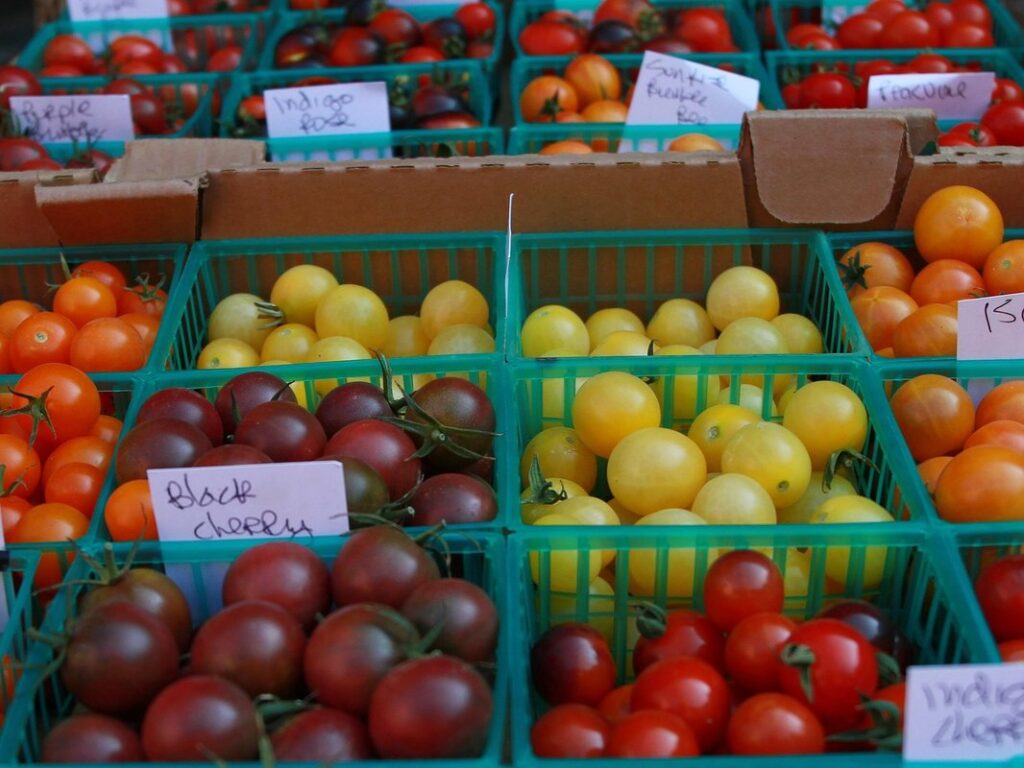
Understanding the Basics of Tomatoes
To grow and care for tomatoes successfully, it’s essential to understand the basic differences between determinate and indeterminate varieties. Let’s dive into what makes them unique.
What are Determinate and Indeterminate Tomatoes?
When it comes to growing tomatoes, understanding the difference between determinate and indeterminate varieties is crucial for success. These two types of tomatoes exhibit distinct growth habits and characteristics that affect their care and management.
Determinate tomatoes are compact, bush-type plants that grow to a certain height and then stop. They produce fruit all at once, resulting in a single large harvest. Determinate varieties are ideal for containers, small gardens, or for providing an early crop of tomatoes. For example, the ‘Patio’ tomato is a popular determinate variety, known for its compact growth habit and high yields.
Indeterminate tomatoes, on the other hand, are vining plants that grow continuously throughout the season. They require support as they produce fruit throughout the summer months. Indeterminate varieties tend to be more productive than determinate ones but also need more maintenance. A popular indeterminate variety is ‘Brandywine’, which requires staking or caging to control its growth.
Understanding whether you have a determinate or indeterminate tomato variety will help you tailor your care routine, including pruning, training, and harvesting techniques.
Characteristics of Determinate Tomatoes
Determinate tomatoes have distinct characteristics that set them apart from their indeterminate counterparts. One of the most notable traits is their bushy growth pattern. Unlike indeterminate varieties, which can grow quite tall and require staking or support, determinate tomatoes tend to be more compact and shrub-like in nature.
This bushy growth habit allows determinate tomatoes to produce fruit earlier in the season, often within 60-90 days of planting. In contrast, indeterminate tomatoes may take longer to mature, sometimes requiring up to 120 days or more. This difference in growth rate is largely due to the shorter vines and stem length of determinate varieties.
When choosing a determinate tomato variety, consider the space constraints of your garden. Since they are generally smaller and more compact, determinate tomatoes can be grown closer together without sacrificing air circulation and sunlight exposure.
Characteristics of Indeterminate Tomatoes
Indeterminate tomatoes are known for their vigorous and sprawling growth habit. They grow continuously throughout the season, producing new leaves, stems, and fruit until frost sets in. This characteristic is a result of their indeterminate growth pattern, which means they do not have a predetermined size or shape.
One of the most notable features of indeterminate tomatoes is their longer maturity periods compared to determinate varieties. They typically take 70-90 days to mature from sowing seeds to harvest, whereas determinate tomatoes are ready in as little as 50-60 days. This extended growth period allows indeterminate tomatoes to produce more fruit, making them ideal for larger gardens and commercial production.
Indeterminate tomatoes also exhibit continuous fruit production throughout the season. As one part of the plant ripens and is picked, other parts will continue to grow and produce new fruit. This characteristic makes them a popular choice among gardeners who want a steady supply of fresh tomatoes throughout the summer months.
Growing Determinate Tomatoes: Tips and Tricks
For those growing determinate tomatoes, knowing a few key tips can make all the difference in maximizing your harvest. Let’s dive into some expert advice on how to grow these compact varieties successfully.
Soil Preparation for Determinate Tomatoes
When it comes to growing determinate tomatoes, proper soil care is crucial for optimal growth and fruit production. Determinate tomato plants are bred for bush-type growth habits, so they don’t require as much support or care as their indeterminate counterparts.
First and foremost, determine the ideal pH level for your soil. Most vegetables, including tomatoes, prefer a slightly acidic to neutral soil pH between 6.0 and 7.0. A soil test will help you identify any pH imbalances and provide guidance on how to adjust it accordingly.
In terms of nutrient requirements, determinate tomato plants are heavy feeders that need a balanced fertilizer diet. Aim for a mix that contains equal amounts of nitrogen (N), phosphorus (P), and potassium (K) to promote healthy growth and fruit production. For example, a 10-10-10 N-P-K ratio is an excellent starting point.
Lastly, drainage is also essential to prevent waterlogged soil, which can lead to root rot and other diseases. Make sure your planting bed has good drainage by mixing in compost or perlite to improve soil structure.
Supporting Determinate Tomato Plants
When it comes to supporting determinate tomato plants, you have several options to choose from. One of the most popular methods is using stakes. These can be inserted into the soil near the base of the plant and gently tied to the stem with twine or clips. Stakes provide excellent support for determinate tomatoes, keeping them upright and promoting even fruiting.
However, stakes can be limited in their ability to handle larger plants or those that are more vigorous. In these cases, a trellis may be a better option. Trellises come in various shapes and sizes, from simple T-shaped designs to more elaborate arbors. They provide excellent air circulation around the plant, reducing the risk of disease.
Another popular method is using cages. Tomato cages are usually made of wire mesh or plastic and surround the plant, providing support and structure as it grows. Cages are particularly useful for determinate tomatoes with a wide spread, as they allow for easy access to all sides of the plant without having to navigate through tangled vines.
Growing Indeterminate Tomatoes: Unique Challenges and Solutions
Growing indeterminate tomatoes requires a bit more TLC, as their unique growth habits and sprawling nature can bring some special challenges to your garden. Let’s explore how to tackle these issues.
Trellising and Pruning Indeterminate Tomatoes
When it comes to growing indeterminate tomatoes, proper trellising and pruning are essential for maximizing yields and preventing disease. To train these vigorous plants to a trellis, start by installing a sturdy support system that can accommodate the plant’s growth habit. For a single indeterminate variety, a 6-foot trellis or cage is ideal.
As the plant grows, gently tie its stems to the trellis using twine or clips. This will encourage vertical growth and promote even fruiting. Regular pruning is also crucial for promoting healthy growth and preventing disease. Remove lower leaves that touch the ground to prevent soil-borne diseases from spreading to the plant. Additionally, trim back any weak or spindly growth to direct energy towards producing fruit.
Pruning techniques can significantly impact indeterminate tomato yields. By removing suckers (shoots that grow between the main stem and a branch), you’ll promote more even fruiting and reduce disease susceptibility. Prune your plants regularly throughout the growing season, aiming for about 2-3 pounds of fruit per plant.
Managing Indeterminate Tomato Vines
Indeterminate tomato vines can be quite the challenge to manage. They are known for their extensive growth and sprawling habit, which can lead to several issues if not properly managed.
Firstly, it’s essential to control the spread of disease through the vine. Since indeterminate varieties have a continuous supply of new growth, any infection in one part of the plant can quickly spread to other areas. To mitigate this risk, ensure good air circulation around your plants by pruning nearby foliage and supporting them with trellises or cages.
Nutrient deficiencies are another common issue associated with indeterminate vines. Since these varieties produce a high volume of fruit, they require more nutrients than determinate types. Regularly monitor soil pH levels and adjust fertilizer applications accordingly. Also, keep an eye out for signs of nutrient deficiencies like yellowing leaves or reduced fruit production.
By implementing these strategies, you can effectively manage the extensive growth of indeterminate tomatoes while ensuring their optimal health.
Comparison of Determinate and Indeterminate Tomatoes in Your Garden
When it comes to growing tomatoes, understanding the difference between determinate and indeterminate varieties can make a huge impact on your harvest. In this section, we’ll break down their key characteristics.
Space and Resource Allocation
When planning your tomato garden, space and resource allocation are crucial factors to consider. The growth habits of determinate and indeterminate varieties differ significantly, which can impact your overall garden layout and management.
Determinate tomatoes are compact and bushy, growing to a fixed height and producing fruit all at once. This characteristic makes them ideal for small spaces or containers, as they require less support and pruning. In contrast, indeterminate tomatoes are vining plants that need staking or caging to keep them upright and encourage horizontal growth.
To optimize space usage, consider grouping determinate varieties together in a compact block, which can be trained against a trellis or wall for maximum yield. Indeterminate plants, on the other hand, benefit from being placed at the garden’s periphery, where they can spread out and receive ample sunlight.
In terms of resource allocation, determinate tomatoes tend to produce more fruit per plant than indeterminates, but require less water and fertilizer overall. To make the most of your resources, consider rotating your tomato varieties seasonally to ensure that each bed receives a balanced diet and adequate space to grow.
Yield and Fruit Quality Expectations
When it comes to choosing between determinate and indeterminate tomatoes for your garden, one of the key factors to consider is yield potential. Determinate tomatoes are bred for bush-type growth habits and typically produce a single main stem with fruiting branches that grow upward. This results in a higher yields per plant, often ranging from 10-20 pounds or more.
Indeterminate tomatoes, on the other hand, have a vining habit and require support as they continue to grow throughout the season. While they may not produce as many fruits per plant, their yield is often spread over a longer period, resulting in a more consistent harvest throughout the summer months. When it comes to fruit quality, determinate tomatoes tend to be smaller and more compact, while indeterminate varieties can produce larger fruits with better flavor and texture.
In terms of disease resistance, both types of tomatoes have varying levels of protection against common diseases such as tomato blight and fusarium wilt. While some determinate varieties are bred for specific disease resistances, others may require additional support or management practices to minimize the risk of infection. Ultimately, your choice between determinate and indeterminate tomatoes will depend on your personal preferences, garden space, and desired level of maintenance.
Challenges Faced When Growing Both Determinate and Indeterminate Tomatoes
When growing both determinate and indeterminate tomatoes, you’ll likely encounter unique challenges that can impact their health and yield. In this section, we’ll explore these common obstacles to help you succeed.
Integrated Pest Management Strategies
When growing both determinate and indeterminate tomato varieties, it’s essential to implement Integrated Pest Management (IPM) strategies. IPM is a holistic approach that considers the entire ecosystem when managing pests, rather than relying on a single method like chemical pesticides.
To effectively manage pests, you’ll need to identify the types of pests commonly found in your area and their preferred habitats. For example, hornworms are attracted to indeterminate varieties’ larger foliage, while aphids tend to target both determinate and indeterminate plants with high nitrogen levels. By understanding these pest habits, you can tailor your IPM strategy.
Some key techniques for managing common tomato pests include:
* Hand-picking: Regularly inspecting plants for signs of infestation and manually removing any pests or eggs.
* Crop rotation: Changing the location of your tomato crop each season to break the life cycle of pests that have adapted to a specific area.
* Companion planting: Growing certain herbs and flowers alongside your tomatoes, which can repel pests or attract beneficial insects.
By implementing these IPM techniques, you’ll be better equipped to manage pest issues and ensure a healthy harvest from both determinate and indeterminate tomato varieties.
Disease Prevention Measures
When growing both determinate and indeterminate tomatoes, it’s crucial to implement effective disease prevention measures to ensure healthy yields. A key strategy is crop rotation, which involves alternating the type of tomato grown on a particular plot each season. This breaks the life cycle of fungal pathogens that can linger in the soil, reducing the risk of diseases like powdery mildew and septoria leaf spot.
Soil sterilization is another vital measure to prevent disease outbreaks. Fumigants or solarization techniques can be used to kill off weed seeds, nematodes, and other pests that may harbor pathogens. Regular monitoring of plants for signs of stress, discoloration, or pest infestations is essential for early detection and treatment.
Keep in mind that indeterminate tomatoes tend to be more susceptible to disease due to their longer growing period and increased foliage density. Implementing these measures can help mitigate this risk and promote healthy growth throughout the season. Regularly inspect your plants, addressing any issues promptly, will help prevent diseases from spreading and ensure a bountiful harvest.
Tips for Choosing the Right Tomato Variety for Your Climate
Choosing the right tomato variety for your climate is crucial, so let’s explore how to select a cultivar that will thrive in your specific growing conditions. This section will help you make an informed decision.
Climate Considerations
When choosing between determinate and indeterminate tomato varieties, it’s essential to consider your climate. Different climates pose unique challenges for tomato growth, and selecting the right variety can make all the difference.
In hot and dry climates, determinate tomatoes are often a better choice. They mature quickly, typically within 60 days, which means they’re less susceptible to heat stress and water scarcity. Their compact growth habit also helps conserve moisture in areas with limited rainfall. For instance, in Arizona’s desert climate, growers often opt for determinate varieties like ‘Patio’ or ‘Tiny Tim’ to ensure bountiful harvests.
On the other hand, indeterminate tomatoes thrive in temperate climates with ample sunlight and consistent moisture levels. These varieties continue to grow throughout the season, producing fruit until frost. If you live in a cooler climate with mild winters, like California’s Central Valley, indeterminate tomatoes like ‘Brandywine’ or ‘Cherry Roma’ are excellent choices.
Consider your region’s temperature fluctuations and sun exposure when selecting between determinate and indeterminate varieties. Research local tomato varieties that have been bred specifically for your area’s unique conditions to ensure optimal growth and flavor.
Breeding and Hybrid Varieties
When it comes to choosing tomato varieties for your climate, you may have come across terms like ‘hybrid’ and ‘breeding’. These processes play a crucial role in producing more resilient and climate-tolerant tomatoes. Breeders use a combination of traditional breeding techniques and modern genetic engineering tools to develop new varieties that are better suited to specific growing conditions.
For instance, seed companies might cross-breed two parent lines with desirable traits, such as disease resistance or drought tolerance. This process can lead to the creation of hybrid varieties that outperform their non-hybrid counterparts in terms of yield, taste, and overall hardiness. Some popular examples of climate-tolerant hybrids include ‘Better Boy’ and ‘Early Girl’. These tomatoes are bred specifically for warmer climates, with improved resistance to heat stress and sunscald.
When selecting tomato varieties, keep an eye out for these breeding programs and hybridizations. They can significantly influence your selection choices and help you choose the right variety for your specific climate.
Frequently Asked Questions
Can I Grow Both Determinate and Indeterminate Tomatoes in the Same Garden?
Yes, it’s entirely possible to grow both determinate and indeterminate tomatoes together. However, consider their space requirements, pruning needs, and climate-specific advice for optimal results.
In a smaller garden or container, focus on one or two varieties of each type to avoid overwhelming your resources. Make sure to provide sufficient support systems, like trellises or stakes, tailored to the needs of each plant. Proper spacing (about 18-36 inches apart) will also help prevent overcrowding and disease transmission.
How Often Should I Prune Indeterminate Tomatoes for Optimal Fruit Production?
Pruning indeterminate tomatoes is crucial for promoting healthy growth and maximizing fruit production. Prune your plants regularly, ideally once a week during peak growing seasons (spring-fall).
Remove lower leaves to avoid fungal diseases, weak growth, and pest infestations. Remove suckers that develop between the main stem and branches, as they divert nutrients from fruiting areas. Top-growth can be limited by pruning back indeterminate varieties by about one-third of their height to encourage bushy growth.
What are Some Common Challenges When Growing Indeterminate Tomatoes in My Backyard?
Common challenges when growing indeterminate tomatoes include:
* Overcrowding, leading to disease spread and reduced air circulation
* Insufficient support systems or inadequate staking, causing plant collapse
* Pests like hornworms, whiteflies, or aphids that target the vigorous growth of indeterminates
To mitigate these risks, ensure proper spacing (about 18-36 inches apart), use sturdy trellises or stakes for support, and implement integrated pest management strategies. Regular monitoring and prompt action can help prevent problems from escalating.
Can I Grow Indeterminate Tomatoes in Containers?
Yes, it’s possible to grow indeterminate tomatoes in containers. However, ensure your container is at least 12-18 inches deep and has sufficient drainage holes to accommodate the plant’s taproot development.
Container-grown indeterminates require more frequent watering (about once every other day) and may benefit from added support systems like tomato cages or trellises within the pot for better air circulation and stability. Keep in mind that container sizes can limit root growth, potentially affecting fruit production.
How Can I Determine if My Tomatoes are Determinate or Indeterminate?
Identifying whether your tomatoes are determinate or indeterminate is often based on their growth habits and characteristics. Determinates have a more compact, bushy growth pattern with limited branching and tend to grow less tall (about 2-3 feet).
Indeterminates exhibit vigorous growth, producing long vines that require staking or support systems for stability. They will continue growing throughout the season until frost sets in and produce fruit continuously over an extended period.
Can I Use Determinate Tomatoes as Support Systems for Indeterminate Ones?
While determinate tomatoes can be used as a living trellis or cage for indeterminate varieties, it’s essential to consider their different growth habits and space requirements. This approach can work well in small gardens where limited space is available but keep in mind the potential for:
* Reduced air circulation around both plants
* Potential disease transmission between determinate and indeterminate tomatoes
* Competition for resources like water and nutrients