
Tomato blight symptoms can strike fear into the heart of any gardener, threatening to decimate an entire crop in a matter of days. If you’re one of the many gardeners who’ve battled this pesky disease, you know how frustrating it can be to try and identify the early signs of infection before it’s too late. In this article, we’ll delve into the world of tomato blight symptoms, covering everything from the first whispers of trouble to full-blown defoliation. We’ll discuss prevention methods, treatment options, and provide valuable insights on how to protect your garden from this devastating disease. By the end of this post, you’ll be equipped with the knowledge needed to identify and manage tomato blight symptoms, ensuring a healthy and thriving crop all season long.
What is Tomato Blight?
Tomato blight is a fungal disease that affects tomato plants, causing significant damage to leaves, stems, and fruit. Understanding its causes will help you identify it early on.
Definition and Types of Tomato Blight
Tomato blight is a fungal disease that affects tomato plants, causing significant damage to leaves and stems. At its core, blight is a type of plant pathogen that thrives in moist environments, breaking down plant tissues and disrupting normal growth processes.
There are several types of blight that can affect tomatoes, each with distinct characteristics and symptoms. Early blight (Alternaria solani) typically appears as small, circular lesions on lower leaves, gradually spreading to upper leaves as the season progresses. Late blight (Phytophthora infestans), on the other hand, is a more aggressive disease that can rapidly spread through a field, causing extensive damage.
Bacterial spot (Xanthomonas campestris) is another type of blight that affects tomatoes, manifesting as small, circular spots on leaves and stems. It’s often mistaken for early blight due to its similar appearance, but it has distinct symptoms and requires separate management strategies.
Understanding the different types of tomato blight is crucial in developing effective management plans. By recognizing the unique characteristics of each type, gardeners can take targeted steps to prevent or control the spread of these diseases.
Understanding the Risks Associated with Tomato Blight
Tomato blight poses significant risks to farmers and gardeners alike. One of the most critical concerns is the impact on crop yields. Infected plants often experience reduced growth rates, resulting in lower fruit production. For example, a study conducted in the United Kingdom found that tomato blight infections can lead to yield losses ranging from 20% to over 50%. This reduction in yield directly affects the farmer’s income, making it essential to identify and manage the disease promptly.
Another consequence of tomato blight is the lower quality of fruits produced on affected plants. Infected tomatoes often develop spots or lesions, which can render them unsuitable for sale or consumption. According to data from the US Department of Agriculture, tomato blight infections can reduce fruit quality by up to 30%. This not only affects farmers financially but also impacts consumers who rely on fresh produce.
Economic losses are another significant risk associated with tomato blight. A study published in the Journal of Agricultural Economics estimated that widespread tomato blight outbreaks can result in economic losses exceeding $1 million per year for small-scale farmers. To mitigate these risks, it’s crucial to implement effective management strategies, including crop rotation, sanitation, and integrated pest management practices.
Common Symptoms of Tomato Blight
If you suspect your tomatoes have contracted blight, it’s essential to identify the common symptoms that can vary from yellowing leaves to sudden defoliation. This section will break down these characteristic signs into detail.
Early Stage Symptoms: Lesions and Yellowing
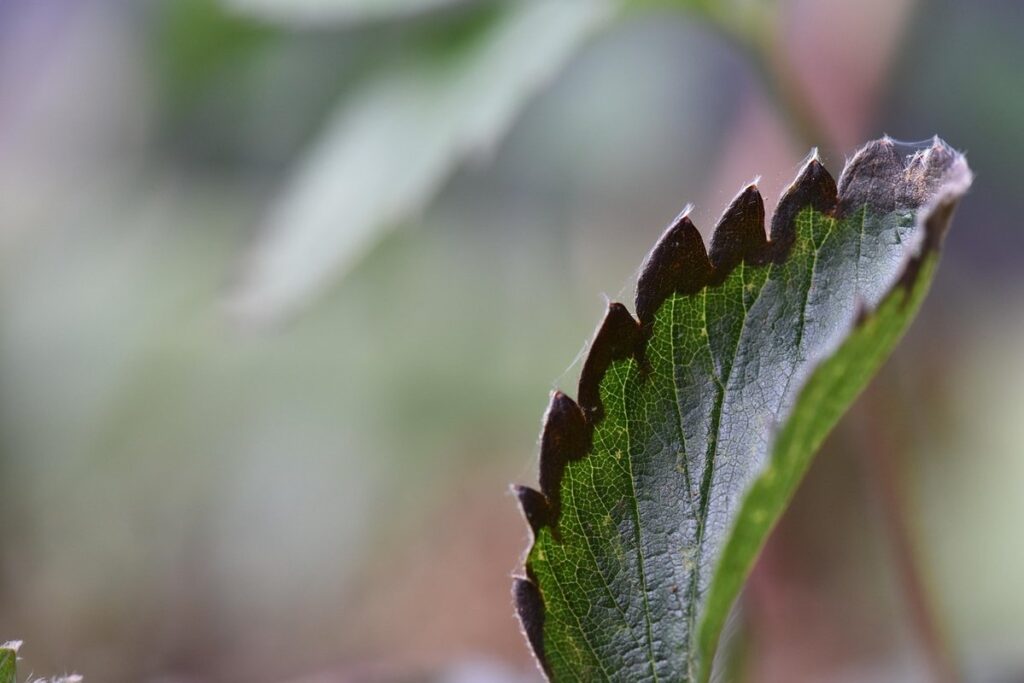
At the early stages of tomato blight infection, you may observe lesions on the leaves and stems. These lesions appear as small, circular patches that are often grayish-brown to black in color. They can be slightly raised or sunken into the leaf surface and may have a watery or milky discharge.
Yellowing or discoloration of the plant is another common symptom of tomato blight. Infected leaves may turn yellow or pale green, while older leaves may develop brown or black spots. This discoloration usually begins at the edges of the leaves and can spread rapidly to other parts of the plant if left untreated.
It’s essential to monitor your plants closely for these symptoms, as early detection is crucial for effective management. If you notice any signs of lesions or yellowing, isolate the affected plants immediately to prevent the spread of the disease to healthy plants. Regularly inspecting your plants and removing any infected leaves can also help slow down the progression of the disease.
Advanced Stage Symptoms: Defoliation and Fruiting
At this advanced stage of tomato blight infection, the symptoms become more pronounced and severe. Defoliation is a common occurrence as the fungal pathogens such as Phytophthora infestans (the cause of potato and tomato blight) or Alternaria solani (the cause of early blight) continue to spread.
As leaves turn yellow and drop off, fruit set and development are significantly impacted, leading to reduced yields. Infected plants may produce fewer flowers, and the few that do appear may not set fruit properly due to the pathogen’s interference with hormone regulation in the plant. The disease can also cause sunscald on green fruits as they become exposed to direct sunlight without adequate leaf cover.
In addition to defoliation and reduced fruiting, infected plants often exhibit stunted growth, weakened stems, and a general decline in overall health. To manage tomato blight at this stage, it’s essential to implement Integrated Pest Management (IPM) strategies, including removing and disposing of infected plant material, improving air circulation around the plants, and adjusting watering schedules to minimize moisture accumulation on leaves.
Identifying Tomato Blight in Your Garden
Recognizing the early signs of tomato blight is crucial for effective management, so let’s explore the key symptoms to watch out for.
Visual Inspection for Signs of Infection
When inspecting your tomato plants for signs of blight, it’s essential to be thorough and vigilant. Start by looking for lesions on the leaves, stems, and fruit. These can appear as small, circular spots or larger patches with a characteristic greyish or brownish color. Lesions may also be accompanied by a soft, mushy texture.
Next, check for yellowing or discoloration of the foliage. This is often an early warning sign that your plants are under stress due to infection. Leaves may turn yellow and then drop off as the disease progresses. Be sure to inspect the undersides of leaves as well, where blight lesions can form more easily.
To take a closer look at your plants, gently lift up any affected leaves or stems to examine their bases. This will help you determine if the infection has spread beyond the surface level. For example, if the base of an affected stem is soft and mushy, it’s likely that the blight has reached the vascular tissue.
Keep in mind that early detection is key when it comes to managing tomato blight. Regular inspections will allow you to catch any potential issues before they become severe and spread to other plants.
Monitoring for Additional Symptoms
As you continue to monitor your tomato plants for signs of blight, it’s essential to keep an eye out for additional symptoms beyond the initial leaf spots and yellowing. Regular monitoring can help you catch the issue early on, preventing further damage and potential plant loss.
Pay attention to changes in your plants’ growth rates. If you notice a sudden slowdown or stunted development, it could be a sign that the blight is spreading to other parts of the plant. This can be caused by the fungal pathogen infecting the plant’s vascular system, disrupting nutrient uptake and water transport.
Other warning signs include:
• Leaf drop: If leaves begin to fall off more quickly than usual or in large numbers, it may indicate that the plant is stressed due to blight infection.
• Wilting: Drought-tolerant plants can still wilt if their roots are damaged by fungal pathogens. Monitor your plants for excessive wilting, even with adequate watering.
By keeping a close eye on these subtle changes, you can identify potential issues before they become severe and take prompt action to manage the blight and protect your crop.
Managing Tomato Blight: Prevention and Treatment Options
If you’re concerned about tomato blight, it’s essential to know how to prevent and treat it effectively to save your crop. Let’s explore some proven methods for managing this common issue.
Cultural Controls: Sanitation and Crop Rotation
When it comes to preventing tomato blight, cultural controls play a crucial role. Proper sanitation and crop rotation are two essential practices that can help minimize the risk of infection.
Sanitation is key when dealing with tomato blight. Remove any debris or infected plant material from the affected area, as these can harbor spores and spread the disease further. Disinfect tools and equipment regularly to prevent cross-contamination. For example, a study by the University of California found that disinfecting pruning shears reduced the incidence of fungal diseases like tomato blight by 70%.
Crop rotation is another vital practice in managing tomato blight. Plant tomatoes in a location where the soil has not been used for tomatoes or other members of the Solanaceae family (such as peppers, eggplants, and potatoes) for at least two years. This breaks the disease cycle and reduces the risk of infection. Additionally, rotate with non-host crops like legumes or corn to further reduce the risk.
To implement crop rotation effectively, keep a record of your planting history and plan accordingly. Consider planting tomatoes in raised beds or containers to improve drainage and reduce soil-borne diseases. By incorporating these cultural controls into your gardening routine, you can significantly reduce the risk of tomato blight and ensure a healthier harvest.
Chemical Controls: Fungicides and Bactericides
When it comes to managing tomato blight, chemical controls can be an effective solution for preventing and treating fungal and bacterial infections. Fungicides are a type of chemical control that target fungal pathogens, while bactericides target bacterial pathogens.
Fungicides work by either killing or inhibiting the growth of fungi, allowing the plant to recover from infection. Some common fungicides used to manage tomato blight include chlorothalonil, copper-based products, and azoxystrobin. However, it’s essential to use these chemicals judiciously, as overuse can lead to resistance and harm the environment.
To choose the right fungicide for your tomato plants, consider factors such as the type of fungal pathogen, the severity of the infection, and the plant’s sensitivity to different chemicals. For example, if you’re dealing with a powdery mildew outbreak, a sulfur-based fungicide might be effective. If you’re struggling with septoria leaf spot, a product containing chlorothalonil may be more suitable.
It’s also crucial to use bactericides correctly when treating bacterial infections like bacterial canker or crown rot. These chemicals work by inhibiting the growth of bacteria, but they must be applied carefully to avoid harming beneficial microorganisms in the soil.
Best Practices for Tomato Blight Management
To effectively manage tomato blight, follow these best practices that will help you prevent its spread and promote a healthy harvest. We’ll walk you through essential techniques to try.
Integrated Pest Management (IPM) Strategies
Effective management of tomato blight requires a multi-faceted approach that incorporates various control methods. This is where Integrated Pest Management (IPM) strategies come into play. IPM combines cultural, chemical, and biological controls to mitigate the impact of tomato blight on your crop.
Cultural controls involve modifying your growing practices to prevent disease development. For example, ensuring good air circulation around plants can help reduce humidity levels that contribute to blight formation. Avoiding overhead watering, which can splash spores onto leaves, is another effective cultural control method. Crop rotation and sanitation also play crucial roles in preventing the spread of tomato blight.
Chemical controls involve using fungicides to kill or prevent fungal growth. However, these should be used judiciously, as excessive application can lead to environmental contamination and promote resistant pathogen development. Biological controls, on the other hand, utilize living organisms, such as beneficial fungi or bacteria, to control pests and diseases naturally.
To implement an effective IPM strategy for tomato blight management:
* Conduct regular field observations to monitor for symptoms
* Use fungicides at recommended rates and intervals
* Implement crop rotation plans with non-host crops
* Practice good sanitation and hygiene in the greenhouse or garden
* Introduce beneficial organisms, such as Trichoderma harzianum, to control fungal growth
Record Keeping and Monitoring for Future Seasons
Effective record keeping is essential for developing a long-term Integrated Pest Management (IPM) strategy to combat tomato blight. By monitoring your garden’s performance and recording key data points, you’ll be able to identify patterns and make informed decisions for future seasons.
Start by keeping a gardening journal where you note down the date of planting, weather conditions, soil temperature, and any observed symptoms of disease. This information will help you identify potential triggers for blight outbreaks in your garden. Take note of the specific varieties of tomatoes you’re growing, as some are more resistant to certain strains of blight than others.
In addition to recording data, regularly inspect your plants for signs of blight, and keep a record of any treatments you apply. This will enable you to track the effectiveness of different management strategies and make adjustments accordingly. Consider using online tools or apps to streamline your record-keeping process and ensure that you have access to your data at all times.
Frequently Asked Questions
Can I still harvest tomatoes from plants affected by tomato blight?
Yes, it’s possible to harvest some tomatoes from plants with mild blight infections, but the fruit may not be of optimal quality. However, if the disease has spread extensively, it’s best to remove the infected plant to prevent further contamination and protect nearby healthy plants.
How do I know when to start fungicide treatment for tomato blight?
Start fungicide treatment as soon as you notice any signs of infection, ideally during the early stages of blight. Look for lesions, yellowing, or blackening on leaves and stems, and treat with a fungicide specifically labeled for tomato blight control.
Can I use home remedies to manage tomato blight?
While some home remedies like copper-based sprays can help prevent fungal diseases, they are not a foolproof solution against tomato blight. For severe infestations, it’s best to rely on chemical controls or integrated pest management strategies to minimize damage and ensure crop survival.
How long does it take for tomato blight to spread through an entire garden?
The speed at which tomato blight spreads can vary depending on factors like weather conditions, soil moisture, and the overall health of your plants. In ideal conditions (warm temperatures, high humidity), blight can spread rapidly within 2-5 days, but with proper monitoring and management, you can slow down its progression.
Are there any long-term effects of tomato blight on garden soil?
Yes, repeated infections of tomato blight can leave behind residues that may affect the soil’s microbial balance, reducing its fertility and making it more susceptible to future disease outbreaks. Regular crop rotation, sanitation practices, and incorporating beneficial microorganisms into your soil can help mitigate these risks.