
Tomato growers know that one of the biggest threats to their crop is fungal diseases, particularly tomato blight. This pesky disease can cause significant damage to your plants, reducing yields and ruining your harvest. But did you know that identifying the symptoms early on can make all the difference in preventing the spread? That’s where our comprehensive guide comes in – we’ll walk you through the telltale signs of tomato blight, from yellowing leaves to black spots on the fruit, so you can catch it before it’s too late. We’ll also explore various treatment options, including resistant varieties, biological controls, and chemical fungicides, to help you manage this common fungal disease and keep your tomatoes thriving.
What is Tomato Blight?
To start, it’s essential to understand what tomato blight is and how it affects your plants, so let’s dive into its causes and characteristics.
Definition and Causes of Tomato Blight
Tomato blight is a devastating fungal disease that affects tomato plants worldwide. It’s essential to understand what causes tomato blight and its effects on the crop. Tomato blight is caused by several types of fungi, including Phytophthora infestans, Septoria lycopersici, and Cladosporium fulvum.
These pathogens thrive in warm and humid conditions, often during periods of heavy rainfall or irrigation. They infect tomato plants through open wounds on the leaves or stems, causing lesions that can spread quickly throughout the plant. The different types of blight that can affect tomatoes include early blight, late blight, and septoria leaf spot.
Early blight is characterized by circular lesions with a yellow ring around them, while late blight causes more severe damage, including defoliation and fruit rot. Septoria leaf spot results in small, dark spots on the leaves that can eventually cover the entire plant. Understanding the different types of tomato blight and their causes will help you take preventative measures to protect your crops.
To minimize the risk of infection, ensure good air circulation around your plants, avoid overhead watering, and remove any infected foliage promptly.
Common Symptoms of Tomato Blight
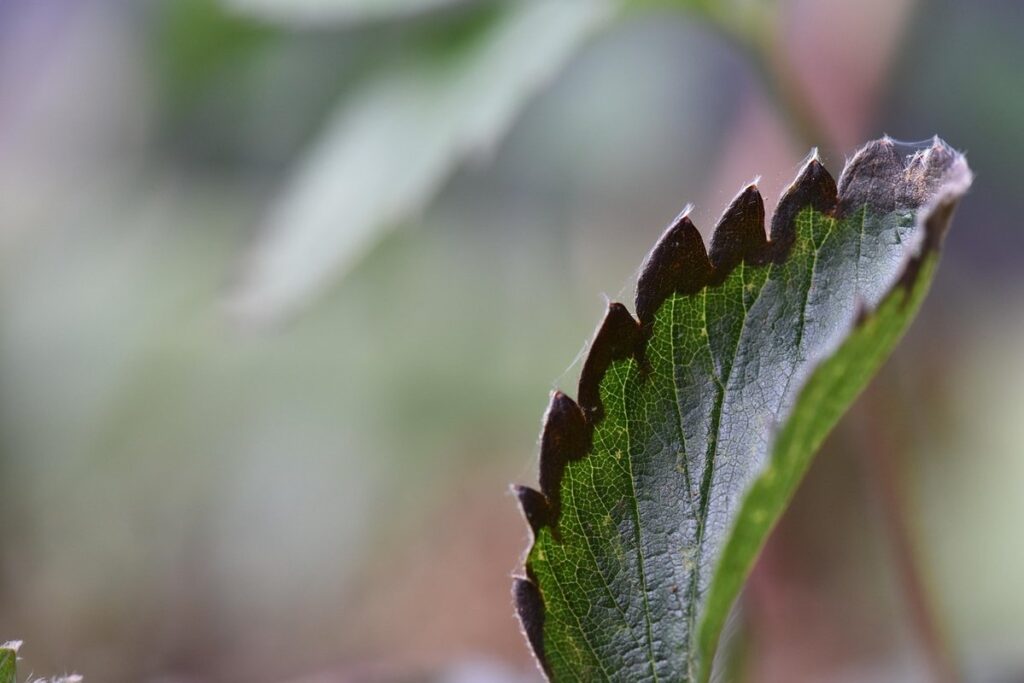
Tomato blight can be a devastating disease for gardeners, causing significant damage to crops and requiring swift action to prevent further spread. One of the key indicators of tomato blight is the presence of black or brown spots on leaves and stems. These lesions can appear as small, circular patches or larger areas of discolored tissue. As the disease progresses, wilting and yellowing of leaves become more pronounced, often accompanied by a soft, mushy texture.
Early detection is critical for effective management of tomato blight. Gardeners should inspect their plants regularly, looking for signs of discoloration or spotting on leaves and stems. If caught early, it’s possible to contain the spread of the disease through pruning infected areas and implementing good sanitation practices. However, if left unchecked, tomato blight can quickly take hold, spreading throughout the plant and reducing yields significantly.
Some gardeners may also notice a sweet, fermented odor emanating from affected plants – this is a clear indication that the fungus has begun to break down plant tissue. By recognizing these symptoms early on, you can take swift action to protect your crops and prevent further damage.
Recognizing the Different Types of Tomato Blight
Tomato blight can manifest in several forms, each with distinct symptoms and characteristics. Knowing how to identify these different types is crucial for effective management and treatment.
Early Blight: Symptoms and Treatment
Early blight is one of the most common types of tomato blight, affecting not just tomatoes but also other solanaceous crops like peppers and eggplants. It’s caused by a fungal pathogen that infects plants through their leaves, causing lesions and defoliation.
Symptoms of early blight include yellowing or browning of lower leaves, typically starting with the older leaves at the bottom of the plant. The affected areas may have a powdery appearance and often develop black spores on the underside. If left unchecked, early blight can spread to the fruit, causing scarring and reducing yields.
To prevent early blight, focus on crop rotation – avoid planting solanaceous crops in the same spot for at least three years. Proper sanitation is also crucial: remove any infected plant debris from the garden, and disinfect tools with a 10% bleach solution after use. Consider using resistant varieties or breeding your own plants to develop innate immunity against early blight.
To treat early blight, remove all affected leaves as soon as possible to prevent further spread. Apply fungicides specifically labeled for early blight control according to the product’s instructions, usually at intervals of 7-10 days during peak growth periods.
Septoria Leaf Spot: Identification and Management
Septoria leaf spot is one of the most common types of fungal diseases affecting tomato leaves. To identify it, look for dark brown to black spots on the lower leaves, often with a yellowish halo around them. These spots can grow up to 1 inch in diameter and may merge together as the disease progresses.
This disease thrives in cool, moist conditions, which is why it’s commonly seen in spring or fall when temperatures are cooler. Septoria leaf spot can be caused by several factors, including poor air circulation, overwatering, and high humidity.
To manage septoria leaf spot effectively, it’s essential to improve air circulation around your tomato plants. Remove any nearby weeds or debris that may block airflow, and avoid watering your plants at night when the risk of moisture-related diseases is higher. Fungicides can also be used to control the disease, but always follow label instructions carefully.
Remember, prevention is key: maintaining good gardening practices and being vigilant about monitoring your plants will help you catch any issues early on and prevent septoria leaf spot from spreading.
Managing Tomato Blight through Good Gardening Practices
By incorporating good gardening practices, you can significantly reduce the risk of tomato blight and create a healthier growing environment for your plants. Let’s explore these effective techniques to manage blight.
Crop Rotation and Sanitation for Prevention
Crop rotation is a fundamental strategy for preventing tomato blight. By rotating crops regularly, you can break the disease cycle and reduce the risk of infection. For example, if you’ve grown tomatoes in a particular area, avoid planting members of the same family (such as peppers or eggplants) in that spot for at least two years. Instead, choose non-solanaceous plants like lettuce, herbs, or legumes.
When removing infected plants, be sure to disinfect your tools and work area thoroughly to prevent the spread of disease. Remove any debris, including leaves and stems, and dispose of them away from your garden. This will help reduce the risk of fungal spores spreading to other plants.
To maintain a clean growing environment, implement good sanitation practices. Keep your soil loose and well-drained, which can help prevent waterlogged conditions that foster disease growth. Also, avoid overwatering, as this can lead to excess moisture that encourages blight development. Regularly inspect your plants for signs of infection, and take prompt action if you notice any issues.
Organic and Integrated Pest Management (IPM) Techniques
When it comes to managing tomato blight without resorting to harsh chemicals, organic and integrated pest management (IPM) techniques are a great option. These methods not only protect the environment but also promote a healthy balance within your garden ecosystem.
One effective approach is to utilize beneficial microorganisms that can help control fungal diseases like tomato blight. For example, Trichoderma harzianum, a fungus that produces antibiotics, can be used as a biofertilizer and biopesticide. It colonizes the plant’s roots, promoting healthy growth while suppressing pathogens.
Physical barriers are another non-chemical method to prevent the spread of tomato blight. You can use copper tape or fine mesh around the plants to prevent fungal spores from reaching them. Regularly removing weeds and debris also helps reduce the risk of infection by eliminating potential harboring sites for fungi.
Remember, a combination of these methods is often more effective than relying on a single approach. For instance, you could mix Trichoderma harzianum with beneficial nematodes to create a multi-faceted defense system against tomato blight.
Using Resistant Varieties and Breeding Programs to Combat Tomato Blight
If you’re struggling with tomato blight, planting resistant varieties can be a game-changer for your garden. We’ll explore how breeding programs are creating better defenses against this pesky disease.
The Role of Resistance in Managing Tomato Diseases
When it comes to managing tomato blight, one of the most effective strategies is using resistant varieties. These plants have been bred to withstand specific pathogens that cause blight, reducing the need for fungicides and other chemical treatments.
Resistance breeding programs work by identifying genes that provide resistance against certain diseases. Plant breeders use these genes to develop new varieties that can tolerate the disease-causing organisms. This approach is not only more environmentally friendly but also helps reduce costs associated with frequent fungicide applications.
For instance, the International Tomato Genetics Resource Center has developed tomato varieties with built-in resistance to late blight and powdery mildew. These resistant varieties are now available for farmers worldwide. To incorporate resistant varieties into your farming practice, look for seed catalogs that specifically highlight disease-resistant options.
It’s essential to note that while resistant varieties can significantly reduce the occurrence of blight, they may not completely eliminate it. Regular crop monitoring and integrated pest management practices should still be followed to ensure optimal yields.
Examples of Resistant Tomato Varieties and Their Performance
One of the most effective ways to combat tomato blight is by using resistant varieties. Here are some examples of resistant tomato varieties and their performance:
* ‘BHN 2919’ and ‘BHN 5893’, bred by the University of Florida, have shown excellent resistance to fusarium wilt and root rot.
* ‘Defiant’, a popular variety among organic growers, has demonstrated high levels of tolerance to early blight.
* ‘Tigerella’, an heirloom variety from Italy, has been found to be resistant to late blight.
These varieties can be obtained through various seed companies and online retailers. For instance, the University of Florida’s Institute of Food and Agricultural Sciences (UF/IFAS) Extension offers seeds of these resistant varieties for commercial and home gardeners alike.
When growing these varieties, it’s essential to follow proper cultivation practices, such as providing optimal growing conditions, maintaining good soil health, and using integrated pest management techniques. This can help maximize their resistance potential and ensure a healthy crop. By incorporating resistant varieties into your tomato production or gardening routine, you’ll be taking a significant step towards managing tomato blight effectively.
Biological Controls and Organic Fungicides for Treating Tomato Blight
When it comes to treating tomato blight, many gardeners are looking for safer alternatives to synthetic fungicides. This section explores biological controls and organic options to effectively manage the disease naturally.
The Use of Beneficial Microorganisms to Combat Diseases
Beneficial microorganisms have been gaining attention as natural alternatives to chemical fungicides for managing tomato blight. These microorganisms work by outcompeting the pathogenic fungi that cause the disease for nutrients and space, thereby preventing them from infecting the plant.
Some of the most commonly used beneficial microorganisms in biological control include Trichoderma spp., Bacillus spp., and Pseudomonas spp. These organisms can be applied to the soil or foliage as a preventative measure, helping to establish a healthy microbial balance that resists disease.
Studies have shown that these microorganisms can significantly reduce disease incidence when applied at the right time. For example, research has demonstrated that Trichoderma harzianum can reduce fusarium wilt in tomato plants by up to 90%. To incorporate beneficial microorganisms into your tomato blight management strategy, look for products that contain a diverse range of strains and follow the application instructions carefully.
When selecting beneficial microorganisms, choose those specifically labeled as “biocontrol agents” or “plant growth promoters.” These products typically undergo rigorous testing to ensure their efficacy and safety.
Organic Fungicides: Options for Managing Tomato Blight
Organic fungicides offer a promising solution for managing tomato blight without compromising on safety. Copper-based products are one of the most popular choices among gardeners. These products contain copper oxide or copper hydroxide, which disrupts fungal cell membranes and prevents infection. However, it’s essential to note that excessive use can lead to copper accumulation in soil, posing a threat to beneficial microorganisms.
Sulfur is another effective organic fungicide for managing tomato blight. It works by creating an unfavorable environment for fungal growth and preventing spore germination. Gardeners often use sulfur as a dust or spray, but it’s crucial to follow the recommended application rates to avoid burning plant tissues. Neem oil, derived from the seeds of the neem tree, is also gaining popularity among organic gardeners.
When selecting an organic fungicide for tomato blight management, consider the pros and cons of each option. For instance, copper-based products are generally more effective but may have limitations in their use due to potential toxicity risks. Sulfur, on the other hand, is considered safe for beneficial microorganisms but might require repeated applications for optimal results.
Chemical Controls for Severe Cases of Tomato Blight
If you’re dealing with a severe case of tomato blight, there are chemical control options available to help manage the disease. We’ll explore these treatments in more detail below.
When to Use Chemical Controls and Their Types
Chemical controls are often considered as a last resort to manage severe cases of tomato blight. They become necessary when other methods like crop rotation, sanitation, and biological control measures fail to contain the disease. It’s essential to note that chemical controls can have unintended consequences on the environment and human health, so their use should be approached with caution.
There are several types of chemicals available for managing tomato blight, including fungicides, bactericides, and insecticides. Fungicides work by inhibiting fungal growth or killing fungi directly, while bactericides target bacterial cells. Insecticides can help control pests that spread the disease. Examples of common fungicides used to manage tomato blight include copper-based products like copper oxychloride and chlorothalonil.
When selecting a chemical control, it’s crucial to consider the mode of action, efficacy, and potential risks associated with its use. Always read and follow label instructions carefully, and take necessary precautions to minimize exposure.
Precautions and Safety Measures When Using Chemical Fungicides
When using chemical fungicides to treat tomato blight, it’s essential to take precautions and follow safety measures to protect yourself, your garden, and the environment. Start by wearing protective gear, including long sleeves, gloves, safety glasses, and a mask, to prevent skin irritation and inhalation of toxic fumes.
When applying chemical fungicides, always read and follow the label instructions carefully, paying attention to recommended application rates and timing. Overapplication can lead to further harm to your plants and the environment. To avoid this, consider using a spray tank or a watering can with a fine nozzle to apply the fungicide precisely.
Some common environmental concerns associated with chemical fungicides include water pollution and soil contamination. To minimize these risks, choose products that are specifically labeled as “environmentally friendly” or “biodegradable.” Additionally, dispose of any leftover fungicide responsibly, following local guidelines for hazardous waste disposal. By taking these precautions, you can effectively manage tomato blight while protecting your garden’s ecosystem.
Conclusion: Effective Strategies for Managing Tomato Blight
In conclusion, effectively managing tomato blight requires a multi-faceted approach that addresses both prevention and treatment. By understanding the symptoms of different types of blight, you can take proactive steps to prevent their occurrence in the first place. This includes practicing good garden hygiene, rotating your crops regularly, and removing any infected plants from the area. Additionally, implementing integrated pest management (IPM) strategies can help reduce the reliance on chemical fungicides and promote a healthier growing environment.
When it comes to treating blight infections, a timely and targeted approach is essential for saving your tomato crop. Regular monitoring of your plants will allow you to catch any signs of infection early, enabling prompt treatment with fungicides or other organic remedies. By combining these strategies and staying vigilant throughout the growing season, you can significantly reduce the risk of blight taking hold in your garden.
Frequently Asked Questions
How do I know if my tomatoes are being affected by Septoria leaf spot or early blight?
Identifying the correct type of tomato blight is crucial for effective management. Look for lesions on the lower leaves and stems, which are typical symptoms of Septoria leaf spot. Early blight, on the other hand, tends to cause yellowing of older leaves. If you’re unsure, inspect your plants carefully and consider factors like weather conditions and watering practices.
Can I use a single fungicide to treat all types of tomato blight?
No, using a single fungicide may not be effective in treating all types of tomato blight. Different pathogens require specific treatments. For example, Septoria leaf spot is often managed with copper-based fungicides, while early blight responds better to chlorothalonil-based products. Always consult the label and choose a product that targets your specific pest.
How long does it take for tomato blight symptoms to appear after infection?
Symptoms of tomato blight can develop within 7-14 days after fungal infection. However, this timeframe may vary depending on factors like temperature, humidity, and plant health. Regular monitoring is essential to catch the disease early and prevent its spread.
Can I save infected plants by pruning them?
Yes, in some cases, pruning infected areas can help control the spread of tomato blight. Remove any severely affected leaves or stems, disinfect your tools, and dispose of the debris properly. This may not cure the plant entirely but can slow down the disease’s progression.
How do I prevent tomato blight from affecting my future crops?
Prevention is key to managing tomato blight. Practice good sanitation by removing weeds, disposing of infected plants, and rotating your crop. Use resistant varieties whenever possible and maintain optimal growing conditions, including proper watering and air circulation. Regularly inspect your plants for signs of disease to catch any potential issues early on.