
As a home gardener, you’ve likely experienced the frustration of watching your prized tomatoes succumb to blight. Those pesky brown spots or yellowing leaves can quickly spread and destroy an entire crop, leaving you wondering how to prevent it from happening next time. Tomato blights are caused by various fungi, bacteria, and viruses that thrive in moist environments, making prevention a crucial step in ensuring a healthy harvest. In this comprehensive guide, we’ll delve into the different types of tomato blights, their causes, and most importantly, provide you with effective methods to prevent and control these destructive diseases. Whether you’re a seasoned gardener or just starting out, this article will equip you with the knowledge to protect your tomatoes from blight and enjoy a bountiful harvest all season long.
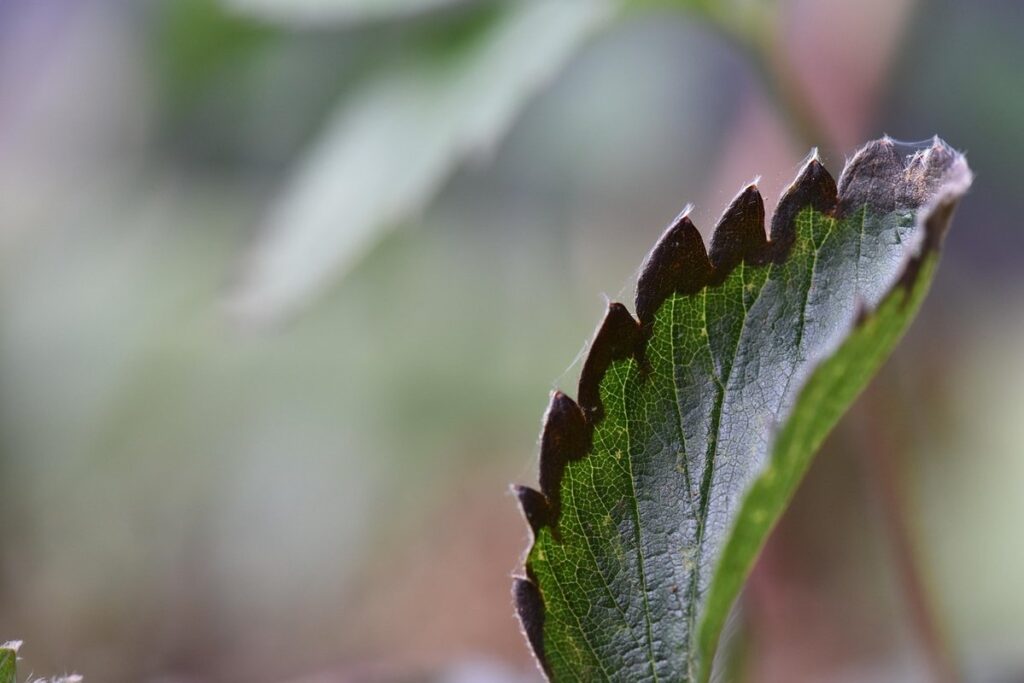
Understanding Tomato Blights
Tomato blight is a serious fungal disease that affects tomato plants worldwide, causing significant damage and crop loss. In this section, we’ll delve into what causes blight and its common symptoms.
What are Tomato Blights?
Tomato blights are one of the most devastating diseases affecting tomato crops worldwide. These fungal infections can quickly spread and cause significant damage to plants, resulting in reduced yields and lower fruit quality. The primary causes of tomato blights are environmental factors such as high humidity, warm temperatures, and excess moisture, which create an ideal environment for fungi to thrive.
Tomato blight can manifest in various forms, including early blight, late blight, and Septoria leaf spot. Each type has distinct symptoms, but they all share the same outcome: plant decline and eventual death if left untreated. Early blight, caused by Alternaria solani, is characterized by small, circular lesions on leaves that can coalesce to form larger patches.
Late blight, caused by Phytophthora infestans, is a highly infectious and aggressive disease that has devastated tomato crops for centuries. It’s responsible for the Irish Potato Famine in 1845 and continues to impact global food production today. Early detection and treatment are crucial to preventing the spread of these diseases and saving valuable crop yields.
It’s essential to be aware of the risks associated with tomato blights, especially if you’re a commercial grower or enthusiastic home gardener. By understanding the causes and effects of these diseases, you can take proactive steps to prevent them from taking hold in your crops.
Types of Tomato Blights
As you work to prevent tomato blights on your plants, it’s essential to understand the most common types of these fungal diseases. Early Blight, Late Blight, and Septoria Leaf Spot are among the most prevalent, each with unique characteristics that can affect your crops.
Early Blight is a widespread issue caused by Alternaria solani. It appears as yellowish or grayish patches on lower leaves, often accompanied by black spots. As the disease progresses, entire leaves may turn yellow and drop off. To prevent Early Blight, practice good sanitation: remove weeds that can harbor spores and ensure air circulation around your plants.
Late Blight, caused by Phytophthora infestans, is another significant threat. This blight can cause sudden wilting or defoliation of entire plants in a matter of days. It’s highly contagious and often spreads through infected seedlings or contaminated garden tools. To combat Late Blight, implement a robust crop rotation plan and ensure proper watering techniques to prevent moisture accumulation.
Septoria Leaf Spot is also a common issue, caused by Septoria lycopersici. This blight manifests as small brown spots on leaves, often accompanied by yellow halos. If left unchecked, it can weaken plants and lead to reduced yields. To manage Septoria Leaf Spot, apply fungicides according to product instructions and maintain consistent moisture levels around your plants.
When identifying these types of tomato blights, look for the distinctive symptoms and take prompt action to prevent further damage. Keep in mind that prevention is key: implement Integrated Pest Management (IPM) strategies to minimize the risk of infection.
Causes of Tomato Blights
Tomato blight is a complex issue, and understanding its causes is crucial for effective prevention. Let’s take a closer look at the various factors that contribute to this fungal disease.
Environmental Factors
Weather conditions play a significant role in the development of tomato blights. Temperature fluctuations can weaken the plant’s immune system, making it more susceptible to disease. Warm and wet weather is particularly conducive to blight growth, as high humidity helps the pathogen spread quickly.
A study on the relationship between temperature and blight severity found that temperatures above 75°F (24°C) led to increased incidence of blight. On the other hand, consistently cool temperatures can slow down blight development. However, prolonged exposure to cold weather can also weaken the plant’s defenses, making it more vulnerable to infection.
High humidity levels are another environmental factor that contributes to tomato blights. When the air is too wet, water droplets on the leaves provide a moist environment for the pathogen to thrive. This is why it’s essential to ensure good air circulation around your plants and remove any excess moisture from the leaves or stems.
To mitigate the impact of weather conditions, growers can take steps such as providing shade for their plants during extreme heatwaves or using row covers to regulate temperature and humidity levels. By being aware of these environmental factors, you can better prepare your tomato crop for potential blight outbreaks.
Soil Conditions
Soil conditions play a crucial role in determining whether your tomato plants are susceptible to blights. Poor soil quality, pH imbalance, and nutrient deficiencies can create an environment that fosters the growth of fungal pathogens responsible for tomato blights.
When soil lacks essential nutrients like nitrogen, phosphorus, or potassium, it can weaken the plant’s defense mechanisms, making it more vulnerable to disease attacks. A study published in the Journal of Plant Nutrition found that plants grown in nutrient-deficient soils had higher susceptibility to fungal infections compared to those grown in well-fertilized soils.
pH imbalance is another common issue that can lead to tomato blights. Most tomatoes prefer a slightly acidic soil pH between 6.0 and 7.0. If the soil pH falls outside this range, it can disrupt nutrient uptake, leading to deficiencies and creating an environment conducive to disease growth.
To maintain healthy soil conditions, test your soil regularly to determine its pH level and nutrient content. Based on the results, adjust your fertilization schedule accordingly. You can also consider adding organic matter like compost or manure to improve soil structure and fertility. By ensuring optimal soil conditions, you can significantly reduce the risk of tomato blights in your garden.
Prevention Methods for Home Gardeners
To keep tomato blight at bay, we’ll explore effective prevention methods that you can easily implement in your home garden to protect your plants. These techniques are essential for a successful harvest.
Crop Rotation and Planning
When it comes to preventing tomato blight, one of the most effective strategies is crop rotation. By rotating tomato crops with other plants, you can reduce the risk of disease buildup and create a more balanced ecosystem in your garden.
Here are some examples of companion planting that can help deter blight: basil, mint, and chamomile are all known to repel fungal spores and pests that spread blight. On the other hand, planting tomatoes with plants like marigold and nasturtium can attract beneficial insects that prey on tomato pests.
When planning your crop rotation, consider the following tips:
* Alternate between crops in the Solanaceae family (tomatoes, peppers, eggplants) to break the disease cycle.
* Choose non-Solanaceae crops for 2-3 years before rotating back to tomatoes to avoid any potential diseases or pests.
* Consider a 4-year crop rotation plan, which involves alternating between heavy feeders like tomatoes and light feeders like lettuce.
* Make sure to remove all plant debris after each harvest to prevent disease from carrying over to the next season.
By implementing these strategies, you can significantly reduce the risk of tomato blight in your garden.
Sanitation and Disinfection
Removing infected plant material is crucial to prevent the spread of tomato blight. This includes disposing of all parts of the affected plant, from the stems and leaves to the soil it was growing in. If not removed properly, these can harbor the pathogen and infect nearby plants.
Disinfecting your gardening tools is also vital. Use a mixture of 1 part bleach to 9 parts water to clean any equipment that comes into contact with the infected plant material. This should be done after each use, especially if you’re working on multiple plants in close proximity. A well-maintained disinfection routine can save you from having to start over.
Maintaining a clean growing environment is equally important. Make sure to remove weeds and debris from around your tomato plants, as these can harbor pathogens that can infect them. Regularly water your plants with fresh water, avoiding the pooling of water around the base which can lead to root rot and provide an ideal breeding ground for blight-causing organisms.
Organic Methods for Controlling Blights
One of the most effective ways to control tomato blight is by using organic methods, which we’ll explore in more detail below. From compost tea to neem oil, these techniques can be game-changers for your garden.
Companion Planting
Companion planting is an effective and organic method for controlling tomato blight. By strategically placing certain plants near your tomatoes, you can repel pests and diseases that cause blight. One of the most well-known beneficial companions for tomatoes is basil. Not only does basil add flavor to your cooking, but its strong scent also repels aphids, whiteflies, and other pests that can spread tomato blight.
Garlic is another potent ally in the fight against tomato blight. Planting garlic around the perimeter of your garden can help deter aphids, spider mites, and other pests that target tomatoes. Marigold flowers are also a natural repellent for nematodes, microscopic worms that feed on tomato roots and contribute to blight.
To incorporate these beneficial plants into your gardening routine, try the following: Plant basil near the base of your tomato plants to keep aphids at bay. Garlic can be planted around the perimeter of your garden or directly between rows of tomatoes. Marigold flowers can be used as a natural mulch around the base of your tomato plants or interspersed with them in the same row.
Biological Controls
When it comes to preventing tomato blight using organic methods, biological controls offer a promising solution. Biological controls involve introducing beneficial organisms that help control fungal growth, rather than relying on chemicals.
One effective way to utilize biological controls is by introducing beneficial insects such as parasitic wasps or lacewings into your garden. These insects prey on the eggs and larvae of fungal pathogens, preventing them from spreading blight in the first place. For example, the parasitic wasp Trichogramma can be used to control the eggs of early blight fungi.
Another organic option is using neem oil, a natural fungicide derived from the seeds of the neem tree. Neem oil works by inhibiting fungal growth and preventing spore production, making it an effective tool against tomato blight. To use neem oil effectively, mix it with water according to the manufacturer’s instructions and spray it on your plants regularly.
Regular monitoring of your garden for signs of fungal diseases is crucial when using biological controls. By introducing beneficial organisms or applying natural fungicides like neem oil at the first sign of trouble, you can prevent tomato blight from taking hold in your garden.
Chemical Controls and Fungicides
When it comes to chemical controls, using fungicides can be a crucial step in preventing tomato blight from taking hold. We’ll walk you through the best methods for applying these treatments effectively.
Choosing the Right Fungicide
When it comes to choosing the right fungicide for your tomato plants, it’s essential to consider both their effectiveness and safety. As a gardener, you want to select a product that will effectively control fungal diseases while also protecting the environment.
To begin with, make sure to read the label carefully and look for products labeled as “organic” or “biodegradable.” These options are often safer for your plants and more environmentally friendly. However, it’s worth noting that organic fungicides may not be as effective as their chemical counterparts.
When selecting a fungicide, also consider the active ingredients. Copper-based fungicides, for instance, can be toxic to certain microorganisms in the soil and potentially harm beneficial insects. On the other hand, sulfur-based products are generally considered safer and more gentle on the environment.
Ultimately, it’s crucial to follow the instructions carefully and apply the fungicide at the right time. This may involve spraying or dusting your plants during the early morning or late evening when they’re most vulnerable to fungal infections.
Precautions and Safety Measures
When handling chemicals for tomato blight prevention, it’s essential to take necessary safety precautions to avoid accidents and ensure effective treatment. First and foremost, wear protective gear such as gloves, long-sleeved shirts, pants, and closed-toe shoes to prevent skin contact with potentially hazardous substances.
Application methods are also crucial in minimizing risks. Always follow the instructions on the product label for proper mixing ratios, timing, and frequency of application. Spray equipment should be thoroughly cleaned and disinfected after each use to avoid cross-contamination.
Proper storage is equally important. Keep chemicals away from children, pets, and heat sources. Label containers clearly with their contents and store them in a well-ventilated area, out of direct sunlight.
It’s also vital to read the label carefully before using any chemical product, as some may have specific requirements or warnings for use on tomatoes. Familiarize yourself with the recommended Personal Protective Equipment (PPE) for each product to minimize exposure risks.
Remember, prevention is key – take these precautions seriously to ensure a safe and effective treatment plan for your tomato plants.
Monitoring and Managing Outbreaks
As you take steps to prevent tomato blight, it’s crucial to know how to monitor for outbreaks and manage them if they do occur. This is where early detection and response come into play.
Identifying Early Symptoms
As you tend to your tomato plants, it’s essential to recognize the early signs of blight. This can make all the difference in preventing a full-blown outbreak and saving your crop. So, what are the telltale signs that your tomatoes might be infected? One of the most common indicators is yellowing leaves. If you notice the leaves turning a pale or chartreuse color, it could be a sign that the blight has already taken hold.
Another indication is the appearance of black spots on the leaves. These can start as small, circular lesions but quickly spread and merge to form larger blotches. In severe cases, the entire leaf may turn brown and drop off. Don’t ignore these warning signs – they often signal a fungal infection that’s only getting worse with time.
Look out too for stem lesions, which appear as soft, grayish or black growths on the stems of your plants. These can weaken the plant’s structural integrity and make it more vulnerable to further damage. Regularly inspecting your plants will help you catch these issues early, when they’re still manageable.
Quarantine and Containment
When a tomato blight outbreak occurs, it’s essential to act quickly and implement quarantine and containment strategies to prevent further spread. This involves isolating infected plants from the rest of the crop to stop the disease from spreading through direct contact.
To contain the spread of blights, remove any infected plants immediately and dispose of them in sealed bags or by burning. This will help prevent airborne spores from being released back into the garden. Next, disinfect all tools and equipment that came into contact with the infected plants using a solution of 1 part bleach to 10 parts water.
If you’re growing tomatoes in a greenhouse or indoor space, ensure good air circulation and remove any debris or weeds that may harbor fungal spores. Keep an eye out for early signs of blight, such as yellowing leaves or black spots on the fruit, and take action promptly if you notice any symptoms.
Remember, the goal is to break the disease cycle by preventing further infection and giving your remaining healthy plants the best chance to recover. By taking swift and decisive action, you can minimize the damage caused by tomato blight and enjoy a bountiful harvest.
Frequently Asked Questions
Can I still plant tomatoes if my soil has a history of tomato blight?
You can still grow tomatoes, but it’s crucial to take extra precautions to prevent the disease from recurring. Test your soil for fungal spores and consider using fungicides or biological controls as part of your prevention strategy.
How often should I inspect my plants for early symptoms of blight?
Regular monitoring is key to catching blight early. Inspect your plants at least twice a week, looking for signs such as yellowing leaves, black spots, or white powdery patches on the stems and leaves. Act quickly if you notice any unusual symptoms.
What’s the best way to disinfect my gardening tools between uses?
To prevent the spread of blight, thoroughly clean your gardening tools with a mixture of 1 part bleach to 9 parts water after each use. This will help eliminate fungal spores and bacteria that can contribute to the development of blight.
Can I save seeds from affected plants or is it safer to start fresh?
It’s generally not recommended to save seeds from affected plants, as they may carry the disease-causing organisms. Instead, opt for healthy seed starting techniques, such as using disease-free seedlings or starting your tomatoes indoors with sterile growing media.
How long does it take to see noticeable results after implementing blight prevention methods?
Results can vary depending on several factors, including the severity of the blight and the effectiveness of your prevention strategy. However, with consistent effort and attention to detail, you may start noticing improvements in as little as 2-4 weeks after implementing these methods.