
If you’re a gardener who’s struggled with pesky tomato aphids, you know how frustrating they can be. These tiny insects can wreak havoc on your tomato plants, sucking sap and spreading disease in no time. Not only do they reduce yields, but they also make it difficult to enjoy the fruits of your labor – literally! Managing tomato aphid populations requires a thoughtful approach that balances control methods with garden safety. In this article, we’ll explore integrated pest management techniques for preventing and controlling tomato aphids using biological controls, chemical methods, and organic options. From understanding the life cycle of these pests to implementing effective control strategies, you’ll learn how to keep your tomatoes healthy and thriving. Let’s dive into the world of tomato aphid control and find solutions that work for you!
Understanding Tomato Aphids
To control tomato aphids effectively, it’s essential to first understand what these pesky insects are and how they affect your plants. Let’s take a closer look at the life cycle of tomato aphids.
What Are Tomato Aphids?
Tomato aphids are one of the most common pests affecting tomato plants worldwide. These small, soft-bodied insects feed on plant sap, causing curled or distorted leaves and stunted growth. Aphid infestations can also lead to the spread of diseases such as tobacco rattle virus and potato virus Y.
The life cycle of a tomato aphid typically lasts around 7-10 days, with multiple generations emerging throughout the growing season. Adult female aphids give birth to live young, and this process can be repeated every few weeks. Winged aphids, also known as “clouds,” are present in the spring and fall, dispersing to new areas.
As these pests feed on plant sap, they secrete a sticky substance called honeydew, which attracts ants and promotes fungal growth. To put it simply, if you notice curled or distorted leaves on your tomato plants, it’s likely due to an aphid infestation. Check the undersides of leaves carefully for signs of eggs, live aphids, or their telltale white, cottony exudates.
Damage Caused by Tomato Aphids
Tomato aphids can cause significant damage to your plants if left unchecked. The most noticeable effects are visible on the leaves and stems of your tomato plants. As these pests feed on the sap, they inject a toxin that causes curled or distorted leaves, making them appear like a twisted, lumpy mess. This distortion not only affects the plant’s appearance but also its ability to photosynthesize efficiently.
Reduced plant growth is another consequence of tomato aphid infestations. The sap-sucking nature of these pests deprives the plants of essential nutrients and water, stunting their growth and preventing them from reaching their full potential. This can be particularly damaging during the critical stages of fruit production, as it affects the overall yield and quality of your tomatoes.
Decreased fruit production is also a direct result of tomato aphid damage. Infested plants are more susceptible to disease and pests, making it harder for them to produce healthy fruit. Furthermore, the toxins injected by these pests can also affect the flavor and texture of your tomatoes, making them less desirable for consumption or sale.
Prevention Methods for Tomato Aphids
To effectively manage tomato aphid populations, it’s essential to know how to prevent infestations from occurring in the first place. Let’s explore some practical prevention methods to safeguard your tomato plants.
Integrated Pest Management (IPM)
When it comes to managing tomato aphids, Integrated Pest Management (IPM) is an essential approach. IPM involves a holistic strategy that incorporates cultural controls, physical barriers, and resistant varieties to minimize the use of chemical pesticides. By applying IPM principles, you can effectively manage tomato aphid populations while promoting a healthier ecosystem.
Cultural controls are a crucial aspect of IPM. These include maintaining proper crop rotation, ensuring adequate soil moisture, and pruning plants regularly to promote air circulation. For example, rotating your tomato crops with non-host plants like corn or beans can help break the aphid’s life cycle. Regular pruning also helps to reduce humidity around the plant, making it less conducive for aphids.
In addition to cultural controls, physical barriers can be used to deter tomato aphids. Fine mesh screens or fine-netted row covers can prevent adult aphids from reaching your plants. Resistant varieties are another important aspect of IPM. Some tomato breeds have natural resistance to certain pests, including aphids. By planting these resistant varieties, you can significantly reduce the risk of infestation.
By combining these IPM strategies, you’ll be well on your way to managing tomato aphid populations effectively and promoting a balanced ecosystem in your garden or greenhouse. Remember, it’s all about creating an environment that’s less hospitable to pests while maintaining healthy plant growth.
Biological Controls for Tomato Aphids
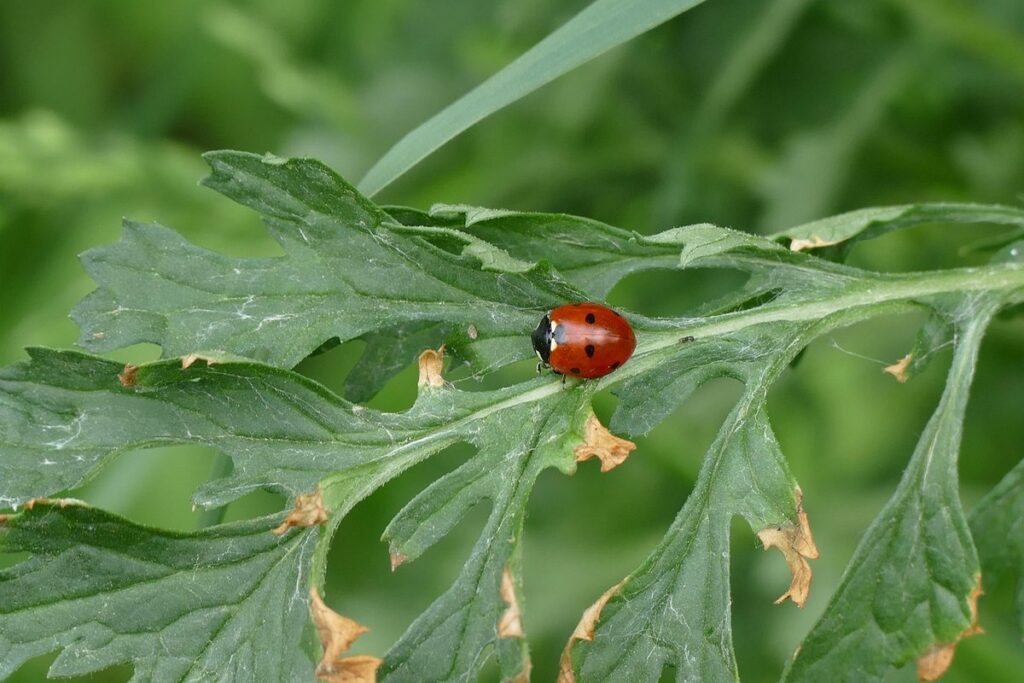
Beneficial insects like lady beetles and lacewings are natural predators that feed on tomato aphids. These beneficial bugs can be introduced into your garden through various means such as purchasing them from a nursery or bringing them in from nearby areas. For example, the Convergent Lady Beetle is particularly effective at controlling aphid populations.
Another beneficial insect to consider is the lacewing, which feeds on the eggs and larvae of tomato aphids. These insects are typically introduced into gardens during the summer months when aphid populations tend to peak. To encourage the presence of these beneficial bugs, gardeners can plant a diverse range of flowers that provide nectar and pollen for them to feed on.
Gardeners can also use natural predators such as parasitic wasps and predatory mites to control tomato aphids. For instance, the Aphidius ervi wasp is a specific parasite that targets and kills the eggs of tomato aphids. By introducing these beneficial insects into your garden, you can reduce reliance on pesticides and maintain a balanced ecosystem.
Chemical Control Methods for Tomato Aphids
Let’s take a closer look at chemical control methods that are safe and effective against tomato aphids, using them as a last resort to protect your garden. These techniques involve using insecticides specifically labeled for tomato aphid control.
Insecticidal Soap and Neem Oil
Insecticidal soap and neem oil are two popular insecticides used to control tomato aphid populations. Insecticidal soap works by breaking down the aphid’s exoskeleton, ultimately leading to dehydration and death. It’s a gentle, yet effective solution that can be used in conjunction with other methods for optimal results.
Neem oil, on the other hand, contains compounds that disrupt the aphid’s hormonal balance, preventing them from reproducing and eventually killing them off. Neem oil also has the added benefit of repelling other pests that may be attracted to your tomato plants.
Both insecticidal soap and neem oil are beneficial because they’re environmentally friendly, biodegradable, and safe for use around pets and children. However, there are some potential drawbacks to consider: repeated use can lead to aphid resistance, and both products can also harm beneficial insects like bees and butterflies if not used properly.
To use insecticidal soap or neem oil effectively, always follow the product’s instructions and take necessary precautions, such as applying it in the early morning or evening when your plants are less vulnerable to sun damage.
Systemic Insecticides for Tomato Aphid Control
When it comes to controlling tomato aphid populations, systemic insecticides are often considered a reliable option. These chemicals work by being absorbed into the plant’s tissues, providing long-lasting protection against aphids and other pests.
One of the most commonly used systemic insecticides for tomato aphid control is imidacloprid. This chemical has been shown to be effective in reducing aphid populations by up to 90% when applied at a rate of 0.2-0.3 mL/L of water. For optimal results, it’s recommended to apply imidacloprid as a foliar spray during the early stages of plant growth.
Another systemic insecticide that has gained popularity is dinotefuran. This chemical has been shown to have a rapid knockdown effect on aphids, reducing populations by up to 80% within just 24 hours of application. When using dinotefuran, be sure to follow the recommended rate of 0.15-0.25 mL/L of water.
To get the most out of systemic insecticides, it’s essential to time their application correctly. Typically, this means applying these chemicals when aphid populations are still low, rather than waiting until they’ve become severe. By taking a proactive approach and using systemic insecticides strategically, you can minimize damage and maintain healthy tomato plants.
Organic Methods for Controlling Tomato Aphids
If you’re looking for a more natural approach to controlling tomato aphids, this section will explore effective organic methods that are gentle on your plants and the environment. We’ll dive into practical techniques for keeping these pesky pests at bay.
Neem Cake and Other Natural Deterrents
When it comes to controlling tomato aphids organically, incorporating natural deterrents into your gardening routine can be a game-changer. Neem cake is one such material that has gained popularity among gardeners due to its ability to repel aphids and other pests.
Neem cake, made from ground neem seeds, contains azadirachtin, a compound that disrupts the insect’s hormone system, preventing them from reproducing. Simply sprinkle neem cake around the base of your tomato plants or mix it into the soil to deter aphid infestations. A study by the University of California found that applying neem cake reduced aphid populations by up to 90%.
Other natural deterrents worth considering are garlic spray and hot pepper sauce. Garlic’s strong scent repels aphids, while hot pepper sauce contains capsaicin, which can be toxic to these pests in high concentrations. To make a garlic spray, mix crushed garlic with water and spray it around your plants regularly. For hot pepper sauce, dilute it with water according to the manufacturer’s instructions and apply it directly to affected areas.
Companion Planting for Aphid Control
Companion planting is an effective way to control tomato aphids without using harsh chemicals. By strategically placing certain plants alongside your tomatoes, you can create a balanced ecosystem that attracts beneficial insects and repels pests. For instance, basil and mint are known to repel aphids and other pests, while attracting beneficial wasps and lacewings that prey on them.
Other plants like marigold, nasturtiums, and calendula have natural chemicals that deter aphids and other pests. These flowers can be planted around the base of your tomato plants or even interspersed with them to create a barrier against aphid infestations. Some gardeners also swear by using garlic as a companion plant, which is said to repel aphids and improve soil health.
To get the most out of companion planting for aphid control, be sure to choose varieties that are suitable for your climate and growing conditions. Also, remember that this method may not eliminate aphid infestations entirely but can certainly help reduce their numbers and prevent further damage. With a little creativity and planning, you can create a thriving garden ecosystem that works with nature to keep pests at bay.
Common Pesticides and Insecticides Used in Tomato Aphid Control
When it comes to getting rid of tomato aphids, you’ll often hear about certain pesticides and insecticides that are commonly used to control infestations effectively. Let’s take a closer look at some popular options.
Comparison of Popular Options
When it comes to controlling tomato aphids, various pesticides and insecticides are available. Some popular options include Neem oil, Pyrethrin, and Imidacloprid. Neem oil is a natural, plant-based pesticide that’s often used as a first-line defense against aphids. It works by depleting the aphid’s ability to produce sex hormones, ultimately killing them off.
Pyrethrin, on the other hand, is a synthetic insecticide that’s derived from chrysanthemum flowers. While it’s effective against aphids, its use can be limited due to concerns about bee toxicity and potential resistance development in target pests. Imidacloprid, an active ingredient found in systemic pesticides like Marathon and Safari, targets the aphid’s central nervous system.
When choosing between these options, consider factors such as EPA approval status, environmental impact, and effectiveness against resistant pest populations. For example, Neem oil is widely available and has a relatively low toxicity profile compared to synthetic insecticides like Imidacloprid. However, its efficacy can be reduced in severe infestations. Always follow label instructions and take necessary precautions when handling any pesticide or insecticide.
To ensure the most effective control strategy, it’s essential to assess your garden’s specific needs and consider factors such as crop stage, pest pressure, and environmental conditions. For instance, Pyrethrin may be more suitable for smaller-scale infestations or in areas where resistance is not a significant concern. By carefully evaluating these options and taking a targeted approach, you can minimize the risks associated with pesticide use while maintaining effective aphid control.
Safety Precautions When Using Chemical Controls
When using chemical controls to manage tomato aphids, it’s essential to prioritize your safety and the environmental well-being. To start, make sure you’re equipped with personal protective equipment (PPE). This includes a long-sleeved shirt, pants, closed-toe shoes, gloves, and eye protection.
Application methods are also crucial for minimizing exposure risks. Always read and follow the label instructions carefully before applying chemical controls. Use calibrated sprayers to ensure accurate dosages, and avoid applying chemicals during peak sun hours or windy conditions. This will not only prevent human exposure but also reduce the risk of drift onto nearby plants or water sources.
Chemical controls can have unintended environmental impacts if not handled properly. To minimize these risks, choose products with low toxicity profiles, and consider using integrated pest management strategies that combine multiple control methods. Always dispose of unused chemicals responsibly, following local regulations for waste disposal. By taking these precautions, you can effectively manage tomato aphids while safeguarding your health and the environment.
Monitoring and Managing Tomato Aphid Populations
To effectively control tomato aphids, it’s essential to monitor their populations regularly, which means knowing how to identify signs of infestation and track changes in your garden. This section will guide you through that process.
Identifying Early Signs of Infestation
Identifying early signs of tomato aphid infestations is crucial to prevent significant damage to your plants. When inspecting your tomato crops regularly, look for the presence of eggs, nymphs, or adult aphids on the stems and leaves. Adult aphids are usually small, soft-bodied insects that feed on plant sap, causing curled or distorted leaves.
Nymphs, on the other hand, are smaller and often mistaken for whiteflies. They have a distinctive pear-shaped body and are usually found in large numbers on the underside of leaves. Aphid eggs can be difficult to spot but appear as small, yellowish-white specks attached to the stems or leaves.
If you notice any of these signs, it’s essential to take action quickly. Begin by inspecting other plants in the vicinity to determine if the infestation is widespread. Use a magnifying glass or hand lens to get a closer look at the affected areas and confirm the presence of aphids.
Using Traps and Other Monitoring Tools
Monitoring tomato aphid populations is crucial for effective control measures. Sticky traps are an essential tool in this process, allowing you to track and monitor the movement of these pests. Place sticky traps around the perimeter of your garden or greenhouse, as well as near plants that have been infested in the past. This will help you identify areas where aphids may be concentrated.
In addition to sticky traps, yellow traps can also be effective in monitoring tomato aphid populations. These traps use a combination of color and smell to attract aphids, increasing the chances of detection. Place them near plants that are most susceptible to aphid infestations.
Other monitoring tools include pitfall traps and water traps. Pitfall traps involve burying a container partially underground, with the top edge level with the soil surface. Aphids will fall into these containers as they move around the garden. Water traps work by using a shallow dish filled with water to attract aphids. As they land in the water, they become trapped.
These monitoring tools can be used in conjunction with each other for more effective results. By tracking tomato aphid populations over time, you’ll be able to determine when control measures are needed and make informed decisions about your management strategy.
Conclusion: Effective Tomato Aphid Control Strategies
In conclusion, effective tomato aphid control requires a multi-faceted approach that incorporates both preventative measures and targeted treatments. By understanding the life cycle of these pests and identifying their preferred habitats, gardeners can take proactive steps to minimize infestations. For example, introducing beneficial insects like ladybugs or lacewings can help naturally regulate aphid populations.
In addition to biological controls, incorporating organic pesticides into your arsenal can also be an effective way to control tomato aphids. Neem oil and insecticidal soap are popular options that can be applied directly to affected plants. Regular monitoring of your garden is crucial to catching infestations early on, allowing for swift action to prevent the spread of these pests.
Frequently Asked Questions
What if I’ve already applied some of these control methods, but the aphid infestation persists?
Start by re-inspecting your plants for signs of infestation and monitoring tools such as yellow traps to determine the extent of the issue. Then, consider rotating or combining control methods, like switching from neem oil to insecticidal soap or using systemic insecticides in combination with biological controls. Keep in mind that effective management often requires patience, persistence, and a willingness to adapt your approach.
How can I ensure my children and pets are safe when using chemical controls for tomato aphid control?
When handling pesticides, wear protective clothing, including gloves and eyewear. Store chemicals in locked containers out of reach of kids and pets. If you need to use systemic insecticides, apply them at night or when animals are indoors to minimize exposure risks. Always follow the product’s instructions and take necessary precautions.
Can I use companion planting alone to effectively control tomato aphids?
While companion plants like basil and marigold can help deter aphids, they may not provide sufficient long-term control on their own. Use them in conjunction with other management strategies, such as monitoring traps and regular pesticide applications (if needed). This integrated approach will give you the best chance of keeping your tomatoes healthy.
What’s the most effective way to use neem cake for tomato aphid control?
To maximize its effectiveness, sprinkle neem cake evenly around the base of your plants at the beginning of the growing season. Reapply as directed on the product label, typically every 2-3 weeks, to maintain a barrier against pests. Make sure to follow local regulations regarding neem cake use and application rates.
Can I use insecticidal soap for controlling aphids in greenhouses?
Yes. Insecticidal soap can be an effective option for greenhouse growers struggling with tomato aphid infestations. However, ensure the product is specifically labeled for use indoors and follows all necessary safety precautions to avoid harming people or pets.