
If you’re anything like me, you’ve probably wandered through your local nursery or farmers’ market, scratching your head at the unfamiliar produce on offer. Two such mysterious gems are the tomatillo and the ground cherry plant – but what’s the difference between them? Should you be cultivating both in your garden, or do they serve distinct purposes in the kitchen? In this article, we’ll delve into the growth habits, flavor profiles, and uses of these two lesser-known fruits. Whether you’re a seasoned gardener or an adventurous cook, understanding the unique characteristics of tomatillos and ground cherry plants will help you make informed decisions about which one to grow, harvest, and incorporate into your recipes. Let’s get started!
Understanding the Basics
To get started on this journey of discovery, let’s break down what makes a Tomatillo and Ground Cherry plant unique, and how they compare in terms of growth habits.
What are Tomatillos and Ground Cherries?
At its core, the world of tomatillos and ground cherries can be fascinating for gardeners who are eager to explore new flavors and textures. Let’s start with understanding what these two fruits are.
Tomatillos (Physalis philippiensis) belong to the nightshade family and are native to Mexico and Central America. They’re a member of the same botanical family as tomatoes, peppers, and eggplants. Tomatillos have been cultivated for over 1,000 years in their native regions, where they were valued not only for their taste but also for their medicinal properties.
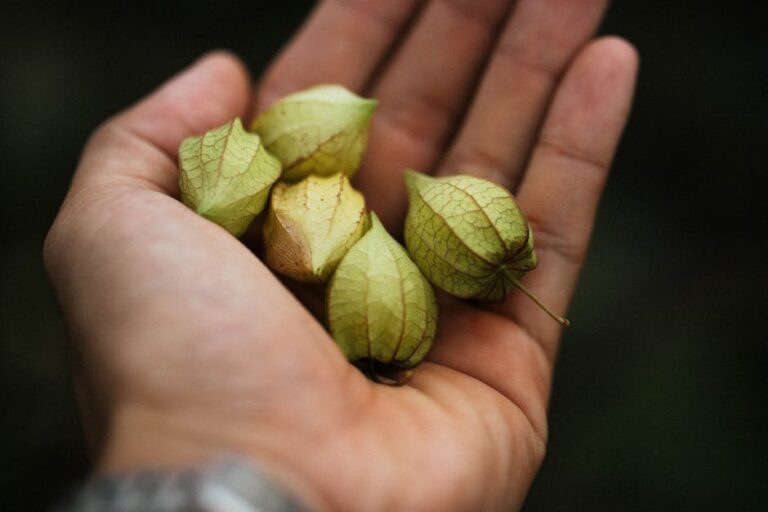
Ground cherries (Physalis pruinosa), on the other hand, are a type of small, round fruit that resembles a cherry tomato wrapped in a papery husk. They’re a member of the same genus as tomatillos and are native to South America. Ground cherries have been used by indigenous cultures for centuries, where they were prized for their sweet-tart flavor and potential health benefits.
Both plants share similar characteristics, but understanding their unique traits is essential for any gardener who wants to grow these fruits successfully.
Key Similarities Between Tomatillos and Ground Cherries
At first glance, tomatillos and ground cherries may seem like vastly different plants. However, upon closer inspection, you’ll notice some striking similarities between the two. One of the most notable similarities is their growth habits. Both tomatillos and ground cherries are perennial plants that thrive in well-drained soil and full sun. They both have a bushy habit, growing up to 3-4 feet tall and wide, making them perfect for small gardens or containers.
When it comes to fruit characteristics, both plants produce small, rounded fruits that are encased in a papery husk. Tomatillos typically range from 2-5 inches in diameter, while ground cherries are slightly smaller, usually around 1-3 inches in diameter. Both fruits have a sweet and slightly tart taste, making them versatile for various culinary uses.
In terms of cooking, both tomatillos and ground cherries can be used in similar ways. They’re often roasted or grilled to bring out their natural sweetness, then used as a topping for tacos, salads, or other dishes. They can also be pickled or used in jams and preserves, adding a burst of flavor to any meal.
Growing Conditions and Requirements
To successfully grow either a tomatillo or ground cherry plant, it’s essential to understand their specific growing conditions and requirements. Let’s dive into what makes each one thrive.
Climate and Soil Preferences for Tomatillos
When it comes to growing tomatillos, understanding their climate and soil preferences is crucial for a successful harvest. Tomatillos are sensitive to temperature fluctuations, preferring a warm and dry climate with temperatures between 65°F to 85°F (18°C to 30°C). They can tolerate some frost but prolonged exposure to cold temperatures can damage the plant.
In terms of soil requirements, tomatillos prefer well-draining, fertile soil with a pH range of 6.0 to 7.0. The ideal soil mix should have a combination of sand, silt, and clay for optimal water retention and drainage. Tomatillo plants are prone to root rot if the soil is too wet or waterlogged.
To create the right conditions for your tomatillos, start by testing your soil pH and adjusting it accordingly. Add organic matter like compost or well-rotted manure to improve soil fertility and structure. Mulch around the base of the plant to retain moisture and suppress weeds, keeping the area consistently moist but not waterlogged. By understanding and replicating these climate and soil conditions, you can give your tomatillo plants the best chance at thriving and producing an abundance of delicious fruit.
Climate and Soil Preferences for Ground Cherries
Ground cherry plants thrive in temperate climates with warm summers and cool winters. They prefer well-drained soil with a pH between 6.0 and 7.0. In contrast to tomatillos, which are more tolerant of heat and humidity, ground cherries require slightly cooler temperatures, typically above 60°F (15°C), to produce fruit.
When it comes to soil quality, ground cherry plants prefer rich, organic soil that is high in nitrogen and phosphorus. This is because they have a shallow root system and are heavy feeders, requiring regular fertilization to promote healthy growth. To replicate this condition in your garden, mix compost or well-rotted manure into the soil before planting.
It’s essential to note that ground cherries are sensitive to frost, so they should be planted after the last frost date in your area. Tomatillos, on the other hand, can tolerate some frost but may suffer damage at temperatures below 25°F (-4°C).
Plant Care and Maintenance
To ensure your tomatillo and ground cherry plants thrive, it’s essential to understand their specific care requirements. In this section, we’ll dive into how to properly maintain these unique plants.
Tomatillo Pruning and Training Techniques
To maximize yields and encourage healthy growth, tomatillo plants require regular pruning and training. Start by removing lower leaves that touch the ground to prevent fungal diseases from spreading upwards. Pinch off flower buds as they form to direct the plant’s energy towards fruit production instead of seed development.
For optimal air circulation and sunlight penetration, prune back stem tips to encourage branching. Remove any weak or spindly growth to promote bushy, compact plants with more fruiting sites. Consider using trellises or stakes to support tomatillo plants that grow taller than 3 feet.
Regular pruning also helps control pests like hornworms and aphids by reducing the plant’s foliage. For a more extensive harvest, train tomatillos to grow along a fence or wall using twine or wire supports. Aim for 6-8 hours of direct sunlight daily to boost fruit production and disease resistance in your tomatillo plants.
Ground Cherry Support Systems and Mulching
Ground cherry plants benefit significantly from proper support systems and mulching. When it comes to supporting these small fruits, tomato cages or trellises can be used to prevent the stems from toppling over due to the weight of the fruit. This is particularly crucial for ground cherry varieties that produce a heavy crop.
One potential drawback of using support systems is the risk of fungal diseases and pests being trapped within the structure. To mitigate this, ensure that the cages or trellises have adequate air circulation and are not too dense.
Mulching around ground cherry plants also has its advantages. Organic mulches like straw, wood chips, or grass clippings help retain moisture in the soil, regulate temperature fluctuations, and suppress weeds. This reduces the need for frequent watering and weeding, saving you time and effort.
Aim to maintain a 2-3 inch layer of mulch around your ground cherry plants. However, be cautious not to over-mulch, as this can lead to an anaerobic environment that fosters fungal growth. Keep in mind that some organic mulches may require replenishment or replacement mid-season to maintain their effectiveness.
Pest and Disease Management
When growing tomatillos and ground cherries, managing pests and diseases can be a challenge. Let’s take a look at how you can protect your plants from common issues.
Common Pests Affecting Tomatillos
When it comes to growing tomatillos, pests can be a significant threat to their health and productivity. One of the most common pests affecting tomatillos is aphids. These tiny, soft-bodied insects feed on plant sap, causing curled or distorted leaves and stunted growth. To prevent aphid infestations, make sure to inspect your plants regularly, especially during hot weather when aphid populations tend to thrive.
Whiteflies are another common pest that targets tomatillos. These flying insects feed on plant sap, similar to aphids, but their presence is often indicated by a faint buzzing noise or a sticky substance called honeydew on the leaves. To control whitefly infestations, use neem oil or insecticidal soap, which can be applied directly to the affected areas.
Hornworms are also a significant threat to tomatillos. These large, green caterpillars feed on plant tissues, causing significant damage and reducing yields. To prevent hornworm infestations, inspect your plants regularly, looking for signs of egg-laying or actual worm activity. Hand-picking is often the most effective control method.
Regular monitoring and taking action promptly can help minimize pest damage to your tomatillo crop.
Fungal and Bacterial Diseases Impacting Ground Cherries
Ground cherry plants are susceptible to several fungal and bacterial diseases that can significantly impact their health and productivity. One of the most common issues is powdery mildew, a fungal disease characterized by a white, powdery coating on the leaves and stems. This disease thrives in warm, humid conditions and can be managed with proper air circulation and fungicides.
Leaf spot and bacterial leaf spot are two other significant diseases affecting ground cherry plants. Leaf spot is caused by various fungal pathogens that create small, circular lesions on the leaves. Bacterial leaf spot, on the other hand, is characterized by yellow or tan spots with a water-soaked appearance. Both diseases can be prevented by removing infected leaves and practicing good sanitation.
To manage these diseases effectively, it’s essential to maintain a clean growing environment, remove weeds that can harbor disease-causing pathogens, and ensure proper watering and fertilization practices. Regular monitoring of the plants for early signs of disease will also help prevent its spread.
Harvesting and Storage
Now that you’ve learned how to care for your tomatillo and ground cherry plants, let’s dive into harvesting and storing these delicious fruits. Proper storage is key to keeping them fresh throughout the seasons.
When to Harvest Tomatillos and How to Handle Them
When harvesting tomatillos, it’s essential to wait until they’re fully ripe. This usually occurs 70-80 days after sowing seeds, but the exact timing depends on weather conditions and specific plant varieties. Check for ripeness by gently tugging on the fruit – a ripe tomatillo should come off the plant easily.
If you’re unsure about the ripeness of your tomatillos, try the “touch test.” A ripe tomatillo will have a slight give when pressed, similar to an avocado. The skin may also develop a slightly soft, papery texture, and the fruit will turn from green to its characteristic yellow or purple color.
After harvesting, handle tomatillos gently to avoid bruising their delicate skin. Store them at room temperature, away from direct sunlight, for up to 3 days. For longer storage, refrigerate them in a breathable container, such as a paper bag or mesh produce bag, to maintain humidity and prevent moisture buildup. Avoid washing the fruit before storing, as excess moisture can lead to mold and spoilage.
Ground Cherry Ripening Times and Handling Instructions
Ground cherries typically take around 100 to 120 days to ripen after transplanting, which is shorter than the 130-150 day maturation period of most tomatillo varieties. A ripe ground cherry will turn from green to a deep yellow or red, depending on the specific variety. To check for ripeness, gently twist the fruit – if it comes off easily, it’s ready to be picked.
When handling ground cherries, be gentle as they can bruise easily and spoil quickly. Harvest them early in the morning when the skin is still slightly tacky to prevent moisture loss. Avoid washing them until just before using to minimize damage from water splashing and promote longer storage life. Ground cherries also store better than tomatillos due to their papery husks, which provide additional protection against moisture loss.
In terms of storage, ground cherries can be kept at room temperature for up to 3 days or refrigerated for up to a week. Freeze them by removing the stem and any bruised areas, placing in an airtight container, and storing at 0°F (-18°C). To freeze whole ground cherries, blanch them in boiling water for 10 seconds before cooling quickly with an ice bath and packaging as directed above.
By following these handling and storage tips, you’ll be able to enjoy your homegrown ground cherries throughout the year.
Culinary Uses and Recipes
Now that we’ve explored the unique characteristics of each plant, let’s dive into some delicious ways to use them in cooking. You’ll find mouth-watering recipe ideas using fresh tomatillos and ground cherries.
Tomatillo-Based Dishes and Sauces
One of the main advantages of growing tomatillos is their versatility in the kitchen. When used as a main ingredient, they can be transformed into a wide variety of delicious dishes and sauces. Traditional recipes from Mexico and other parts of Latin America showcase the unique flavor and texture that tomatillos bring to salsas, soups, and sauces.
Some popular examples include salsa roja, which is a tomato-free alternative to traditional salsa made with cooked tomatillos, onions, garlic, and jalapeños. Tomatillo-based green chile stew, known as posole, is another beloved recipe that uses tomatillos to add depth and richness to the broth. In addition to these soups and salsas, tomatillos can also be used to make a variety of sauces for meats, vegetables, and even pasta dishes.
To get started with cooking with tomatillos, it’s essential to choose firm, green fruits that are heavy for their size. Simply rinse them clean, remove the papery husks, and roast or sauté them until tender before blending into your desired sauce or dish.
Ground Cherry Deserts and Preserving Methods
Ground cherries make an excellent addition to desserts due to their sweet-tart flavor and soft, juicy texture. One popular dessert idea is to fill the hollowed-out center of a ground cherry with whipped cream or vanilla ice cream for a unique twist on individual parfaits. Another option is to use ground cherries in place of other fruits in your favorite pie recipes.
Preserving ground cherries is relatively easy and can be done through several methods. One common approach is to dry them, either using a food dehydrator or by placing the fruit on a wire rack in a low-temperature oven (150°F – 200°F). Dried ground cherries can then be stored for up to six months in airtight containers.
For longer-term preservation, consider pickling ground cherries in a brine solution or freezing them whole. Pickled ground cherries make a great topping for salads or sandwiches, while frozen ground cherries can be used in smoothies or baked goods throughout the year.
Frequently Asked Questions
Can I grow tomatillos and ground cherry plants together in the same garden bed?
While it’s technically possible, it’s essential to note that these two plants have slightly different growth habits and requirements. Tomatillos can spread out quite a bit, taking up more space than ground cherries. To avoid competition for resources like light, water, and nutrients, consider growing them in separate beds or using a trellis system to provide support for both.
How do I handle common pests that affect tomatillos and ground cherries?
Both plants can be susceptible to pests like aphids, whiteflies, and spider mites. To manage these issues effectively, keep your garden clean by removing weeds and debris that can attract pests. Regularly inspect your plants for signs of infestation, and use organic methods like neem oil or insecticidal soap to control outbreaks.
Can I harvest both tomatillos and ground cherries at the same time, or do they have different ripening times?
While it’s true that ground cherry plants tend to produce fruit more quickly than tomatillo plants (about 60-90 days vs. 80-120 days), their ripening times can overlap depending on factors like climate, soil quality, and specific growing conditions. Monitor both plants closely for signs of ripeness, such as a slight softening of the skin or a change in color.
How do I store harvested tomatillos and ground cherries to keep them fresh for longer?
Proper storage is crucial for extending the shelf life of these fruits. For tomatillos, wrap them individually in plastic bags or aluminum foil and refrigerate at 32°F (0°C) to maintain their flavor and texture. Ground cherries can be stored similarly, but be careful not to bruise their delicate skin. Consider freezing both types of fruit for longer-term preservation.
Can I grow ground cherry plants from seed, or do they require more specialized propagation methods?
Ground cherry plants are typically propagated through cuttings or layering rather than seeds. However, with the right conditions and some patience, it is possible to start them from seed. Sow seeds indoors 6-8 weeks before transplanting outside, providing a warm, humid environment for optimal germination.