
If you’ve ever spotted a toad hopping around your garden, you might be wondering if they’re enjoying the lush greenery or causing harm to your plants. Do toads eat plants? While they primarily feed on insects and other invertebrates, some species of toads do consume plant matter. But what exactly do they eat, and why? It’s essential to understand this behavior to ensure you’re not inadvertently harming your garden’s ecosystem.
In this article, we’ll delve into the world of toad diet, exploring safe and toxic plant species for these amphibians. You’ll learn about the reasons behind their plant-eating habits and how to mitigate potential risks. From identifying poisonous plants that can harm toads to understanding their role in controlling pest populations, we’ll cover it all. So, let’s hop right into the fascinating world of toad nutrition!
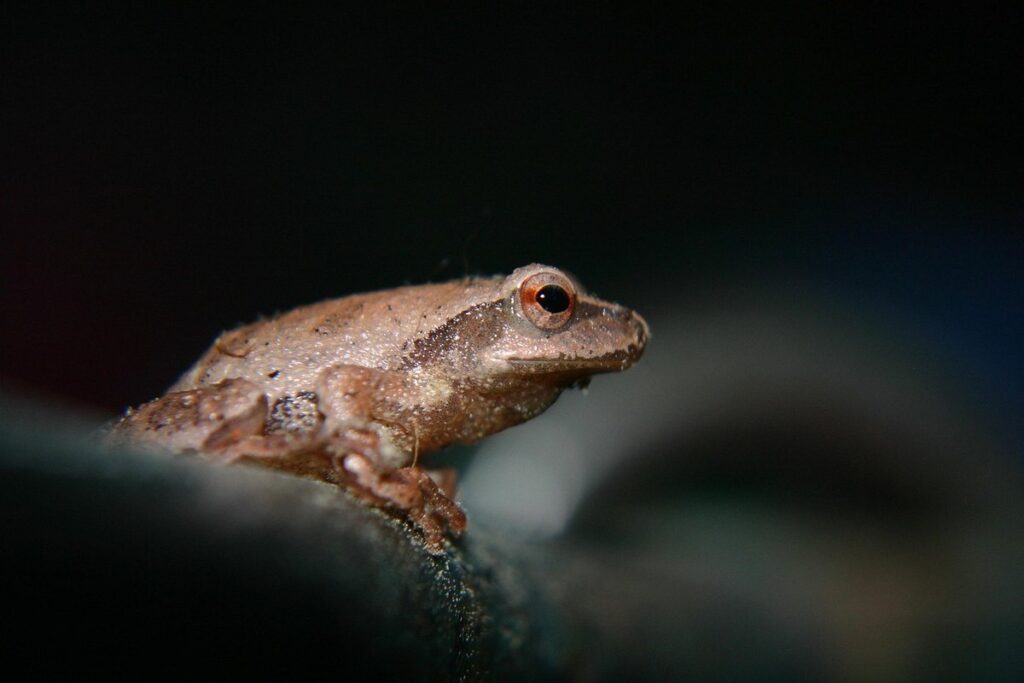
What We Know About Toad Dietaries
When it comes to understanding what do toads eat, their dietary habits are often misunderstood. In this next part of our exploration, we’ll take a closer look at the role of plants in their diet.
Omnivorous Nature of Toads
Toads are primarily omnivores, consuming a wide range of food sources that include insects, worms, and other small invertebrates. This diverse diet is essential to their survival, providing them with the necessary nutrients and energy to thrive. In fact, studies have shown that some species of toads can eat up to 10% of their body weight in insects daily.
When it comes to foraging, toads are opportunistic feeders, taking advantage of whatever food sources are available to them. This means they may eat anything from snails and slugs to spiders and flies. In the wild, you might catch a toad munching on an earthworm or two, but what about plants? Do toads ever venture into plant-eating territory?
The key is understanding that while toads are primarily insectivores, their omnivorous nature means they won’t shy away from plant material if it’s readily available. This flexibility in their diet can sometimes lead people to assume that toads eat more plants than they actually do. But rest assured, plants remain a relatively small part of their overall diet.
Plant Matter as an Occasional Supplement
While toads are primarily insectivorous, they can and do consume plant matter from time to time. In fact, it’s not uncommon for toads to browse through vegetation, particularly during certain life stages or in specific environments.
For instance, young toadlets may ingest small amounts of plant material as they explore their surroundings and learn what is safe to eat. This isn’t a deliberate attempt to supplement their diet with plants; rather, it’s an exploratory behavior that can provide essential nutrients like fiber and water.
As adults, some toads might consume more significant quantities of plant matter, especially if their insect prey is scarce or of poor quality. In these situations, plant material can serve as a nutritious backup option, providing essential vitamins and minerals.
If you’re keeping toads in captivity, understanding the importance of occasional plant consumption can help inform your care decisions. You might consider providing a shallow dish of leafy greens or other safe plants as an added supplement to their diet – but be sure to do so judiciously, following established guidelines for proper nutrition and feeding habits.
Do Toads Eat Foliage?
When it comes to toad eating habits, some of you might be wondering if these little critters munch on foliage at all. Let’s dive into whether do toads eat leaves and stems from plants.
Leaf Consumption by Toads
Some species of toads have been observed consuming leaves, but it’s essential to note that this behavior is not widespread among all toad populations. Documented cases of leaf consumption can be attributed to specific environmental conditions and the presence of certain plant species. For instance, the Midwife Toad (Alytes obstetricans) has been known to eat leaves in captivity, particularly those with high nutritional value.
However, this behavior is not unique to this species alone. A study on the European Common Toad (Bufo bufo) found that they occasionally consume leaves during periods of low insect activity or when their primary food sources are scarce. The type of plants consumed also varies, but some studies suggest that toads tend to prefer broad-leaved plants over narrow ones.
It’s crucial for pet owners and researchers alike to recognize the nuances in leaf consumption behavior among different species. If you’re considering introducing a plant-based supplement to your toad’s diet or observing this behavior in captivity, be aware of the potential risks and benefits associated with leaf consumption.
Factors Influencing Plant Consumption
When it comes to understanding whether toads eat plants, several factors come into play that might encourage or discourage them from consuming plant matter. Environmental considerations are crucial here, as toads are more likely to eat plants when they’re abundant and readily available. For instance, during periods of drought or food scarcity, toads may turn to plants as a survival strategy.
Nutritional factors also influence plant consumption in toads. Some species of toads require specific nutrients that can be found in plants, such as calcium and other minerals essential for their growth and development. However, overconsumption of certain plant toxins like alkaloids can be detrimental to their health. This highlights the importance of understanding the nutritional profile of local plant species and their potential impact on a toad’s diet.
Physiological factors also play a role in plant consumption among toads. Their digestive system is designed for a carnivorous diet, but they can adapt to eat plants under certain circumstances. Factors such as age, sex, and reproductive status can influence an individual toad’s willingness to consume plants. For example, pregnant or lactating female toads may require more nutrients from plants due to their increased energy demands.
Understanding these factors can help us better appreciate the complex relationships between toads and plant consumption in the wild. By recognizing how environmental, nutritional, and physiological considerations interact with each other, we can make more informed decisions about providing a balanced diet for captive toads or taking steps to protect their natural food sources in the wild.
Toxicity of Plants to Toads
When it comes to the toxicity of plants to toads, some species are surprisingly poisonous, while others can be downright deadly if ingested by our little green friends. Let’s explore this fascinating aspect together!
Commonly Found Plants with Toxins
When it comes to areas where toads live, there are several plants that can be toxic to them. These toxins can be found in various parts of the plant, including leaves, stems, and even roots. Toads are generally attracted to plants with high moisture content, which makes some common garden plants potential hazards.
Some examples of commonly found toxic plants include Oleander (Nerium oleander), Castor Bean (Ricinus communis), and Azalea (Rhododendron spp.). The leaves of these plants contain toxic compounds like oleandrin, ricin, and grayanotoxins. If ingested by toads, these toxins can cause symptoms ranging from lethargy and loss of appetite to more severe conditions such as respiratory failure.
If you’re a gardener who also wants to protect the local wildlife, it’s essential to be aware of these plants’ toxicity. While toads are generally opportunistic feeders and will eat almost anything they encounter, it’s still crucial to limit their access to toxic plants. Consider creating a toad-friendly zone in your garden by using non-toxic plants that provide shelter, food, and water for them.
Understanding the Effects of Plant Toxins on Toads
When toads ingest plant toxins, it can have devastating effects on their health and behavior. These toxins can cause a range of symptoms, from mild lethargy to severe seizures and even death.
One of the most well-documented cases of plant toxin poisoning in toads is through the ingestion of oleander (Nerium oleander). This beautiful but highly toxic plant contains cardenolides, which are potent cardiac glycosides. When ingested by a toad, these toxins can cause cardiac arrest and even death.
Other plants, such as castor bean (Ricinus communis) and black nightshade (Solanum nigrum), also contain toxic compounds that can harm toads. To avoid this risk, it’s essential for gardeners and homeowners to be aware of the plants in their surroundings. If you suspect your toad has ingested a toxic plant, consult with a local wildlife expert or veterinarian immediately.
To keep your toad safe, ensure its enclosure is free from any poisonous plants. Research local plant species and avoid bringing them into your home if they are known to be toxic to toads. By being mindful of the plants in your environment, you can help prevent poisoning and create a safe haven for your toad.
Plants That Are Safe for Toad Consumption
If you’re wondering what plants are safe for your pet toads, don’t worry – we’ve got a rundown of the best edible greens for these tiny hoppers. Let’s explore some tasty options together!
Edible Plant Species Identified by Research
Research has identified several edible plant species that are safe for toad consumption. One of the most widely studied plants is the Dandelion (Taraxacum officinale). Toads can benefit from its high nutritional content, which includes vitamins A, C, and K. The leaves, flowers, and roots of the dandelion plant are all edible and can be offered to toads in a controlled environment.
Another plant species identified as safe for toad consumption is the Wild Geranium (Geranium maculatum). Its leaves and stems are rich in antioxidants and have been shown to provide health benefits to toads. This plant is also relatively easy to find in the wild, making it an accessible option for toad owners.
In addition to these plants, research has also highlighted the safety of offering toads plant-based foods like Leafy Greens (such as kale or collard greens) and Fresh Herbs (like parsley or mint). When introducing new plants to your toad’s diet, be sure to do so gradually and in small amounts to prevent digestive upset. This will allow your toad to adjust to the new food source and ensure a safe and healthy transition.
Nutritional Value of These Plants
When it comes to providing sustenance for our amphibian friends, understanding the nutritional value of plants they consume is crucial. Many plants that are safe for toad consumption offer a range of essential nutrients.
For example, leafy greens like dandelion and plantain provide toads with vital vitamins A and K. These vitamins play a significant role in maintaining healthy vision, bone development, and blood clotting. Additionally, these plants are rich in antioxidants, which help protect toads from oxidative stress caused by environmental toxins.
The presence of minerals like potassium and calcium is also noteworthy. Potassium helps regulate electrolyte balance and maintains muscle function, while calcium supports strong bone growth and development. A diet rich in these nutrients can significantly contribute to a toad’s overall health and well-being.
As you choose plants for your toad’s diet, consider the nutrient-dense options available. Research local plant varieties that offer an optimal mix of vitamins, minerals, and antioxidants. By providing a balanced and nutritious diet, you’ll be supporting the long-term health and vitality of your toad companions.
Can Toads Digest Plant Matter?
So, you’re wondering if toads can digest plant matter. Let’s take a closer look at whether they have the necessary digestive systems to eat plants effectively.
The Role of Gut Bacteria in Plant Digestion
When it comes to plant digestion in toads, researchers have begun to explore the role of gut bacteria. Toads, like other amphibians, have a unique gut microbiome that plays a crucial part in breaking down and absorbing nutrients from their food sources.
Studies have shown that certain species of toads harbor specific types of bacteria within their digestive tracts. These microorganisms aid in the degradation of complex plant compounds into more accessible forms for the toad’s enzymes to act upon. This is particularly significant when it comes to cellulose, a tough structural component found in plant cell walls.
In fact, some research suggests that certain strains of gut bacteria found in toads can produce enzymes capable of breaking down cellulose, allowing for greater accessibility of nutrients from plant-based food sources. For example, the toad species Bufonidae have been observed with varying levels of gut bacteria that assist in this process.
The presence and diversity of these microorganisms contribute significantly to a toad’s ability to digest and utilize plant matter as a significant portion of their diet. Understanding this relationship can provide valuable insights into the dietary needs and adaptations of various toad species, helping us better grasp how they interact with their environment.
Implications for Toad Nutrition and Health
Understanding the implications of a toad’s ability or inability to digest plant matter on their overall nutrition and health is crucial for their well-being. If toads are unable to break down cellulose in plant cell walls, they would require alternative sources of nutrients.
In the wild, some species of toads have been observed eating insects, worms, and even small reptiles. However, if plants were a significant portion of their diet, it could lead to malnutrition. For instance, a lack of essential amino acids in plant-based diets can result in growth stunting or weakened immune systems.
Conversely, some species of toads have been found to feed on algae and fungi, which indicates that they may be able to break down certain types of plant matter. Further research is needed to understand the digestive capabilities of these animals.
Conclusion
Now that we’ve explored the fascinating world of do toads eating plants, let’s summarize our findings and reflect on what you can take away from this conversation.
Recap of Key Points
To recap our discussion on whether toads eat plants, let’s revisit the key findings. We’ve established that while some species of toads may occasionally consume small amounts of plant material, it is not a significant component of their diet. In fact, most toads primarily feed on insects and invertebrates. This includes flies, beetles, and even worms.
When it comes to plants, the role they play in a toad’s life is more about habitat creation than consumption. Toads often rely on vegetation for shelter, breeding sites, and food sources. However, this does not mean that they actively seek out plant material as sustenance.
It’s worth noting that some species of toads have specific adaptations that allow them to tolerate or even benefit from certain types of plants. For example, the Australian toad (Rhinella marina) has been observed to feed on algae and other small plant matter in its natural habitat.
Final Thoughts and Future Research Directions
As we conclude our exploration of whether toads eat plants, it’s essential to reflect on what we’ve learned and consider future research directions. It’s clear that the relationship between toads and plants is more nuanced than initially thought. While some species of toads may occasionally consume plant material, this behavior is not as widespread or significant as once believed.
However, our understanding of toad-plant interactions remains limited, particularly in certain ecosystems and regions. Future research should focus on investigating these dynamics further, taking into account factors like habitat diversity, prey availability, and evolutionary adaptations. By expanding our knowledge, we can better appreciate the intricate balance between amphibians and their environments.
For those interested in studying toad-plant relationships, there are several practical steps you can take. Start by observing local ecosystems and monitoring toad behavior, noting any instances of plant consumption. Additionally, collaborate with experts from various fields – ecology, botany, zoology – to gain a more comprehensive understanding of this complex topic.
Frequently Asked Questions
Can I still attract beneficial toads to my garden if it has plants that are toxic to them?
While it’s essential to remove any poisonous plants from your garden, some species of toads can tolerate small amounts of these toxins without harm. You can also create a separate area with safe plant species for the toads to visit and feed on. By doing so, you’ll attract beneficial toads that can control pest populations while minimizing risks.
How do I determine which plants are toxic to toads in my garden?
Identifying poisonous plants requires research and observation. Familiarize yourself with common toxic species found in your region by consulting local resources or online databases. Observe your toad visitors’ behavior around different plant types to see if they avoid certain ones or show signs of distress.
Can I feed my pet toads a plant-based diet?
No, it’s not recommended to solely feed your pet toads a plant-based diet. Toads require a balanced diet rich in protein from insects and other small invertebrates to thrive. A plant-only diet can lead to malnutrition and health issues in these animals.
How do I balance my garden’s ecosystem by accommodating both toad-friendly plants and avoiding toxic ones?
Achieve this balance by selecting safe, native plant species that provide shelter and food for beneficial insects while attracting toads. Create a diverse landscape with varying habitats and microclimates, ensuring there are no large areas of monoculture or single-plant types.
Can I use commercial toad-friendly fertilizers to create an attractive environment for these amphibians?
While some organic fertilizers can be safe for gardens with toads, it’s essential to choose products specifically designed for wildlife-friendly gardening. Avoid using broad-spectrum pesticides, which can harm beneficial insects and other animals in your garden ecosystem.