
The concept of sowing and reaping is one that has been deeply rooted in biblical teachings for centuries. At its core, it’s about recognizing that every action we take, whether good or bad, will inevitably yield a consequence. This principle isn’t just limited to spiritual growth; it can be applied to various areas of our lives, from finances to relationships. Understanding the timeline of sowing and reaping is crucial because it helps us navigate the cycle of planting seeds (our efforts) and harvesting rewards (or consequences). In this article, we’ll delve into the biblical principle of sowing and reaping, exploring how to apply it in your daily life. We’ll examine what the Bible says about the timeline of sowing and reaping, providing you with practical tips on how to make the most of this timeless wisdom.
Understanding the Concept of Sowing and Reaping
Understanding the concept of sowing and reaping is crucial to navigating life’s cycles, as it helps you anticipate what’s coming your way based on past decisions. Let’s explore this idea together in more depth.
Defining Sowing and Reaping in a Biblical Context
In the biblical context, sowing and reaping are deeply intertwined concepts that carry significant meaning for Christians. The origin of this concept can be found in Genesis 8:22, where God establishes a pattern of giving and receiving between humanity and nature: “While the earth remains, seedtime and harvest, cold and heat, summer and winter, day and night, shall not cease.” Here, we see that sowing (planting seeds) is followed by reaping (harvesting the fruits of one’s labor).
In Christian theology, sowing and reaping are metaphors for our actions and their consequences. When we sow seeds of kindness, love, or generosity, we reap rewards such as stronger relationships, a sense of fulfillment, or even financial blessings. Conversely, when we sow seeds of negativity, anger, or greed, we reap outcomes like hurtful relationships, feelings of emptiness, or economic struggles.
To apply this concept in our lives, it’s essential to recognize that every action has an impact, whether positive or negative. By being mindful of the “seeds” we sow and intentionally planting seeds of goodness, we can cultivate a harvest of abundance and joy in all areas of life.
Sowing and Reaping in Modern Times
In today’s fast-paced world, it’s easy to lose sight of the principle of sowing and reaping. While we often associate this concept with agriculture and farming, its applications extend far beyond the fields. The idea that our actions have consequences is just as relevant in modern times as it was centuries ago.
Consider your daily interactions: how you treat others, how you spend your time, and how you manage your finances. These choices are all seeds being sown, which will eventually bear fruit – either positive or negative. For instance, if you invest time and energy into learning a new skill, you’ll reap the benefits of improved knowledge and increased opportunities. Conversely, neglecting self-improvement may lead to stagnation and missed chances.
As we go about our lives, it’s essential to recognize that every decision is an opportunity to sow or reap. By being mindful of this principle, we can cultivate a more intentional approach to daily life. Ask yourself: what seeds am I sowing today? What kind of harvest can I expect tomorrow? By aligning your actions with your goals and values, you’ll be amazed at the positive impact it can have on your life and relationships.
The Law of Sowing and Reaping: How It Works
Now that you have a basic understanding of the sowing process, let’s dive into how it connects to reaping in a cycle of life that’s both predictable and powerful.
The Principle of Cause and Effect
At its core, the law of sowing and reaping operates on a fundamental principle: cause-and-effect relationships. This scientific concept is rooted in the understanding that every action we take, every decision we make, and every choice we select sets off a chain reaction. Every seed we sow has the potential to yield either positive or negative consequences, depending on the quality of the sowing.
Think of it like planting a garden: if you plant a weed, you’ll reap weeds. But if you plant a healthy, nutritious seed, you can expect to harvest a bountiful and thriving crop. This principle applies not just to physical actions but also to our thoughts, emotions, and words. The energy we put out into the world will inevitably attract similar energies back.
For example, if you constantly speak negatively about yourself or others, you’ll find that negativity becomes an integral part of your life. Conversely, cultivating a positive mindset and using uplifting language can draw more positivity and abundance into your experience. By recognizing this cause-and-effect dynamic, we can intentionally sow seeds that yield beneficial outcomes and reap the rewards we desire.
Examples of Sowing and Reaping in Nature
In nature, we see the law of sowing and reaping playing out every day. Planting seeds in fertile soil is a perfect example of sowing. The seed’s potential for growth and development lies dormant until it receives the right conditions to sprout. This is similar to how our actions today set the stage for future outcomes. When we nurture and care for that seed, giving it the necessary resources and attention, it begins to grow and flourish.
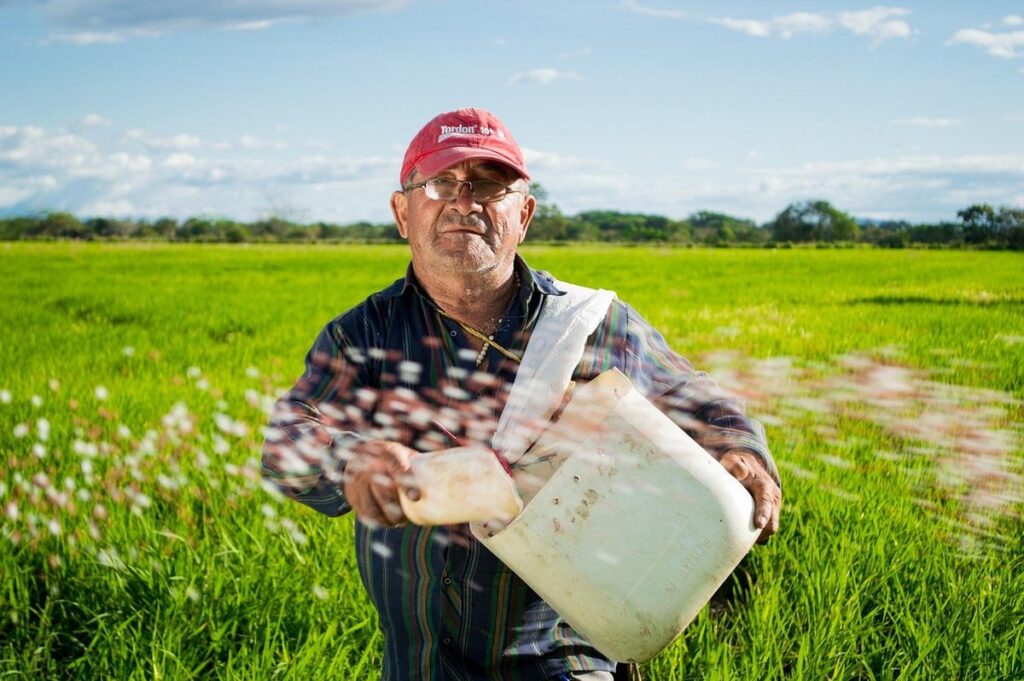
Consider a farmer tending to their crops. They sow seeds at the right time, provide adequate water and nutrients, and protect them from pests and diseases. As they reap what they’ve sown, they harvest a bountiful crop that will sustain themselves and others for months to come. This process mirrors our own lives, where the choices we make today will yield results in the future.
The same principle applies to natural disasters like hurricanes or wildfires. These events can be seen as reaping the consequences of years of neglect, pollution, or poor land management.
Types of Seeds: Understanding What We Plant
Let’s dive into the different types of seeds, including heirloom, hybrid, and organic varieties, to better understand what we plant in our gardens. Each type has its own unique characteristics and benefits.
Physical Seeds vs. Spiritual Seeds
When we think about seeds, we often visualize the physical kind – tiny, green, and bursting with potential. These seeds are easily identifiable as they germinate into plants, flowers, or trees that bring life to our surroundings. However, there’s another type of seed that is just as vital yet invisible to the naked eye: spiritual seeds.
Physical seeds are tangible, whereas spiritual seeds are intangible. The former are planted in a garden, fed with water and sunlight, and nurtured until they bear fruit. Conversely, spiritual seeds are sown through our actions – good deeds, kindness, compassion, or bad habits like gossiping, jealousy, or dishonesty. They germinate within us, influencing the way we live, interact with others, and ultimately shape our character.
To illustrate this concept, consider a person who consistently helps those in need. Each act of charity is akin to planting spiritual seeds that grow into empathy, love, and generosity. On the other hand, engaging in gossip or speaking negatively about others can sow weeds that choke out positive growth. Recognize that your thoughts and actions have the power to either nourish or deplete the soil of your soul.
The Importance of Quality Over Quantity
When it comes to planting seeds, many gardeners focus on the number of seeds they sow rather than the quality of those seeds. However, it’s crucial to remember that quality is just as important as quantity when it comes to sowing and reaping.
Think about it this way: would you rather have a handful of high-quality, disease-resistant seeds or a bag full of low-quality seeds that may not even germinate? Of course, the former option offers better results in the long run. High-quality seeds can lead to healthier plants, more abundant yields, and less maintenance for you as a gardener.
To ensure quality over quantity, make sure to choose reputable seed sources, read seed labels carefully, and follow proper storage techniques. For example, if you’re sowing heirloom seeds, look for varieties that are known for their disease resistance and adaptability to your local climate. By prioritizing quality, you’ll set yourself up for success and enjoy a more rewarding gardening experience in the end.
Harvest Time: Recognizing When to Reap
As you nurture your seeds and tend to your garden, it’s crucial to know when to stop watering and let nature take over – recognizing harvest time is a delicate balance. Here, we’ll guide you through that process.
Signs That It’s Time to Reap What You’ve Sown
As you continue on the timeline of sowing and reaping, it’s essential to recognize when it’s time to reap what you’ve sown. This is often referred to as “harvest time,” a period where the fruits of your labor are ready for collection.
So, how do you know if it’s harvest time? Look out for these signs: a season of abundance has come, and your actions have borne fruit. You may notice an increase in prosperity, whether that’s financial success, improved relationships, or personal growth. Your efforts have been rewarded, and the time to reap is now.
On the other hand, if your actions have resulted in negative consequences, it’s also harvest time – albeit not as desirable. Acknowledge the mistakes you’ve made and use them as opportunities for growth. Take responsibility for your decisions and learn from the experience. This too shall pass, but only by confronting and resolving the issues at hand.
In either case, harvest time is a crucial moment to reflect on your actions and their outcomes. It’s a chance to reap the rewards of your hard work or make amends for past mistakes.
The Dangers of Delayed or Missed Opportunities
When you delay or miss out on harvest times, the consequences can be severe and far-reaching. Imagine planting a garden with the expectation of reaping juicy fruits and vegetables, only to find that the season has passed and the plants have wilted away. This is not just a metaphor; it’s a reality that many people face in their personal and professional lives.
The dangers of delayed or missed opportunities are twofold. Firstly, you risk losing valuable resources – time, money, effort – that could have been invested elsewhere to achieve better results. Secondly, and more importantly, you may miss out on the very benefits and rewards that motivated you to start in the first place. For instance, a business owner who delays launching a new product may find themselves being left behind by competitors, or a student who procrastinates studying for an exam may not meet their academic goals.
To avoid these risks, it’s essential to cultivate a mindset of timely action and continuous evaluation. Regularly assess your progress, identify potential pitfalls, and make adjustments as needed. This proactive approach will help you stay on track, seize opportunities when they arise, and reap the rewards that come with them.
Overcoming Obstacles: How to Stay on Track
As you navigate life’s cycles, staying focused and motivated is crucial when facing obstacles that threaten to derail your progress toward sowing and reaping. This section offers practical advice for overcoming common challenges.
Common Challenges That Can Derail Our Progress
We’ve all been there – we put in the effort, but somehow things don’t quite turn out as expected. The seeds of our hard work and dedication are sown, but they’re not yet ripe for harvest. Common challenges that can derail our progress in this cycle include a lack of patience or perseverance.
One major obstacle is giving up too soon. When we’re not seeing immediate results, it’s tempting to throw in the towel and abandon our efforts. However, true success often requires months, even years, of consistent effort before we see tangible rewards. Think of it like planting a tree – you can’t expect to see branches and leaves sprouting overnight, but with time and care, they will come.
Another challenge is comparing ourselves to others. We’ve all been guilty of it at some point or another – looking around at what others have achieved and feeling envious or discouraged by our own perceived lack of progress. But the truth is, everyone’s journey is unique, and comparisons are unfair to both ourselves and others. Instead of focusing on where we’re not, let’s concentrate on the progress we’ve made so far and celebrate small victories along the way.
Strategies for Staying Focused and Motivated
As you navigate the timeline of sowing and reaping, it’s essential to stay committed to your goals despite the inevitable challenges that arise. Life is full of unexpected twists and turns, but with the right strategies, you can remain focused and motivated.
To maintain momentum, break down your long-term goals into smaller, manageable tasks. This will help you see progress along the way and celebrate small victories, which in turn boosts motivation. For instance, if your goal is to start a garden, begin by preparing the soil, then planting seeds, and finally nurturing them until harvest.
Additionally, establish a daily routine that prioritizes self-care and productivity. Allocate time for reflection, prayer, or meditation to recharge and reconnect with your purpose. This will help you stay grounded and focused on what’s truly important.
Finally, cultivate a support network of like-minded individuals who share your vision and goals. Surrounding yourself with positive influences can make all the difference in staying motivated and accountable. By implementing these strategies, you’ll be better equipped to overcome obstacles and stay on track throughout your journey.
Conclusion: Embracing the Cycle of Sowing and Reaping
As we conclude our exploration of the timeline of sowing and reaping, let’s reflect on how embracing this cycle can bring balance and fulfillment to our lives.
Recap of Key Takeaways
As we conclude our exploration of the timeline of sowing and reaping, it’s essential to recap the key takeaways that will help you navigate this cycle effectively. By now, you understand that the cycle is not a linear process but rather an ongoing loop where every action has consequences.
We’ve discussed how everything in life follows the principle of cause and effect. Every decision, action, or non-action sets off a chain reaction that leads to a specific outcome. For instance, if you invest time and resources into learning a new skill (sowing), you can expect to reap the benefits of increased knowledge and opportunities.
We also emphasized the importance of patience and persistence in the sowing process. It’s not about getting instant gratification but rather cultivating habits and making consistent efforts towards your goals. By doing so, you’ll increase your chances of reaping a bountiful harvest in the long run.
Personal Reflections: Applying the Principle in Our Lives
As we’ve explored the timeline of sowing and reaping, it’s time to reflect on how this principle can be applied in our personal lives. Take a moment to consider the seeds you’re planting today – are they nourished with love, care, and attention? Will they grow into vibrant harvests or wither away from neglect?
Think about your relationships, career, and goals: what efforts are you putting forth now that will yield results later on? Remember, every action, word, and decision has consequences. By applying the principle of sowing and reaping, we can transform our lives in profound ways.
Start by setting clear intentions for what you want to achieve and then take deliberate steps towards those goals. Nurture your relationships with kindness, patience, and empathy. Focus on developing a growth mindset, embracing challenges as opportunities for growth.
As you cultivate positive habits and attitudes, you’ll begin to reap the rewards of your labor – greater fulfillment, increased joy, and deeper connections with others. Don’t be discouraged by setbacks or failures; instead, learn from them and use those experiences to refine your approach. By integrating the principle of sowing and reaping into your daily life, you’ll experience a more purposeful, fulfilling existence.
Frequently Asked Questions
How do I apply the principle of sowing and reaping to my finances?
Applying the principle of sowing and reaping to your finances means being mindful of how you handle your money. Before spending, ask yourself: “What am I planting?” Are you investing in assets that will yield long-term benefits or consuming on things that may only provide short-term gratification? Consider budgeting, saving, and investing wisely to reap financial rewards.
Can the principle of sowing and reaping be applied outside a biblical context?
Yes. While the concept originated in the Bible, it can be applied universally. The idea is that every action has consequences, whether good or bad. In a non-spiritual context, this means being aware of cause-and-effect relationships in various areas of your life, such as health, relationships, or career.
How do I recognize when to reap what I’ve sown?
Recognizing the right moment to reap can be tricky. Signs that it’s time to harvest include seeing tangible results from your efforts, noticing improvements in your circumstances, and feeling a sense of accomplishment. However, don’t confuse these with mere coincidences or temporary boosts; true reaping comes from sustained effort and wise decision-making.
What are some common mistakes people make when trying to apply the principle of sowing and reaping?
One common mistake is expecting immediate results without putting in the necessary work. Others might focus too much on quantity over quality, neglecting the value of long-term investments. Additionally, not being patient or flexible can lead to missed opportunities. Stay aware of these pitfalls and adjust your approach accordingly.
How can I overcome procrastination when working towards a long-term goal?
To overcome procrastination, break down large goals into smaller, manageable tasks. Create an action plan and set achievable milestones. Use the principle of sowing and reaping as motivation: remember that every effort counts, and consistent progress will eventually yield desired results. Stay focused on your vision and celebrate small victories along the way.