
When it comes to gardening and farming, few things can make as big an impact on soil fertility, crop yields, and waste reduction as using time release compost accelerators. These clever products help break down organic matter at a steady rate, providing your plants with a consistent supply of essential nutrients. By incorporating a time release compost accelerator into your routine, you can say goodbye to nutrient deficiencies and hello to healthier, more resilient crops.
In this article, we’ll delve into the benefits and best practices of using time release compost accelerators, including how they work, their advantages over traditional composting methods, and tips for getting the most out of them. Whether you’re a seasoned farmer or a beginner gardener, you’ll learn how to harness the power of these innovative products to take your soil health and crop yields to the next level.
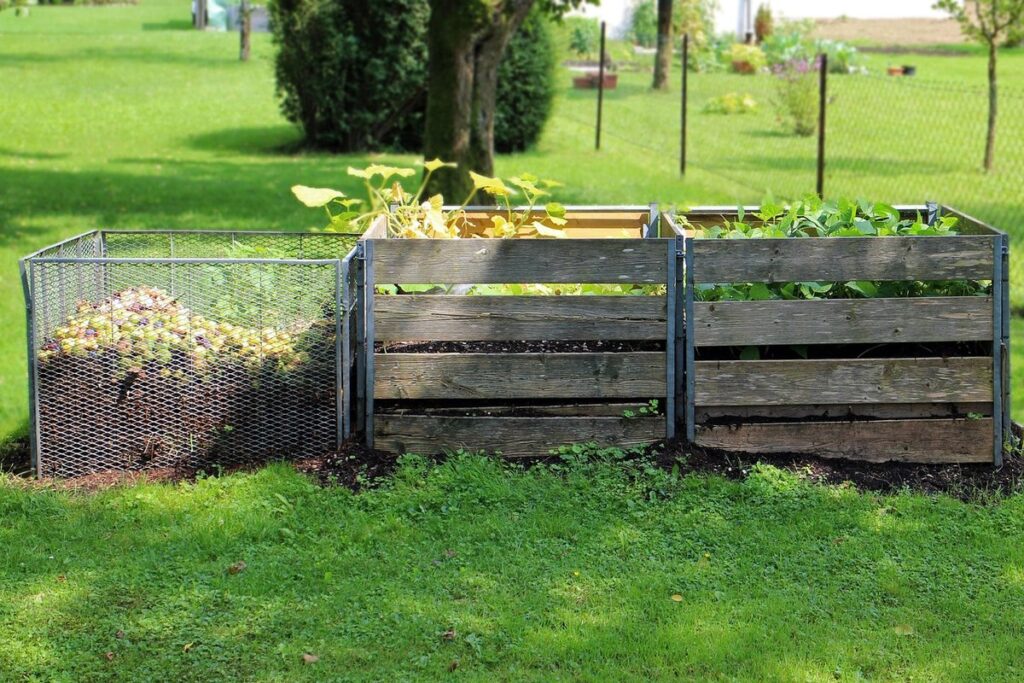
What is Time Release Compost Accelerator?
So, you’re curious about what time release compost accelerator actually is and how it works its magic on your garden’s soil. Let’s dive into the basics of this innovative product!
Definition and Purpose
A time release compost accelerator is a specially designed additive that enhances the decomposition process of organic materials, such as food waste and yard trimmings, into nutrient-rich compost. Typically composed of natural ingredients like microorganisms, enzymes, and other beneficial agents, this product works by releasing its active components over an extended period.
This allows for efficient breakdown of complex organic matter without the need for frequent turning or monitoring, saving gardeners time and effort. When applied to compost piles, time release accelerators stimulate microbial activity, promoting faster carbon-to-nitrogen ratios balance and resulting in healthier soil structure. By leveraging this technology, gardeners can create high-quality compost with reduced odors and moisture levels.
It’s essential to note that not all compost accelerators are created equal; look for products containing beneficial microorganisms like Trichoderma or Bacillus, which have been scientifically proven to enhance decomposition rates. When selecting a time release accelerator, consider the specific needs of your garden and climate conditions to ensure optimal results.
Benefits of Using Time Release Compost Accelerator
Using time release compost accelerators can bring numerous benefits to your gardening efforts. One of the primary advantages is improved soil fertility. These accelerators help to increase the nutrient levels in the soil, which leads to healthier plant growth and more vibrant colors. For instance, a study on using time release compost accelerators showed a significant increase in soil organic matter content, resulting in better water retention and reduced erosion.
By utilizing these accelerators, you can also reduce waste generated from decaying organic materials. Instead of letting food scraps and yard trimmings decompose slowly, the accelerator helps break them down more quickly, reducing their volume and minimizing the space needed for composting. This is not only convenient but also environmentally friendly, as it reduces the amount of waste sent to landfills.
In addition to these benefits, using time release compost accelerators can lead to increased crop yields. By enriching the soil with essential nutrients, you’re providing your plants with the necessary tools to thrive. According to a case study on urban gardening, using time release compost accelerators resulted in a 25% increase in crop yield compared to traditional composting methods.
How Time Release Compost Accelerator Works
So, you’re wondering how time release compost accelerator actually works its magic to give your garden a nutrient boost. Let’s take a closer look at the science behind it.
Mechanism of Action
When you add time release compost accelerator to your soil, it sets off a series of events that stimulate microbial activity and break down organic matter. The unique formula contains slow-release nitrogen, phosphorus, and potassium nutrients that provide a steady supply of food for beneficial microbes.
As microorganisms feed on the nutrients, they multiply rapidly, colonizing the soil ecosystem. This process creates an ideal environment for optimal nutrient uptake by plants, resulting in healthier growth and increased yields.
The slow release mechanism ensures that nutrients are available as needed, avoiding spikes or deficiencies that can stress plants and harm microbial populations. As organic matter breaks down, the resulting humus stores water, aeration, and essential nutrients, creating a fertile soil structure that supports long-term garden health.
For example, consider using 1-2 pounds of time release compost accelerator per 100 square feet of garden bed. Apply it at planting or as needed to maintain optimal microbial populations and nutrient levels throughout the growing season.
Factors Influencing Composting Process
The composting process is heavily influenced by environmental factors that can either hinder or hasten its progression. Temperature, moisture, and aeration are critical components to consider when attempting to speed up the composting process.
Temperature plays a significant role in determining the rate at which decomposition occurs. If it’s too low, microorganisms won’t be able to function optimally, while excessive temperatures can lead to anaerobic conditions that produce unpleasant odors. Time release compost accelerators help maintain a consistent temperature range by releasing nutrients as needed, promoting healthy microbial growth.
Moisture levels also significantly impact the composting process. If it’s too dry, decomposition slows down, while excessive moisture leads to anaerobic conditions. Compost accelerators can regulate water intake, ensuring that microorganisms always have an optimal environment for breakdown.
Aeration is equally crucial as oxygen prevents anaerobic conditions from arising and promotes aerobic activity. Time release compost accelerators help maintain a balance between these factors, providing a conducive atmosphere for decomposition to occur efficiently. By mitigating the impact of environmental factors, you can significantly speed up the composting process and create nutrient-rich fertilizer that’s perfect for your garden.
Types of Time Release Compost Accelerators
There are several types of time release compost accelerators available, each with its own unique benefits and advantages that can help take your garden to the next level. Let’s explore these options in more detail.
Organic vs. Synthetic Options
When it comes to time release compost accelerators, you have two main options: organic and synthetic. While both can help speed up the composting process, they work differently and come with their own set of benefits and drawbacks.
Organic time release compost accelerators are made from natural ingredients such as molasses, humic acids, or kelp extracts. These products promote healthy microbial growth and provide essential nutrients to your soil. The advantages of using organic options include improved soil structure, increased fertility, and a more balanced ecosystem. However, they can be more expensive than synthetic alternatives and may require repeated applications.
Synthetic time release compost accelerators, on the other hand, are made from chemical compounds that slowly release fertilizers as they break down. They offer faster results compared to organic options but can also harm your soil’s health if used excessively. Some potential risks associated with synthetic products include over-fertilization, contamination of groundwater, and negative impacts on beneficial microorganisms.
Ultimately, the choice between organic and synthetic time release compost accelerators depends on your specific garden needs and preferences. If you prioritize long-term soil health and want to avoid harsh chemicals, opt for an organic option.
Other Materials Used in Compost Acceleration
In addition to time release compost accelerators, there are other materials that can enhance the composting process and promote a healthy garden ecosystem. One such material is beneficial microbes, which are living organisms that help break down organic matter into nutrient-rich soil amendments. These microbes, often referred to as “good bacteria,” can be added to your compost pile or directly to the soil to support soil health.
Another option is enzymes, which are biological molecules that facilitate chemical reactions in the composting process. Certain types of enzymes, such as proteases and lipases, can help break down complex organic compounds into simpler nutrients. Enzyme-based additives can be used in conjunction with time release accelerators to create a powerful composting system.
Other additives, like kelp meal or feather meal, can also be used to enhance the composting process. These materials are rich in micronutrients and can help support beneficial microbial populations. When selecting these materials, it’s essential to choose products that are specifically designed for use in composting and follow the manufacturer’s instructions for application rates and timing.
Choosing the Right Time Release Compost Accelerator for Your Garden
When selecting a time release compost accelerator, there are several factors to consider that will help you make an informed decision for your garden’s specific needs. Let’s break down these key considerations together.
Soil Type Considerations
When choosing a time release compost accelerator for your garden, it’s essential to consider the type of soil you’re working with. Different soils respond differently to these products, and selecting the right one can make all the difference in their effectiveness.
For example, if you have clay soil, which tends to retain moisture and nutrients, a time release compost accelerator that releases its active ingredients quickly is ideal. This will help to break down the clay particles and improve drainage, making it easier for roots to absorb essential nutrients.
On the other hand, sandy soils often require more nutrient-rich fertilizers because they drain too quickly, leaving little time for water to carry nutrients to the roots. In these cases, a slower-releasing compost accelerator is more suitable, providing a steady supply of nutrients over an extended period.
If you have loamy soil, which balances the best characteristics of clay and sandy soils, a balanced time release compost accelerator with a moderate release rate will suffice. Ultimately, understanding your soil type and selecting a product that caters to its specific needs will ensure optimal results from your time release compost accelerator.
Crop-Specific Requirements
When it comes to selecting the right time release compost accelerator for your garden, it’s essential to consider the specific needs of the crops you’re growing. Different plants have varying requirements when it comes to nutrient uptake and soil health.
For example, tomatoes are heavy feeders and require a lot of nutrients, especially potassium, nitrogen, and phosphorus. In this case, a time release compost accelerator with a high nitrogen content would be suitable. On the other hand, delicate herbs like basil and mint prefer well-draining soil with minimal fertilization. For these plants, a balanced or low-nitrogen time release compost accelerator is recommended.
Leafy greens such as lettuce and spinach also benefit from a balanced fertilizer that promotes root growth and healthy foliage development. In contrast, fruiting crops like strawberries and blueberries require more phosphorus to promote blooming and fruit production. By understanding the specific needs of your crops, you can choose the right time release compost accelerator to boost their health and productivity.
Preparing and Applying Time Release Compost Accelerator
To effectively boost your garden’s health, it’s essential that you prepare and apply time release compost accelerator correctly. This guide will walk you through the preparation and application process step by step.
Pre-Treatment of Materials
Before adding time release compost accelerator to your organic materials, it’s essential to pre-treat them properly. This step may seem like a hassle, but trust us, it makes all the difference in the world. Pre-treating your materials ensures that they break down evenly and efficiently when the accelerator is added.
Firstly, remove any large debris or contaminants from your compost pile. This includes twigs, roots, and weeds with seeds. You’d be surprised at how much of a hindrance these can be to the decomposition process. Next, shred your organic materials into smaller pieces. This will increase their surface area, allowing for faster breakdown.
Also, make sure to balance the carbon-to-nitrogen ratio in your compost pile. A general rule of thumb is to aim for 2/3 “brown” materials (dried leaves, straw) and 1/3 “green” materials (grass clippings, food waste). This balance will ensure that microorganisms have enough nutrients to break down the materials efficiently.
Application Rates and Timing
To achieve optimal results with Time Release Compost Accelerator, it’s essential to apply it at the right rates and timing. As a general rule of thumb, start by applying 1-2% of the recommended rate for your first application. This means if you’re using a 10-pound bag of accelerator, begin with 1/5 to 1/4 pound per 100 square feet.
For optimal results, apply Time Release Compost Accelerator at the beginning of the growing season, just before planting. This allows it to work in tandem with your plants as they establish themselves and start their growth cycle. For existing gardens, apply it after a thorough soil preparation, followed by an initial watering-in period.
In terms of frequency, follow the recommended application schedule provided on the product label or consult with a gardening expert if you’re unsure. Typically, this means reapplying every 3-6 months to maintain consistent soil health and fertility levels.
Monitoring and Maintaining a Healthy Soil Ecosystem
To ensure the long-term benefits of your time release compost accelerator, it’s essential to monitor and maintain a healthy soil ecosystem that supports optimal microbial activity. This section will guide you through key maintenance strategies.
Signs of Effective Composting
When you notice these signs of effective composting, it’s clear that your Time Release Compost Accelerator is working its magic. Improved soil structure is one of the most visible indicators that decomposition is occurring efficiently. Imagine digging into your garden and finding a dark, crumbly earth with an abundance of beneficial microbes at work – this is the sign of excellent composting.
Increased microbial activity is another crucial sign that suggests your compost is thriving. As microorganisms break down organic matter, they release carbon dioxide and water vapor into the air. Look for visible signs like bubbles in the compost pile or a sweet earthy aroma wafting from it.
As you monitor your compost’s progress, keep an eye out for enhanced plant growth and improved crop yields. Healthy roots grow faster, and nutrient-absorbing roots become more efficient with a well-balanced soil ecosystem. With effective composting, you’re essentially feeding the very foundation of your garden – fostering a cycle of sustainability that benefits both plants and the environment.
Common Issues and Solutions
When using time release compost accelerators, you may encounter some common issues that can affect the overall health of your garden. One of the most noticeable problems is unpleasant odors emanating from the soil. This often occurs when there’s an excess amount of nitrogen being released too quickly, causing anaerobic conditions that lead to foul smells.
To resolve this issue, monitor your compost accelerator’s usage and adjust the application rate accordingly. It’s also essential to balance the carbon-to-nitrogen ratio in your compost pile by incorporating more “brown” materials like leaves or shredded newspaper.
Another common concern is pest infestations, which can be a result of excessive moisture and nutrient availability in the soil. To minimize this risk, ensure proper drainage and aeration around your plants, and avoid overwatering.
Nutrient deficiencies are another problem that may arise when using time release compost accelerators. This usually occurs if the product is not formulated correctly or if it’s being used on soils with existing nutrient imbalances. Solve this issue by conducting soil tests to determine the specific nutrient requirements of your garden, and choosing a compost accelerator that addresses these needs.
To minimize odors, pests, and nutrient deficiencies in your garden, keep a watchful eye on your plants’ overall health and adjust your compost accelerator usage accordingly.
Case Studies: Real-World Examples of Time Release Compost Accelerator Success
Let’s take a look at how real gardeners have successfully used time release compost accelerators to improve their soil and grow healthier plants in various conditions.
Successful Gardening Projects
Let’s take a look at some inspiring stories of gardeners who’ve transformed their soil with the help of time release compost accelerators. Sarah from California is one such example. She was struggling to grow healthy fruits and veggies due to poor soil quality, but after incorporating a time release compost accelerator into her gardening routine, she noticed a significant improvement in just a few weeks. Her plants’ growth rates increased by 30%, and the produce turned out sweeter and more nutritious than ever before.
Another gardener, Mark from Australia, used a time release compost accelerator to revitalize his depleted garden soil. He applied it according to the manufacturer’s instructions and waited for three months to see the results. To his surprise, the previously struggling plants began thriving, and the once-barren areas of the garden started producing lush greenery.
One common trait among successful gardeners using time release compost accelerators is their attention to detail. They understand that this product works best when used in conjunction with proper soil preparation and regular monitoring of nutrient levels. By following these simple guidelines and allowing the accelerator to work its magic over a period, even the most challenging garden conditions can be transformed into thriving ecosystems.
Lessons Learned from Case Studies
When reviewing the case studies on time release compost accelerator success, several key takeaways emerge that can inform and improve implementation strategies. One of the most significant lessons is the importance of proper dosing. A study conducted by a small-scale farmer found that applying too little time release compost accelerator resulted in inconsistent results, while overapplication led to excessive nutrient buildup. This highlights the need for careful measurement and calibration.
Another critical factor is soil type and condition. A case study on urban agriculture demonstrated that time release compost accelerator was more effective when applied to sandy soils, which tend to drain quickly and can benefit from extra nutrient retention. Conversely, clay soils may require a different approach or timing due to their unique water-holding capacity.
Implementation strategies also vary depending on the specific needs of each garden. For example, a study on greenhouse production found that time release compost accelerator was most effective when applied in conjunction with drip irrigation systems, which allowed for targeted nutrient delivery. By considering these variables and adapting implementation plans accordingly, gardeners can maximize the benefits of time release compost accelerators and achieve healthier soil and plants.
Frequently Asked Questions
Can I use time release compost accelerators with existing compost piles?
You can, but it’s essential to follow the manufacturer’s instructions for proper integration. Typically, you’ll need to mix a small amount of accelerator into your compost pile at the beginning or during the decomposition process. This will help speed up the breakdown and create a nutrient-rich environment for your plants.
How often should I apply time release compost accelerators?
Application frequency depends on various factors, including soil type, climate, and specific product guidelines. Generally, you’ll want to apply accelerators as needed, monitoring the composting process and adjusting application rates accordingly. Regular applications can help maintain optimal nutrient levels and support continuous soil health.
What if I notice mold or unpleasant odors after using time release compost accelerators?
This is a common concern! Yes, mold and odor issues may arise due to increased microbial activity. To mitigate these problems, ensure proper air circulation around your compost piles and apply accelerators in moderation. Regularly turn the pile to maintain even decomposition and balance.
Can I use time release compost accelerators with organic vs. synthetic fertilizers?
It’s generally recommended to choose products that align with your overall gardening philosophy (organic or synthetic). However, if you’re transitioning from one approach to another, it’s best to phase out existing materials and introduce new ones gradually to avoid disrupting the soil ecosystem.
How do I know which type of time release compost accelerator is right for my garden?
When selecting a product, consider factors like soil type, climate, crop requirements, and specific nutrient needs. Research different types of accelerators (e.g., microbe-based or enzyme-focused) and choose one that complements your existing gardening practices.