
Are you ready to take your gardening game to the next level? Building tiered raised beds is an excellent way to maximize space, reduce labor, and grow a variety of plants in harmony. Whether you’re a seasoned gardener or just starting out, creating these multi-level planters can be a fun and rewarding project. But before you start digging, it’s essential to have a solid plan in place.
In this comprehensive guide, we’ll walk you through the process of designing and planning your tiered raised bed, from selecting the perfect location to choosing the right materials and layout. We’ll also cover essential tips for maintenance and upkeep, so you can enjoy a thriving garden all season long. By the end of this article, you’ll have everything you need to create stunning tiered raised beds that will impress friends and family alike!
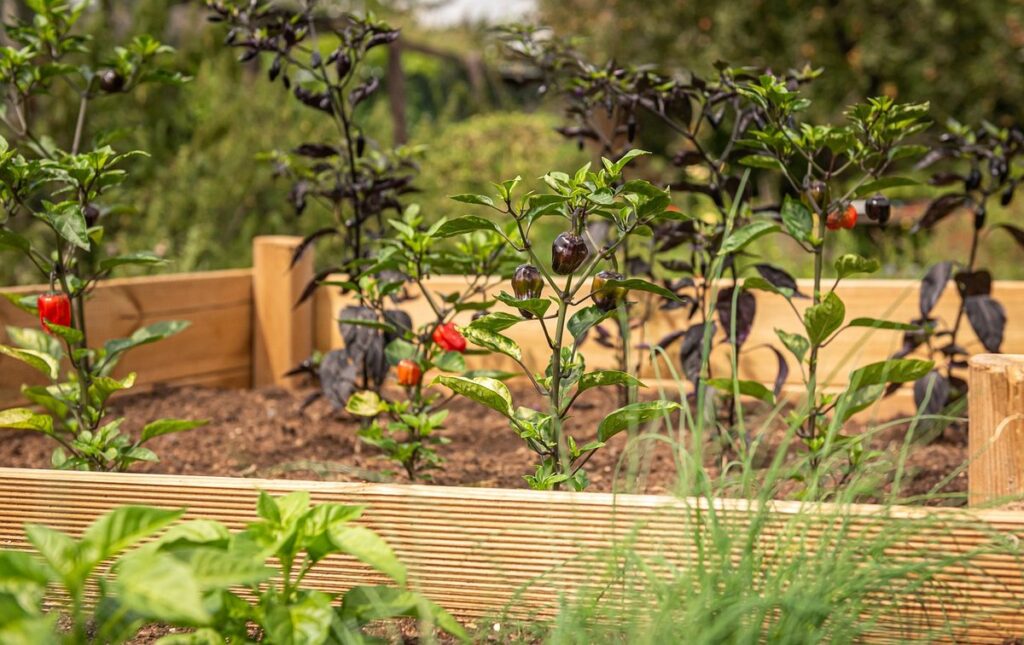
Benefits and Advantages of Tiered Raised Beds
Now that we’ve covered designing and building your tiered raised bed, let’s explore the advantages of using a multi-level plan for your garden. This section highlights the key benefits of incorporating tiered raised beds into your outdoor space.
Improved Accessibility and Maintenance
One of the most significant advantages of tiered raised beds is their improved accessibility and maintenance. For individuals with mobility issues or limited strength, gardening can be a daunting task. Traditional raised beds often require bending, lifting, and reaching, which can be challenging for those who struggle with these physical demands.
Tiered raised beds offer a practical solution to this problem by breaking up the growing space into multiple levels, each accessible via stairs or ramps. This design allows gardeners to easily move around and tend to their plants without straining themselves. For example, someone using a walker can simply step onto the next level to water plants, eliminating the need for bending or stretching.
In addition to improved accessibility, tiered raised beds also reduce maintenance tasks by providing easy access to different levels. This means gardeners can quickly inspect and harvest crops from each level without having to navigate a large growing area. By incorporating multiple levels, you can create a more efficient and enjoyable gardening experience that’s accessible for everyone.
Space Efficiency and Versatility
One of the most significant advantages of tiered raised beds is their space efficiency and versatility. By stacking multiple levels, you can grow a variety of plants in a small area, making it an ideal solution for compact gardens or urban spaces.
For example, you can dedicate the top level to leafy greens like lettuce and kale, which prefer cooler temperatures and don’t require much depth. Meanwhile, the middle tier can be used for root vegetables like carrots and beets, while the bottom level is perfect for larger plants like tomatoes and cucumbers. This multi-level approach allows you to maximize your garden’s yield and make the most of available space.
To create a visually appealing design, consider adding trellises or supports between levels to promote vertical growth and add texture. You can also use different materials or colors for each tier to create visual interest and break up the space. By getting creative with your tiered raised bed design, you’ll not only save space but also create a stunning garden feature that will be the envy of your neighbors.
Cost-Effective and Customizable
Building a tiered raised bed can be a cost-effective solution for gardeners on a budget. Pre-made tiered raised beds can range from $50 to over $200, depending on the size and quality of the materials. In contrast, building your own tiered raised bed can save you money in the long run.
To give you an idea, a 3-tiered raised bed made from cedar lumber costs around $150 for the materials alone. This works out to about $50 per tier. However, with some basic carpentry skills and a few tools, you can build your own tiered raised bed using reclaimed wood or budget-friendly alternatives like pine.
Customization is another significant advantage of building your own tiered raised bed. You can choose the size, shape, and materials that fit your specific needs and preferences. For example, if you have limited space, you can design a compact tiered raised bed that fits into a corner of your garden. Additionally, you can incorporate features like built-in planters or trellises to create a unique and functional design.
By building your own tiered raised bed, you not only save money but also get the flexibility to tailor your design to suit your specific needs.
Design Considerations for Tiered Raised Beds
When building tiered raised beds, there are several key design considerations to keep in mind to ensure your garden is both functional and visually appealing. Let’s break down what you need to think about.
Choosing the Right Materials
When it comes to building tiered raised beds, choosing the right materials is crucial. You’ll want to select options that are durable, sustainable, and suitable for your climate. Let’s break down some of the most popular materials used for tiered raised beds: wood, composite materials, and recycled plastic.
Wood is a classic choice for gardening projects, but it requires regular maintenance to prevent rot and insect damage. Cedar and redwood are popular options due to their natural resistance to decay. However, they can be expensive and may require additional sealing. Composite materials, on the other hand, offer improved durability and reduced maintenance needs. They’re often made from a combination of wood fibers and plastic.
Recycled plastic lumber is another eco-friendly option that’s highly resistant to rot and insect damage. It’s also lightweight and easy to install. When choosing your material, consider factors like budget, climate, and desired level of maintenance. Keep in mind that some materials may require more upfront investment but offer long-term cost savings due to their durability.
Measuring and Planning Your Garden Space
When designing a tiered raised bed plan, measuring and planning your garden space accurately is crucial to ensure that your design fits perfectly and meets your needs. To start, take precise measurements of your available garden space, including the length, width, and height constraints.
Consider not only the size of your yard but also any existing features like gardens, walkways, or other structures that may impact your tiered raised bed’s placement. Next, make a list of the plants you want to grow in each bed, considering factors such as sunlight requirements, mature plant sizes, and growth habits.
Use online garden planning tools or apps to help visualize your design and make adjustments accordingly. You can also create a sketch or drawing of your yard with measurements marked out to get an idea of where your tiered raised beds will fit.
Tips for Building a Sturdy Structure
When building a tiered raised bed, it’s crucial to create a sturdy structure that can support the weight of plants and soil. This will not only ensure the longevity of your garden but also prevent accidents and injuries. To achieve this, consider using reinforced frames for each tier. You can use 2×6 or 2×8 lumber for the frames, depending on the size of your bed, and attach them to the corners with screws.
To add extra stability, secure the tiers together with wooden brackets or metal connectors. This will prevent the tiers from shifting or collapsing under the weight of plants and soil. Make sure to attach the brackets or connectors firmly to both the upper and lower tiers.
When assembling the tiers, also consider using diagonal bracing for added support. This can be achieved by attaching a 2×4 piece of lumber between two corners of each tier, creating an “X” shape. By following these simple tips, you’ll create a sturdy and long-lasting tiered raised bed that will provide years of enjoyment in your garden.
Step-by-Step Instructions for Building Tiered Raised Beds
Now that you have your tiered raised bed plans, let’s get started on building your dream garden. This step-by-step guide will walk you through each stage of construction.
Preparing Your Garden Site
Before you begin building your tiered raised bed, it’s essential to prepare the garden site. Start by clearing the area of any debris, weeds, and existing plants. Use a rake or shovel to remove as much material as possible, and consider composting or disposing of it responsibly. This will give you a clean slate for designing and constructing your tiered beds.
Next, check for any underground utilities such as electric, gas, or water lines that may be buried beneath the surface. You can hire a professional to perform a utility survey or use online mapping tools to identify potential risks. It’s better to err on the side of caution and avoid damaging any hidden infrastructure.
Finally, level the ground to ensure it’s even and stable for your tiered raised beds. Use a spirit level and shovel to adjust the soil as needed, creating a smooth surface for construction. This will also help prevent water from pooling in certain areas, reducing the risk of erosion and other issues down the line.
Constructing the Base Frame
When constructing the base frame of your tiered raised bed, it’s essential to follow the plan carefully and ensure all components fit together correctly. Begin by cutting the main frame components according to your design specifications using a saw or a miter saw for accurate cuts.
You’ll typically need to cut four long sides and four short sides, depending on the size of your bed. Make sure to label each piece clearly so you can easily assemble them later. Cut the corners slightly at an angle (about 10-15 degrees) to create a snug fit between adjacent pieces.
Next, use screws or brackets to attach the frame components together. Start with the sides that will form the base of your tiered bed and work your way up. Double-check the measurements to ensure everything is square before moving on to the next step. If you’re using brackets, screw them into place first, then add the corresponding side pieces.
Adding Tiers and Filling with Soil
When building tiered raised beds, adding additional tiers is a crucial step to maximize space and create a thriving garden. To add a new tier, start by securing the base of the next tier to the one below it using screws or brackets. Ensure the top tier is level with the one beneath it to maintain even growth. You can use wooden slats, lattice panels, or other materials to separate each tier.
When filling the tiers with soil, mix in a blend of compost and well-rotted manure to enrich the soil’s fertility. A 2:1 ratio of compost to manure is an excellent starting point. Add a handful of fertilizer, such as bone meal or fish emulsion, to provide nutrients for your plants. If using untreated wood, consider adding a layer of weed barrier fabric between each tier to prevent weeds from growing into the bed below.
As you fill each tier, maintain a consistent depth of 6-8 inches to ensure optimal root growth. Water thoroughly after filling to settle the soil and prevent settling over time.
Tips for Maintenance and Upkeep
To keep your tiered raised bed garden thriving, regular maintenance is key. Here are some essential tips to ensure your beds stay healthy and productive throughout the growing season.
Watering and Irrigation Systems
When it comes to maintaining tiered raised beds, proper watering techniques are crucial. Unlike regular gardens, where water can spread and reach multiple areas, tiered raised beds require a more targeted approach. Overwatering can lead to root rot, while underwatering can cause crops to wither away.
To avoid these issues, implement a soak-and-dry cycle. Water each bed thoroughly until the soil is saturated, then allow it to dry slightly between waterings. This will encourage deep root growth and make your plants more resilient to drought.
Consider installing an irrigation system specifically designed for tiered raised beds. Drip irrigation systems are highly effective, as they deliver water directly to the roots of the plants, reducing evaporation and runoff. Alternatively, you can use a soaker hose or a sprinkler system with a timer to ensure consistent watering. By investing in a reliable irrigation system, you’ll save time and conserve water – a win-win for any gardener!
Pest and Disease Management
Managing pests and diseases in tiered raised beds requires attention to detail and proactive strategies. To start, maintain good hygiene practices by removing weeds, debris, and rotting plants, which can attract pests and harbor diseases. Regularly inspect your beds for signs of infestation or disease, such as holes in leaves, white powdery patches, or black spots.
Use natural deterrents to prevent pest issues. For example, planting marigolds around the perimeter of your tiered bed can repel nematodes, while basil and mint can deter aphids and whiteflies. You can also use neem oil or diatomaceous earth to control pests without harming beneficial insects.
To prevent disease outbreaks, ensure good air circulation by leaving space between plants and removing any diseased leaves. Water your tiered bed carefully, avoiding overhead watering that can splash water onto plant leaves and create an environment for fungal growth. By incorporating these strategies into your maintenance routine, you’ll be able to keep pests and diseases under control in your tiered raised beds.
Some key natural deterrents worth exploring include garlic spray, hot pepper spray, and soap solutions – all of which are gentle on plants but tough on pests.
Seasonal Care and Rotation
When it comes to maintaining your tiered raised bed, seasonal care is crucial for optimal growth and productivity. As the seasons change, so do the needs of your plants. To keep your tiered raised bed thriving, follow these essential tips.
First, understand that different plants have specific growing requirements based on temperature, humidity, and sunlight levels. In spring, focus on cool-season crops like lettuce, spinach, and peas, which prefer mild temperatures and consistent moisture. As summer approaches, warm-season crops such as tomatoes, peppers, and eggplants take center stage. These plants love the heat but require more frequent watering to prevent scorching.
To optimize your tiered raised bed’s performance, rotate your crops seasonally. This means swapping out cool-season crops for warm-season varieties or vice versa. Not only does this ensure a continuous harvest but also reduces soil depletion and pest buildup. For example, if you planted lettuce in the spring, consider moving to tomatoes or other warm-season crops in late spring or early summer.
Adjust your watering schedule as needed, taking into account changes in temperature and precipitation patterns. Aim for about 1-2 inches of water per week, either from rain or irrigation. Be cautious not to overwater, which can lead to root rot and other issues. By adapting to seasonal conditions and rotating your crops, you’ll keep your tiered raised bed healthy, productive, and thriving all year round.
Example Plans and Design Ideas
Let’s dive into some real-world examples of tiered raised bed plans that you can use as inspiration for your own garden project. We’ll explore various design ideas to suit different spaces and needs.
Inspiration from Real-Life Projects
Let’s take a look at some real-life projects that showcase the versatility and creativity of tiered raised beds. One such example is the “Rainbow Garden” project by blogger and gardener, Jenny Stockton. This beautiful garden features three interconnected tiers, each with its own unique theme and color scheme.
The lowest tier is dedicated to herbs and leafy greens, while the middle tier boasts a vibrant array of annuals and perennials in shades of pink and purple. The top tier is reserved for flowering plants and shrubs, creating a stunning visual display when in bloom.
What’s impressive about this project is how it maximizes vertical space and creates multiple layers of growth without compromising on aesthetics. By using a combination of trellises, arbors, and decorative planters, Jenny has created a visually striking garden that also provides structure for her plants to climb.
Another example worth mentioning is the “Trellised Tiered Bed” project by landscape designer, Mark Weiler. In this design, multiple tiers are connected via trellises, creating a sense of continuity while also providing support for climbing plants like peas and beans. This innovative use of space has become a staple in many backyard gardens, showcasing how tiered raised beds can be adapted to suit different climates and plant types.
By looking at real-life projects like these, you’ll gain inspiration for your own tiered raised bed plans. Don’t be afraid to think outside the box and get creative with your design – it’s amazing what a little imagination can do when it comes to repurposing space and turning your garden into a true masterpiece.
Customizing Your Plan to Suit Your Needs
Now that you have a basic tiered raised bed plan, it’s time to customize it to suit your specific needs and preferences. This is where the fun begins! You get to make adjustments based on factors such as the size of your garden, the types of plants you want to grow, and your personal style.
First, assess your available space and decide how many tiers you can fit comfortably. If you have limited space, consider a smaller plan or even a single-tier design. On the other hand, if you have plenty of room to spare, go ahead and build multiple tiers to create a stunning vertical garden feature.
Next, think about the types of plants you want to grow. Do you prefer herbs, vegetables, or flowers? Different plants require varying levels of sunlight, water, and maintenance, so choose plants that fit your lifestyle and climate. You can also customize the size and depth of each tier based on the mature size of your plants.
Consider adding features like built-in irrigation systems, trellises for climbing plants, or even a small seating area to make your tiered raised bed plan more functional and enjoyable. The possibilities are endless, so don’t be afraid to get creative!
Tips for Scaling Up or Down
When it comes to tiered raised bed plans, you might find yourself with varying amounts of space to work with. Perhaps you’re looking to scale up your design for a larger backyard or downsize it for a smaller urban garden. Either way, the good news is that adapting tiered raised beds to fit different spaces is relatively straightforward.
First, consider the footprint: when scaling up, think about adding more tiers or increasing the size of each tier. You can also use materials like reclaimed wood or composite decking to create a larger but still compact design. To scale down, focus on reducing the number of tiers or using smaller planters within each tier. This will not only save space but also reduce material costs.
Another key factor is structural integrity. Make sure that your tiered raised bed plan can support its own weight as well as any additional features like irrigation systems or trellises. You can do this by reinforcing the frame with sturdy materials and ensuring adequate drainage to prevent waterlogged soil. By following these simple tips, you can create a tiered raised bed plan that fits perfectly into your unique space, no matter how big or small it may be.
Troubleshooting Common Issues
You’ve built your tiered raised bed, but something just isn’t right – perhaps a wobbly shelf or uneven soil levels. Don’t worry, we’re here to help you troubleshoot common issues and get back on track!
Dealing with Soil Erosion and Water Drainage
Soil erosion and poor water drainage are two common issues that can arise when building tiered raised beds. When water accumulates between each tier, it can lead to a variety of problems including washed-away soil, damaged plants, and increased risk of pests and diseases. To prevent this issue, make sure to slope the tiers slightly towards a drainage point or install a built-in French drain system.
Another solution is to incorporate permeable materials like gravel or sand into the soil mix. This allows excess water to pass through and reduces the likelihood of puddling between tiers. It’s also essential to ensure that each tier has adequate drainage holes, about 2-3 inches apart, to prevent water from accumulating in one spot.
In addition to these physical solutions, consider incorporating plants with deep roots or those that thrive in moist conditions into your tiered raised bed design. These will help to naturally stabilize the soil and improve its ability to retain moisture, reducing erosion and improving overall drainage.
Handling Overcrowding and Competition
When it comes to handling overcrowding and competition in tiered raised beds, it’s essential to strike a balance between growing as many plants as possible and ensuring they have enough space to thrive. Overcrowding can lead to reduced air circulation, increased disease susceptibility, and decreased yields.
To avoid overcrowding, consider the mature size of each plant variety and leave sufficient space for growth. A general rule of thumb is to provide at least 12-18 inches between plants in a tiered raised bed. For example, if you’re growing tomatoes, which can spread up to 3 feet wide, make sure to place them on the outer edges of the bed or use trellises to contain their growth.
Minimizing competition for resources is also crucial. This can be achieved by grouping plants with similar watering and sunlight requirements together. For instance, pair sun-loving plants like marigolds or zinnias with vegetables that don’t mind full sun, such as tomatoes or peppers. By doing so, you’ll reduce the stress on each plant and promote healthy growth throughout your tiered raised bed garden.
Managing Pests and Diseases Effectively
When it comes to managing pests and diseases effectively in tiered raised beds, integrated pest management (IPM) techniques are a must. This holistic approach combines physical, cultural, biological, and chemical controls to minimize harm to the environment and your plants.
Start by monitoring your tiered bed regularly for signs of pests or diseases. Inspect the soil, leaves, and stems for any unusual growths or infestations. For example, if you notice tiny holes in the leaves or a sticky substance on the underside, it could be an aphid or scale issue.
To prevent pest issues, maintain good hygiene practices such as removing weeds, debris, and infected plants. Use physical barriers like fine mesh to keep pests out, and consider introducing beneficial insects like ladybugs or lacewings that prey on common garden pests.
If you do encounter a problem, choose the most targeted control method. For instance, for fungal diseases, try using neem oil or sulfur-based products. For pest control, use Bt (Bacillus thuringiensis) or insecticidal soap. Always follow product instructions and take necessary precautions to avoid exposure.
By adopting an IPM approach, you’ll be able to manage pests and diseases effectively in your tiered raised bed, ensuring a healthy and thriving garden for years to come.
Frequently Asked Questions
What are some common mistakes to avoid when building tiered raised beds?
When constructing your multi-level planters, be mindful of uneven soil levels, which can lead to waterlogging or poor drainage. Also, ensure that each tier is sturdy and securely attached to the one below it to prevent collapse.
Can I use a pre-made plan for my tiered raised bed design, or do I need to create my own?
You can definitely use a pre-designed plan as a starting point! Many online resources offer customizable templates and examples of tiered raised beds. However, be sure to adjust the measurements and layout according to your specific garden space and needs.
How often should I inspect and maintain my tiered raised bed structure?
Regular inspections are crucial for maintaining the integrity of your tiered raised bed. Check for any signs of damage or wear and tear on a weekly basis, making necessary repairs promptly. This will ensure your planters remain stable and continue to support healthy plant growth.
What are some creative ways to add lighting to my tiered raised bed garden?
Adding lighting can greatly enhance the aesthetic appeal of your multi-level garden. Consider installing solar-powered string lights or pathway lights along the tiers, which not only provide ambiance but also highlight specific plants or features.
Can I use recycled materials for building my tiered raised beds, and are there any specific considerations to keep in mind?
Using reclaimed wood or repurposed materials can be a fantastic way to give new life to old items while reducing waste. Just ensure the materials you choose are durable enough for outdoor use and will withstand varying weather conditions without compromising the structure’s stability.