
Pruning your thyme plants is an essential task to keep them looking their best. Not only does it improve their appearance, but it also helps to promote healthy growth and prevent disease risks. If you’re a seasoned gardener or just starting out, you know how frustrating it can be to watch your thyme plants become leggy and unkempt. But don’t worry, with the right techniques and knowledge, you can keep your thyme looking vibrant and full of life. In this comprehensive guide, we’ll cover everything you need to know about pruning thyme, from when to prune for optimal growth to how often to trim for air circulation and disease prevention. By the end of this article, you’ll be a pro at keeping your thyme plants thriving all season long.
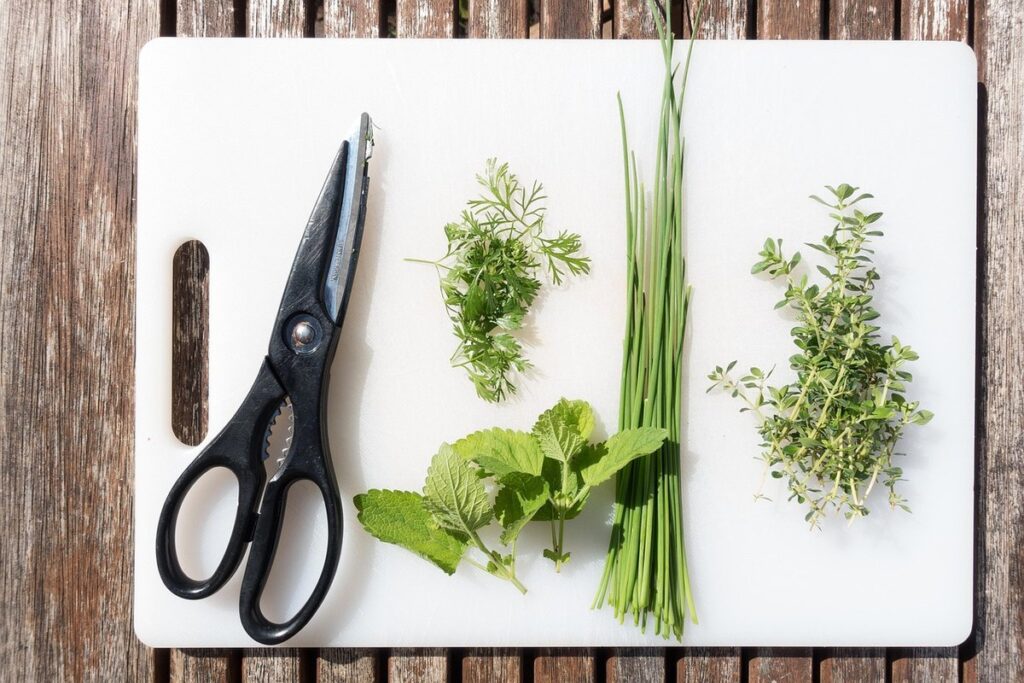
Benefits and Importance of Pruning Thyme
Pruning thyme not only enhances its appearance, but it also promotes healthy growth, prevents disease, and even encourages new flavor development in your favorite herbs. Let’s dive into these benefits!
Improving Air Circulation and Reducing Disease Risk
When you prune thyme, it’s not just about maintaining its shape and size – it also plays a crucial role in improving air circulation within the plant. Good airflow is essential for preventing disease and promoting healthy growth. As thyme plants are naturally compact and dense, they can be prone to moisture retention, creating an ideal environment for fungal diseases like root rot and leaf spot.
To improve air circulation, prune your thyme regularly by removing any dead or damaged leaves and stems. This will not only prevent the spread of disease but also encourage new growth and promote a bushy shape. Make sure to thin out the center of the plant, allowing for better airflow and sunlight penetration. By doing so, you’ll reduce the risk of disease and create an environment that’s conducive to healthy growth.
Additionally, prune your thyme in the spring or fall when it’s less active, as this will minimize stress on the plant and prevent it from going into shock. This simple yet effective pruning technique can make a significant difference in the overall health and well-being of your thyme plants.
Enhancing Appearance and Shape
When you regularly prune thyme, it not only helps maintain its health and vigor but also gives it an attractive appearance. One of the most significant benefits of pruning thyme is that it encourages bushy growth by promoting lateral branching. This means that instead of growing leggy and tall, your thyme plant will develop a fuller shape with more leaves and flowers.
To achieve this, prune your thyme plant back to about one-third to one-half of its height after flowering has finished for the season. This will stimulate new growth from the base of the plant, resulting in a bushier appearance. You can also trim off any leggy stems or branches that are growing beyond the desired shape.
By pruning your thyme regularly, you’ll not only enjoy its fragrance and flavor but also have a neat and attractive addition to your garden or indoor space. Remember, regular pruning is an essential part of maintaining healthy and thriving thyme plants.
When to Prune Thyme
Pruning at the right time is crucial for thyme’s overall health and productivity, so let’s dive into when exactly you should be pruning your thyme plants.
Seasonal Timing for Optimal Results
Pruning thyme at the right time is crucial to encourage healthy growth and prevent disease. As a general rule, thyme typically requires pruning in late winter or early spring, depending on your climate and region. In warmer climates with mild winters, you can prune thyme as soon as the threat of frost has passed, usually around late February or early March.
In colder regions, it’s best to wait until late winter, when the plant is still dormant but starting to show signs of new growth. This allows the thyme to focus its energy on producing new shoots and stems rather than defending itself against cold temperatures. Prune your thyme in late winter or early spring when the plant is about 1-2 inches tall.
When pruning, remove any dead or damaged leaves, cutting them back to about one-third of their length. This will help promote healthy growth and prevent disease from spreading. Be sure to prune your thyme at a 45-degree angle, making clean cuts just above a node (where a leaf meets the stem).
Identifying Dead or Dying Branches
When pruning thyme, it’s crucial to identify and remove dead or dying branches. These branches can serve as breeding grounds for diseases that can spread to the rest of the plant. One way to spot these branches is by looking for signs of decay, such as soft spots, cracks, or a lack of greenery.
To inspect your thyme plant, gently run your fingers over its stems and foliage. If you notice any areas that feel brittle or fragile, it’s likely a dead or dying branch. Remove the affected area with clean pruning shears to prevent the spread of disease. Cut just above a node, making sure to leave at least two sets of leaves on the stem.
Regularly inspecting your thyme plant and removing dead branches will help maintain its overall health and encourage new growth. This process is especially important during periods of stress or environmental change, when plants may be more susceptible to disease.
Techniques and Tools for Pruning Thyme
Now that you’ve learned when and why to prune your thyme, let’s dive into the techniques and tools you’ll need to keep it thriving. Proper pruning is essential for a healthy and fragrant thyme plant.
Hand Pruning vs. Mechanical Methods
When it comes to pruning thyme, you have two main options: hand pruning with scissors or pinchers, and mechanical methods like loppers or pruning saws. Both techniques have their own advantages and disadvantages, and the choice ultimately depends on the thickness of the stems and personal preference.
Hand pruning is a great way to prune thyme for smaller plants or delicate tips. Using scissors or pinchers allows you to make precise cuts and avoid damaging the plant’s sensitive leaves. This method is also ideal for shaping the plant’s form and promoting new growth. For example, if you want to encourage a bushy habit, simply pinch off the tips of the stems with your fingers or a pair of pinchers.
However, hand pruning can be time-consuming and labor-intensive, especially when dealing with thicker stems. This is where mechanical methods come in – loppers or pruning saws are perfect for cutting through thicker branches quickly and efficiently. But be careful not to damage the plant’s internal structure by applying too much pressure or making deep cuts.
Making Proper Cuts for Healthy Regrowth
When it comes to pruning thyme, making proper cuts is essential for promoting healthy regrowth and preventing damage to the plant. To achieve this, you need to understand that not all cuts are created equal.
Aim for clean, angled cuts using a pair of sharp, sterile pruning shears or loppers. Cutting at a 45-degree angle helps the thyme plant direct its energy towards new growth rather than water pooling on the cut ends. This technique also encourages bushy growth and prevents the plant from becoming leggy.
Avoid making ragged or torn cuts, as these can become entry points for disease and pests. Instead, use a gentle sawing motion to make smooth cuts just above a node (where a leaf meets the stem). This will help your thyme plant respond quickly to pruning and encourage robust regrowth.
By paying attention to the details of your cuts, you’ll be able to enjoy a healthy, thriving thyme garden that rewards you with fragrant leaves and flavorful dishes.
Common Mistakes to Avoid
To get the most out of your thyme plant, it’s crucial to steer clear of common pruning mistakes that can harm its growth and productivity. We’ll outline these pitfalls in the following section.
Over-Pruning: A Guide to Moderation
When it comes to thyme pruning, it’s easy to get carried away with cutting back and thinning out the stems. However, over-pruning can be detrimental to the health of your thyme plant. By pruning too much, you risk causing stress to the plant, which can lead to disease and pests taking hold.
To avoid this common mistake, focus on pruning only what’s necessary. Remove any dead or damaged leaves and stems, but leave healthy growth intact. Prune back the tips of long stems to encourage branching and prevent the plant from becoming leggy. Aim for a balanced shape that allows air to circulate around the leaves.
A good rule of thumb is to prune thyme in the spring when new growth begins. Cut back about one-third of the plant’s height, or remove any woody stems that are encroaching on the center. By pruning with moderation and intention, you’ll promote healthy growth, prevent overgrowth, and encourage a robust, bushy shape that will thrive throughout the growing season.
Pruning at the Wrong Time: Consequences and Solutions
Pruning at the wrong time can be detrimental to your thyme plant’s health. If you prune your thyme during its active growing season, typically from spring to fall, it may lead to stress and create an environment conducive to disease or pest issues. Thyme plants are most vulnerable when they’re actively producing new growth, making them more susceptible to infection.
If you notice any signs of stress or disease, such as yellowing leaves, black spots, or a general decline in plant health, it’s essential to reassess your pruning schedule. Prune your thyme during the dormant season, usually from late fall to early spring, when the plant is less active and more resilient.
To correct mistakes made by pruning at the wrong time, focus on gentle maintenance. Remove only what’s necessary, taking care not to over-prune or damage any new growth. Keep an eye out for pests and diseases that may have been triggered by improper pruning, treating them promptly with organic solutions whenever possible. By being mindful of your thyme’s needs and adjusting your pruning habits accordingly, you can promote healthy growth and ensure a thriving plant.
Thyme Varieties and Pruning Considerations
With over 400 varieties of thyme, it’s essential to understand the unique pruning needs for each one. Let’s explore how to tailor your pruning strategy to your specific thyme variety.
Different Types of Thyme and Their Pruning Needs
When it comes to pruning thyme, different varieties have distinct needs. English Thyme (Thymus vulgaris) and Lemon Thyme (Thymus x citriodorus), for example, require more frequent trimming than other types. They tend to grow quite tall and can become leggy if not pruned regularly. Prune them back by about one-third in the spring, and again after they finish blooming in the summer.
Caraway Thyme (Thymus serpyllum) is a low-growing variety that requires less maintenance. It’s best to prune it lightly in the spring, removing any dead or damaged leaves. Silver Positano Thyme (Thymus x citriodorus ‘Silver Positano’) and Creeping Thyme (Thymus serpyllum), on the other hand, are more delicate and should be pruned very carefully.
When pruning thyme, make sure to use clean, sharp tools to avoid spreading disease. Prune at the right time of year for your climate, usually in the spring or fall when the plant is dormant. By understanding the specific needs of your thyme variety, you can keep it healthy and promote new growth.
Adapting Pruning Techniques to Specific Environments
When pruning thyme, it’s essential to consider the specific environment in which it’s growing. Climate, soil type, and exposure to sunlight can all impact the plant’s growth patterns and responses to pruning. For example, if you live in a hot, dry climate, you’ll need to be more mindful of over-pruning, as thyme can be sensitive to water stress.
In areas with cold winters or high humidity, you may need to adjust your pruning schedule to accommodate for the plant’s dormancy periods. In well-draining soils, thyme tends to spread more rapidly and may require more frequent pruning to maintain shape and promote healthy growth. Conversely, in heavy clay soils, thyme may be slower-growing and benefit from less frequent, but more vigorous pruning.
To adapt your pruning techniques to specific environments, observe your thyme plants’ responses to different conditions. For instance, if you notice a particular plant is struggling with shade or waterlogged soil, prune it more gently to promote air circulation and root growth. By tailoring your pruning approach to the unique needs of each plant, you’ll be able to maintain a healthy, thriving thyme garden that thrives in its specific environment.
Additional Tips and Considerations
To get the most out of your thyme pruning experience, consider these essential tips that can help you overcome common challenges and optimize results. From avoiding over-pruning to promoting healthy growth, we’ve got you covered.
Combining Pruning with Companion Planting
When it comes to pruning thyme, many gardeners overlook one of its most beneficial companions: other herbs. By combining thyme with plants that complement its growth habits and needs, you can create a thriving ecosystem that requires minimal maintenance and promotes healthy plant growth.
One popular example is pairing thyme with rosemary or oregano. These herbs have similar growing conditions and require regular pruning to maintain their shape and promote new growth. When pruned together, they form a mutually beneficial relationship, where the strong fragrance of rosemary repels pests that target thyme, while the thyme’s compact growth habit helps control the rosemary’s sprawling tendencies.
To make the most of companion planting with your thyme, prune it regularly to encourage bushy growth and prevent it from flowering. This will not only improve its appearance but also promote a healthy relationship with neighboring herbs. For example, you can plant marjoram alongside thyme to create a fragrant border that repels nematodes and other pests that target both plants. By pruning your thyme in conjunction with companion planting strategies, you’ll create a balanced ecosystem that requires minimal care and produces an abundance of fresh, flavorful herbs all season long.
Using Pruned Thyme for Culinary Purposes
When you’ve pruned your thyme to perfection, it’s time to enjoy the fruits of your labor. Thyme pruned from your garden can be used in a variety of dishes, making it a valuable addition to any kitchen.
You can start by using fresh thyme leaves in soups and stews. Simply chop the leaves finely and add them towards the end of cooking time to preserve their delicate flavor and aroma. For example, try adding a few sprigs of pruned thyme to your favorite chicken noodle soup recipe or use it to add depth to a hearty beef stew.
Thyme is also a great addition to salads, where its pungent flavor can add a welcome burst of freshness. Simply chop the leaves and add them on top of your salad greens along with other toppings like cherry tomatoes and crumbled feta cheese. Alternatively, you can mix chopped thyme into herb butters or marinades for a flavorful finishing touch.
Incorporating pruned thyme into your cooking is easier than you think, so get creative and experiment with different recipes to find your favorite ways to use this versatile herb.
Frequently Asked Questions
Can I prune thyme in the winter months, or is it best to wait for spring?
Yes, you can prune thyme during the winter months, but be cautious not to over-prune as new growth may be slower to emerge. Pruning lightly will help maintain shape and promote healthy growth once temperatures rise.
How do I know if I’m pruning my thyme too much or too little?
Pruning frequency depends on your thyme’s growth rate and desired appearance. A general rule of thumb is to prune every 1-2 weeks during the growing season, but monitor your plant’s response and adjust accordingly. If you notice weak or damaged stems after pruning, it may be a sign that you’re over-pruning.
Can I use the same pruning techniques for all types of thyme?
While some pruning principles apply to all thyme varieties, different species have unique growth habits and requirements. For example, creeping thyme requires more frequent pruning to maintain its spreading habit, while upright thymes like ‘English Thyme’ benefit from occasional, more severe pruning.
How do I prevent waterlogged soil when pruning my thyme?
To avoid moisture retention and associated diseases, ensure your thyme is planted in well-draining soil. If you notice water pooling around the base of the plant after pruning, consider incorporating organic matter like perlite or sand to improve drainage.
Can I use hand pruning shears for all types of thyme stems?
While hand pruning shears are versatile, they may not be suitable for thicker or more fibrous stems. In such cases, you can use loppers or even a sharp knife to make clean cuts. Be cautious when handling sharp objects and always follow proper safety precautions when working with thyme plants.