
Are you one of the lucky few who’ve managed to coax a Venus flytrap into bloom? Or perhaps you’re just starting your carnivorous plant journey and want to ensure your Dionaea muscipula thrives. Either way, proper care is key to keeping these fascinating plants happy and healthy. But let’s be honest – it can be tough to know exactly what those tiny plants need.
In this article, we’ll break down the essential elements of Venus flytrap care, from the right soil and watering schedule to providing the perfect lighting conditions. We’ll also cover propagation techniques, troubleshooting common issues like yellowing leaves or droopy traps, and – perhaps most crucially – how to feed your plant without killing it. By the end of this guide, you should have all the expert tips and tricks needed to keep your Venus flytrap thriving.
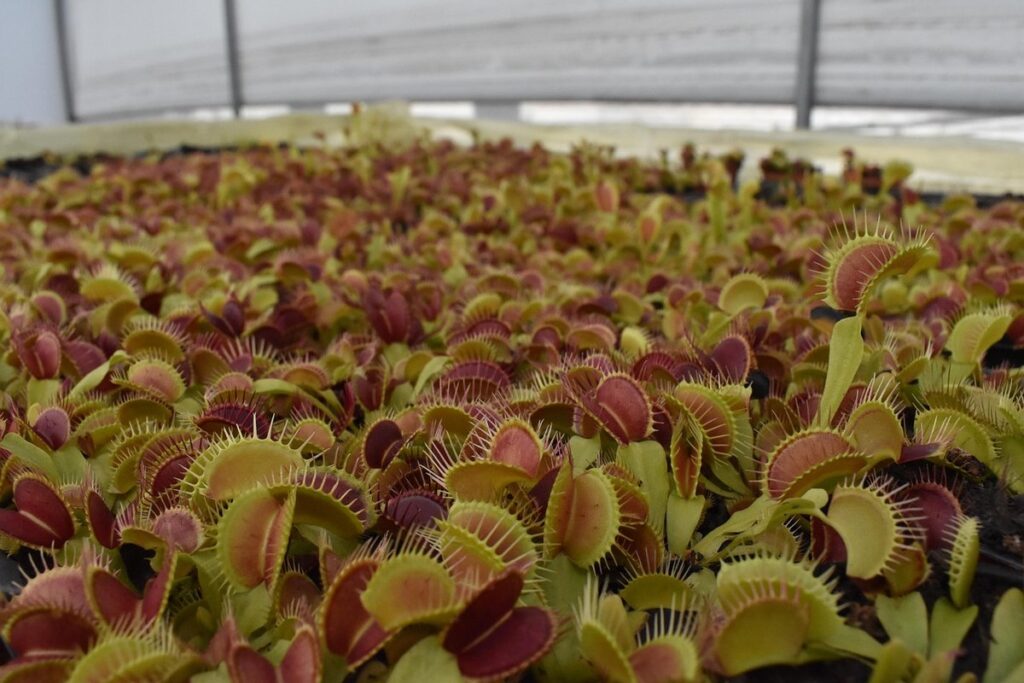
Understanding Your Venus Flytrap
To truly care for your Venus flytrap, it’s essential to understand its unique needs and behaviors, including how to provide the right environment. This will ensure a happy and healthy plant.
Acquiring a Healthy Plant
When acquiring a Venus flytrap, it’s essential to start with a healthy plant to ensure its longevity and optimal performance. You can find Venus flytraps at specialty plant stores, online nurseries, or even some local garden centers that carry carnivorous plants.
To identify a healthy Venus flytrap, look for plants with vibrant green leaves and no signs of pests or diseases. Check the roots – they should be white or light-colored and firm to the touch. Avoid plants with soft or discolored roots as this can be a sign of root rot.
When purchasing online, make sure to research the seller’s reputation and read reviews from other customers. Look for nurseries that provide detailed descriptions of their Venus flytrap varieties, including images and growing conditions.
Ultimately, buying from a reputable source will save you time and effort in the long run by ensuring your plant is healthy and ready to thrive. If possible, ask the seller about the plant’s origin, age, and any specific care requirements it may have. This information can be invaluable in helping you provide the best care for your new Venus flytrap.
Choosing the Right Environment
When it comes to creating an ideal environment for your Venus flytrap, understanding its specific needs is crucial. Lighting plays a significant role, as these plants thrive in bright, indirect light but can tolerate low light conditions. A south-facing window or under grow lights would be perfect for your Venus flytrap.
Temperature-wise, they prefer daytime temperatures between 65-70°F (18-21°C) and nighttime temperatures around 55-60°F (13-15°C). Avoid placing them near heating vents, radiators, or air conditioning units as sudden temperature fluctuations can stress the plant.
Maintaining humidity levels is also essential. Venus flytraps thrive in humid environments, typically between 40-50% relative humidity. You can increase the humidity around your plant by placing it on a tray filled with water and pebbles or using a humidifier nearby. Keep in mind that overwatering is more common than underwatering, so monitor your plant’s needs carefully.
It’s worth noting that some growers have successfully cultivated Venus flytraps outdoors in tropical climates with consistent temperatures above 64°F (18°C). However, for most enthusiasts, indoor environments provide the best conditions for their plants.
Soil and Watering Requirements
To thrive, your Venus flytrap needs specific soil conditions that balance moisture and nutrients, as well as careful watering techniques to prevent drowning its roots.
The Importance of Sphagnum Peat Moss
When it comes to creating an optimal environment for your Venus flytrap, using sphagnum peat moss is a crucial step. This type of moss has unique properties that mimic the plant’s natural habitat, which makes it essential for its care.
One reason why sphagnum peat moss is so important is that it helps to maintain the right level of acidity in the soil. Venus flytraps thrive in acidic environments with a pH between 3.5 and 4.5. Sphagnum peat moss has a naturally low pH, which makes it an ideal ingredient for creating this environment.
To use sphagnum peat moss effectively, mix one part of the moss to one part of perlite or vermiculite in a container. Then add enough distilled water to make the mixture moist but not soggy. The resulting medium should be acidic and have good drainage.
Keep in mind that sphagnum peat moss is a slow-release fertilizer as well, providing nutrients to your Venus flytrap over time. It’s also highly absorbent, which helps to prevent waterlogging and root rot. By incorporating sphagnum peat moss into your Venus flytrap’s care routine, you can create a healthy environment that promotes optimal growth and blooming.
Watering Your Venus Flytrap: Frequency and Quantity
When it comes to watering your Venus flytrap, getting it right is crucial for its survival. Watering frequency and quantity are essential factors to consider, as over-watering can lead to root rot and under-watering can cause the leaves to shrivel up.
Aim to water your Venus flytrap once a week during the spring and summer months when it’s actively growing. However, during the fall and winter months when it’s dormant, you should reduce watering to once every 10-14 days. It’s also essential to check the moisture level of the soil by sticking your finger into the soil up to the first knuckle.
A good rule of thumb is to water your Venus flytrap until the water starts dripping out of the pot’s drainage holes. This ensures that the soil is moist but not waterlogged. Be cautious of over-watering, as this can cause more harm than good. If you notice any signs of rot or mold on the leaves or crown, it’s likely a result of too much water.
By following these guidelines and monitoring your plant’s needs, you’ll be able to provide your Venus flytrap with the right amount of moisture to thrive.
Lighting and Temperature Requirements
When it comes to creating a thriving environment for your Venus flytrap, getting the lighting and temperature just right is crucial. In this next section, we’ll cover the specific requirements for both.
Lighting Needs: Bright but Not Direct
When it comes to providing the right lighting for your Venus flytrap, direct sunlight is not always the best option. In fact, indirect lighting is generally considered ideal for these plants. This may seem counterintuitive, but it’s essential to understand why.
Prolonged exposure to direct sunlight can cause the leaves of your Venus flytrap to become scorched and develop brown spots. The plant’s sensitive trigger hairs are also prone to damage from intense light, which can lead to a decrease in its ability to capture prey. To achieve indirect lighting, you can place your Venus flytrap near an east- or west-facing window, where it will receive gentle, diffused light throughout the day.
If you’re unable to provide natural light, consider using grow lights specifically designed for carnivorous plants. These emit a spectrum of light that mimics natural sunlight and won’t cause scorching or damage to your Venus flytrap’s leaves.
Maintaining Optimal Temperatures
When it comes to maintaining optimal temperatures for your Venus flytrap, it’s essential to get it right. These plants thrive in a specific temperature range, and deviations can cause stress and damage.
Ideally, the daytime temperature for Venus flytraps should be between 65°F (18°C) and 85°F (29°C). Avoid placing them near direct sunlight or radiators, as this can quickly elevate the temperature to damaging levels. For nighttime temperatures, keep it around 55°F (13°C) to 65°F (18°C). This will help your plant conserve energy and maintain its natural growth cycle.
Common mistakes include placing Venus flytraps in areas with inconsistent temperatures, such as near heating vents or air conditioning units. Avoid sudden temperature fluctuations, which can shock the plant. If you’re unsure about the optimal temperature for your location, consider investing in a thermometer to monitor the environment. Remember, consistency is key when it comes to maintaining healthy Venus flytrap temperatures.
In general, it’s best to keep Venus flytraps away from drafts and extreme temperature variations. By doing so, you’ll be providing them with the stable conditions they need to thrive.
Feeding Your Venus Flytrap
Feeding your Venus flytrap is a crucial aspect of its care, and providing it with the right nutrients at the right time can be a bit tricky to get right. Let’s dive into how to feed your Venus flytrap effectively.
How to Trigger Leaf Closure
When you’re ready to feed your Venus flytrap, triggering leaf closure is an essential step. This process allows the plant to snap shut quickly and efficiently, reducing the risk of nutrient loss and contamination. To trigger leaf closure, place a small prey item, such as a live insect or a piece of meat, onto one of the leaves. The plant’s sensitive trigger hairs will detect movement and vibrations from the prey, causing the leaf to snap shut within seconds.
Make sure the prey item is not too large, as this can cause the leaf to stay closed for an extended period, potentially leading to root rot or other problems. A good rule of thumb is to use a small insect like a fruit fly or a tiny piece of meat about the size of a grain of rice. Avoid using anything larger than that, and never place two prey items on adjacent leaves at the same time.
If you’re new to caring for Venus flytraps, it’s essential to observe your plant’s behavior closely when feeding it. You’ll quickly become familiar with how long it takes for the leaf to snap shut and know when it’s ready for another meal.
Providing Live Insects for Nutrient-Rich Meals
When it comes to feeding your Venus flytrap, providing live insects is an excellent way to give your plant a nutrient-rich meal. Live insects, such as ants and spiders, are packed with essential nutrients that your Venus flytrap needs to thrive.
Feeding your Venus flytrap live insects has several benefits. For one, it allows your plant to absorb the nutrients directly from the insect’s body, rather than relying on processed or artificial fertilizers. This approach also mimics the natural way in which Venus flytraps capture prey, making it a more authentic and engaging experience for both you and your plant.
To feed your Venus flytrap live insects safely, make sure to choose healthy, active specimens that are free of pesticides and other chemicals. You can find these at most pet stores or online. When introducing the insect to your Venus flytrap’s pot, gently place it near the trigger hairs, allowing the plant to capture the prey naturally.
Remember, a balanced diet is key to maintaining a healthy Venus flytrap. A combination of live insects and occasional supplements will provide your plant with all the necessary nutrients for optimal growth and development.
Propagation and Repotting Your Venus Flytrap
To keep your Venus flytrap happy and thriving, you’ll need to know how to propagate new plants from old ones and repot them as they outgrow their containers. This process is relatively simple.
Dividing and Transplanting Pups
When your Venus flytrap reaches maturity and produces pups, it’s time to divide and transplant them. This process not only helps promote healthy growth but also ensures the spread of this fascinating carnivorous plant.
The ideal time for division is when the mother plant has produced at least two fully formed pups with their own leaves and roots. Gently remove these pups from the mother plant, taking care not to damage any of the roots or leaves.
To ensure successful transplantation, choose a pot that’s slightly larger than the one your pup is currently in. Use a well-draining soil mix specifically designed for carnivorous plants, as this will help prevent root rot. Plant the pup about 1-2 inches deeper than it was originally, making sure the crown (where the leaves meet the roots) is above the soil level.
After planting, water sparingly and provide bright, indirect light. It’s essential to maintain high humidity around your Venus flytrap pups during this transition period.
Tips for Successful Repotting
When repotting your Venus flytrap, timing is crucial to avoid shocking the plant. The best time to repot is during the spring and summer months when the plant is actively growing. Avoid repotting during the fall or winter when the plant is dormant, as this can cause unnecessary stress.
Choose a pot that is slightly larger than the original one, but not so large that it becomes waterlogged. A well-draining potting mix specifically designed for carnivorous plants like Venus flytraps will help prevent root rot and ensure healthy growth.
To minimize shock, gently remove any dead or dying leaves and repot the plant in its new container with fresh soil. Keep the potting mix moist but not waterlogged, as this can cause root rot. A general rule of thumb is to keep the soil consistently moist during the first week after repotting, then gradually decrease watering frequency once the plant has adjusted.
Consider repotting every 2-3 years or when the roots begin to grow out of the pot, usually a sign that the plant needs more space.
Troubleshooting Common Issues
Don’t worry if you’re experiencing problems with your Venus flytrap, we’ve got you covered. This section will help you identify and fix common issues that might be affecting its health.
Yellowing Leaves: Causes and Solutions
Yellowing leaves can be an alarming sign for any Venus flytrap enthusiast. If left unaddressed, it can lead to further complications and even the demise of your carnivorous plant. The most common causes of yellowing leaves are overwatering, underwatering, and nutrient deficiencies.
Overwatering is one of the most critical mistakes that can be made when caring for a Venus flytrap. When the soil is consistently waterlogged, it deprives the roots of oxygen, leading to root rot and subsequent leaf drop. To avoid this, ensure you’re not watering your plant too frequently, allowing the top 1-2 inches of soil to dry out between waterings.
Underwatering can also cause yellowing leaves due to nutrient deficiencies. Make sure to provide a balanced diet for your Venus flytrap by fertilizing it with a low-nitrogen fertilizer during the growing season (spring-fall). Nutrient deficiencies can be especially prevalent in older plants, so consider repotting your Venus flytrap every 2-3 years to give its roots a fresh start.
Monitor your plant’s response to watering and fertilization changes. With a little patience and adjustment, you should see your Venus flytrap’s leaves return to their vibrant green color.
Pest Infestations: How to Identify and Eliminate Them
Identifying pest infestations is crucial for maintaining a healthy and thriving Venus flytrap. These carnivorous plants are susceptible to fungal diseases, spider mites, and mealybugs that can quickly take over if left unchecked.
Fungal diseases often manifest as white, cottony growths on the plant’s leaves or crown. If you notice these symptoms, isolate your Venus flytrap immediately to prevent the disease from spreading to other plants. To treat fungal diseases, mix 1 teaspoon of baking soda with 1 liter of water and spray it on the affected area. Repeat this process every few days until the fungus is under control.
Spider mites are tiny, spider-like insects that feed on plant sap, causing yellowing or bronzing leaves. Mealybugs, on the other hand, appear as small, white, cottony patches on the plant’s leaves and stems. To eliminate these pests, gently wash your Venus flytrap with a mild soap solution (1:10 ratio) and then rinse thoroughly with lukewarm water. Repeat this process every week to ensure complete elimination.
Monitor your plant regularly for any signs of pest infestations, and take swift action to prevent further damage.
Frequently Asked Questions
How often should I check my Venus flytrap for new prey to feed it?
Yes, it’s essential to regularly inspect your plant’s leaves to determine if it needs feeding. Check every 7-10 days during the growing season (spring and summer) when your plant is actively producing traps. This will help you ensure that your plant gets the necessary nutrients.
Can I use tap water for my Venus flytrap, or does it require distilled water?
Tap water can be too alkaline for Venus flytraps, which can cause mineral buildup in the soil and lead to nutrient deficiencies. It’s best to use rainwater, distilled water, or reverse-osmosis water to provide your plant with the most suitable environment.
How do I repot my Venus flytrap when it outgrows its container?
When repotting a Venus flytrap, choose a pot that is only slightly larger than the previous one. Use a well-draining mix specifically designed for carnivorous plants and gently remove the plant from its old pot, taking care not to damage the roots.
What can I do if my Venus flytrap’s leaves are turning yellow due to overwatering?
If your Venus flytrap is experiencing yellowing leaves due to overwatering, stop watering it immediately. Allow the soil to dry out slightly between waterings and make sure the pot has good drainage holes. If the problem persists, consider repotting your plant in a well-draining mix.
How long does it take for my Venus flytrap to propagate through division or seed?
Venus flytraps can be propagated through division after they have reached maturity (around 2-3 years old). Division involves separating the offsets from the parent plant, and new plants will begin growing from these divisions within a few weeks. Seed propagation is a slower process that can take several months to a year or more for germination.