
As gardeners and food enthusiasts, we often talk about growing our own food, but have you ever stopped to think about the seeds themselves? Heirloom seeds are more than just a means to an end – they hold the key to preserving biodiversity, culinary heritage, and even cultural identity. By saving and sharing these unique seeds, we’re not only ensuring that future generations can enjoy the same varieties of fruits and vegetables that we love today, but also safeguarding the health of our planet. In this article, we’ll explore the benefits of growing with heirloom seeds and provide practical tips on how to save and share them. Whether you’re a seasoned gardener or just starting out, learning about the value of heirloom seeds can be a game-changer for your garden and the world at large.
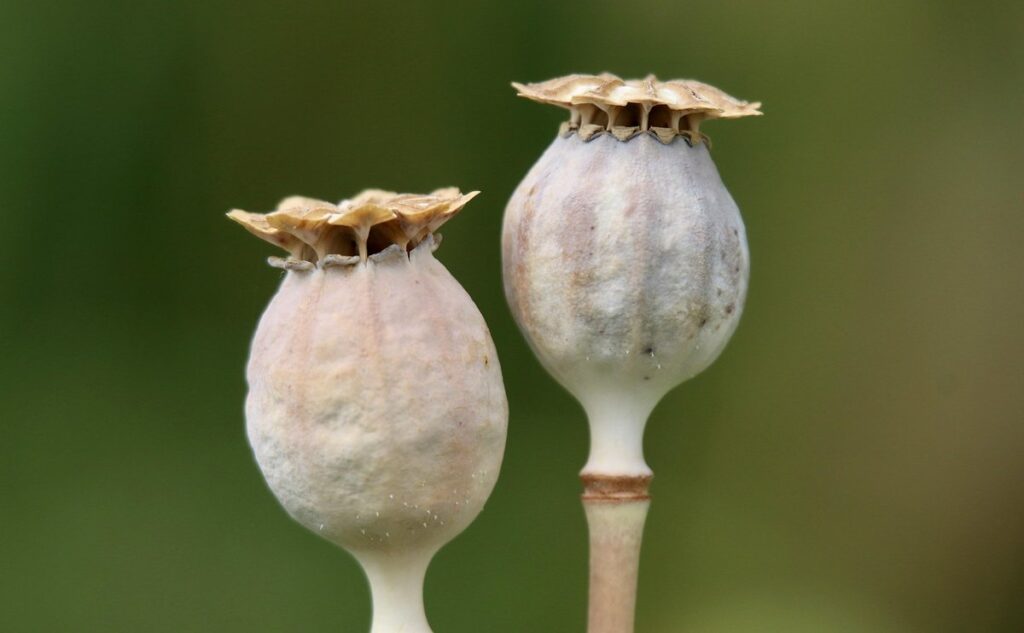
Section 1: What are Heirloom Seeds?
Heirloom seeds have been passed down through generations, offering a unique glimpse into our culinary past. Let’s take a closer look at what makes them so special.
The History of Heirloom Seeds
Heirloom seeds have been cultivated for centuries, with evidence of their use dating back to ancient civilizations. In fact, archaeologists have discovered seeds from plants like wheat and barley that are over 10,000 years old. These early farmers selectively bred these plants to enhance desirable traits such as flavor, texture, and yield, creating unique varieties that were passed down through generations.
As agriculture developed, heirloom seeds became an integral part of local cuisines and cultures. For example, the prized “Truelove” pea variety from England was introduced to America in the 19th century by colonial settlers. Today, many gardeners continue to grow this variety as a nod to their heritage. Similarly, Italian “Pomodoro” tomatoes have been grown for centuries in southern Italy and are now sought after by chefs around the world.
These preserved heirloom varieties not only provide a glimpse into the past but also play a vital role in preserving biodiversity and culinary heritage. By saving seeds from these ancient plants, we can ensure their continued existence for generations to come.
Characteristics of Heirloom Seeds
Heirloom seeds are prized for their distinct characteristics that set them apart from hybrid and genetically modified varieties. One of the key advantages of heirloom seeds is their adaptability to specific regions and climates. These seeds have been developed over centuries through natural selection, allowing them to thrive in a range of conditions without requiring extensive external support.
In terms of flavor and texture, heirloom seeds offer unparalleled diversity. Each variety boasts its own unique taste profile, from the sweetness of a ripe tomato to the complexity of a heritage lettuce. Whether you’re growing for culinary purposes or simply to enjoy fresh produce, heirloom seeds provide an unmatched gastronomic experience.
To truly unlock the potential of heirloom seeds, it’s essential to choose varieties that are well-suited to your local climate and growing conditions. By doing so, you’ll not only be rewarded with exceptional flavor but also contribute to preserving biodiversity and promoting sustainable agriculture practices.
Section 2: Benefits of Growing with Heirloom Seeds
Growing heirloom seeds offers numerous benefits, from preserving rare crop varieties to cultivating unique flavors that enhance your cooking experience. In this next section, we’ll explore the advantages of growing with heirloom seeds in more detail.
Improved Flavor and Nutrition
When you grow with heirloom seeds, you can expect to harvest produce that’s not only bursting with flavor but also packed with nutrients. This is because heirloom varieties are often bred to thrive in specific regions and climates, allowing them to develop unique characteristics that make them stand out from their hybrid counterparts.
One of the primary advantages of heirloom produce is its higher antioxidant content. Studies have shown that heirloom tomatoes, for example, contain up to 50% more lycopene than their hybrid counterparts. Lycopene is a powerful antioxidant that’s been linked to reduced risk of certain cancers and heart disease. Similarly, heirloom leafy greens like kale and spinach are often richer in vitamins A and K, making them an excellent choice for those looking to boost their immune system.
To incorporate more nutrient-dense produce into your diet, consider planting a mix of heirloom seeds that include vegetables like broccoli, carrots, and beets. These varieties not only add flavor and texture to salads but also provide essential vitamins and minerals that can help keep you healthy.
Increased Biodiversity
When you grow with heirloom seeds, you’re not just planting a single variety of tomato or lettuce – you’re cultivating an entire genetic family tree. This might seem like a subtle distinction, but it’s actually crucial for maintaining the long-term health and resilience of our crops.
The truth is that many modern commercial varieties have been bred to prioritize yield and shelf life over adaptability and flavor. As a result, these plants are often more susceptible to disease and pests, which can be disastrous in a given season or climate change scenario. In contrast, heirloom seeds offer a wider range of genetic diversity, making them better equipped to withstand environmental challenges.
This increased biodiversity is not just beneficial for farmers; it’s also an essential component of food security. By preserving these diverse crop lines, we’re safeguarding the future of agriculture and protecting ourselves against potential disruptions in the global food supply chain. By growing with heirloom seeds, you’ll be playing a vital role in this effort – one seedling at a time.
Section 3: The Role of Heirloom Seeds in Preserving Culinary Heritage
Heirloom seeds play a vital role in preserving the culinary heritage of our ancestors, carrying with them unique flavors and characteristics that are often lost to modern commercial farming practices. Let’s explore how these seeds help keep our cultural history alive.
Cultural Significance
Heirloom seeds are more than just a type of seed – they’re a connection to our collective past and cultural identity. When we save and grow heirloom varieties, we’re not only preserving biodiversity but also the culinary traditions that have been passed down through generations. For example, the Italian “Roma” eggplant is a beloved heirloom variety that’s deeply tied to Mediterranean cuisine. Its distinctive flavor and texture are quintessentially Italian, evoking memories of nonna’s cooking.
Growing heirloom seeds can be a way to reconnect with our cultural heritage and learn about our ancestors’ culinary practices. By saving these seeds, we’re also preserving the recipes and traditions that accompany them. Consider visiting a local farmers market or joining a community garden to discover which heirloom varieties are most prized in your region. You might be surprised at how much you can learn from fellow gardeners and food enthusiasts about the cultural significance of certain crops.
As you explore the world of heirloom seeds, keep an eye out for varieties that hold special meaning in your own cultural heritage. Whether it’s a favorite family recipe or a traditional crop from your ancestors’ homeland, growing these seeds can be a powerful way to connect with your roots and celebrate the diversity of global cuisine.
Traditional Cooking Methods
Heirloom seeds have been the backbone of traditional cooking methods for centuries. Many preservation techniques rely on these unique varieties to create authentic and flavorful dishes. For instance, in Mediterranean cuisine, cooks use heirloom tomatoes to make a rich and intense sauce for pasta, just as their ancestors did. Similarly, Korean cooks preserve cucumbers with salt and sesame oil using heirloom cucumber seeds.
To incorporate traditional cooking methods into your kitchen, start by exploring different preservation techniques such as pickling, fermenting, or drying. These methods not only help extend the shelf life of your harvest but also enhance the flavor and texture of the ingredients. For example, try making sauerkraut with heirloom cabbage seeds or preserve heirloom eggplant slices in olive oil.
When experimenting with traditional recipes, don’t be afraid to modify and adapt them to suit your taste preferences. Heirloom seeds offer a world of possibilities for creative cooks, from adding unique flavor profiles to trying new textures. By embracing traditional cooking methods and heirloom varieties, you’ll not only be preserving culinary heritage but also contributing to the rich tapestry of flavors that define our global cuisine.
Section 4: Challenges Facing Heirloom Seeds
Heirloom seeds are not without their challenges, and understanding these obstacles is key to preserving our agricultural heritage for future generations. Let’s explore some of the major hurdles facing heirloom seed preservation today.
Loss of Genetic Diversity
When we choose to cultivate hybrid seeds over heirloom varieties, we risk losing the genetic diversity that makes our food crops so resilient and adaptable. Hybridization can lead to a loss of genetic material, making it harder for farmers to adapt their crops to changing environments or pests.
The consequences of this trend are far-reaching. Monoculture farming practices, where large areas of land are dedicated to growing just one crop, further exacerbate the problem. This not only leads to soil degradation and decreased fertility but also makes entire ecosystems more vulnerable to disease and pests. For example, the Irish potato famine of the 19th century was a devastating consequence of relying too heavily on a single, hybridized crop.
To mitigate this risk, gardeners and farmers can take steps to preserve heirloom varieties. By saving seeds from your own harvest and sharing them with others, you’re helping to maintain genetic diversity and ensure that these unique crops continue to thrive. Consider starting an heirloom seed bank in your community or joining a local seed exchange program to connect with other like-minded gardeners.
Commercialization and Regulation
The commercialization of heirloom seeds has introduced a complex web of issues related to regulation and ownership. As these unique varieties gain popularity, companies are now seeking patents on them, raising concerns about who truly owns the rights to these genetic treasures.
This trend has sparked debates among gardeners, farmers, and seed enthusiasts about the implications of patenting living organisms. Some argue that patenting heirloom seeds stifles innovation and restricts access to this valuable resource. For instance, a company may patent a specific heirloom variety, making it difficult for small-scale farmers or home gardeners to save and replant their own seeds.
To navigate these challenges, many advocates recommend supporting open-source seed initiatives and purchasing from reputable companies that prioritize transparency and community involvement. By doing so, we can ensure the continued availability of these precious genetic resources while promoting a culture of sharing and collaboration in the world of heirloom seeds.
Section 5: Saving and Sharing Heirloom Seeds
As you cultivate your own heirloom garden, it’s time to think about sharing and preserving these special seeds for generations to come. Learn how to save and share them responsibly in this section.
Seed Savers and Organizations
Seed saving is not just the responsibility of individual gardeners; many organizations and passionate individuals are working together to preserve heirloom seeds for future generations. Take, for example, the Seed Savers Exchange (SSE), a non-profit organization that has been protecting over 20,000 varieties of plant heritage since its inception in 1975. Through their extensive seed library, they facilitate the exchange of heirloom seeds among members and provide a platform for people to connect with each other.
Similarly, organizations like the Open Source Seed Initiative (OSSI) promote open-source access to seeds, allowing anyone to use, share, and modify them freely. This approach not only fosters collaboration but also ensures that these diverse crop varieties remain available for future food systems. As a gardener interested in seed saving, you can join forces with local gardening communities or organizations to contribute to this crucial effort.
Some notable efforts include the creation of community gardens dedicated to heirloom crops, where volunteers work together to cultivate and harvest these unique varieties. This collective approach not only enriches biodiversity but also preserves culinary heritage by providing access to a wide range of flavors and textures that might otherwise be lost.
Tips for Saving Your Own Heirloom Seeds
Saving your own heirloom seeds is not only a cost-effective way to preserve these precious varieties but also ensures their continued use and adaptation for future generations. To begin saving your own heirloom seeds, start by selecting the healthiest and most vigorous plants from your garden. Choose those that have produced the best results in terms of flavor, texture, and yield.
For seed storage, maintain a cool, dry place with minimal light exposure. Airtight containers or envelopes made of paper or cloth can be used to store seeds, but make sure they are completely sealed to prevent moisture from entering. Store the containers in a dark cupboard or drawer, away from direct sunlight.
When selecting heirloom varieties for saving, consider factors such as disease resistance, climate adaptability, and ease of growth. Research different types and their unique characteristics to choose the ones that best fit your needs and garden conditions.
Section 6: Incorporating Heirloom Seeds into Modern Gardening Practices
If you’re ready to take your modern garden to the next level, this is where we dive into incorporating heirloom seeds in a way that’s both practical and rewarding. We’ll explore innovative ways to integrate these treasures into your green thumb.
Intergenerational Knowledge Sharing
Heirloom seeds can serve as a conduit for intergenerational knowledge sharing between gardeners. This concept is rooted in the idea that the preservation of heirloom varieties is not just about saving seeds, but also about passing on knowledge and traditions from one generation to the next.
When we save heirloom seeds, we’re not just preserving a plant’s genetic makeup, but also the stories and experiences associated with it. For example, an elderly gardener might share the history of their favorite tomato variety, passed down from their grandmother, which has been grown in their family for generations. This oral tradition is a powerful way to connect people across time and space, fostering a sense of community and continuity.
To incorporate intergenerational knowledge sharing into your heirloom seed preservation efforts, try engaging with local gardening communities or reaching out to older gardeners in your area. Ask them about their favorite varieties, growing techniques, and the stories behind specific plants. By doing so, you’ll not only be preserving biodiversity but also cultivating a deeper understanding of the cultural heritage tied to these seeds.
Integration with Modern Farming Methods
Heirloom seeds are being increasingly incorporated into modern farming methods as a way to promote biodiversity and sustainability. Permaculture, for example, is a holistic approach to agriculture that seeks to mimic natural ecosystems and minimize human intervention. By using heirloom seeds, farmers can tap into the genetic diversity of these varieties, which often have unique characteristics such as drought tolerance or pest resistance.
Regenerative agriculture takes it a step further by focusing on soil health and biodiversity. Heirloom seeds are ideal for this approach because they can help to create more resilient and adaptable crops. For instance, heirloom tomatoes come in a wide range of colors, shapes, and sizes, each with its own set of characteristics that can be beneficial in different contexts.
Farmers who adopt these methods often report improved crop yields, reduced pesticide use, and enhanced ecosystem services. By incorporating heirloom seeds into their operations, they are not only preserving biodiversity but also promoting sustainable agriculture practices that benefit the environment and local communities.
Section 7: Conclusion and Next Steps
Now that we’ve explored the benefits of heirloom seeds, let’s summarize our key takeaways and discuss next steps for incorporating these wonderful varieties into your garden.
Preserving Heirloom Seeds for Future Generations
As we’ve explored the numerous benefits of heirloom seeds, from preserving biodiversity to enriching our culinary heritage, it’s essential to consider the long-term implications of their preservation. Heirloom seeds are a vital link to our past and future generations, offering a unique window into the history and culture of food production.
To preserve these precious seeds for years to come, it’s crucial that we take action now. You can start by saving your own heirloom seeds from this year’s harvest. This may seem daunting, but with some basic knowledge and simple steps, you’ll be able to collect and store seeds from your favorite varieties. For instance, when collecting seeds, ensure they are dry and free of moisture to prevent decay.
Another way to contribute is by supporting organizations dedicated to seed preservation. These groups often rely on donations or volunteers to help maintain seed banks, catalog existing varieties, and develop new ones. You can also participate in community-led initiatives that promote heirloom seed sharing and education.
Some notable examples of successful seed preservation efforts include the Seed Savers Exchange, which has been working tirelessly since 1975 to preserve thousands of heirloom varieties. By joining forces with like-minded individuals and organizations, you’ll be part of a collective effort to safeguard our planet’s biodiversity for generations to come.
In addition to individual actions, governments and institutions can also play a crucial role in preserving heirloom seeds. This can involve supporting seed banks, promoting policy initiatives that favor heirloom farming practices, or establishing programs that educate the public about the value of these seeds.
By working together – whether as individuals, organizations, or communities – we can ensure that heirloom seeds continue to thrive and contribute to a more sustainable food future.
Frequently Asked Questions
How do I preserve heirloom seeds for long-term storage?
Preserving heirloom seeds requires careful handling to maintain their viability. Store them in a cool, dry place (around 50°F/10°C) with low humidity. Use airtight containers or envelopes to prevent moisture and pests from damaging the seeds. Consider vacuum sealing or using silica gel packets to control humidity.
Can I share heirloom seeds with friends and family if they’re not local?
Yes, sharing heirloom seeds can be done even across long distances. When exchanging seeds, make sure to provide detailed information about growing conditions, soil type, and climate requirements. This will help the recipient better understand how to care for the plants.
What are some common challenges when trying to save my own heirloom seeds?
Common challenges include seed contamination, poor germination rates, or failing to collect seeds at the optimal time. To overcome these issues, ensure proper seed cleaning and drying techniques, store seeds in a controlled environment, and pay attention to plant maturation stages for seed collection.
How do I know which heirloom varieties are suitable for my specific climate?
Research local growing conditions, temperature ranges, and average precipitation levels to determine compatible heirloom varieties. Consult with experienced gardeners or check online resources for recommendations tailored to your region.
Can I use heirloom seeds in combination with modern farming methods?
Yes, integrating heirloom seeds into modern farming practices can promote biodiversity and improve crop resilience. Consider incorporating permaculture principles or agroecology techniques to enhance soil health and reduce chemical usage while growing heirloom varieties.