
Here’s a 100-150 word introduction paragraph for your blog post:
When you’re in the mood for a refreshing slice of watermelon, there’s nothing more frustrating than biting into a rock-hard or overripe melon. Choosing the perfect watermelon can be an art, but with some expert tips and tricks up your sleeve, you’ll never have to settle for less again. In this article, we’re going to dive into the secrets of selecting a perfectly ripe watermelon every time. From color and appearance to scent and taste testing, we’ll cover it all. You’ll learn how to tell if a watermelon is ripe just by looking at it, and you’ll discover why these subtle differences are crucial for enjoying that sweet, juicy goodness. By the end of this article, you’ll be confident in your ability to pick out the perfect watermelons every time – no more guessing games or disappointments!
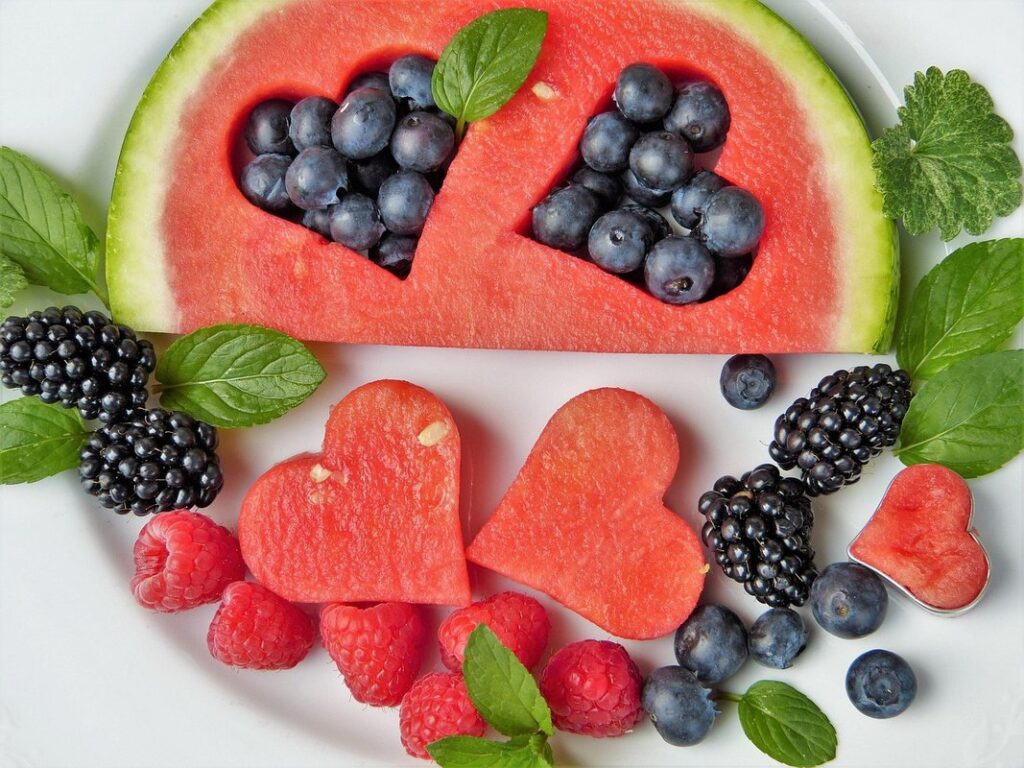
Choosing the Right Watermelon
When it comes to selecting a ripe watermelon, there are several key factors to consider beyond just its size and color. Let’s take a closer look at what to check for.
1. Color and Appearance
When selecting a ripe watermelon, its color and appearance play a crucial role. A ripe watermelon typically has a smooth, glossy rind that’s yellow or cream-colored on the underside, near the stem end. This yellowing is due to the conversion of starches into sugars as the fruit ripens.
Some watermelons may exhibit netting or reticulation, which is a natural pattern of fine lines and creases on the skin. A ripe watermelon will often have more pronounced netting than an unripe one. However, be cautious not to mistake this for bruises or soft spots. Netting alone isn’t a definitive indicator; look for it in conjunction with other signs of ripeness.
Yellow spots or patches can appear on a ripe watermelon’s surface. These are not necessarily indicative of spoilage but rather a sign that the fruit has absorbed more sunlight and is sweeter as a result. Check for an even yellow color, avoiding any greenish or waxy appearance, which may indicate unripeness.
When inspecting your chosen watermelon, consider its overall appearance, including any yellowing or netting patterns. A ripe watermelon will typically have a smooth, evenly colored rind and more pronounced netting than an unripe one.
2. Weight and Size
When selecting a watermelon, its weight and size are crucial indicators of ripeness. A ripe watermelon will typically be heavy for its size due to the high water content. To check the weight, gently pick up several watermelons of similar size and compare their weights. A heavier one is likely to be riper.
Another aspect to consider is symmetry. A symmetrical watermelon suggests that it has been growing evenly on the vine, which can lead to a more consistent ripening process. Look for a melon with a rounded middle and tapered ends. This shape indicates that the fruit has had adequate sunlight and support while growing.
Aim for a watermelon that weighs around 15-20 pounds (6.8-9 kg) and is roughly spherical in shape. Keep in mind that some varieties, like personal-sized or seedless watermelons, may be smaller but still perfectly ripe if they exhibit the right characteristics.
Checking the Watermelon’s Thump
So, you’ve got your watermelon in hand and are wondering if it’s ripe yet. Let’s check its thump for a sign of ripeness that’s foolproof and fun to do!
1. The Thump Test Explained
The thump test method is one of the most straightforward ways to determine if a watermelon is ripe. To perform this test, gently tap the underside of the watermelon with your fingers. You’re looking for a deep, hollow sound, which indicates that the fruit has enough moisture and is therefore ripe. A metallic or tinny sound suggests that the watermelon is underripe, while a muffled or dull sound may mean it’s overripe.
The key here is to be gentle – you don’t want to bruise the skin of the watermelon, as this can affect its quality. Place your fingers on the underside, with one hand supporting the watermelon and the other doing the tapping. This will give you a clear sense of the sound produced. Some people also like to tap two or three spots on the watermelon to get an average reading – this helps ensure that you’re getting an accurate result.
It’s worth noting that the thump test isn’t foolproof, but it’s a useful tool when combined with other methods, such as checking the skin and weight of the fruit.
2. How to Perform the Thump Test
To perform the thump test, you’ll need to gently tap the underside of the watermelon with your fingers. This is usually done on the opposite side of the stem end, as this area tends to be more dense and less likely to produce a hollow sound.
Tap the watermelon firmly but not forcefully – you’re aiming for a gentle thud rather than a loud clang. The sweet spot for the thump test is often considered to be around 2-3 inches from the stem end, where the fruit’s rind starts to curve inwards.
As your fingers make contact with the watermelon, pay attention to the sound that’s produced. A ripe watermelon will typically produce a deep, hollow sound when tapped – think of it as the opposite of a metal drum. If you tap an unripe or overripe watermelon, the sound will be more muffled or even metallic.
To get a better sense of whether your watermelon is producing the right sound, try tapping it gently and then again with a bit more force. Compare the two sounds – if one produces a louder, more resonant tone than the other, it could indicate ripeness.
Inspecting the Watermelon’s Skin
When inspecting a watermelon, one of the easiest ways to check for ripeness is by gently squeezing its skin and looking for specific signs. Let’s take a closer look at these simple checks.
1. Checking for Soft Spots and Wrinkles
When checking for soft spots and wrinkles on a watermelon’s skin, it’s essential to identify them correctly. Over-ripeness can cause the flesh around these areas to become mushy, while bruising can lead to an unappealing texture. To inspect for soft spots, gently press your thumb into the skin. If you notice any yielding or squishiness, it’s a sign that the watermelon is overripe.
Wrinkles, on the other hand, can be more challenging to assess. Some wrinkles may be completely normal, especially around the stem end where the fruit has naturally expanded during growth. However, if you spot any deep-set wrinkles or creases, it could indicate bruising or damage that affects the watermelon’s quality.
To distinguish between natural wrinkles and those caused by damage, gently touch the affected area. If it feels tender to the touch or yields easily under pressure, it’s likely a soft spot or bruise rather than a normal wrinkle.
2. Looking for Mold and Mildew
When inspecting the watermelon’s skin for ripeness, it’s also crucial to look for signs of mold and mildew. These unwanted growths can indicate that the fruit is past its prime and may be spoiled from the inside out. Mold and mildew thrive in damp environments and can spread quickly, compromising the quality and safety of the watermelon.
Check the skin for any visible signs of mold or mildew, particularly around the stem end where moisture tends to accumulate. If you notice any fuzzy patches, white powdery spots, or black mold growths, it’s best to avoid purchasing that watermelon. To prevent spoilage in general, make sure your watermelons are stored properly – keep them away from direct sunlight and heat sources, and don’t wash them until you’re ready to eat them.
A good rule of thumb is to select watermelons with smooth, evenly colored skin. Avoid those with soft spots or bruises, as these areas may be more susceptible to mold growth. By being mindful of potential signs of spoilage, you can enjoy your fresh watermelon at its best and minimize food waste. Regularly inspecting your produce will also help you develop a keen eye for spotting problems before they become major issues.
Scent and Taste Testing
To confirm a watermelon is ripe, it’s crucial to know how to properly assess its scent and taste, which can be surprisingly complex.
1. The Role of Smell in Ripeness
When it comes to determining the ripeness of a watermelon, many people overlook one crucial aspect: its smell. A ripe watermelon’s aroma is distinct and pleasant, often described as sweet and slightly musky. To identify this characteristic scent, gently press your nose against the rind, taking note of any strong or unpleasant odors.
A ripe watermelon typically gives off a sweet, floral aroma that’s more pronounced near the stem end. This is due to the increased production of ethylene gas, a natural ripening agent that promotes softening and sweetness development. In contrast, unripe or overripe melons will have a weak or sour smell.
Take note of the intensity and characteristics of the scent: if it’s too strong or unpleasantly pungent, the watermelon may be past its prime. Conversely, if the aroma is faint or non-existent, it could indicate underripeness. By combining your observation of the melon’s color, feel, and smell, you’ll develop a more accurate assessment of ripeness.
2. Tasting a Watermelon Before Buying
While taste-testing a watermelon before buying may seem like an intuitive approach, it’s essential to consider both the pros and cons. On one hand, sampling a watermelon can give you a good indication of its ripeness and flavor profile. However, this method is not foolproof, as the sweetness and texture of a watermelon can change after cutting into it.
To safely sample a watermelon in-store, choose a spot with minimal handling and avoid areas where other customers may have touched the melons. Use a clean knife to cut out a small piece from the underside or the stem end, as these areas tend to be less sweet than the rest of the fruit. Take a bite, paying attention to its sweetness, texture, and juiciness.
Remember that taste-testing can also transfer bacteria and moisture to other melons, potentially affecting their quality. If possible, ask the store staff if they have any ripe watermelons available for sampling or consider purchasing from a local farmer’s market where you can often find fresher produce.
Additional Tips and Tricks
Now that you’ve learned how to select a ripe watermelon, here are some extra insider tips to help you take your watermelon-picking skills to the next level.
1. Storing Watermelons to Ripen at Home
To store watermelons for home ripening, you’ll want to provide them with optimal conditions. First, choose a spot with high humidity and temperatures between 65°F to 75°F (18°C to 24°C). Avoid storing near direct sunlight or heat sources, as this can cause the fruit to overheat and spoil quickly.
When handling watermelons for storage, gently place them in a single layer on a tray or plate. This will prevent any potential damage from crushing or bruising. Cover the container with plastic wrap or aluminum foil to maintain humidity and keep dust away. If you prefer a more controlled environment, store the watermelon in a paper bag, making sure it’s not sealed tightly to allow for airflow.
Remember, even under ideal conditions, home ripening can take several days to a week. Monitor your watermelon’s progress by checking its weight, skin color, and aroma. A ripe watermelon will be heavy for its size, display a creamy yellow or white spot on the underside, and give off a sweet, earthy smell.
2. Avoiding Common Mistakes
When selecting a ripe watermelon, it’s easy to fall into common traps that can leave you with an unripe or overripe fruit. One of the most common mistakes is checking for ripeness by thumping the underside of the watermelon. While this method may seem intuitive, it’s not always accurate. A ripe watermelon will produce a deep, hollow sound when thumped, but this can also be a sign of an overripe or damaged melon.
Another mistake to avoid is solely relying on appearance. A green or white spot on the underside of the watermelon doesn’t necessarily mean it’s unripe. In fact, some varieties have natural markings that may resemble unripeness. Instead, look for a creamy yellow or pale green color around the stem. Avoid watermelons with bruises, soft spots, or uneven coloration.
To avoid these mistakes in the future, remember to choose watermelons that are heavy for their size and have a smooth, glossy texture. Check the weight of several melons and select the heaviest one.
Conclusion
Now that you’ve learned how to tell if a watermelon is ripe, it’s time to put your new skills into practice. The next time you’re at the grocery store or farmer’s market, be sure to check for those sweet and round beauties. Don’t worry if you can’t find the perfect one right away – practice makes perfect! With these tips, you’ll be a watermelon expert in no time.
Remember, ripeness is key when it comes to enjoying your watermelon at its best. By checking the weight, thump, and color of the fruit, you’ll know exactly what to look for. Don’t settle for an unripe or overripe melon – your taste buds will thank you!
Frequently Asked Questions
How can I store a watermelon at home to ripen it further?
To ripen a watermelon at home, place it on the countertop or in a fruit bowl with good air circulation. Store it away from direct sunlight and heat sources. Check on the watermelon every 2-3 days to monitor its ripeness. If you want to speed up the process, you can store it in a paper bag or wrap it in a damp cloth to create a humid microclimate.
What if I’m buying a large quantity of watermelons for an event or party? How do I ensure they’re all ripe?
For bulk purchases, consider selecting watermelons with similar color and appearance characteristics. This can help you identify watermelons that are likely to be ripe at the same time. You can also divide your purchase into smaller batches and store them in separate areas to monitor their ripeness individually.
Can I use a different method for checking ripeness, such as listening to the sound when tapping on the rind?
While tapping on the rind (the “thump test”) is an effective way to check for watermelon ripeness, other methods like listening to the sound may not be reliable. This is because sound waves can travel differently through various types of melons and produce varying results.
What if I notice a soft spot or wrinkle on my watermelon? Should I still use it?
Soft spots or wrinkles on a watermelon’s skin don’t necessarily mean it’s spoiled. However, inspect the affected area closely for any signs of mold or mildew. If you’re unsure about the watermelon’s edibility, err on the side of caution and discard it.
How do I know if my watermelon is too old to eat? Are there any specific signs or symptoms?
An overripe watermelon will typically exhibit a dull color, soft spots, or even mold growth. The flesh may also be mushy or have an unpleasant sour taste. If you notice these characteristics, it’s best to discard the watermelon and choose a fresher one for consumption.