
As a home cook, you’re likely no stranger to the frustration of buying a butternut squash that’s not quite ready for its close-up. It’s happened to the best of us: we bring home a beautiful, plump squash, only to find it’s rock hard and utterly inedible when we finally get around to cooking with it. But what if you could tell whether your butternut squash is ripe before bringing it home? With a few simple visual inspection techniques and some gentle pressure tests, you can ensure that your squash is at its peak flavor and texture. In this article, we’ll walk through the best ways to check if a butternut squash is ripe, plus offer tips for storing them so they stay fresh for longer.
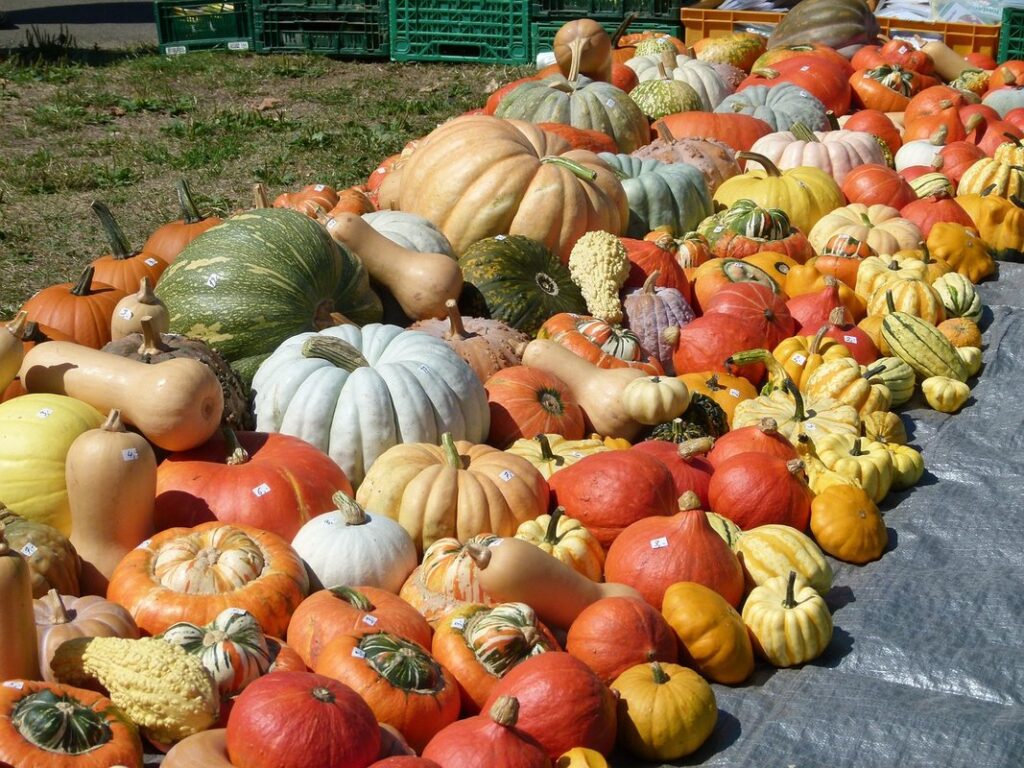
Understanding Butternut Squash Ripeness
When checking for ripeness, it’s essential to know what a fully mature butternut squash looks and feels like, so you can pick the best one. Let’s take a closer look at how to determine if your squash is ripe.
Factors Affecting Ripeness
Butternut squash ripeness is influenced by a combination of environmental and internal factors. Climate plays a significant role, with optimal temperatures ranging from 65°F to 75°F (18°C to 24°C) for maturation. Prolonged exposure to heat or cold can disrupt the ripening process. Soil quality also affects ripeness, as nutrient-rich soil promotes healthy growth and development.
Genetics is another critical factor in determining butternut squash ripeness. Different varieties mature at different rates, with some taking longer to reach full maturity than others. Some popular butternut squash varieties include ‘Waltham Butternut’, ‘Sunburst’, and ‘Nutri-Butt’.
To ensure you pick a ripe butternut squash, consider the following factors: weather conditions during growth, soil quality, and variety-specific maturation rates. Choose a spot with well-draining, fertile soil and maintain optimal temperatures for growth.
Some gardeners use the “knee test” to check for ripeness – when the stem end reaches the ground level and the skin turns from green to yellow or tan, it’s ready for harvest. Keep in mind that over-ripeness can occur if left on the vine too long, causing the squash to become soft and prone to spoilage.
Visual Inspection Techniques
When visually inspecting butternut squashes for ripeness, there are several key characteristics to look out for. First, examine the color of the squash. A ripe butternut squash will typically have a deep orange or yellow color, depending on the variety. Avoid squashes with white or pale patches, as these can be signs of under-ripeness.
Next, check the shape of the squash. A ripe butternut squash will be symmetrical and rounded at both ends. Look for any soft spots or indentations, which can indicate that the squash is past its prime. The texture of the skin should also be smooth to the touch, with no visible cracks or blemishes.
To check the texture further, gently press your fingernail into the skin of the squash. A ripe butternut squash will yield slightly to pressure, but still feel firm and springy. Avoid squashes that are too soft or mushy, as these can be signs of over-ripeness.
By paying attention to these visual cues, you can increase your chances of selecting a ripe butternut squash for harvest.
Checking for Soft Spots and Squeeze Test
To check if a butternut squash is ripe, you’ll want to feel its skin and perform a squeeze test to ensure it’s reached optimal ripeness. Let’s dive into these easy checks!
The Importance of Soft Spots
Soft spots on butternut squashes are not always a bad thing. In fact, they can be a sign that the squash is ripe and ready to eat. However, it’s essential to differentiate between soft spots caused by natural ripening and those resulting from over-ripeness or decay.
A ripe butternut squash will typically develop small, soft areas around the stem end due to the breakdown of cell walls as it matures. These soft spots are usually shallow and not accompanied by an off smell or slimy texture. On the other hand, over-ripe or decaying squashes will exhibit larger, deeper soft spots that may be accompanied by a sour or unpleasant odor.
To assess the ripeness of a butternut squash with soft spots, gently touch the area to gauge its depth and firmness. If it feels mushy or has an unusual texture, it’s likely over-ripe. Check for any signs of mold, mildew, or dry rot around the soft spot.
Performing the Squeeze Test
To perform a squeeze test on a butternut squash, gently grasp the fruit with both hands and apply gentle pressure around its middle section. This area is typically between the stem end and the neck of the squash. As you press down, pay attention to the level of resistance or yield in the flesh.
A ripe butternut squash will exhibit some give when pressed, but it should still feel relatively firm to the touch. If the squash feels too soft or mushy, it’s likely overripe. On the other hand, if it doesn’t yield at all and feels rock-hard, it may not be ready yet. To gauge this resistance accurately, compare the pressure you’re applying to that of a ripe avocado – it should feel similarly yielding.
When performing the squeeze test, avoid pressing too hard or in the wrong areas, as this can cause unnecessary bruising or damage to the squash. Instead, focus on gentle, even pressure around the middle section to get an accurate reading of its ripeness. This simple yet effective technique will help you determine whether your butternut squash is ready to use.
Measuring Weight and Size
To determine if a butternut squash is ripe, it’s essential to measure its weight and size carefully, as these factors can indicate maturity. Check the weight and dimensions against those of a mature squash.
Correlation Between Weight and Ripeness
Weight can be an important indicator of butternut squash ripeness, although it’s not always a foolproof method. A ripe butternut squash will typically feel heavy for its size, due to the dense flesh inside. However, there are several factors that might influence weight variation, such as the type of soil it was grown in, the amount of water it received, and even the specific variety of butternut squash.
For example, a squash grown in a well-draining soil with optimal moisture levels may weigh more than one grown in a heavier clay-based soil. Similarly, a squash that has been consistently watered throughout its growth period will likely have more dense flesh and therefore weigh more. On the other hand, some varieties of butternut squash naturally tend to be smaller or larger than others.
To use weight as an indicator of ripeness, gently pick up the squash and compare it to similar ones around you. Keep in mind that size can also vary depending on factors such as growing conditions and variety. A good rule of thumb is to choose a squash with a heavy, symmetrical shape.
Size Considerations
Butternut squash size is another crucial factor to consider when determining its ripeness. As with many vegetables, different varieties can vary significantly in terms of their mature size. For instance, ‘Baby Boo’ and ‘Waltham Butternut’ are two popular types of butternut squash that differ substantially in size. While the former can reach 3-4 pounds at maturity, the latter typically weighs between 5-10 pounds.
When selecting a ripe butternut squash based on its size, it’s essential to consider the specific variety you’re growing or purchasing. For smaller varieties like ‘Baby Boo’, they may be ready for harvest when their skin turns from green to tan and feels slightly soft to the touch. Larger varieties, on the other hand, may not reach full maturity until the skin has turned a deeper brown color and feels harder.
Keep in mind that size alone is not always a reliable indicator of ripeness. Other factors like the stem end’s shape and the overall appearance of the squash should also be taken into account when making your decision.
Smell and Sound
When checking for ripeness, pay attention to how a butternut squash smells and sounds, as these subtle cues can indicate its readiness. A ripe squash should have a sweet, nutty aroma and a hollow sound when thumped.
Recognizing a Sweet Aroma
As you approach your butternut squash patch, lift the stem and gently sniff. A ripe butternut squash is characterized by a sweet, nutty aroma that’s often compared to caramel or butterscotch. This scent is typically most pronounced when the squash is mature and ready for harvest.
To identify this distinctive aroma, try comparing it to familiar scents like roasted nuts or sweet spices. You might notice a hint of earthy undertones as well, which can be attributed to the squash’s natural moisture content.
When checking for ripeness, pay attention not only to the scent but also the stem end. A ripe squash will typically have a hard, dry stem that snaps easily when bent. Avoid squashes with soft or mushy stems, as they may be overripe or rotting internally. The combination of a sweet aroma and a firm stem is usually a reliable indicator of ripeness in your butternut squash crop.
Auditory Indicators
When tapping on the butternut squash, listen for a hollow sound. This is a clear indication that the squash has matured and its flesh is tender. A ripe butternut squash will typically produce a deeper, more resonant sound when tapped compared to an unripe one, which will have a duller tone.
To gauge this, gently tap the squash on various sides with your knuckles or a spoon. Pay attention to the depth and quality of the sound produced. If it’s loud and hollow, it’s likely ripe. However, if the sound is muffled or barely audible, the squash may not be fully mature yet.
It’s worth noting that this method works best for butternut squash varieties with thicker skin. For thinner-skinned varieties, other ripeness indicators like color changes or stem dryness might be more reliable. Keep in mind that this technique requires some practice to develop your ear for it, so try it on several squashes to get a sense of what ripe sounds like.
If you’re still unsure, check the squash’s skin for any soft spots or bruises – these can indicate over-ripeness and potential spoilage.
Handling and Storage
Now that you’ve selected a perfectly ripe butternut squash, let’s discuss how to properly handle and store it to maintain its freshness. Proper care will help keep your squash fresh for weeks to come.
Proper Handling Techniques
When handling butternut squashes, it’s essential to be gentle and careful to prevent damage. A ripe butternut squash is more delicate than a green one, so avoid squeezing or pressing too hard on the skin. Instead, cradle the squash in the crook of your arm or support its base with one hand while lifting it gently with the other.
To handle multiple squashes without scratching their surfaces, lay them flat on a clean surface, like a table or countertop, rather than stacking them. This helps prevent bumps and bruises that can cause damage. You can also wrap each squash individually in paper towels to protect their skin from minor scratches and provide extra cushioning during handling.
When moving butternut squashes around the kitchen, try not to bang them into other objects, as this can cause bruising or even breakage. Store them upright in a cool, dry place to help them ripen evenly and prevent moisture accumulation, which can lead to mold and rot.
Ideal Storage Conditions
To ensure that your butternut squash remains fresh for an extended period, it’s essential to store them under ideal conditions. Temperature plays a crucial role in maintaining the freshness of your butternut squashes. Store them in a cool, dry place with a temperature range between 50°F to 55°F (10°C to 13°C). Avoid storing them near direct sunlight or heat sources as this can cause rapid ripening and spoilage.
Maintaining optimal humidity levels is also vital when storing butternut squashes. Aim for a relative humidity of around 50-60% to prevent moisture buildup, which can lead to mold and rot. You can store them in paper bags or mesh bags to allow air circulation while keeping dust and other contaminants away.
When it comes to light exposure, it’s best to keep your butternut squashes in the dark or a shaded area. Direct sunlight can cause skin discoloration and uneven ripening. If you need to store multiple butternut squashes together, ensure that they are not touching each other to prevent moisture transfer and spoilage. By following these storage guidelines, you can enjoy your butternut squash for several weeks without compromising on flavor or texture.
Troubleshooting Common Issues
If you’ve picked a butternut squash only to find it unripe, don’t worry – we’ll help you troubleshoot and identify potential problems. Let’s tackle some common issues together!
Identifying Over-Ripeness or Decay
Identifying over-ripeness or decay can be a challenging task, especially for beginners. A butternut squash that’s gone past its optimal ripeness point will often exhibit noticeable signs. One of the most significant indicators is the skin; it should remain hard and smooth to the touch. As it begins to soften, it’s likely overripe.
Check for soft spots or crevices on the surface – if you notice any, it’s best to err on the side of caution and discard the squash. The area around the stem should also be dry and not showing any signs of mold or mildew.
If you’ve picked a butternut squash that has gone too far, don’t worry – it can still be salvaged for cooking purposes. Simply peel and cook it immediately to prevent further spoilage. Keep in mind that overripe butternuts will have a softer, more watery texture than perfectly ripe ones.
To avoid this scenario altogether, make sure to inspect your squash regularly during the ripening process. This way, you can catch any signs of decay early on and act accordingly.
Storage Mistakes to Avoid
Storage Mistakes to Avoid
When storing butternut squash, it’s essential to avoid common mistakes that can lead to spoilage and waste. One of the most critical errors is storing them at room temperature for extended periods. Butternut squash should not be left on a countertop or in direct sunlight as this will cause the skin to soften and the flesh to become overripe.
Another mistake is storing butternut squash in humid environments, such as basements or pantries with high humidity levels. This can lead to mold growth and decay. Instead, store them in a cool, dry place like a garage, shed, or cupboard with good ventilation.
Additionally, don’t wash your butternut squash before storing it. Excess moisture can cause the skin to rot, making the squash more prone to spoilage. Store them as is, and only clean them when you’re ready to use them. By avoiding these common storage mistakes, you’ll be able to maintain the freshness of your butternut squash for a longer period, ensuring you have a ripe one whenever you need it.
Frequently Asked Questions
Can I still use a butternut squash if it’s not perfectly ripe?
Yes, while optimal ripeness is crucial for the best flavor and texture, you can still cook with a slightly under-ripe or over-ripe squash. However, adjust your cooking time and method accordingly: under-ripe squashes might require more cooking time to soften, while over-ripe ones may break apart easily.
How long does it take for a butternut squash to go from unripe to overripe?
The ripening process can vary depending on factors like storage conditions, variety, and handling. Generally, a healthy butternut squash can last anywhere from 2 weeks to several months when stored properly in a cool, dry place.
Can I speed up the ripening process by placing the butternut squash in direct sunlight?
No, exposing your butternut squash to direct sunlight will not hasten its ripening. In fact, this might even cause it to become overripe or develop uneven coloration. Store your squash in a cool, dark place with good ventilation for optimal ripening.
How do I know if my stored butternut squash has gone bad?
Inspect your stored squash regularly for signs of decay, such as soft spots, mold, or an unpleasant odor. If you notice any of these issues, discard the squash immediately to avoid spoilage and foodborne illness risks.
Can I use a butternut squash that’s been stored in the fridge at room temperature right away?
No, sudden changes in temperature can shock the squash, making it more prone to decay. Gradually transition your stored squash from the refrigerator to room temperature before using or storing it at room temp for longer periods.