
As a gardener, you’re always on the lookout for ways to keep your plants healthy and pest-free. But did you know that there are tiny heroes living in your garden, working tirelessly behind the scenes to control pest populations? I’m talking about tachinid wasps – a type of parasitic wasp that’s a game-changer for garden health. These beneficial insects play a crucial role in maintaining balance in your ecosystem by targeting and controlling pests without harming the environment. In this article, we’ll delve into the world of tachinid wasps, exploring how they can be attracted and managed effectively to optimize your garden’s health. By the end of it, you’ll have a better understanding of these parasitic wasps and learn practical strategies to harness their power for a thriving garden.
What Are Tachinid Wasps?
So you’re curious about tachinid wasps, but not sure where to start. Let’s begin by learning what these beneficial insects are and how they fit into your garden ecosystem.
Characteristics of Tachinid Wasps
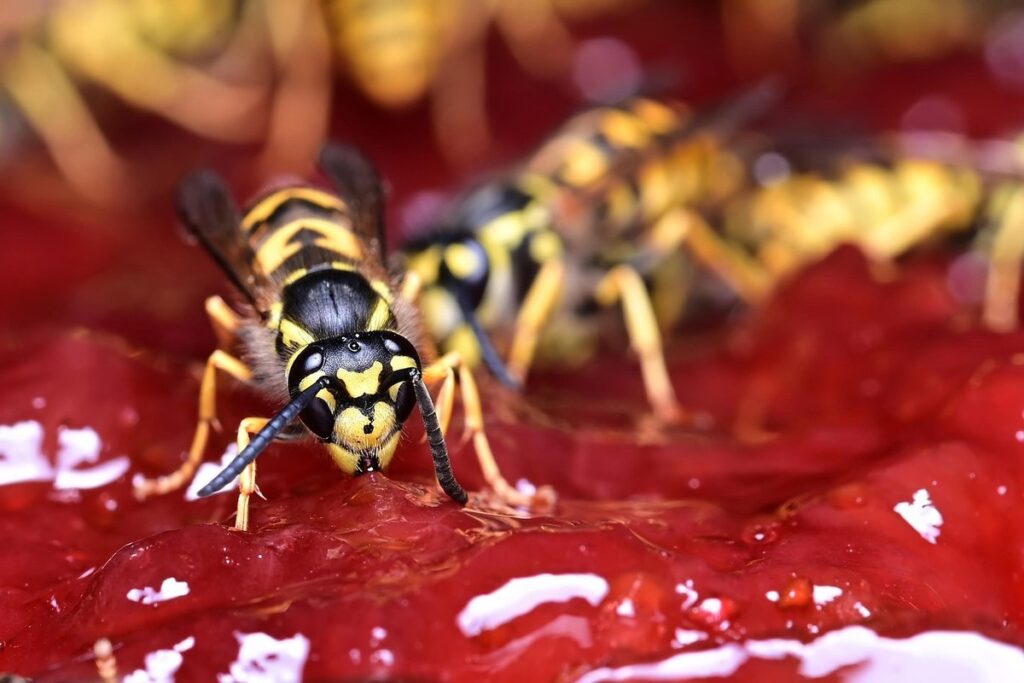
Tachinid wasps are often mistaken for other types of beneficial insects due to their distinctive appearance. They have a stout body and long, narrow wings, which can make them resemble carpenter bees or other wasp species. However, upon closer inspection, you’ll notice that tachinid wasps typically lack the bright coloration and prominent markings found on these other insects.
Some of the key characteristics of tachinid wasps include their relatively small size – usually between 1/4 to 1 inch in length – and their often dull or metallic-colored exoskeleton. They also tend to have a more sedentary lifestyle than other wasp species, spending much of their time hovering near flowers or nestled within vegetation.
One way to distinguish tachinid wasps from their lookalikes is by observing their behavior: while carpenter bees and some wasp species are typically aggressive and territorial, tachinid wasps tend to be more docile and non-confrontational. By recognizing these differences, you can better appreciate the unique characteristics of tachinid wasps in your garden.
Importance of Tachinid Wasps in Gardens
Tachinid wasps are unsung heroes in gardens everywhere. These tiny insects play a crucial role in controlling pest populations, making them beneficial for gardeners and farmers alike. By preying on caterpillars, flies, beetles, and even other wasp species, tachinid wasps help maintain a delicate balance in ecosystems.
For gardeners, this means fewer pesticides to apply, which is not only better for the environment but also for your crops. By having these natural predators in their garden, you’re essentially giving them a free pest control service. It’s estimated that one adult tachinid wasp can parasitize up to 50 caterpillars per season, significantly reducing infestation pressure.
To encourage tachinid wasps in your garden, plant a diverse range of flowers that provide nectar and pollen for adults, such as marigolds, zinnias, or cosmos. Avoid using broad-spectrum pesticides, which can harm these beneficial insects. By creating a welcoming environment for tachinid wasps, you’ll be taking a crucial step in managing pest populations naturally and promoting a healthier garden ecosystem.
Identifying Tachinid Wasps in Your Garden
To identify tachinid wasps, you’ll want to look for their distinctive markings and body shape, which can vary depending on the species. Take a close look at any wasp you spot in your garden.
Physical Characteristics for Identification
When identifying tachinid wasps in your garden, one of the most crucial steps is to observe their physical characteristics. These beneficial insects can be mistaken for other wasp species, but a closer look at their body shape, size, coloration, and wing patterns will help you accurately identify them.
Tachinid wasps are generally smaller than many other wasp species, ranging in length from 4-10 millimeters. Their slender bodies are usually yellow or black in color, with a metallic sheen that reflects light. The wings of tachinid wasps are long and narrow, often transparent or translucent, with distinctive veins that resemble a network of fine lines.
To differentiate them from other wasp species, take note of the following key characteristics:
* A narrow waist connecting their thorax to abdomen
* Six visible abdominal segments, each bearing a small white spot
* Long, thin antennae extending beyond their head
By paying attention to these physical traits, you’ll be able to confidently identify tachinid wasps in your garden and appreciate the important role they play in maintaining ecological balance.
Behavioral Observations for Identification
When observing tachinid wasps in your garden, pay attention to their behavior, as it can be a crucial factor in identifying them. These wasps are often seen flying slowly and deliberately around flowers, typically during the day. They tend to avoid confrontations with other insects and humans, preferring to focus on finding nectar and potential hosts for their larvae.
As you observe tachinid wasps, note that they don’t have a stinger, unlike many other wasp species. This is because female tachinids use their ovipositor to lay eggs inside the bodies of their hosts, making a sting unnecessary. When approaching flowers, they often fly in a zigzag pattern, inspecting the bloom before deciding whether it’s worth landing on.
Keep an eye out for the way tachinid wasps interact with other insects. They are often seen parasitizing caterpillars and beetles, laying their eggs inside the bodies of these hosts. This unique behavior can be a key distinguishing feature between tachinids and other beneficial or pest wasp species in your garden.
Attracting Tachinid Wasps to Your Garden
To attract these beneficial wasps, focus on creating a diverse and thriving garden ecosystem that offers them an abundance of food and shelter. This means planting a variety of flowers and herbs.
Creating a Welcoming Environment
To create a welcoming environment for tachinid wasps, you’ll want to focus on incorporating plants and structures that cater to their specific needs. These beneficial insects are attracted to gardens with an abundance of flowers, particularly those from the Asteraceae and Brassicaceae families. Consider planting sunflowers, zinnias, and cosmos, as these blooms provide a rich source of nectar and pollen for tachinid wasps.
In addition to plants, tachinid wasps also appreciate structures that offer shelter and protection. These include leaf litter, rock piles, and undisturbed areas with dense vegetation. By incorporating these elements into your garden design, you’ll be providing the perfect conditions for tachinid wasps to thrive.
When selecting plants, remember to choose varieties that are native to your region and require minimal maintenance. This will ensure that your garden remains a haven for beneficial insects like tachinid wasps throughout the growing season. By implementing these simple tips, you’ll be well on your way to creating a welcoming environment that attracts these valuable pollinators.
Providing Food Sources
Tachinid wasps are attracted to gardens with an abundance of food sources. These beneficial insects are drawn to nectar-rich flowers that provide a sweet energy boost for their daily activities. Planting a variety of flowers that bloom at different times ensures a constant supply of nectar throughout the growing season.
In addition to nectar, tachinid wasps also feed on aphids and other soft-bodied insects. If you have aphid-infested plants in your garden, you’ll likely attract these beneficial wasps. Consider planting a mix of flowers and crops that are susceptible to aphid attacks, such as marigolds, calendulas, or tomatoes.
To create an environment that attracts tachinid wasps, focus on providing a diverse range of nectar sources and aphid-infested plants. This will not only attract these beneficial insects but also other pollinators like bees and butterflies. Remember to maintain a balanced garden ecosystem by avoiding the use of pesticides, which can harm both pests and beneficial insects alike.
Managing Tachinid Wasp Populations
When it comes to tachinid wasps, knowing how to manage their populations is key to maintaining a balanced ecosystem in your garden. This section will guide you through effective population management strategies.
Balancing Their Numbers with Other Pest Control Methods
When managing tachinid wasp populations in your garden, it’s not always necessary to solely rely on biological control methods. In fact, sometimes using other pest control methods can help balance their numbers when they become too dominant. This is especially true if you notice a significant increase in tachinid wasp populations during certain seasons or when specific pest species are targeted.
One approach is to combine integrated pest management (IPM) techniques with biological control methods. For instance, using physical barriers or row covers can prevent adult tachinid wasps from accessing your plants, reducing their population growth rate. Alternatively, introducing beneficial nematodes or parasitic wasps that target specific pests can help mitigate the tachinid wasp population’s impact.
It’s essential to monitor your garden closely and adjust your management strategies accordingly. If you notice a surge in tachinid wasp activity during peak pest season, consider augmenting biological control methods with other techniques, such as crop rotation or using traps specifically designed for pests like aphids or caterpillars. This balanced approach can help maintain ecosystem balance without compromising the benefits provided by these beneficial insects.
Avoiding Chemical Pesticides
When it comes to managing tachinid wasp populations, it’s essential to approach pest control methods with care. Chemical pesticides are often the go-to solution for gardeners, but they can be detrimental to these beneficial insects and their ecosystem services.
These wasps play a crucial role in pollination and pest control by laying eggs inside insect pests, thereby controlling their population naturally. Chemical pesticides can harm tachinid wasps directly or indirectly by disrupting their food sources, habitats, or even the very insects they prey on. This ripple effect can have long-lasting consequences for your garden’s ecosystem.
To avoid harming these beneficial insects, opt for integrated pest management (IPM) strategies that combine physical barriers, cultural controls, and biological methods. For example, hand-picking infested plants, using row covers to prevent insect pests from reaching your crops, or introducing natural predators like ladybugs can be effective alternatives to chemical pesticides.
By adopting these methods, you’ll not only protect tachinid wasps but also maintain a balanced ecosystem that benefits your garden’s overall health.
The Role of Tachinid Wasps in Pest Control
Tachinid wasps play a crucial role in pest control by preying on various pests, including beetles and flies that can be damaging to your garden. Let’s take a closer look at their vital function.
How They Attack and Parasitize Pests
When tachinid wasps target pests, they go about it in a rather sinister yet fascinating way. The process begins with a female tachinid wasp laying her eggs inside the body of a host insect, which can be anything from a caterpillar to a beetle. This is a clever move on their part, as the host insect’s internal organs provide the perfect incubator for the developing larvae.
As the eggs hatch, the larvae feed on the host insect’s internal tissues, eventually killing it in the process. It may seem gruesome, but this is actually an essential part of maintaining ecosystem balance. The parasitized host insects are then typically discarded by the wasps, which may use them as a food source for their own offspring.
Interestingly, tachinid wasps can choose from a wide range of hosts, depending on what’s available and suitable at any given time. They’re like skilled surgeons, inserting their eggs with precision and leaving the host insect to slowly succumb to the parasitic invasion. The entire cycle takes several weeks to complete, after which the adult tachinid wasps emerge from the soil, ready to start the process anew.
Real-World Examples of Successful Pest Control Using Tachinid Wasps
Tachinid wasps have been successfully utilized in various real-world scenarios to control pest populations in gardens and agricultural settings. For instance, a study conducted in Japan demonstrated the effectiveness of introducing Tachina fera, a species of tachinid wasp, into apple orchards to combat Drosophila suzukii infestations. The results showed a significant reduction in fruit damage by over 70%, making this approach an attractive option for sustainable pest management.
In another instance, researchers in South Korea employed the tachinid wasp, Cylindromma punctatum, to control populations of the Asian longhorned beetle (Anoplophora glabripennis). By introducing these beneficial insects into affected areas, they were able to reduce the beetle’s population by 40% within a single season. These examples highlight the potential of tachinid wasps as a natural and environmentally friendly method for controlling pest populations in gardens and agricultural settings.
These studies demonstrate the potential of tachinid wasps as a valuable tool in integrated pest management strategies, providing a promising alternative to traditional chemical-based control methods.
Common Misconceptions About Tachinid Wasps
Some people view tachinid wasps as pests, but many misconceptions exist about these beneficial insects that are actually a gardener’s best friend. Let’s explore some of these myths up close.
Debunking Myths Surrounding Their Behavior
One of the most common misconceptions about tachinid wasps is that they are aggressive and will attack humans on sight. This couldn’t be further from the truth. In reality, tachinid wasps are generally docile insects that only sting when provoked or threatened. They don’t have a functional stinger in the same way as some other wasp species.
Unlike yellowjackets or paper wasps, which can become aggressive and swarm when their nests are disturbed, tachinid wasps tend to flee quickly if they feel threatened. This is because they’re primarily focused on finding hosts for their larvae to parasitize, not on defending themselves against predators.
If you encounter a tachinid wasp in your garden, the best course of action is usually simply to leave it be. They’re not interested in stinging humans and are actually beneficial insects that play an important role in controlling pest populations. By coexisting with these wasps, you can reap the rewards of their presence without worrying about their behavior towards you or your family.
Understanding Their Role in Pollination and Ecosystem Health
Tachinid wasps play a vital role in pollination and ecosystem health, often misunderstood as just being pesky invaders. However, their presence is actually a sign of a balanced garden ecosystem. These beneficial insects are important pollinators, transferring pollen between flowers as they feed on nectar. In fact, some species of tachinid wasps are even more efficient at pollination than honeybees.
In addition to pollination, tachinid wasps contribute significantly to ecosystem health by serving as a food source for other animals. Their larvae are a vital source of protein for birds, bats, and spiders, supporting the local food chain. They also prey on aphids, whiteflies, and caterpillars, making them natural pest controllers that don’t harm beneficial insects.
To encourage tachinid wasps in your garden, consider planting a diverse range of flowers that provide nectar and pollen. This will not only attract these beneficial wasps but also other pollinators like bees and butterflies. By embracing the presence of tachinid wasps, you’ll be supporting a healthier ecosystem and reducing your need for pesticides.
Frequently Asked Questions
How can I ensure the tachinid wasps in my garden are effectively controlling pest populations?
To maximize their impact, create a diverse and balanced ecosystem by incorporating various plant species, including nectar-rich flowers that attract adult tachinid wasps. This will encourage them to lay eggs on pests, ensuring the next generation of wasps continues the parasitic cycle.
Can I use tachinid wasp nests as an indicator of their effectiveness in my garden?
Yes, observing tachinid wasp nests can be a valuable sign of their presence and success. A high number of active nests indicates a healthy population, which should translate to effective pest control. However, keep in mind that nest activity may fluctuate due to environmental factors.
How do I balance attracting tachinid wasps with other pest control methods?
To maintain an equilibrium between natural predators like tachinid wasps and chemical pesticides or other control measures, monitor your garden’s ecosystem closely. If you notice a significant decline in pest populations, consider adjusting your approach to ensure the balance remains intact.
Are there any potential risks associated with having high numbers of tachinid wasp populations?
While beneficial, extremely high numbers of tachinid wasps can occasionally lead to over-parasitization, potentially harming non-target species. Regularly assess your garden’s ecosystem and adjust as needed to maintain a balanced population.
Can I attract tachinid wasps to my garden if it has a history of heavy pesticide use?
Yes, but it may take time for the ecosystem to recover. Introduce organic gardening practices and incorporate plants that provide nectar sources for adult tachinid wasps. Be patient, as it may take several seasons for beneficial insect populations to rebound and become effective at controlling pests.