
Are you looking for ways to supercharge your meals with nutrient-rich ingredients? Look no further than Swiss chard leaves, a delicious and versatile superfood that deserves a spot in your kitchen. Packed with vitamins A, C, and K, as well as minerals like calcium and iron, these leafy greens are the perfect addition to salads, smoothies, and sautéed dishes alike.
In this article, we’ll delve into the benefits of Swiss chard leaves, share mouthwatering recipe ideas, and provide expert growing tips for those who want to cultivate their own. Whether you’re a seasoned chef or a beginner cook, you’ll learn how to harness the full potential of these incredible leaves in your cooking. From adding depth to soups to providing a burst of flavor in pasta dishes, we’ll explore it all – so let’s dive into the wonderful world of Swiss chard!
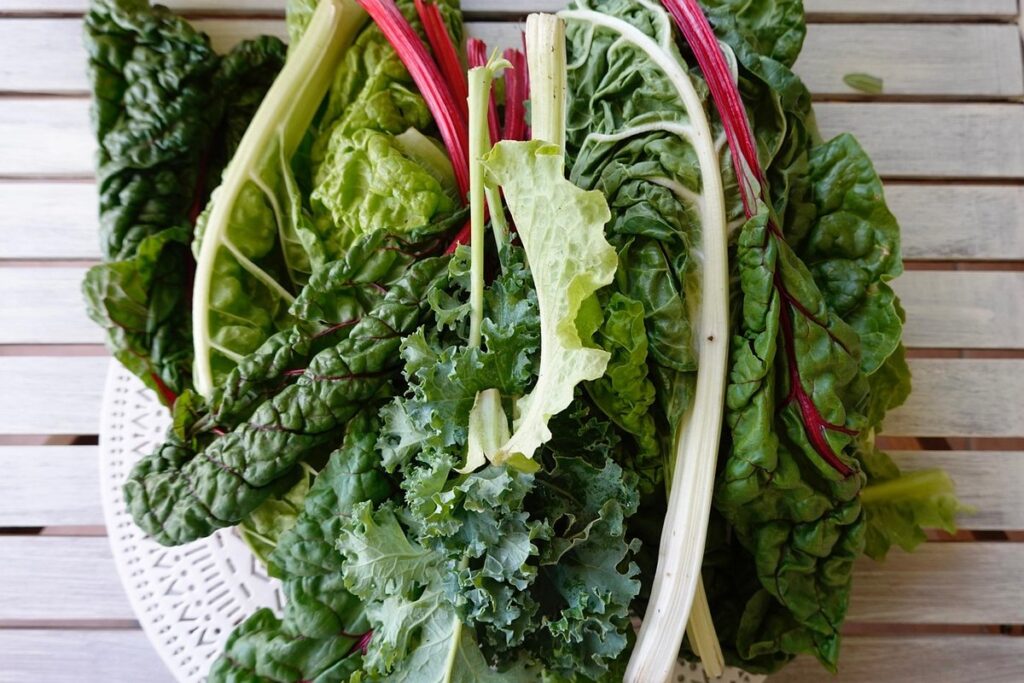
Introduction to Swiss Chard
Let’s get started by exploring one of the most nutritious leafy greens out there: Swiss chard. This section will introduce you to its impressive health benefits and culinary uses.
What is Swiss Chard?
Swiss chard is a nutrient-dense leafy green vegetable that has been prized for its culinary and medicinal properties for centuries. Native to the Mediterranean region, this cool-season crop was first cultivated by the Greeks and Romans, who revered it for its health-giving qualities.
Belonging to the beet family (Chenopodiaceae), Swiss chard is a member of the same plant family as beets, spinach, and quinoa. Its leaves are not only packed with vitamins A, C, and K, but also minerals such as magnesium, potassium, and iron. The plant’s rich nutrient profile makes it an excellent addition to any meal, providing a boost of antioxidants, fiber, and essential micronutrients.
In the United States, Swiss chard was introduced by European settlers in the 18th century, where it quickly gained popularity for its hardiness and adaptability to various climates. Today, this versatile leafy green is enjoyed worldwide, with many varieties available to suit different tastes and cooking styles. Whether you’re a seasoned gardener or a busy cook, Swiss chard is an excellent choice for incorporating more nutrients into your diet and adding variety to your meals.
Benefits of Inclusion in Modern Diets
Incorporating Swiss chard into modern diets can provide a wealth of essential nutrients, fiber, and antioxidants. For instance, one cup of cooked Swiss chard contains over 100% of the daily recommended intake of vitamin K, an essential nutrient for blood clotting and bone health. Additionally, it’s rich in iron, calcium, magnesium, and potassium – all vital minerals that can help prevent deficiencies and chronic diseases.
The fiber content in Swiss chard is also noteworthy. A medium-sized serving contains a significant amount of dietary fiber, which can help promote digestive regularity, satiety, and healthy blood sugar levels. Moreover, the antioxidants present in Swiss chard have been shown to have anti-inflammatory properties, protecting against cell damage and oxidative stress.
To reap the benefits of Swiss chard, consider adding it to your salads, sautéing it with garlic as a side dish, or incorporating it into soups and stews. You can also cook it with olive oil and lemon juice for a nutrient-packed stir-fry. With its mild flavor and versatility in cooking methods, there’s no excuse not to incorporate Swiss chard into your modern diet.
Nutritional Profile of Swiss Chard Leaves
Swiss chard leaves are packed with nutrients, and let’s break down their impressive profile to see exactly what makes them a superfood. We’ll dive into their vitamin and mineral content next.
Macronutrient Breakdown
Swiss chard leaves are an excellent source of macronutrients, providing sustained energy and supporting overall health. A 100-gram serving of Swiss chard contains approximately 2 grams of protein, which is essential for building and repairing muscles. This amount may seem modest, but it’s crucial to note that combining Swiss chard with other plant-based foods can help meet daily protein requirements.
Carbohydrates are another significant component, comprising around 6-7% of the leafy green’s dry weight. These complex carbs are rich in dietary fiber, which supports digestive health and satiety. To incorporate Swiss chard into your meal plan effectively, consider pairing it with whole grains or lean proteins for a balanced carb-protein combination.
Fats, although present in smaller amounts (around 0.2-0.3 grams per 100 grams), contribute to the overall nutritional value of Swiss chard. These unsaturated fats help maintain healthy cell membranes and support the absorption of fat-soluble vitamins. When cooking with Swiss chard, be mindful not to overcook it, as this can lead to a loss of these beneficial nutrients.
Micronutrient Content
Swiss chard leaves are an impressive source of vitamins and minerals that contribute significantly to its nutritional profile. Rich in vitamin A, Swiss chard helps protect the eyes from age-related macular degeneration and supports skin health. Vitamin C content is also noteworthy, with one cup providing about 20% of the daily recommended intake. This boost in immunity can help fight off infections and support collagen production.
In addition to vitamins, Swiss chard leaves are also packed with essential minerals like potassium, magnesium, and iron. Potassium plays a crucial role in maintaining healthy blood pressure levels, while magnesium supports bone health and aids in muscle function. Iron content is particularly beneficial for individuals who follow a plant-based diet or have iron deficiency anemia.
A serving of Swiss chard leaves per day can help bridge the nutritional gap in these essential vitamins and minerals. For instance, incorporating Swiss chard into salads, sautéing it with garlic as a side dish, or adding it to soups are simple ways to reap its benefits.
Culinary Uses and Preparation Methods
Now that you’ve learned about the impressive nutritional benefits of Swiss chard leaves, let’s dive into how to cook and incorporate them into your favorite dishes. We’ll cover various preparation methods to bring out their unique flavor and texture.
Raw vs. Cooked Preparations
When it comes to cooking with Swiss chard leaves, you have a multitude of options that cater to various tastes and textures. If you’re looking for a refreshing way to incorporate them into your diet, consider using raw Swiss chard leaves in salads or as a smoothie ingredient. The mild flavor and crunchy texture pair well with citrus vinaigrettes and complement the sweetness of fruits like apples and berries.
For a cooked approach, sautéing Swiss chard leaves is a simple way to bring out their natural sweetness while preserving most of their nutrients. Simply heat some olive oil in a pan, add minced garlic or onions for added flavor, and then add your chopped Swiss chard leaves. Cooking them down with a bit of salt and pepper will result in tender, slightly caramelized leaves that make a great side dish.
Steaming is another cooking method that helps retain the nutritional value of Swiss chard leaves while making them palatable to those who prefer their greens cooked through. To steam Swiss chard, place it in a steamer basket over boiling water and cook for 3-5 minutes, or until the leaves are tender but still crisp.
Braising is a great way to make Swiss chard leaves more substantial, especially when paired with protein-rich ingredients like meat or beans. This method involves cooking your Swiss chard leaves low and slow in liquid (stock or wine work well), resulting in tender, fall-apart leaves that are infused with the flavors of the surrounding ingredients.
Pairing with Other Ingredients
When it comes to cooking with Swiss chard leaves, the possibilities are endless. To unlock their full flavor potential, consider pairing them with other ingredients that complement their slightly bitter taste. For instance, sauté chopped garlic until fragrant and then add sliced Swiss chard leaves for a classic combination.
To elevate this simple recipe, squeeze some fresh lemon juice over the chard leaves before adding them to the pan. The acidity will help cut through the bitterness, creating a well-balanced flavor profile. Olive oil is another staple that pairs beautifully with Swiss chard, especially when used in moderation to add richness without overpowering the dish.
Spices can also play a significant role in enhancing the taste of Swiss chard. Consider adding a pinch of red pepper flakes for an Italian-inspired twist or a sprinkle of ground cumin for a Middle Eastern flair. Whichever combination you choose, be sure to cook the Swiss chard leaves until they’re tender but still retain some crunch. This will ensure maximum retention of their nutritional value while also providing a satisfying texture in your dish.
Health Benefits of Consuming Swiss Chard
Let’s dive into one of the most exciting aspects of Swiss chard: its impressive array of health benefits that make it a superfood worth incorporating into your diet. From reducing inflammation to supporting eye health, you’ll be amazed at all it can do.
Reducing Inflammation
Swiss chard is more than just a nutritious addition to your meals – it’s also an anti-inflammatory powerhouse. Chronic inflammation is a silent killer that can lead to heart disease, diabetes, and even cancer. But what if you could reduce inflammation with the food on your plate? Swiss chard’s potent blend of vitamins, minerals, and antioxidants makes it an effective tool in the fight against chronic inflammation.
Rich in magnesium, potassium, and vitamin K, Swiss chard helps regulate blood flow and pressure, reducing oxidative stress and promoting overall cardiovascular health. Its high levels of kaempferol, a flavonoid antioxidant, have been shown to inhibit inflammatory enzymes and reduce inflammation in various studies. Simply sautéing or steaming Swiss chard can help unlock its anti-inflammatory properties.
To get the most out of Swiss chard’s anti-inflammatory benefits, try incorporating it into your diet as a side dish or adding it to your favorite soups and stews. Use Swiss chard leaves in place of spinach or kale for an added nutritional boost. With its sweet, earthy flavor, you’ll be eager to experiment with new recipes and make Swiss chard a staple in your kitchen.
Supporting Eye Health
Swiss chard is renowned for its exceptional nutritional profile, and one of its most significant health benefits lies in its ability to support eye health. This is largely due to the high levels of lutein and zeaxanthin present in these leaves.
Lutein and zeaxanthin are two powerful carotenoids that serve as natural antioxidants, shielding our eyes from damage caused by blue light and oxidative stress. By consuming Swiss chard regularly, you can significantly boost your intake of these essential nutrients. In fact, a single serving of cooked Swiss chard can provide up to 6 times more lutein than an equivalent amount of spinach.
This potent duo has been shown to play a crucial role in preventing age-related macular degeneration (AMD), one of the leading causes of vision loss among older adults. Studies have demonstrated that consuming lutein and zeaxanthin can slow down AMD progression by up to 25%. To reap these benefits, aim to incorporate Swiss chard into your diet at least twice a week, or try adding it to salads, smoothies, and sautéed dishes for an added nutritional boost.
Using Swiss Chard in Various Dishes
Now that you’ve learned how to grow and prepare Swiss chard, let’s explore some delicious ways to incorporate it into your favorite recipes. From soups to pasta dishes, we’ll share our top tips for using swiss chard in various tasty meals.
Savory Recipes
Swiss chard is incredibly versatile and can add depth and nutrition to a variety of savory dishes. Let’s start with some hearty stews and soups that feature Swiss chard as the star ingredient. In “Lentil and Swiss Chard Stew,” simply sauté onions, garlic, and chopped Swiss chard in olive oil before adding lentils, diced tomatoes, and vegetable broth. Simmer until the lentils are tender for a nutritious and filling meal.
You can also use Swiss chard to make a delicious and comforting spinach-free soup. Try “Roasted Carrot and Swiss Chard Soup,” which involves roasting carrots and onions in the oven before pureeing them with cooked Swiss chard, vegetable broth, and coconut milk.
Swiss chard is also a great addition to casseroles, where its slightly bitter flavor can balance out rich ingredients like cheese or meat. In “Braised Short Ribs with Swiss Chard,” cook short ribs in a flavorful sauce with chopped Swiss chard until the meat falls off the bone.
Sweet Treats
Who says Swiss chard is only for savory dishes? While it’s true that its earthy flavor pairs well with meats and vegetables, this nutritional powerhouse can also shine in sweet treats. In fact, the mild bitterness of swiss chard balances out sweetness perfectly.
Start by adding fresh leaves to your morning smoothies or juices. The subtle nutty flavor complements citrus fruits like oranges and grapefruits beautifully. For example, blend 1 cup frozen pineapple with 1/2 cup coconut water, 1 handful fresh Swiss chard leaves, and a squeeze of lime juice for a refreshing breakfast drink.
Swiss chard also makes a great addition to desserts. Simply sauté the leaves with some butter and sugar until they’re tender, then fold them into your favorite muffin or cake batter. The sweetness will caramelize and balance out the earthy taste of the greens. Try substituting 1/4 cup chopped Swiss chard for spinach in your favorite brownie recipe – it’s a game-changer!
Tips for Growing and Storing Swiss Chard
To get the most out of your Swiss chard crop, follow these expert tips on how to grow and store it to keep it fresh throughout the year. Learn simple techniques for optimal storage.
Planting and Care Instructions
When planting Swiss chard in your home garden, it’s essential to get it right from the start. Swiss chard is a cool-season crop, which means it thrives in temperatures between 40°F and 70°F (4°C and 21°C). For optimal growth, choose a spot that receives partial shade, especially during the hottest part of the day.
Before planting, prepare your soil by loosening it to a depth of about 8-10 inches. Swiss chard prefers well-draining, rich soil with a pH between 6.0 and 7.0. You can test your soil’s pH level using a DIY kit or consult a local nursery for guidance.
Sow seeds directly into the garden in early spring or late summer/early fall, about 2-4 weeks before the first frost. Sow them about 1 inch deep and 2-3 inches apart. Keep the soil consistently moist during the first few weeks after planting. As the plants grow, you can space them about 6-12 inches apart.
Some common pests that may affect Swiss chard include aphids, slugs, and snails. To manage these issues, use organic methods such as introducing beneficial insects or hand-picking affected areas.
Storage and Preservation Techniques
When it comes to storing and preserving Swiss chard leaves, proper techniques will help retain their nutritional value and extend their shelf life. Freezing is an excellent method for short-term storage. Simply blanch the leaves in boiling water for 30 seconds to kill off bacteria, then shock them in an ice bath to stop the cooking process. Package the frozen leaves in airtight containers or freezer bags and store them at 0°F (-18°C) or below.
Dehydrating is another effective method for long-term storage. Slice the leaves thinly and dry them using a food dehydrator or your oven on its lowest temperature setting (150°F/65°C). Store dried Swiss chard in airtight containers to preserve flavor and nutrition.
For a tangy twist, try pickling Swiss chard leaves with vinegar, salt, and spices. This method not only adds flavor but also helps to preserve the leaves for several weeks.
Conclusion: The Versatility of Swiss Chard Leaves
Now that we’ve explored the numerous health benefits and creative uses for Swiss chard leaves, let’s tie everything together with some practical applications. Here are just a few more ideas to get you cooking.
Recap of Key Benefits
Incorporating Swiss chard leaves into your diet offers a multitude of benefits that make them an invaluable addition to your kitchen. From a nutritional standpoint, they are rich in vitamins A, C, and K, as well as minerals like magnesium and iron. The high water content in swiss chard also makes it an excellent choice for those looking to increase their hydration levels.
Culinary-wise, swiss chard leaves can be used in a variety of dishes, from sautéed sides to hearty salads. Their slightly bitter flavor pairs well with sweet ingredients like cherry tomatoes and balsamic glaze, making them a versatile ingredient in both summer and winter recipes. When it comes to health benefits, the high antioxidants present in swiss chard have been shown to reduce inflammation and improve cardiovascular health.
One practical tip for incorporating more swiss chard into your diet is to sauté it with garlic as a side dish, or add it to soups and stews towards the end of cooking time. This will help retain its nutrient-rich properties while adding depth to your meals. With its impressive nutritional profile and adaptability in the kitchen, it’s no wonder swiss chard leaves are quickly becoming a staple for health-conscious home cooks.
Final Thoughts on Unlocking Potential
As you’ve learned about the incredible nutritional benefits and versatility of Swiss chard leaves, we encourage you to experiment with them in a variety of recipes. Don’t be afraid to think outside the box – Swiss chard can add depth and nutrition to both savory and sweet dishes.
Consider trying it sautéed as a side dish, or blended into smoothies for an extra boost of vitamins A, C, and K. You can also use the leaves as a wrapping substitute in place of tortillas or collard greens. The possibilities are endless!
One way to unlock Swiss chard’s potential is by using it in salads. Simply chop the leaves and combine with your favorite fruits, nuts, and cheeses for a nutrient-packed meal. For an added twist, try roasting the leaves with garlic and lemon juice before adding them to your salad.
As you continue to explore the uses of Swiss chard, keep in mind that it’s also a great addition to soups, stews, and casseroles. By incorporating this superfood into your cooking repertoire, you’ll not only elevate your dishes but also provide your body with essential vitamins and minerals. So go ahead – get creative and see what new recipes you can come up with using Swiss chard leaves!
Frequently Asked Questions
Can I grow Swiss chard indoors, or is it best suited for outdoor cultivation?
You can successfully grow Swiss chard indoors with proper lighting and temperature control. Choose a container that’s at least 6-8 inches deep to accommodate the plant’s taproot. Ensure bright, indirect light and maintain temperatures between 60°F to 70°F (15°C to 21°C) for optimal growth.
How do I store Swiss chard leaves to keep them fresh for an extended period?
To preserve the nutritional value and freshness of Swiss chard leaves, wrap them tightly in plastic bags or aluminum foil and store them in the refrigerator at a consistent temperature below 40°F (4°C). Use within 5-7 days. For longer storage, consider freezing or dehydrating the leaves to retain their flavor and nutrients.
Can I use Swiss chard as a substitute for spinach or kale in recipes?
Yes, you can substitute Swiss chard for other leafy greens like spinach or kale, but note that its slightly bitter taste may alter the dish’s overall character. Start with smaller amounts and adjust seasoning accordingly to balance flavors. Also, keep in mind that Swiss chard has a higher water content than spinach, so cooking times might vary.
What are some common mistakes people make when preparing Swiss chard, and how can I avoid them?
Common errors include overcooking the leaves, which leads to loss of nutrients, and not removing enough stem material from the center. To avoid this, blanch or quickly sauté the stems before adding the leaves to prevent bitterness. Also, adjust cooking times based on the dish’s specific requirements and the desired texture.
Can I use Swiss chard in sweet recipes, like desserts or baked goods?
Yes, you can incorporate Swiss chard into sweet dishes for added nutritional value and unique flavor profiles. Use cooked, pureed Swiss chard as a substitute for spinach or add it to muffin batter to create nutrient-dense treats. Be cautious when pairing with strong flavors to avoid overwhelming the dish’s character.