
Growing your own Swiss chard can be a delightful experience, but it requires some know-how to bring out its full potential. If you’re new to growing this leafy green, selecting the right variety is crucial – with many options available, from classic Fordhook Giant to the more compact Lucullus, each has its unique characteristics and growing requirements.
In this comprehensive guide, we’ll walk you through every step of the Swiss chard growing process. We’ll cover essential tips on soil preparation, ensuring it’s fertile and well-draining for optimal growth. You’ll also learn how to sow seeds correctly, including timing and spacing considerations. With these expert growing tips, you’ll be able to harvest a bountiful crop of nutritious and delicious Swiss chard in no time!
Choosing the Right Variety
When it comes to growing Swiss chard, selecting the right variety can make a big difference in its performance and flavor. Let’s explore the different options available.
Understanding the Different Types of Swiss Chard
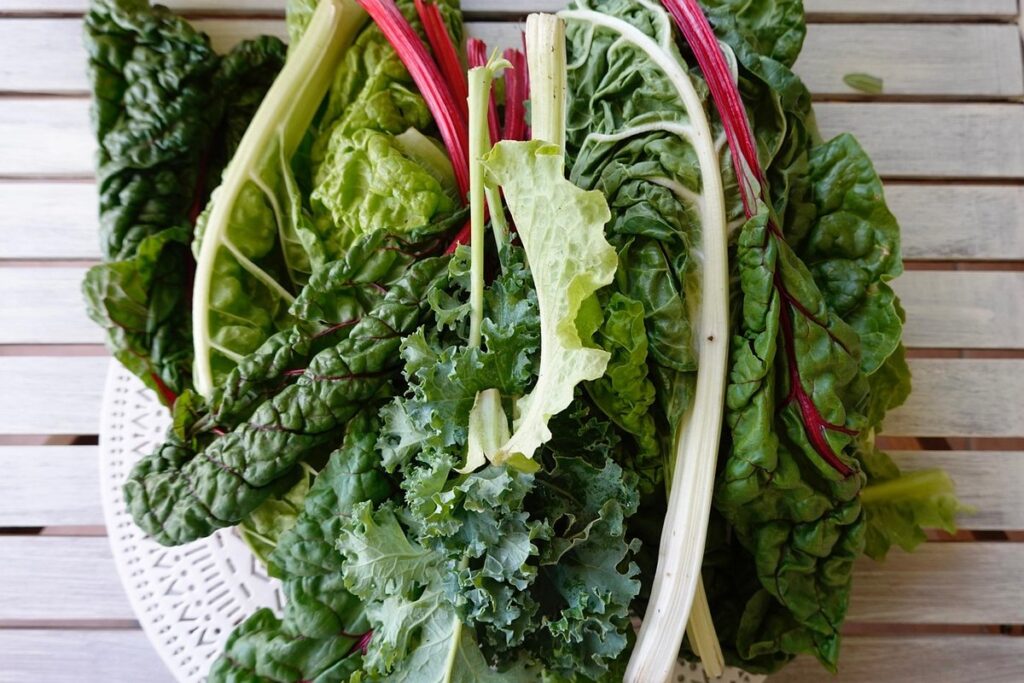
When it comes to growing Swiss chard, understanding the different types can make all the difference. There are several varieties of Swiss chard, each with its unique characteristics and growth habits. Some popular types include ‘Rainbow’, ‘Fordhook Giant’, and ‘Perpetual Spinach’. The ‘Rainbow’ variety is known for its vibrant colors and milder flavor, making it ideal for salads and sautéed dishes.
The ‘Fordhook Giant’ type boasts large, crinkly leaves that can grow up to 24 inches tall. It’s a popular choice among gardeners due to its hardiness and resistance to bolting. On the other hand, ‘Perpetual Spinach’ has smaller, more delicate leaves that are perfect for adding a burst of flavor to soups and stews.
When selecting a variety, consider your climate, available space, and personal preferences. For example, if you live in a cooler region, opt for varieties like ‘Rainbow’ or ‘Perpetual Spinach’, which thrive in slightly cooler temperatures. If you have limited space, choose compact varieties like ‘Ruby Red’. By choosing the right type of Swiss chard for your needs, you’ll be well on your way to growing this nutritious and versatile crop.
Selecting a Variety for Your Climate
When selecting a Swiss chard variety for your garden, it’s essential to consider your region’s climate and growing conditions. This will ensure that your crop thrives and produces the best possible results.
Start by checking the seed packet or consulting with local nurseries and gardening experts about the specific varieties they recommend for your area. Look for varieties that are bred for heat tolerance, cold hardiness, or resistance to pests and diseases common in your region. Some popular Swiss chard varieties include ‘Rainbow’, ‘Fordhook Giant’, and ‘Perpetual Spinach’. These varieties have been developed specifically to withstand various climate conditions.
Consider factors such as temperature, sunlight, and rainfall patterns when selecting a variety. For example, if you live in an area with high summer temperatures, look for heat-tolerant varieties like ‘Rainbow’ or ‘Fordhook Giant’. If your region experiences harsh winters, choose cold-hardy varieties that can withstand frost.
By choosing the right Swiss chard variety for your climate, you’ll be well on your way to growing a successful and resilient crop.
Preparing the Soil
Before planting Swiss chard, it’s essential to prepare the soil properly by loosening and aerating it to a depth of at least 12 inches. This step will help your crop thrive in its new home.
Testing and Amending the Soil
When growing Swiss chard, one of the most crucial steps in preparing the soil is testing its pH and nutrient levels. This may seem like a straightforward process, but it’s surprising how often gardeners overlook this step. Swiss chard prefers well-draining, slightly acidic to neutral soils with a pH between 6.0 and 7.5.
To test your soil, you can use a DIY kit or send a sample to a lab for analysis. The results will reveal the levels of essential nutrients like nitrogen, phosphorus, potassium, and other micronutrients. Based on the results, you may need to amend the soil with organic matter such as compost, manure, or peat moss.
For example, if your test reveals low nitrogen levels, you can add a balanced fertilizer (10-10-10 NPK) according to the manufacturer’s instructions. On the other hand, if your soil is too alkaline, adding sulfur will help lower the pH. It’s also essential to consider adding organic matter like compost or leaf mold to improve the overall structure and fertility of the soil.
Remember, every garden is unique, so it’s crucial to tailor your amendments to your specific soil conditions. With a little patience and effort, you’ll be able to create an ideal environment for your Swiss chard plants to thrive.
Creating a Fertile Growing Environment
To create a fertile growing environment for your Swiss chard crop, you’ll want to focus on enriching the soil with organic matter. This will not only provide essential nutrients but also improve its structure and drainage. One of the best ways to do this is by adding compost or well-rotted manure.
Compost is a rich source of nutrients that can help Swiss chard grow strong and healthy. You can either purchase compost from a gardening store or create your own using kitchen scraps, leaves, and other organic waste. Mix 2-3 inches of compost into the top 6-8 inches of soil to give your plants a nutrient boost.
Alternatively, you can use well-rotted manure as a natural fertilizer. This will add a rich source of nitrogen, phosphorus, and potassium to the soil, promoting healthy plant growth. When using manure, be sure to mix it into the soil thoroughly to avoid any burning effects on your plants’ roots.
By incorporating organic matter into your soil, you’ll be creating an ideal environment for your Swiss chard to thrive in.
Sowing Swiss Chard Seeds
To get started with growing swiss chard, you’ll need to know how to sow its seeds correctly, and that begins with choosing the right soil and sowing depth.
When to Plant Swiss Chard
When determining when to plant Swiss chard seeds, consider the last frost date and soil temperature in your area. In general, it’s best to sow seeds outdoors 2-4 weeks before the last frost date for a cooler climate or as soon as the soil can be worked for warmer climates.
Check the specific last frost date for your region by consulting a reliable weather website or extension office. For most areas, this is around late March or early April in the Northern Hemisphere and September or October in the Southern Hemisphere.
Additionally, wait until the soil temperature has reached at least 40°F (4°C) to ensure optimal germination rates. You can use a soil thermometer to check the current temperature. Sowing seeds too early, when temperatures are still below ideal levels, may result in poor growth and increased susceptibility to pests and diseases.
Keep in mind that some Swiss chard varieties mature faster than others, so be sure to check the specific growing instructions for your chosen variety before planting.
Sowing Seeds Indoors vs. Directly in the Garden
When it comes to sowing Swiss chard seeds, you’re faced with two popular options: starting them indoors and then transplanting them into the garden, versus directly sowing them into the soil outside. Each method has its advantages and disadvantages.
Starting seeds indoors allows for a head start on the growing season, providing about 4-6 weeks of extra growth before being transferred to the garden. This can be especially beneficial in areas with cool springs or harsh winters. However, indoor seedlings often require more maintenance, including frequent watering and careful monitoring for pests and diseases.
Direct sowing into the garden skips this extra step, but it means you’ll need to wait until the soil is warm enough and the risk of frost has passed. In warmer climates, direct sowing can be a great option, allowing the plants to mature more quickly. Consider starting seeds indoors if you have limited outdoor space or want an earlier harvest, while direct sowing might be more suitable for those with ample garden room and warmer temperatures.
Caring for Swiss Chard Plants
To keep your Swiss chard plants thriving, it’s essential to provide them with proper care, including regular watering and fertilization. Here are some tips to help you get it right!
Watering and Mulching Tips
Watering Swiss chard plants is essential to promote healthy growth and prevent pests. Overwatering can lead to root rot, while underwatering can cause the leaves to wilt and become bitter. To determine if your Swiss chard needs watering, check the soil moisture by inserting your finger into the soil up to the first knuckle. If the soil feels dry, it’s time to water.
Water your Swiss chard plants in the morning or early afternoon to give them a chance to absorb the water throughout the day. Avoid getting water on the leaves to prevent fungal diseases from developing. Instead, focus on watering the base of the plant, where the roots are located.
Mulching is another crucial step in maintaining healthy Swiss chard plants. Mulch helps retain moisture, suppress weeds, and regulate soil temperature. Use a 2-3 inch layer of organic mulch such as wood chips or straw around your Swiss chard plants. This will help keep the soil cool and prevent water from evaporating too quickly.
By following these watering and mulching tips, you can create an ideal environment for your Swiss chard plants to thrive. With proper care, they’ll produce healthy leaves that are perfect for salads, sautéing, or steaming.
Controlling Pests and Diseases
Swiss chard plants can be susceptible to various pests and diseases that may impact their growth and yield. Common pests like aphids, slugs, and snails feed on the leaves and stems of Swiss chard, while diseases such as powdery mildew and leaf spot can cause damage.
Aphids are tiny, soft-bodied insects that feed on plant sap, causing curled or distorted leaves. To manage aphid infestations, inspect your plants regularly and remove any heavily infested areas. Use neem oil or insecticidal soap to control the population, following the product’s instructions for application rates and timing.
Slugs and snails are nocturnal pests that leave behind silvery trails on the leaves as they feed. Use copper tape around planters or collars made from crushed eggshells to deter these pests. Set traps using beer or yeast-based baits to capture them at night.
Regularly inspect your plants for signs of disease, such as yellowing leaves, powdery patches, or black spots. Practice good hygiene by removing infected areas and disinfecting tools. Apply fungicides according to the product’s instructions to prevent further spread.
Harvesting and Storing Swiss Chard
Now that you’ve grown your Swiss chard, let’s dive into how to harvest it at its best flavor and texture, plus some expert tips on storing it for later use.
When to Harvest Swiss Chard
When it comes to harvesting Swiss chard, timing is everything. You want to pick your leaves and stems at the right moment to ensure they’re tender, flavorful, and at their peak nutritional value.
For leafy greens like Swiss chard, the ideal time for harvest depends on their size and maturity. If you’re looking for baby leaves, you can start harvesting them as soon as they’re about 2-3 inches tall. Simply snip off the entire leaf at the base of the stem using scissors or a sharp knife.
For larger leaves and stems, wait until they’ve reached 6-8 inches in height. At this stage, you can harvest individual leaves or stems by cutting them off at the base, leaving about an inch of stem intact to allow for regrowth.
It’s essential to harvest Swiss chard regularly to encourage continuous growth and prevent the plants from flowering. Regular harvesting also helps maintain the plant’s nutrient balance and prevents over-maturity, which can lead to bitterness.
If you’re growing Swiss chard in a cooler climate, you may need to harvest more frequently to keep up with the plant’s growth rate. In warmer climates, you might be able to get away with less frequent harvests.
Tips for Storage and Preservation
To maintain the nutritional value and flavor of harvested Swiss chard, proper storage and preservation techniques are crucial. Begin by trimming off the stems and discarding any wilted or damaged leaves. Store the bunches in a sealed plastic bag with the air removed to prevent moisture buildup.
For longer-term storage, wrap individual bunches in damp paper towels or cloths and place them in airtight containers or zip-top bags. This will maintain humidity levels and prevent drying out. Refrigerate at 32°F (0°C) or below, where they can be stored for up to five days. To freeze, blanch the leaves in boiling water for one minute, then immediately plunge them into an ice bath to stop cooking. Package the cooled leaves in airtight containers or freezer bags and store in the freezer at 0°F (-18°C) or below.
Frozen Swiss chard is perfect for soups, stews, and casseroles, where it can be added directly from the freezer. When thawing, simply submerge the frozen bunches in cold water or refrigerate overnight.
Troubleshooting Common Issues
If you’re running into problems while growing your swiss chard, don’t worry – we’ve got solutions to common issues that’ll get your crop back on track in no time.
Dealing with Common Pests and Diseases
As you tend to your Swiss chard crop, it’s not uncommon for pests and diseases to emerge, threatening the health and yield of your plants. Identifying these issues early on is crucial to taking effective action.
A common pest affecting Swiss chard is the aphid. These tiny insects feed on plant sap, causing curled or distorted leaves. Look for sticky honeydew droplets on nearby surfaces, which are a sign of an infestation. To manage aphids, introduce natural predators like ladybugs or lacewings to your garden. You can also spray soapy water on affected areas to dislodge the pests.
Diseases such as powdery mildew and downy mildew often affect Swiss chard, especially in humid environments. These fungal infections cause white or gray patches on leaves, leading to premature defoliation. To prevent disease spread, ensure good air circulation around your plants. Remove any infected leaves, and treat the soil with a fungicide specifically labeled for use against powdery mildew.
Another key aspect of managing pests and diseases is crop rotation. By alternating Swiss chard with other non-solanaceous crops like lettuce or spinach, you’ll break disease cycles and reduce pest populations. This simple yet effective practice will help minimize common issues and promote overall plant health.
Overcoming Soil-Borne Problems
Soil-borne problems can be a significant challenge when growing swiss chard. One common issue is nutrient deficiencies, particularly magnesium and potassium. To overcome this, consider adding compost or well-rotted manure to the soil to provide a boost of nutrients. Another option is to use liquid fertilizers that are specifically formulated for leafy greens like swiss chard.
Poor drainage can also hinder healthy growth in your swiss chard plants. To address this, make sure your soil has good aeration by incorporating organic matter such as peat moss or perlite into the mix. You can also improve drainage by creating a raised bed with good sloping for excess water to flow away from the roots.
Compacted soil is another issue that may affect swiss chard growth. To fix this, use a fork or spade to gently loosen the top 6-8 inches of soil before planting. This will allow your seeds to germinate and grow freely without struggling through compacted layers. Regular mulching can also help to improve soil structure over time.
Using Swiss Chard in the Kitchen
Now that you’ve successfully grown a bountiful crop of swiss chard, let’s explore some delicious and creative ways to use it in your kitchen. We’ll share our favorite recipes and tips.
Cooking Methods and Recipes
When you’ve harvested your Swiss chard, it’s time to get creative with cooking methods and recipes. This versatile leafy green is a powerhouse of nutrients, making it an excellent addition to salads, sautés, soups, and more.
One of the simplest ways to prepare Swiss chard is by steaming or sautéing it as a side dish. Simply chop the leaves from the stems, wash them thoroughly, and cook in a pan with olive oil, garlic, and lemon juice. You can also add aromatics like onions, carrots, or celery for added depth of flavor.
In salads, Swiss chard adds a delightful texture and tangy taste. Chop it finely and combine with cherry tomatoes, mozzarella cheese, and balsamic vinaigrette for a summer-inspired caprese salad. Alternatively, use it in place of kale or spinach to add some variety to your favorite salad recipes.
Some popular recipe ideas include:
• Swiss Chard Quiche: Toss chopped chard with eggs, cream, and cheese, then pour into a pre-baked pie crust.
• Stuffed Chicken Breasts: Mix chopped chard with feta cheese, herbs, and lemon zest, then fill inside chicken breasts before baking.
• Swiss Chard Fritters: Sauté chopped chard with garlic, then mix with flour, eggs, and spices. Form into patties and fry until crispy.
These are just a few ideas to get you started. With its mild flavor and high nutritional value, the possibilities for using Swiss chard in your cooking are endless!
Preserving Swiss Chard through Fermenting or Freezing
Preserving Swiss Chard through Fermenting or Freezing is an excellent way to enjoy this nutritious leafy green throughout the year. Not only will you be able to savor its unique flavor and texture, but you’ll also reap the benefits of year-round nutrition.
Fermenting Swiss chard is a great method for preserving it, especially if you’re short on storage space or want to add some tanginess to your meals. Start by washing and chopping the leaves, then layer them in a jar with salt and spices. Allow it to ferment at room temperature for 3-5 days before storing it in the fridge. This will give you a delicious fermented condiment that’s perfect for adding flavor to soups, salads, or sautéed dishes.
Freezing Swiss chard is another popular method for preserving it. To do this, blanch the leaves in boiling water for 2-3 minutes before plunging them into an ice bath. Package them in airtight containers or freezer bags and store them in the freezer for up to 8 months. Frozen Swiss chard can be used in soups, stews, or as a side dish, simply by thawing it and sautéing it with garlic and olive oil.
When freezing or fermenting Swiss chard, it’s essential to remove any dirt, debris, or damaged leaves to ensure the best results. This will help prevent spoilage and preserve the nutrients and flavor of your crop. By following these simple steps, you’ll be able to enjoy your homegrown Swiss chard all year round, even when the harvest season is over.
Frequently Asked Questions
Can I grow Swiss chard indoors if I don’t have a suitable outdoor space?
Yes, you can grow Swiss chard indoors using containers or indoor growing systems. This allows for year-round production and better control over the growing environment. Choose a variety that is compact in size, like Lucullus, and provide sufficient light (at least 4-6 hours of direct sunlight) for optimal growth.
How do I prevent Swiss chard from becoming too bitter?
To avoid bitterness in your Swiss chard, make sure to grow it in well-draining soil with a pH between 6.0 and 7.0. Regular watering and maintaining proper soil fertility will also help prevent bitterness. Additionally, harvest the leaves regularly to encourage new growth and reduce the likelihood of bitterness.
Can I grow Swiss chard from store-bought produce?
Yes, you can grow Swiss chard from store-bought produce, but be aware that the quality may vary. Choose leaves with no signs of spoilage or damage, and make sure they have at least one inch of stem intact for successful propagation. Remove lower leaves, trim the stems to 2-3 inches, and plant them in a well-draining potting mix.
How often should I water my Swiss chard plants?
Water your Swiss chard regularly, but avoid overwatering which can lead to root rot. Aim to provide about 1-2 inches of water per week through rainfall or irrigation. Monitor the soil moisture by sticking your finger into the soil up to the first knuckle; if it feels dry, it’s time for watering.
What are some common pests that target Swiss chard and how can I control them?
Aphids, slugs, and snails commonly target Swiss chard. Use neem oil or insecticidal soap to control aphid infestations, while setting up copper tape or crushed eggshells around plants can deter slugs and snails. Regularly inspect your plants for signs of pest damage and take action promptly to prevent infestations from spreading.