
If you’re like many gardeners, Swiss chard has probably caught your eye with its vibrant colors and leafy goodness. Not only is it a versatile ingredient in cooking, but it’s also relatively low maintenance to grow. However, to get the most out of this superfood, proper care is crucial. Whether you’re a seasoned gardener or just starting out, learning how to properly care for Swiss chard can make all the difference between a bountiful harvest and a disappointing crop.
In this comprehensive guide, we’ll walk you through the essential steps in growing and harvesting Swiss chard, including soil preparation, pest management, and other tips for success. We’ll also share some delicious recipe ideas to help you get creative with your fresh Swiss chard. Whether you’re looking to add more nutrients to your diet or simply want to try something new in the kitchen, this article has got you covered.
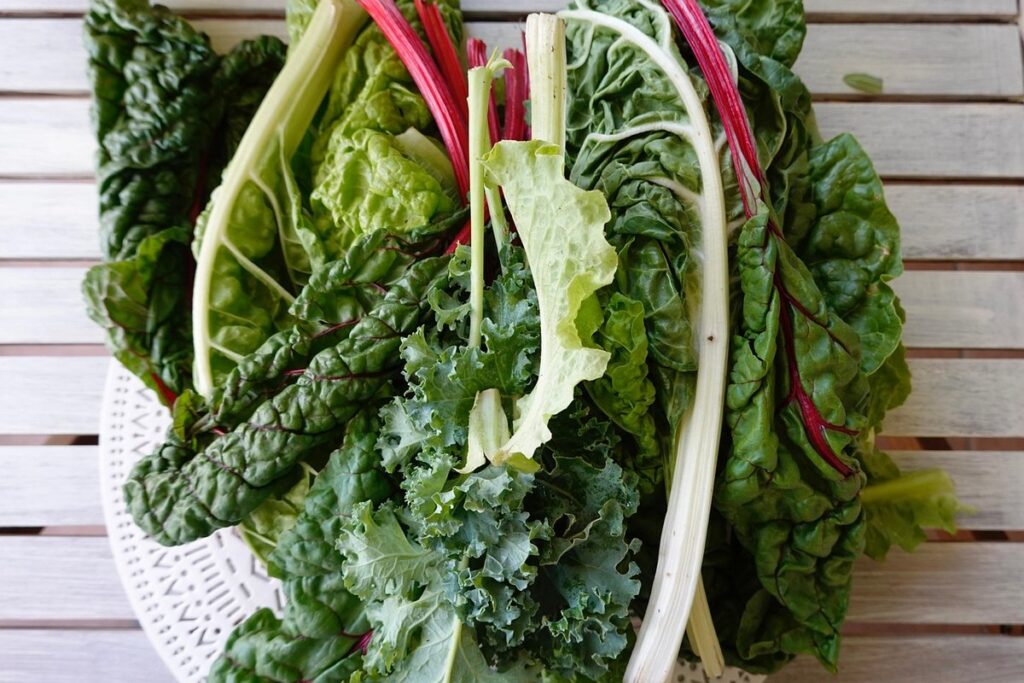
Understanding Swiss Chard
Swiss chard is a versatile and nutritious leafy green, but its unique characteristics can be confusing for gardeners and cooks alike. In this section, we’ll break down what makes Swiss chard special.
What is Swiss Chard?
Swiss chard is one of the most underrated leafy greens available to us today. Often mistaken for its more popular cousin kale, Swiss chard offers a unique blend of flavors and textures that make it an essential addition to any kitchen. But what makes this versatile vegetable so special?
Firstly, let’s talk about its nutritional benefits. Swiss chard is packed with vitamins A, C, and K, as well as minerals like calcium and iron. It’s also high in antioxidants, making it a superfood that can help protect against chronic diseases. In fact, studies have shown that consuming leafy greens like Swiss chard can reduce inflammation and improve overall heart health.
In terms of culinary uses, Swiss chard is incredibly versatile. It can be sautéed as a side dish, added to soups and stews for extra nutrition, or even used in salads for a burst of color and flavor. Its mild sweetness pairs well with bold flavors like garlic and lemon, making it a staple in many Mediterranean and Italian dishes.
As you begin your Swiss chard care journey, it’s essential to understand the unique characteristics of this vegetable. By embracing its nutritional benefits and culinary uses, you’ll be well on your way to growing and cooking delicious Swiss chard that will become a favorite in your household.
Choosing the Right Variety
Choosing the right variety of Swiss chard can be just as important as providing proper care for this versatile vegetable. With numerous types to choose from, understanding their unique characteristics will help you select a variety that suits your garden’s needs or your cooking preferences.
Some popular varieties include Red Rhubarb, Rainbow, and Fordhook Giant. Red Rhubarb is known for its deep red stems and dark green leaves, making it a great choice for adding color to salads. On the other hand, Rainbow Swiss chard boasts vibrant colors with stripes of orange, yellow, white, and sometimes even red or purple. Its edible flowers can also be used as a garnish.
For larger harvests, consider growing Fordhook Giant, which produces bigger leaves and stalks compared to other varieties. Another factor to consider is the flavor profile: some Swiss chard varieties have a sweeter taste while others are more earthy. When selecting a variety, think about what you plan to use it for in your cooking or whether you prefer specific colors or textures in your garden.
Growing Swiss Chard: Tips and Tricks
When it comes to growing Swiss chard, knowing the right techniques can make all the difference between a bountiful harvest and a disappointing crop. We’ll share our top tips for success.
Soil Preparation and pH
When growing Swiss chard, it’s essential to create an ideal soil environment that promotes healthy growth and development. The optimal pH range for Swiss chard is between 6.0 and 7.0, making it slightly acidic to neutral. If your soil’s pH level falls outside this range, you’ll need to adjust it accordingly.
To prepare the soil, start by loosening it to a depth of about 12 inches. This will help break up any compacted layers and allow roots to grow freely. Next, add a mix of compost or well-rotted manure to improve soil fertility and structure. Aim for at least 2-3 inches of organic matter, as this will provide essential nutrients for your Swiss chard plants.
In terms of nutrient requirements, Swiss chard is a heavy feeder that thrives on high levels of nitrogen, potassium, and magnesium. To support its growth, incorporate a balanced fertilizer into the soil during planting time, following the manufacturer’s instructions.
Sowing and Spacing Seeds
When sowing Swiss chard seeds, it’s essential to get it right from the start. The ideal time for planting depends on your location and climate. In temperate regions with moderate winters, spring is an excellent time to sow seeds directly into the ground. For areas with colder climates, consider starting seeds indoors 4-6 weeks before the last frost date and then transplant them outside.
In warmer climates, you can plant Swiss chard in the fall or early winter for a winter harvest. Sow seeds about 1/8 inch deep and 2-3 inches apart in rows that are 12-18 inches apart. You can also sow seeds in containers or raised beds if space is limited. Make sure the soil is well-draining and has a pH between 6.0 and 7.0.
Keep in mind that over-crowding can lead to disease and pests, so maintain proper spacing. Thin seedlings to about 6-8 inches apart as they grow. This will give you a healthy crop with plenty of room to mature and produce delicious leaves.
Watering and Fertilization Needs
Maintaining consistent moisture levels is crucial for Swiss chard growth. Aim to provide about 1-2 inches of water per week, either through rainfall or irrigation. Avoid overwatering, which can lead to root rot and other issues. Consistent soil moisture encourages healthy leaf production.
Fertilization plays a significant role in promoting healthy growth and productivity. Feed your Swiss chard plants with a balanced fertilizer (10-10-10 NPK) once a month. You can also use compost tea or worm casting for added nutrients. For optimal results, fertilize the soil before planting and again when the crop is 6-8 inches tall.
Other factors to consider are pH levels and nutrient availability. Swiss chard prefers slightly acidic to neutral soil (pH 6.0-7.0). Test your soil regularly to ensure it’s within this range. Also, keep in mind that Swiss chard is a heavy feeder, so it may require additional nutrients, especially nitrogen.
Monitor your plants’ response to fertilization and adjust your schedule accordingly. Overfertilizing can be detrimental to the crop, causing excessive leaf growth at the expense of root development. By striking a balance between moisture, fertilizer application, and other factors, you’ll encourage healthy Swiss chard growth and increased productivity.
Pest and Disease Management
To keep your Swiss chard growing strong, it’s essential to protect it from pests and diseases that can spread quickly through your garden. We’ll cover common issues and offer practical tips for prevention and treatment.
Common Pests Affecting Swiss Chard
Swiss chard is susceptible to several common pests that can cause significant damage if left unchecked. One of the most noticeable signs of infestation is the presence of aphids on the leaves and stems. These tiny insects feed on plant sap, causing curled or distorted leaves and stunted growth.
Another pest to watch out for is slugs and snails. At night, they emerge from hiding spots to feast on tender shoots and leaves, leaving behind silvery trails as they go. To control these pests, use copper tape around the plants’ perimeter or set up traps with beer or yeast baits. Encourage natural predators like ground beetles and birds by maintaining a diverse garden ecosystem.
Keep an eye out for caterpillars, particularly those from the cabbage moth and corn borer species. Their damage resembles holes or tunnels in leaves and stems. Use neem oil or insecticidal soap to control infestations before they spread. Regularly inspect your plants and remove any debris that may attract pests, keeping a clean garden environment is key to minimizing pest issues.
Recognizing and Preventing Diseases
Diseases can wreak havoc on your Swiss chard crop if left unchecked. Downy mildew and powdery mildew are two of the most prevalent diseases affecting this leafy green. Downy mildew, caused by the fungus Bremia lactucae, manifests as yellowing leaves with a grayish-white powder on the underside, eventually leading to plant death. Powdery mildew, caused by fungi in the Erysiphe and Oidium genera, appears as a white, powdery coating on leaves, which can lead to premature senescence.
To prevent these diseases from taking hold, maintain good air circulation around your plants. Keep the area free of weeds, which can harbor disease-causing pathogens. Water carefully – avoid overhead watering that can splash water onto leaves and spread spores. Fungicides can be used as a last resort; however, it’s essential to choose products that are specifically labeled for use on Swiss chard. Regularly inspect your plants and remove any infected areas to prevent the disease from spreading. For prevention, consider applying fungicides at regular intervals during peak growing seasons.
Harvesting and Storage Tips
Now that your Swiss chard is thriving, it’s time to think about harvesting and storing it properly to enjoy its delicious leaves all year round. Learn how to do just that in this next section!
Determining Maturity and Harvest Timing
To determine if your Swiss chard is ready for harvest, gently grasp a few leaves and pull them from the plant. If they come off easily, it’s likely time to pick. Another method is to check the color – mature leaves will have deeper tones of green or red, depending on the variety.
For optimal harvest timing, plan to collect your Swiss chard when the leaves are between 6-10 inches tall. This ensures that the plant doesn’t go to seed, which can happen if it’s left unattended for too long. As a general rule, you’ll need to harvest Swiss chard regularly to encourage continued growth and productivity.
To maintain optimal production, aim to remove about one-third of the leaves every 7-10 days. This will also help prevent the plant from flowering prematurely. For example, if you have a large swiss chard patch, you might divide it into sections for easier harvesting. Simply remove the mature leaves from each section and let them regrow. With regular harvesting, your Swiss chard should continue to thrive throughout the growing season.
Storing Swiss Chard: Short-Term and Long-Term Methods
Storing Swiss Chard: Keep it Fresh for Longer
Proper storage is crucial to maintaining the freshness and nutritional value of your harvested Swiss chard. You can store it in various ways, depending on how long you want to keep it fresh.
In the refrigerator, wrap the leaves in a damp paper towel or cloth and place them in a sealed container. Store them in the crisper drawer where the humidity is higher. This method keeps the leaves fresh for up to 5-7 days.
For longer storage, consider freezing your Swiss chard. Simply chop the leaves, blanch them in boiling water for 2 minutes, then plunge them into an ice bath. Package the cooled leaves in airtight containers or freezer bags and store them at -18°C (0°F) for up to 8 months.
If you want to preserve your Swiss chard for even longer, consider canning or dehydrating it. Canning involves packing the chopped leaves into clean jars, adding a brine solution, and processing them in a boiling water bath for 20 minutes. Dehydrating removes the moisture from the leaves, making it possible to store them at room temperature for up to 6 months.
Remember to always follow safe food handling practices when storing and preserving your Swiss chard.
Cooking and Using Swiss Chard
Now that you have a thriving swiss chard crop, it’s time to think about how to cook and use these nutritious leaves in your kitchen. From sautéing to roasting, we’ll explore the best ways to prepare this versatile vegetable.
Preparing Swiss Chard for Cooking
Preparing Swiss Chard for Cooking can be a bit intimidating if you’re new to cooking with this leafy green. But don’t worry, we’ve got you covered! To start, make sure to choose fresh bunches of Swiss chard with crisp leaves and no signs of wilting.
Before cooking, give the leaves a good wash under cold running water to remove any dirt or debris. Gently pat them dry with a clean towel to prevent excess moisture from affecting the cooking process.
When it comes to chopping Swiss chard, there are two main parts to consider: the leafy greens and the thick stems. Remove the stems by cutting them off at the base of the leaf, then chop them into thin strips for added texture in soups or stews. For sautéing or steaming, simply chop the leaves into bite-sized pieces.
For smoothies, you can add whole leaves or chopped leaves to your blender along with other ingredients like fruits and yogurt. The key is to balance out the bitterness of the Swiss chard with sweeter flavors.
Recipe Ideas and Pairing Suggestions
When it comes to cooking with Swiss chard, the possibilities are endless. This versatile leafy green can be used in a variety of dishes, from hearty stews and soups to light and refreshing salads. Here are some recipe ideas that showcase its adaptability:
* Grilled Chicken and Swiss Chard Wrap: Fill large flour tortillas with grilled chicken, sautéed Swiss chard, crumbled feta cheese, and a drizzle of lemon-tahini sauce.
* Italian-Style Swiss Chard Risotto: Sauté chopped onion and garlic, then add Arborio rice and cook until tender. Stir in sautéed Swiss chard, white wine, and grated Parmesan cheese.
* Spicy Swiss Chard and Black Bean Tacos: Sauté diced onion and garlic, then add cumin-spiced black beans and cooked Swiss chard. Serve in tacos with your favorite toppings.
When pairing Swiss chard with other ingredients, consider its slightly bitter flavor. Balance it out with creamy cheeses like feta or goat cheese, or sweet elements like caramelized onions or roasted beets. For a pop of color, add some chopped fresh herbs like parsley or mint. With these recipe ideas and pairing suggestions, you’ll be cooking with Swiss chard like a pro in no time!
Troubleshooting Common Issues
You’re growing Swiss chard and hitting some bumps? Don’t worry, we’ve got you covered: common problems and their easy fixes are addressed in the next few sections.
Identifying and Addressing Growth Problems
If you’re growing Swiss chard and notice it’s not thriving as expected, there are several common issues that could be affecting its growth. One of the most frustrating problems is bolting – when the plant suddenly shoots up towards the sun instead of producing a healthy crop of leaves. This can happen due to temperature fluctuations or excessive heat.
To prevent bolting, make sure your Swiss chard is receiving consistent moisture and is protected from extreme temperatures. Avoid placing it in areas with direct sunlight for more than 6 hours a day during peak summer months.
Another issue you might encounter is yellowing leaves – often caused by overwatering or nutrient deficiencies. To address this, ensure your soil has the right balance of nutrients. You can also try adjusting your watering schedule to avoid over-saturation.
If you catch these issues early on, you may be able to salvage your crop with some minor adjustments.
Handling Crop Failure and Pests/Diseases
Crop failure and pest/disease issues are unfortunately inevitable in gardening. If you notice that your Swiss chard crop is failing to thrive, take immediate action by inspecting the plants for signs of pests or diseases such as yellowing leaves, holes in leaves, or white powdery patches. Use neem oil or insecticidal soap to treat mild infestations and remove affected leaves.
For more severe cases, apply fungicides specifically designed for leafy greens like Swiss chard. To prevent these issues from arising in the future, focus on providing optimal growing conditions such as adequate light, water, and nutrients. Use crop rotation techniques to avoid depleting soil resources and reducing susceptibility to pests and diseases.
Incorporate beneficial insects like ladybugs or lacewings into your garden ecosystem to naturally control pest populations. Regularly inspect your plants for signs of stress and take preventative measures before problems escalate. Implement integrated pest management strategies that combine physical barriers, organic controls, and cultural practices to maintain a healthy and balanced garden environment.
Frequently Asked Questions
Can I grow Swiss chard in containers or indoors?
Swiss chard can thrive in containers, making it an excellent choice for indoor gardening or small spaces. Ensure your container is at least 6-8 inches deep and has good drainage to accommodate the plant’s root system. Use a well-draining potting mix and provide partial shade to prevent scorching.
How often should I harvest Swiss chard leaves?
Harvest Swiss chard leaves regularly to encourage new growth and prevent the plant from flowering. Pick individual leaves or stems when they reach 4-6 inches in length, leaving at least an inch of stem intact for continued growth. Harvest every 7-10 days to maintain a continuous supply.
What’s the ideal pH range for Swiss chard growth?
Swiss chard prefers a slightly acidic to neutral soil pH, ranging from 6.0 to 7.0. If your soil is too alkaline or acidic, it may affect nutrient availability and lead to reduced growth or discoloration. Test your soil pH and amend it if necessary before planting Swiss chard.
Can I grow Swiss chard alongside other vegetables?
Swiss chard can be grown with other vegetables that have similar growing requirements, such as leafy greens and herbs. However, avoid planting it near members of the Brassica family (broccoli, cauliflower, etc.), as they may compete for nutrients or attract pests.
What are some common mistakes to avoid when growing Swiss chard?
Common mistakes when growing Swiss chard include overwatering, which can lead to root rot and other issues. Also, be mindful of nutrient deficiencies, especially magnesium and potassium, which can affect leaf color and growth. Regularly inspect your plants for pests and diseases, and adjust your care accordingly.