
Sweet potatoes are a staple crop in many gardens around the world, but most gardeners only focus on their edible tubers. However, sweet potato plant leaves are just as valuable and offer numerous benefits for both your plants and you! Not only can they be used to improve soil fertility through leaf composting, but they’re also packed with essential vitamins and minerals that can boost nutrition.
Whether you’re looking to incorporate more greens into your diet or seeking ways to optimize your sweet potato crop’s growth, this article is here to guide you every step of the way. We’ll delve into how to identify and care for sweet potato plant leaves, explore their culinary uses in traditional recipes, and discuss potential issues that may arise when using them as a crop component. With expert tips and tricks, you’ll be able to unlock the full potential of your sweet potatoes!
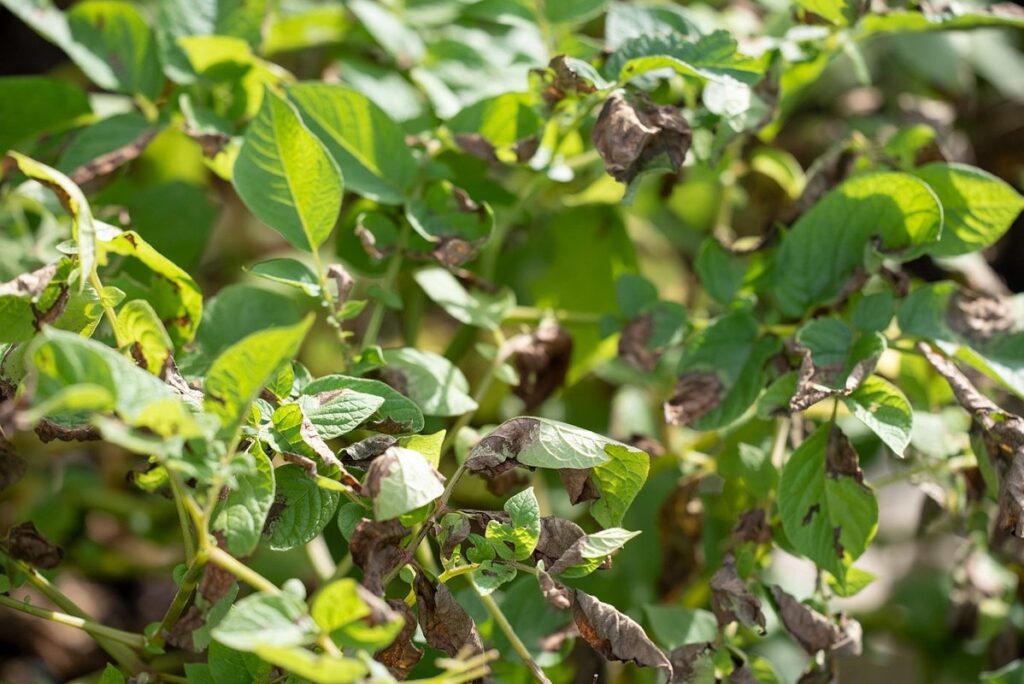
Introduction to Sweet Potato Plant Leaves
As a sweet potato plant enthusiast, it’s essential to understand the characteristics of its leaves to ensure you’re providing the best possible care for your plants. Let’s take a closer look at these distinctive features.
Overview of Sweet Potatoes and Their Importance
Sweet potatoes have been a staple crop for centuries, providing sustenance and nourishment to communities around the world. They are an excellent source of essential vitamins and minerals, including vitamin A, potassium, and fiber, making them a highly sought-after food globally. In fact, according to the Food and Agriculture Organization (FAO) of the United Nations, sweet potatoes are one of the most widely consumed root vegetables in Africa, with over 100 million metric tons produced annually.
But sweet potatoes’ importance extends beyond their nutritional value. They hold significant cultural and symbolic meaning in many societies. In some African cultures, sweet potatoes are a symbol of fertility and prosperity, while in others, they’re associated with good luck and prosperity. For instance, in Japan, sweet potatoes are considered a lucky food during the New Year (Oshogatsu) celebrations.
As we delve into the world of sweet potato plant leaves, it’s essential to appreciate their significance as part of this incredible crop. By understanding the importance of sweet potatoes, we can better care for and cultivate these remarkable plants, ensuring their continued prosperity and nutritional value for generations to come.
Understanding the Anatomy of Sweet Potato Leaves
Sweet potato leaves are composed of two main parts: the blade and the petiole. The blade is the flat portion that captures sunlight for photosynthesis, while the petiole connects it to the stem. This unique structure allows sweet potatoes to efficiently absorb light and nutrients from their environment.
The veins on a sweet potato leaf play a crucial role in transporting water and nutrients throughout the plant. These veins are responsible for moving sugars produced during photosynthesis to other parts of the plant, ensuring proper growth and development. The waxy coating on the leaves helps prevent moisture loss, reducing transpiration and maintaining optimal water balance.
Photosynthesis is the primary function of sweet potato leaves, with chloroplasts present in cells responsible for converting light energy into chemical energy. This process occurs mainly in the blades of the leaves, which are rich in chlorophyll. The amount of sunlight a sweet potato plant receives significantly impacts its growth and productivity, making adequate leaf exposure essential.
In ideal conditions, sweet potato leaves can absorb up to 100% of the available light, highlighting their importance for overall plant health.
Identifying Sweet Potato Plant Leaves: Characteristics and Features
When it comes to identifying sweet potato plant leaves, it’s essential to look for distinct characteristics such as shape, size, color, and arrangement. These features can help you determine if your plant is healthy and thriving.
Leaf Shape and Size Variations
When it comes to identifying sweet potato plant leaves, one of the key characteristics to look out for is their shape and size. While some sweet potatoes may have leaves that are quite uniform, others can exhibit a range of variations.
Typically, sweet potato leaves are oval or lance-shaped, with pointed tips and smooth edges. They usually grow in pairs opposite each other on the stem, and can be quite large – sometimes reaching up to 6 inches (15 cm) in length. However, some varieties may have smaller leaves that are more rounded or heart-shaped.
It’s worth noting that sweet potato leaves can also be slightly curled or wavy at the edges, especially if they’re growing in a dry environment. If you’re struggling to identify your plant’s leaves, try observing them under different lighting conditions – sometimes, the shape and size become more apparent when viewed from a different angle.
In general, being aware of the potential variations in leaf shape and size can help you more accurately identify your sweet potato plant, even if it’s not exhibiting all the classic characteristics.
Leaf Color and Patterns
When it comes to sweet potato plant leaves, one of the most striking features is their range of colors and patterns. While most people are familiar with solid green leaves, there’s a lot more variety than that. You might come across leaves with mottled or striped appearances, which can be just as beautiful as they are functional.
In fact, some sweet potato varieties have leaves with vibrant yellow or purple undertones, while others may have a more subtle bronze or copper hue. These color variations are often determined by factors like climate, soil quality, and the specific variety of sweet potato being grown.
To give you a better idea, consider the ‘Jewel’ sweet potato variety, which boasts striking golden-yellow leaves with green veins. On the other hand, some growers have reported seeing leaves with unique patterns of darker green stripes or swirling shapes. While these visual variations can be captivating, it’s essential to remember that leaf color and pattern don’t necessarily affect the plant’s overall health or productivity.
When identifying sweet potato leaves, pay attention not only to their color but also to any notable patterns or markings. This will help you better understand your plant’s specific needs and characteristics, ultimately leading to a more successful harvest.
Health Benefits and Nutritional Value of Sweet Potato Leaves
Sweet potato leaves are not only a tasty addition to your meals but also packed with numerous health benefits, including high levels of vitamins A, C, and E. Let’s explore their nutritional value in more detail.
Antioxidant Properties and Vitamins
Sweet potato leaves are not only rich in nutrients but also packed with antioxidant properties that can help protect against cell damage and oxidative stress. The primary vitamins responsible for these benefits are vitamin A, C, and E.
Vitamin A plays a crucial role in maintaining healthy vision, immune function, and skin health. Sweet potato leaves contain beta-carotene, a precursor to vitamin A that converts into the active form in our bodies. A 100-gram serving of cooked sweet potato leaves provides around 10% of the recommended daily intake.
Vitamin C is another essential nutrient found in sweet potato leaves, which helps boost the immune system and fight off infections. It also acts as an antioxidant, protecting cells from damage caused by free radicals. Sweet potato leaves contain around 30 milligrams of vitamin C per 100 grams, meeting nearly a third of our daily requirements.
Vitamin E, another potent antioxidant, is essential for maintaining healthy skin, hair, and eyes. It helps protect the body against cell damage and oxidative stress. Sweet potato leaves contain various forms of vitamin E, including gamma-tocopherol and delta-tocopherol. These nutrients can be easily incorporated into our diet by adding cooked or raw sweet potato leaves to salads, smoothies, or sautéed dishes.
Potential Health Benefits and Uses
Consuming sweet potato leaves has been linked to numerous potential health benefits, making them an excellent addition to a balanced diet. One of the key advantages is their anti-inflammatory properties, which can help alleviate symptoms associated with conditions such as arthritis and other inflammatory diseases. The leaves are rich in antioxidants and contain various vitamins and minerals, including vitamin A, C, and E, potassium, and iron.
These nutrients play a crucial role in maintaining cardiovascular health by reducing blood pressure, preventing the formation of blood clots, and protecting against oxidative stress caused by free radicals. Additionally, sweet potato leaves have been shown to exhibit antimicrobial properties, which can aid in fighting off infections and promoting overall well-being.
If you’re interested in incorporating sweet potato leaves into your diet, try adding them to salads or sautéing them with garlic as a side dish. However, be sure to identify the leaves correctly, as some species of sweet potato plants may contain toxic compounds. When preparing sweet potato leaves for consumption, make sure to clean and cook them thoroughly to minimize any potential risks.
Care and Maintenance for Sweet Potato Plant Leaves
Now that you know how to identify sweet potato plant leaves, let’s dive into the essential care and maintenance tasks to keep them healthy and thriving. Regular care will ensure your plants stay vibrant and productive all season long.
Optimal Growing Conditions
For sweet potato plants to thrive and promote healthy leaf growth, it’s essential to provide them with optimal growing conditions. When it comes to temperature, sweet potatoes prefer a warm environment between 65°F to 85°F (18°C to 30°C). Avoid exposing them to extreme temperatures, as this can cause damage to the leaves.
Lighting is another crucial aspect to consider. Sweet potato plants require full sun to partial shade, depending on your location. If you’re growing in a region with intense sunlight, provide some shading to prevent scorching of the leaves. Aim for at least 6 hours of direct sunlight per day.
Water and soil requirements are also vital. Ensure that the soil is consistently moist but not waterlogged. Overwatering can lead to root rot, which can be detrimental to the plant’s health. Use a well-draining potting mix specifically designed for sweet potatoes. Fertilize your plants regularly with a balanced fertilizer to promote healthy growth.
To achieve optimal growing conditions, monitor your plants’ responses and adjust their environment accordingly. This will help prevent common issues like leaf scorch or nutrient deficiencies, ensuring that your sweet potato leaves remain vibrant and healthy.
Common Pests and Diseases Affecting Sweet Potatoes
As you care for your sweet potato plants, it’s essential to be aware of common pests and diseases that can harm them. Aphids, whiteflies, and spider mites are frequent visitors to sweet potato leaves, sucking sap and causing curled or distorted growth. To prevent infestations, use neem oil or insecticidal soap on the undersides of leaves, where these pests tend to hide.
Root-knot nematodes and powdery mildew are two significant diseases affecting sweet potatoes. Root-knot nematodes can be managed by rotating crops, using resistant varieties, or applying nematicide. Powdery mildew can be treated with fungicides like sulfur or copper. Regularly inspect your plants for signs of disease, such as yellowing leaves, black spots, or a white, powdery coating.
To prevent the spread of diseases, maintain good air circulation around your plants and remove any affected areas to promote healthy growth. Monitor your sweet potato plants regularly for pests and diseases, addressing issues promptly to avoid damage and ensure a bountiful harvest.
Culinary Uses of Sweet Potato Leaves: Recipes and Preparation Methods
Sweet potato leaves are not only nutritious, but they’re also incredibly versatile in the kitchen. Here, we’ll dive into some delicious recipes and simple preparation methods to get you started.
Traditional Cuisine and Cultural Significance
In many parts of the world, sweet potato leaves are an integral part of traditional cuisine and hold significant cultural value. In Africa, for example, they’re often used in stews and soups, particularly in Ghanaian and Nigerian dishes like groundnut stew and egusi soup. The leaves add a rich, slightly bitter flavor that complements the other ingredients.
In Asia, sweet potato leaves are commonly stir-fried with garlic and chili peppers as a side dish or added to noodle soups for extra nutrition. In some Latin American countries, they’re used in salads or sautéed with onions and bell peppers as a vegetarian alternative to traditional fillings.
To incorporate sweet potato leaves into your cooking, start by washing and chopping them fresh. You can then blanch or steam the leaves before sautéing or stir-frying to reduce bitterness. Experiment with different spices and seasonings to find your favorite flavor combinations. Whether you’re looking to explore new cuisines or simply add some variety to your meals, sweet potato leaves offer a wealth of creative possibilities.
Modern Cooking Techniques and Recipe Ideas
When it comes to incorporating sweet potato leaves into modern meals, there are countless opportunities for creativity and innovation. One of the most popular ways to cook with sweet potato leaves is by using them as a substitute for traditional leafy greens like kale or spinach in sautéed dishes.
Try your hand at creating a “Sweet Potato Leaf” stir-fry with garlic, ginger, and soy sauce for a flavorful Asian-inspired dish. Simply sauté the leaves with some aromatics, then serve over rice or noodles. You can also use sweet potato leaves as a wrap for burgers or sandwiches, similar to collard greens.
For a more experimental approach, consider using sweet potato leaves in place of traditional basil in pesto sauces. The slightly bitter flavor pairs surprisingly well with rich ingredients like parmesan cheese and olive oil. Don’t be afraid to experiment with different seasonings and spices to create unique flavor profiles.
Some other recipe ideas include:
• Sweet Potato Leaf and Feta Stuffed Chicken Breasts
• Roasted Vegetable Soup with Sweet Potato Leaves
• Grilled Cheese Sandwiches with Sweet Potato Leaf Pesto
By incorporating these modern cooking techniques and recipe ideas into your repertoire, you’ll be well on your way to mastering the culinary uses of sweet potato leaves.
Troubleshooting Common Issues with Sweet Potato Plant Leaves
Don’t let yellowing leaves and brown spots get you down – we’ve got you covered. In this section, we’ll tackle common sweet potato plant leaf issues and provide practical solutions to keep your plants thriving.
Dealing with Leaf Drop or Yellowing
Leaf drop or yellowing can be concerning issues for sweet potato plant owners. One of the primary causes of leaf drop is overwatering, which leads to root rot and weakens the plant. To address this issue, ensure you’re not watering too frequently, and make sure the pot has good drainage holes.
On the other hand, under-watered plants can also lead to yellow leaves as the plant struggles to obtain enough moisture. Check your soil regularly by sticking your finger into it up to the first knuckle; if the soil feels dry, it’s time to water.
Nutrient deficiencies, particularly a lack of magnesium or iron, can cause yellowing leaves. To resolve this issue, consider using a balanced fertilizer and follow the instructions carefully.
Another potential cause is exposure to extreme temperatures. If your sweet potato plant is exposed to sudden temperature fluctuations or is placed near air conditioning vents or heating radiators, it may result in leaf drop.
If you notice any of these issues, inspect your plant’s roots for signs of rot or damage and repot the plant with fresh, well-draining soil if necessary. Monitor your plant closely after addressing these potential causes and make adjustments as needed to prevent future occurrences.
Encouraging Healthy Growth and Leaf Regeneration
To promote healthy growth and encourage new leaf formation in sweet potato plants, it’s essential to provide them with optimal growing conditions. Start by ensuring they receive at least 6 hours of direct sunlight per day. This will stimulate photosynthesis, which is crucial for leaf development.
Water your sweet potatoes deeply but infrequently to encourage deep root growth. Consistent moisture levels can lead to weak and spindly growth. Regular fertilization with a balanced fertilizer will also provide essential nutrients for healthy leaf production.
Maintain temperatures between 65°F to 85°F (18°C to 30°C) to promote steady growth. Keep the soil consistently moist but not waterlogged, as this can cause root rot and prevent new leaves from emerging.
To encourage new leaf formation, remove any weak or damaged leaves. This will redirect energy away from dying tissue and towards healthy growth. Monitor your plants regularly for signs of nutrient deficiencies, such as yellowing leaves, which can be treated with targeted fertilizers.
Frequently Asked Questions
Can I grow sweet potato leaves indoors, or do they require a specific climate?
Sweet potato plant leaves can thrive indoors with proper care. They prefer bright, indirect light and temperatures between 65-75°F (18-24°C). Use containers with good drainage to mimic outdoor conditions. You can also use LED grow lights to supplement natural light.
How long does it take for sweet potato leaves to regrow after harvesting or pruning?
After harvesting or pruning, sweet potato plant leaves typically require 7-10 days to regrow their leaves. This period may vary depending on factors like soil quality, watering, and temperature conditions. Monitor your plants closely during this time to provide optimal care.
Can I use sweet potato leaf compost as a substitute for regular fertilizer?
Yes, you can use sweet potato leaf compost as an alternative to traditional fertilizers. Rich in nutrients like potassium, magnesium, and iron, the compost will help improve soil fertility and promote healthy plant growth.
What’s the ideal pH level for growing sweet potato leaves, and how do I adjust it if necessary?
The optimal pH range for sweet potato leaves is between 5.5-6.5. If your soil’s pH falls outside this range, you can adjust it by adding lime to raise the pH or elemental sulfur to lower it.
How do I preserve sweet potato leaves for long-term use in cooking and recipes?
To preserve sweet potato leaves, blanch them in boiling water for 2-3 minutes, then chill them immediately. Freeze or dry the leaves to maintain their nutritional value and flavor. This method will allow you to enjoy your harvest year-round.