
Are you tired of struggling to grow sweet peppers in your garden? Do pests and diseases seem to be the bane of your existence when it comes to these delicious and nutritious veggies? Well, we’ve got a secret that’s about to revolutionize the way you approach companion planting: pairing your sweet peppers with the right friends can make all the difference. By selecting the perfect companion plants for your sweet peppers, you’ll not only keep pests at bay but also boost growth and yields like never before. In this article, we’ll share our expert tips on how to use companion planting to control pests and promote healthy growth in your sweet pepper garden, ensuring a bountiful harvest every time.
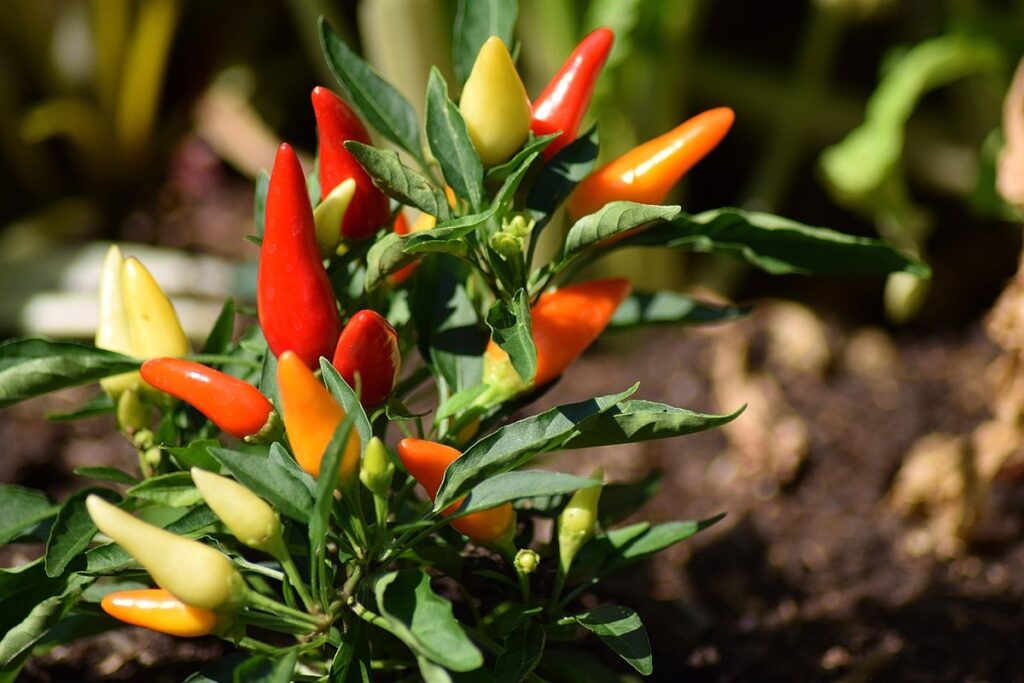
The Importance of Companion Planting
When it comes to growing sweet peppers, choosing the right companion plants can make all the difference in a healthy and bountiful harvest. Let’s explore some top picks that complement sweet peppers beautifully.
Understanding the Basics of Companion Planting
Companion planting is an age-old technique that involves growing different plants together to improve their growth, health, and productivity. By strategically selecting companion plants for sweet peppers, you can create a harmonious garden ecosystem that benefits from mutual support.
The concept of companion planting dates back to ancient civilizations, where farmers observed the natural relationships between plants in their surroundings. They discovered that certain plants repelled pests, attracted beneficial insects, or even provided nutrients to others. This understanding was passed down through generations, and today we recognize the importance of this practice in modern gardening.
By using companion planting, you can reduce the need for pesticides, improve soil health, and increase crop yields. It’s a simple yet effective way to create a balanced garden environment that promotes the well-being of all plants involved. To get started, research which plants complement sweet peppers, such as basil, mint, or nasturtiums, and experiment with different combinations in your garden.
Common Challenges with Sweet Pepper Growth
When growing sweet peppers, you may encounter common challenges that can hinder their growth and productivity. One of the most significant issues is pest infestation, with aphids, whiteflies, and spider mites being the top culprits. These pests can spread diseases and weaken the plant’s defense system, ultimately affecting yields.
Diseases are another major problem for sweet pepper growers. Fungal infections like powdery mildew and bacterial spot can quickly spread through the crop, causing significant damage. Nutrient deficiencies, particularly nitrogen and magnesium, can also impact plant growth and fruit production.
To combat these issues, companion planting comes into play. By strategically pairing sweet peppers with beneficial plants, you can create a balanced ecosystem that suppresses pests and diseases while promoting healthy growth. For instance, basil repels aphids and other pests, while nasturtiums attract beneficial insects that prey on aphid populations.
Selecting the Right Companion Plants for Sweet Peppers
When choosing companion plants for sweet peppers, it’s essential to consider the space and growth habits of both your pepper plants and their potential new friends. This section will walk you through the key factors to keep in mind.
Cool-Season Companions for Early Spring Planting
When transitioning from winter to spring, cool-season companion plants can play a vital role in preparing your sweet pepper garden for the warmer months ahead. These hardy plants thrive during the cooler temperatures of early spring and provide several benefits when paired with sweet peppers.
Onions and garlic are excellent choices as cool-season companions for sweet peppers. They repel pests like aphids, spider mites, and other insects that can damage your pepper plants. Onions also help to prevent fungal diseases from taking hold in the soil, creating a healthier environment for your peppers to grow. Planting onions around the perimeter of your garden will not only keep these pests at bay but also add an extra layer of flavor to your cooking.
Herbs like mint and lemongrass can be used to repel nematodes, microscopic worms that feed on pepper roots, reducing their growth and productivity. Introduce a few sprigs of fresh mint or lemongrass around the base of your sweet peppers to keep these pests under control. By incorporating cool-season companion plants into your garden design, you’ll be creating an environment where your sweet peppers can thrive, grow stronger, and produce more bountiful harvests throughout the season.
Warm-Season Companions for Late Spring and Summer Planting
As the weather warms up in late spring and summer, it’s time to introduce some warm-season companion plants that will not only provide a pop of color but also support the health and productivity of your sweet peppers. Plants like nasturtiums, calendula, and marigolds are perfect for this season.
These vibrant flowers attract beneficial insects like lacewings, hoverflies, and bees, which prey on pests that can harm your sweet peppers. For example, nasturtiums repel aphids, whiteflies, and squash bugs, while calendula attracts pollinators and repels nematodes. Marigolds, with their strong scent, deter nematodes and other pests.
To make the most of these warm-season companions, plant them around the perimeter of your sweet pepper bed or intersperse them among the plants. This will not only add visual appeal but also create a balanced ecosystem that promotes healthy growth and prevents pest infestations. By incorporating these beneficial flowers into your garden, you’ll be one step closer to achieving a bountiful harvest of juicy, sweet peppers!
Companion Plants that Deter Common Sweet Pepper Pests
When it comes to growing sweet peppers, some pests can be a major nuisance. We’ll explore the best companion plants that naturally deter common sweet pepper pests and promote healthy growth.
Repelling Aphids with Basil and Chives
When it comes to protecting your sweet pepper plants from aphids, basil and chives are two excellent companion plants that can help repel these pesky insects. Aphid infestations can be particularly devastating for sweet peppers, as they can spread diseases like bacterial spot and tobacco mosaic virus.
Basil, with its strong scent and oils, is known to repel aphids from the surrounding area, keeping them away from your sweet pepper plants. Planting basil near your sweet peppers can help deter aphid infestations and prevent any potential damage. To get the most out of this companion plant relationship, make sure to plant basil within a 12-inch radius of your sweet peppers.
Chives, on the other hand, are natural insect repellents that can help ward off aphids from your sweet pepper plants. Chives contain sulfur compounds, which have been shown to repel aphid populations and prevent them from feeding on your sweet peppers. Plant chives around the perimeter of your garden or interspersed among your sweet pepper plants to create a barrier against aphid infestations.
By incorporating basil and chives into your companion planting strategy, you can significantly reduce the risk of aphid infestations on your sweet pepper plants and promote a healthy and thriving harvest.
Keeping Away Whiteflies with Nasturtiums
Whiteflies are notorious for spreading diseases like tomato spotted wilt virus to sweet peppers. They can also cause significant damage by sucking sap from leaves and stems, weakening the plant’s overall health. Nasturtiums (Tropaeolum majus) have long been recognized as a natural repellent against whiteflies.
Research suggests that nasturtiums contain chemicals such as alkaloids and glycosides that release volatile organic compounds (VOCs). These VOCs are known to deter whiteflies from landing on nearby plants. In fact, studies show that when nasturtiums are planted near sweet peppers, the number of whitefly infestations can decrease by up to 75%.
To use nasturtiums as a natural pest control method, plant them around the perimeter of your sweet pepper patch. This will help prevent whiteflies from reaching your prized peppers in the first place. You can also consider intercropping nasturtiums among your sweet peppers to create a barrier that keeps pests at bay.
Remember, while nasturtiums are an effective natural repellent against whiteflies, they shouldn’t replace integrated pest management practices entirely. By combining nasturtiums with other companion plants and good gardening habits, you’ll be well on your way to enjoying a healthy and abundant sweet pepper harvest.
Companion Plants that Improve Sweet Pepper Growth
When it comes to growing sweet peppers, the right companion plants can make all the difference in their health and productivity. Let’s explore some of our top picks for sweet pepper companions.
The Benefits of Marigolds for Soil Health
When it comes to companion planting for sweet peppers, marigolds are often overlooked despite their numerous benefits. These bright and cheery flowers play a crucial role in enhancing soil fertility and structure, which can have a direct impact on sweet pepper growth.
The key to marigold’s success lies in its ability to attract beneficial nematodes that attack and kill root-knot nematodes, a common pest that harms sweet peppers. By breaking down organic matter and releasing nutrients, marigolds also improve soil structure, allowing for better water penetration and aeration. This is particularly important for sweet peppers, which require well-draining soil to prevent root rot.
To use marigolds effectively, plant them around the perimeter of your sweet pepper bed or intersperse them among the plants. They prefer full sun and well-drained soil, making them an ideal companion for sweet peppers. By incorporating marigolds into your garden, you’ll be improving soil health, reducing pests, and creating a more balanced ecosystem – all of which can lead to a healthier and more abundant sweet pepper harvest.
Enhancing Yield with Companions Like Radishes and Cucumbers
When it comes to enhancing yield with companion plants, radishes and cucumbers are two of the most effective options for sweet peppers. Radishes, in particular, have a unique ability to improve soil quality through their extensive root system, which breaks up compacted soil and brings nutrients closer to the surface. This not only benefits the radishes themselves but also creates an ideal environment for sweet pepper growth.
Cucumbers are another beneficial companion plant that can contribute to increased yield in sweet peppers. By spreading out over a larger area, cucumbers shade the soil, reducing moisture loss through evaporation and retaining valuable water for the sweet peppers. Additionally, cucumbers attract pollinators like bees and butterflies, which helps with sweet pepper pollination.
To get the most from radish and cucumber companions, plant them around the base of your sweet pepper plants in early spring or late summer. This allows them to get a head start on the growing season and creates a beneficial microclimate for sweet peppers.
Advanced Companion Planting Techniques
As you progress with sweet pepper companion planting, let’s dive into some advanced techniques that will take your gardening skills to the next level and maximize your yields.
Intercropping: A Method for Maximizing Space
Intercropping is a powerful technique for maximizing space in your garden while promoting healthy growth and productivity among companion plants. By growing multiple crops together in close proximity, you can create a diverse ecosystem that benefits from the unique characteristics of each plant. This method encourages beneficial relationships between species, leading to improved soil health, pest resistance, and increased yields.
When it comes to sweet peppers, intercropping offers numerous opportunities for synergy with other companion plants. For instance, planting marigold flowers alongside sweet peppers can deter nematodes and attract beneficial insects that prey on pests. Basil and mint are also excellent choices for intercropping with sweet peppers, as their fragrances repel aphids and other damaging insects. To implement intercropping effectively, start by selecting compatible plants with different growth habits and space requirements. Allocate a sufficient area in your garden to accommodate the mature size of each plant, ensuring that they receive adequate sunlight and air circulation. With proper planning, you can create a thriving, interdependent ecosystem that yields a healthy and abundant harvest of sweet peppers.
Crop Rotation Strategies for Sustainable Gardening
Crop rotation is a fundamental strategy for sustainable gardening that can significantly impact soil health, pest pressure, and biodiversity. By incorporating crop rotation into your garden plan, you’ll create an ecosystem that works harmoniously with nature. This means choosing companion plants for sweet peppers that will enhance their growth while minimizing the risk of pests and diseases.
To design an effective crop rotation plan, start by dividing your garden into sections based on soil type, sunlight exposure, and moisture levels. Then, identify a set of “anchor” crops – like tomatoes or cucumbers – that will occupy a specific section for 2-3 years before being replaced. Next to these anchor crops, place sweet peppers with their chosen companion plants, allowing them to benefit from each other’s growth patterns.
Here are some practical tips to get you started:
* Alternate between heavy feeders like beans and light feeders like lettuce to maintain soil balance
* Rotate your most prized vegetables (like sweet peppers) to avoid depleting specific nutrients in the soil
* Use cover crops – such as legumes or clover – to replenish nitrogen levels and suppress weeds
Common Mistakes to Avoid in Companion Planting
When growing sweet peppers, it’s easy to fall into common pitfalls that can harm your plants and reduce yields – let’s explore some key mistakes to steer clear of.
Misunderstandings About ‘Weed’ Plants
When it comes to companion planting, some gardeners mistakenly label certain plants as “weeds” without realizing their true potential. One common example is the humble dandelion (Taraxacum officinale). While its bright yellow flowers and feathery greens may be unwanted in a tidy lawn, they actually have beneficial effects when grown alongside sweet peppers.
In fact, dandelions are natural pest repellents, capable of driving away aphids and other pests that target sweet pepper plants. Their deep taproots also help break up compacted soil, improving drainage and reducing the risk of waterlogged soil conditions that can lead to root rot in sweet peppers. By embracing dandelions as beneficial companions, gardeners can create a more diverse and resilient ecosystem.
Other often-maligned “weeds” like plantain (Plantago major) and purslane (Portulaca oleracea) also offer similar benefits when grown alongside sweet peppers. Plantain, for instance, has natural antiseptic properties that can help prevent fungal diseases from taking hold in the soil. Purslane, meanwhile, provides a valuable source of nutrients like calcium and magnesium, which are essential for healthy sweet pepper growth.
When incorporating these beneficial “weeds” into your garden, be sure to plant them at the right time and in the correct location. Dandelions, for example, prefer well-drained soil and full sun – perfect conditions for many sweet pepper varieties. By making use of these often-overlooked plants, you can create a more dynamic and productive garden ecosystem that’s better equipped to support your sweet pepper harvest.
Overlooking the Importance of Soil Preparation
Proper soil preparation is often overlooked when introducing companion plants to sweet pepper gardens. However, it’s essential to prepare the soil for optimal growth and health of both sweet peppers and their companions.
To start, test the pH level of your soil to determine if it’s acidic, alkaline, or neutral. Most sweet peppers prefer a slightly acidic to neutral soil pH, between 6.0 and 7.0. Based on this information, you can add lime to raise the pH or sulfur to lower it. For example, if you’re growing in an area with high clay content, adding organic matter like compost will improve drainage and reduce waterlogging.
When preparing the soil for companion planting, consider adding a balanced fertilizer that provides nitrogen, phosphorus, and potassium. A 10-10-10 formula is a good starting point. Additionally, incorporate aged manure or compost to boost the soil’s nutrient profile and microbial activity. This will create an environment conducive to healthy plant growth and help prevent common issues like blossom end rot and fungal diseases that can damage your sweet peppers and their companions.
Conclusion: Integrating Companion Plants into Your Garden
Now that you’ve learned which sweet pepper companion plants are most beneficial, let’s discuss how to integrate them seamlessly into your garden for optimal results.
Tips for Successful Implementation
As you’ve learned about the benefits of companion planting with sweet peppers, it’s time to put these suggestions into action. Implementing a thriving garden ecosystem takes some planning and consideration, but don’t worry – we’ve got you covered.
Firstly, assess your climate. Sweet pepper plants prefer warm weather, so if you’re in an area with frosty winters, choose companion plants that are more adaptable or can be grown in containers to be moved indoors during the colder months. In regions with scorching summers, select companions that provide shade and help retain moisture.
When it comes to space constraints, don’t worry if your garden isn’t large – even small areas can benefit from companion planting. For instance, grow a compact variety of marigold or basil alongside your sweet peppers in a container on a balcony or patio. If you have limited space, prioritize the most beneficial companions like radishes and nasturtiums that repel pests while also improving soil health.
Effective pest management is another crucial aspect to consider when implementing companion planting. For example, if aphids are a recurring issue in your garden, plant chives nearby – their natural oils will deter these pesky insects. Similarly, if slugs or snails are causing problems, incorporate garlic or chamomile into your companion planting strategy.
Remember to plant multiple companion species at the same depth and rate as your sweet peppers for optimal results. Also, don’t forget to maintain a balanced mix of annuals and perennials in your garden. These tips will help you build a resilient and thriving ecosystem that showcases the potential of companion planting with sweet peppers.
Frequently Asked Questions
Can I use companion planting with sweet peppers in containers or indoor gardens?
Yes, you can still benefit from companion planting with sweet peppers even if you don’t have a large outdoor garden. Choose compact varieties of companion plants that thrive in containers and provide the right growing conditions for them.
What happens if I introduce new companion plants to an established sweet pepper bed?
When introducing new companion plants to an existing sweet pepper bed, start by mixing them into the soil where possible or plant them around the perimeter to minimize competition. Keep a close eye on your pepper plants during this transition period to ensure they’re not stressed.
How can I ensure my chosen companion plants don’t become pests themselves?
Monitor your companion plants regularly for any signs of becoming invasive or attracting unwanted pests. Regular pruning, proper soil care, and maintaining good air circulation can help prevent these issues. Also, be sure to choose a diverse mix of companion plants that won’t outcompete your sweet peppers.
Can I use companion planting with other types of sweet pepper varieties (e.g., bell peppers, hot peppers)?
Companion planting is highly versatile and works well with various types of sweet peppers, including bell peppers and hot peppers. Choose companion plants specifically suited to the needs of each variety, considering their growth habits, pest vulnerabilities, and nutrient requirements.
How can I make companion planting a part of my long-term gardening strategy?
To integrate companion planting into your long-term gardening strategy, incorporate crop rotation, intercropping, and season extension techniques. Plan for companion plants that benefit from the same climate conditions as your sweet peppers, ensuring a balanced ecosystem.