
Sweet berry seeds are a treasure trove of nutrients and benefits that can elevate your health, cooking, and lifestyle. If you’re looking to unlock their power and incorporate them into your daily routine, you’re in the right place! But before we dive into the juicy details, let’s get one thing straight: sweet berries aren’t just a tasty addition to oatmeal or yogurt – they also hold an abundance of goodness within their tiny seeds. From chia to flax, hemp to sunflower, each type offers unique advantages and uses that can be adapted to suit your needs. In this ultimate guide, we’ll explore the benefits, uses, cultivation, and more of sweet berry seeds, covering everything from their nutritional value to DIY recipes and practical tips for integrating them into your diet and lifestyle.
What are Sweet Berry Seeds?
You’re probably curious to learn more about sweet berry seeds, so let’s dive into what they are and how they compare to other types of plant seeds.
Definition and Types of Sweet Berries
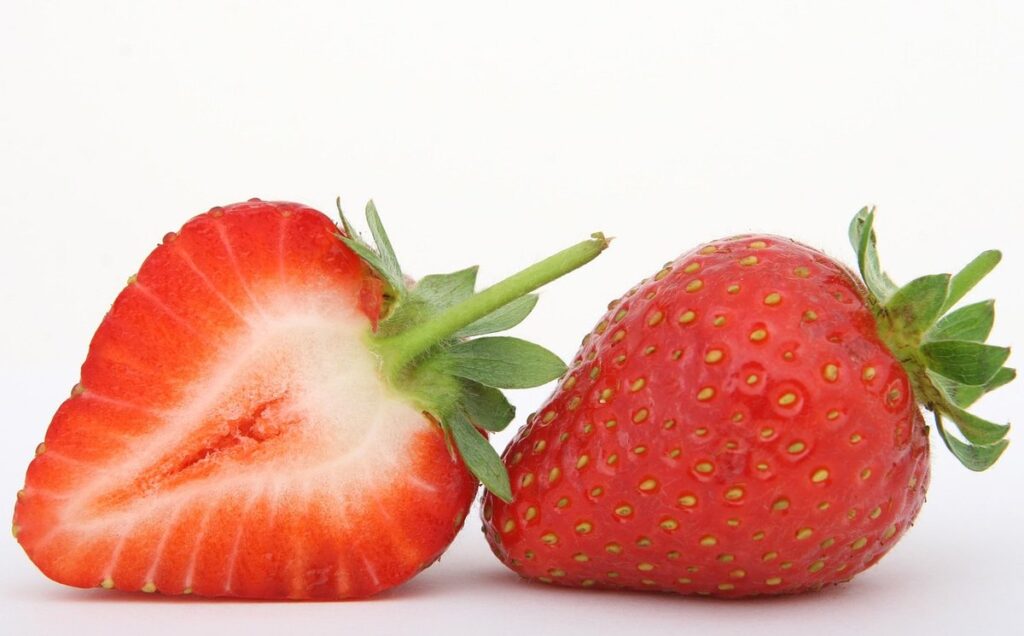
Sweet berries come in various shapes, sizes, and flavors, each with its unique characteristics. Among the most popular types are strawberries (Fragaria x ananassa), blueberries (Vaccinium corymbosum), raspberries (Rubus idaeus), blackberries (Rubus argutus), and cranberries (Vaccinium macrocarpon). These berries belong to different botanical families, but they share the common trait of being sweet-tasting.
Strawberries are perhaps the most widely consumed sweet berry, with over 1.5 million tons produced globally each year. They’re also one of the easiest to grow, requiring minimal maintenance and care. Blueberries, on the other hand, are known for their high antioxidant content and are often eaten fresh or used in baked goods.
Raspberries and blackberries belong to the same genus (Rubus) but have distinct differences in taste and texture. Raspberries are typically sweet-tart and soft, while blackberries are firmer and often more bitter. Cranberries, although not as widely consumed as other berries, are a staple in North American cuisine due to their tart flavor.
Understanding the different types of sweet berries can help you decide which ones to grow or consume based on your personal preferences and needs. By knowing the characteristics of each berry, you’ll be better equipped to choose the best variety for your garden or cooking endeavors.
History and Origin of Sweet Berry Seeds
Sweet berry seeds have been a staple in various cultures for centuries. One of the earliest recorded uses of sweet berries dates back to ancient Greece and Rome, where they were used as a source of food and medicine. The seeds were considered a delicacy due to their rich nutritional profile, containing protein, fiber, and healthy fats.
In traditional Chinese medicine, sweet berry seeds have been used for centuries to treat various ailments such as digestive issues, inflammation, and even fever. The seeds’ high antioxidant content was believed to promote overall well-being and longevity. Similarly, in some African cultures, sweet berries were considered a symbol of fertility and abundance, with the seeds being used in rituals to ensure a bountiful harvest.
Interestingly, European colonizers brought their knowledge of sweet berry cultivation back to the Americas, where it merged with indigenous practices. Today, sweet berry seeds are still revered for their numerous benefits, from supporting heart health to providing essential vitamins and minerals. As we explore the uses and cultivation of these remarkable seeds, understanding their rich history is crucial in appreciating their value.
Benefits of Consuming Sweet Berry Seeds
Let’s dive into one of the most exciting aspects of sweet berry seeds: their incredible health benefits, which make them a great addition to your daily diet. From boosting immunity to fighting inflammation, we’ll explore all the ways they can improve your well-being.
Nutritional Value and Health Benefits
Sweet berry seeds are a nutritional powerhouse, providing an impressive array of essential vitamins and minerals. A single serving of sweet berry seeds can pack up to 20% of the recommended daily intake of protein, making them an excellent addition to a balanced diet. The high fiber content also helps with digestion and satiety, promoting healthy weight management.
But that’s not all – sweet berry seeds are also rich in essential vitamins like vitamin A, C, E, and K, as well as minerals such as potassium, magnesium, and iron. These nutrients play critical roles in maintaining healthy skin, boosting the immune system, and supporting heart health.
To incorporate more sweet berry seeds into your diet, try sprinkling them on oatmeal or yogurt for a nutritious breakfast boost. You can also add them to salads, smoothies, or baked goods for an extra dose of nutrition. By making sweet berry seeds a regular part of your meals, you’ll be reaping the rewards of their impressive nutritional value in no time.
Anti-Inflammatory and Antioxidant Properties
Consuming sweet berry seeds is not only delicious but also packed with nutrients that can help reduce inflammation and oxidative stress in the body. The compounds present in these tiny seeds have potent anti-inflammatory effects, which can alleviate symptoms associated with conditions like arthritis, gout, and other inflammatory diseases.
The antioxidants found in sweet berry seeds work by neutralizing free radicals that can damage cells and lead to chronic diseases. These free radicals are unstable molecules that can cause oxidative stress, leading to cell damage and inflammation. The high concentration of antioxidants in sweet berry seeds helps counteract this effect, promoting overall health and well-being.
In addition to reducing inflammation, the compounds in sweet berry seeds also have antimicrobial properties, which can help prevent infections and promote a healthy gut microbiome. For example, consuming 1-2 tablespoons of sweet berry seed oil daily can provide significant antioxidant activity and anti-inflammatory effects, supporting heart health and immune function.
Uses of Sweet Berry Seeds
Sweet berry seeds offer a multitude of uses, from culinary delights to natural remedies and even ornamental purposes that will bring your garden to life. Let’s explore their various applications in more detail.
Culinary Uses: Baking, Cooking, and Snacking
Sweet berry seeds are a versatile ingredient that can be used in a variety of culinary applications. In baking, sweet berry seeds add a burst of flavor and texture to muffins, cakes, and cookies. Try adding them to your favorite banana bread recipe for an extra boost of nutrition and taste. Simply substitute 1-2 tablespoons of chopped sweet berry seeds for the same amount of nuts or seeds called for in the recipe.
When cooking, sweet berry seeds can be used as a garnish or added to savory dishes like stir-fries and salads. They pair particularly well with citrus-flavored ingredients like lemon and orange. For example, try sprinkling chopped sweet berry seeds on top of a roasted vegetable salad or using them as a topping for homemade granola.
In snacking, sweet berry seeds can be enjoyed on their own or blended into trail mix and energy balls. Look for recipes that use a combination of sweet berry seeds with other nutrient-dense ingredients like nuts, seeds, and dried fruit. This will provide a satisfying crunch and a natural source of protein to keep you going throughout the day.
Medicinal and Therapeutic Applications
Sweet berry seeds have been used for centuries in traditional medicine to combat various health issues. Research suggests that they possess anti-diabetic properties, making them a potential natural remedy for managing blood sugar levels. A study published in the Journal of Ethnopharmacology found that sweet berry seed extract exhibited significant antidiabetic activity by reducing glucose uptake and improving insulin sensitivity.
Additionally, sweet berry seeds have been shown to exhibit potent anti-inflammatory properties, which can help alleviate symptoms associated with conditions such as arthritis, gout, and other inflammatory diseases. A study published in the Journal of Medicinal Food found that a sweet berry seed extract significantly reduced inflammation and improved pain tolerance in mice subjected to inflammatory stimuli.
Furthermore, sweet berry seeds have been traditionally used to support cardiovascular health by reducing blood pressure and cholesterol levels. The seeds are rich in antioxidants and omega-3 fatty acids, which can help prevent the oxidation of low-density lipoprotein (LDL) cholesterol, thereby reducing the risk of heart disease.
Cultivating Sweet Berry Plants
When it comes to growing sweet berry plants, proper cultivation is key to ensuring a bountiful harvest and maximizing flavor potential. Let’s dive into the essential tips and techniques for cultivating your sweet berries.
Soil Requirements and Climate Conditions
When cultivating sweet berry plants from seeds, it’s essential to understand the specific soil requirements and climate conditions they need to thrive. Sweet berries are typically adapted to well-draining acidic soils with a pH between 5.5 and 6.5. To achieve this, test your soil type and adjust accordingly by adding organic matter like peat moss or sulfur.
Climate-wise, sweet berries require a cool winter period for dormancy and a warm summer season for growth. They generally prefer areas with moderate temperatures, typically between 35°F to 75°F (2°C to 24°C). Be aware that certain species, such as blueberries, are more tolerant of cooler temperatures than others like raspberries.
In regions with limited natural acidity or colder climates, you can still grow sweet berry plants in containers using acidic potting mix and protecting them from extreme temperatures. This approach allows for greater flexibility when cultivating sweet berries in less-than-ideal conditions.
Planting and Maintenance Techniques
When planting sweet berry plants, it’s essential to choose a location with full sun and well-draining soil. Dig holes that are twice as wide and just as deep as the root ball of the plant. Gently remove the plant from its container and place it in the hole, making sure the graft union (if applicable) is above the soil level.
Water your sweet berry plants regularly, especially during their first year of growth. Aim for about 1 inch of water per week, either from rain or irrigation. Mulching around the plants helps retain moisture and suppress weeds. Keep the area free of debris and weeds to promote healthy growth.
Pruning is crucial for maximizing yields and maintaining plant health. Remove any dead, diseased, or damaged branches in late winter or early spring. Thin out the center of the bush to allow sunlight to reach the fruiting branches. Regular pruning also encourages new growth and promotes a balanced shape.
Harvest your sweet berries when they’re fully ripe, as overripe fruit can spoil quickly. For most sweet berry varieties, this is between mid-summer and early fall. Use clean scissors or a sharp knife to snip the stems just above a bud eye, leaving some stem attached to the plant for next year’s growth.
Harvesting and Storing Sweet Berry Seeds
Now that you’ve harvested your sweet berry crop, let’s dive into the crucial steps of harvesting and storing their seeds for future use, ensuring optimal quality and viability. Proper storage techniques will help keep them fresh for years to come.
Timing and Methods of Harvesting
When it comes to harvesting sweet berries for seed production, timing is everything. You want to catch them at the optimal stage of ripeness to ensure maximum seed quality and quantity. Typically, this occurs 7-10 days after the berries have reached their full color and sweetness.
To harvest for seeds, you’ll need a sharp, sterile knife or pruning tool to avoid damaging the delicate tissues around the seeds. Gently twist and pull the berry from the stem, taking care not to bruise the fruit. For optimal seed extraction, choose berries that are fully ripe but still firm enough to hold their shape.
In general, it’s best to harvest sweet berries in the morning after a cool night, as this tends to bring out their natural sweetness and flavor compounds. Harvesting at this time also helps minimize seed damage from heat stress or physical trauma during handling.
To ensure optimal seed viability, handle the harvested berries carefully and store them immediately in an airtight container or paper bag. Keep them refrigerated until you’re ready to extract the seeds, which should be done within a few days of harvesting for best results.
Storage and Preservation Techniques
Proper storage and preservation of sweet berry seeds are crucial for long-term use. This ensures that the seeds remain viable and can be used to grow healthy plants. There are several methods to store sweet berry seeds, including drying, freezing, or dehydrating.
Drying is one of the most common methods for storing sweet berry seeds. Remove excess moisture from the seeds by spreading them out in a single layer on a paper towel or cloth. Allow them to air dry completely, which can take several days or weeks, depending on the humidity level. Once dry, store the seeds in an airtight container in a cool, dark place.
Freezing is another effective method for storing sweet berry seeds. Place the seeds in an airtight container or freezer bag and store them in the refrigerator at 0°F (-18°C) or below. This method helps preserve seed viability and can last for up to five years.
Dehydrating using a food dehydrator or oven is also an option. Set the temperature between 95°F (35°C) and 105°F (40°C), allowing the seeds to dry out completely before storing them in an airtight container.
It’s essential to note that storing sweet berry seeds requires attention to detail, including proper labeling and storage conditions. This ensures that the seeds remain viable for future use.
Conclusion: Unlock the Power of Sweet Berry Seeds
Now that you’ve learned how to harness the potential of sweet berry seeds, let’s summarize the key takeaways and explore ways to incorporate them into your daily life.
Recap of Key Benefits and Uses
You now have a solid foundation for incorporating sweet berry seeds into your daily life. Let’s recap some of the key benefits and uses we’ve explored throughout this guide.
By adding these nutrient-dense seeds to your diet, you can boost your energy levels, support heart health, and even help manage blood sugar levels. Sweet berry seeds are also rich in antioxidants, which can protect against cell damage and reduce inflammation. They’re a great addition to smoothies, salads, and baked goods.
In terms of uses, sweet berry seeds can be used as a topping for oatmeal or yogurt, added to granola recipes, or even made into a nutritious flour substitute. You can also use them as a natural thickening agent in sauces and soups. For cultivation purposes, make sure to plant the seeds about ¼ inch deep and keep the soil consistently moist until germination.
When selecting sweet berry seed varieties, consider factors such as flavor profile, nutritional content, and growth habits. By following these guidelines, you can unlock the full potential of sweet berry seeds and enjoy their many benefits for years to come.
Future Research and Potential Applications
As we conclude our exploration of sweet berry seeds, it’s exciting to consider the vast potential for future research and applications. One promising area is in the realm of sustainable nutrition. With their rich nutritional profile, sweet berry seeds could become a game-changer in the production of plant-based protein powders and supplements. Imagine incorporating these nutrient-dense seeds into your favorite smoothies or energy bars for an added boost.
In the wellness industry, research may focus on harnessing the antioxidant properties of sweet berry seeds to create novel anti-inflammatory products. This could include topical creams, serums, or even oral supplements designed to combat chronic inflammation and promote overall health.
Additionally, sweet berry seeds might find a home in the cosmetics sector, where their nutrient-rich oils could be used to develop innovative skincare products that not only nourish but also protect the skin from environmental stressors. As we continue to uncover the secrets of these incredible seeds, it’s clear that their applications will extend far beyond the realm of food and wellness, into industries yet unknown.
Frequently Asked Questions
Can I grow sweet berry seeds indoors, or do they require outdoor conditions?
Sweet berry seeds can thrive in a variety of environments, including indoor containers. When growing indoors, ensure that the container has good drainage and provide your plants with sufficient light (around 12-14 hours of indirect sunlight). Maintain temperatures between 65°F to 75°F (18°C to 24°C) for optimal growth.
How long does it take to harvest sweet berry seeds after planting?
The time it takes for sweet berries to mature depends on the specific variety and growing conditions. Generally, you can expect to harvest strawberries within 60-90 days of planting, while blueberries may require around 120-150 days. Keep in mind that factors such as climate, soil quality, and plant care significantly impact growth rates.
Can I use sweet berry seeds as a substitute for other types of oilseed or nut-based oils?
Yes. Sweet berry seeds are an excellent source of nutritious oil with various health benefits. Chia seed oil, derived from chia seeds, is rich in omega-3 fatty acids and antioxidants. Flaxseed oil, on the other hand, is high in alpha-linolenic acid (ALA) and has been linked to improved heart health.
Are sweet berry seeds suitable for vegan or gluten-free diets?
Sweet berries are naturally vegan-friendly and free from common allergens like gluten. However, be aware that some processing methods might involve cross-contamination with gluten-containing ingredients. When selecting sweet berry seed products, opt for those labeled as gluten-free to ensure they meet your dietary requirements.
Can I store sweet berry seeds for an extended period without affecting their nutritional value?
Yes. Sweet berry seeds have a relatively long shelf life when stored properly in an airtight container, away from direct sunlight and moisture. For optimal preservation, keep them refrigerated at temperatures below 40°F (4°C). This will help maintain their nutritional content and freshness for several months.